A hundred years after his birth, Thich Nhat Hanh's legacy is not kept in amber. It moves. It breathes. It walks slowly through the lives of those who encountered his teachings and chose to let them reshape how they show up—to themselves, to each other, to the Earth. On Continuation Day, Plum Village does not merely commemorate; it asks a harder, warmer question: How does Thay continue through you?
The question sits at the heart of this reflection, echoing a theme explored in the 100th episode of The Way Out Is In, Plum Village's teaching podcast. What set Thich Nhat Hanh apart was not doctrine alone—it was a way of being that made practice accessible, even inevitable. He did not demand enlightenment; he invited people to notice what was already available in a single breath, a single step, a moment of listening.
Perhaps what made Thay different is also what continues through each of us. His genius was translating the abstract into the immediate. Dharma was not something to study from a distance; it was something to live, right now, in ordinary clothes, walking an ordinary path.
This is the real question Plum Village poses. Not what did he teach, but what did you receive? And more importantly: what are you doing with it?
The answer might arrive in the smallest gestures. Perhaps it is in the way you pause and breathe before responding to anger. Perhaps it lives in the depth of your listening—the kind where you put your phone down and let another person know they matter. Perhaps it shows in the way you walk, slowly enough to feel the earth beneath your feet. Perhaps it emerges in the choices you make to care for the Earth itself, recognizing that you are not separate from it. Perhaps it appears in how you build Sangha—community—understanding that we heal and practice together, not alone. Perhaps it manifests in how you transform suffering, not by denying it or running from it, but by turning toward it with compassion.
Each of these is a thread from Thay's teaching, made visible in the world through human hands and hearts. The continuation is not passive. It requires showing up, again and again, with intention.
Continuation Day itself embodies a teaching. By asking "How do you continue Thay?"—rather than "What did Thay teach?"—the practice shifts from head to heart, from memory to action. It is an invitation to see yourself not as a student looking backward at a teacher who has passed, but as an active carrier of a living lineage.
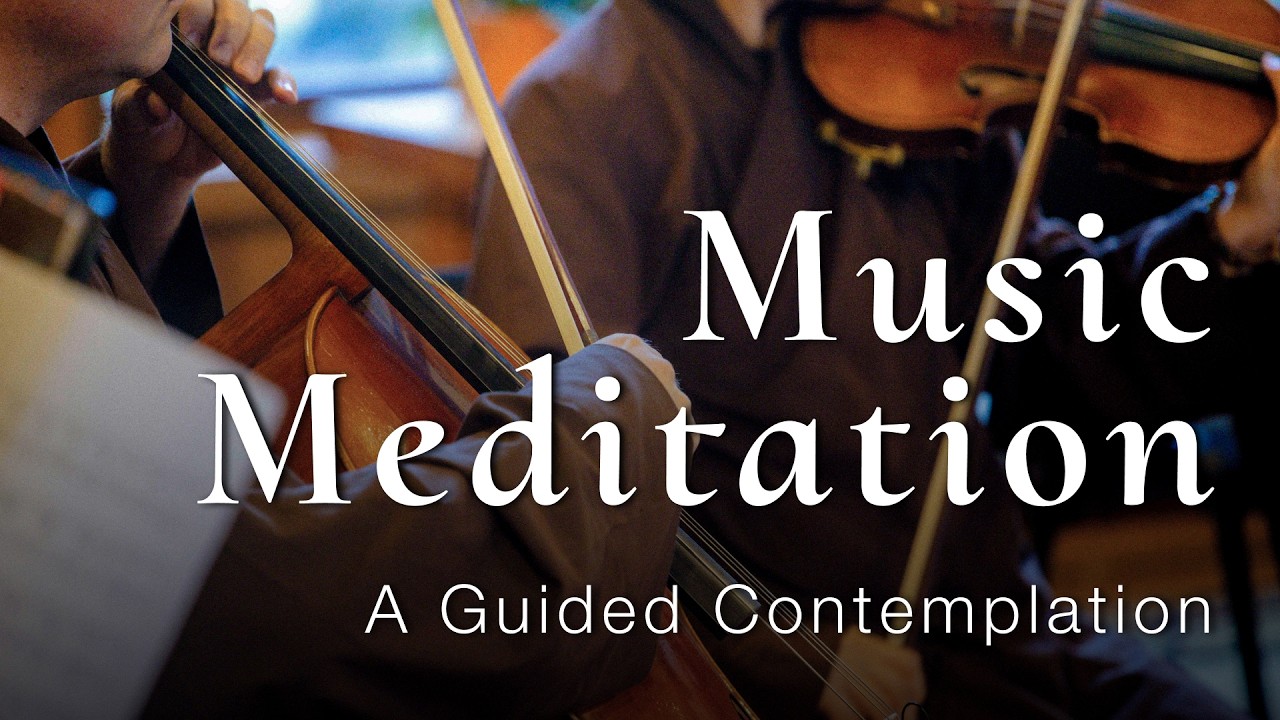
The music that accompanies this reflection—"The Sound of the Rising Tide," from In the Footsteps of Thich Nhat Hanh: Music Meditation, recorded live during the June Retreat 2026 at Upper Hamlet, Plum Village—speaks to this continuity. A sangha gathering, voices blending, the harmonium sustaining the space. This is where practice happens. Not in solitude, but in the presence of others, in community, in the rising and falling of collective breath and song.
The title "100 Years Thay, 100 Ways of Continuing" suggests something both humble and infinite. There are at least 100 ways his legacy continues—through each person who has practiced with his words, walked with his example, or simply decided that life could be lived more slowly, more consciously, more connected to the Earth and to each other.
The invitation to add your own answer in the comments is not an afterthought. It is the practice itself. By naming the one practice, the one way of seeing, the one small thing you received from Thay that continues in your life, you are declaring it real. You are making it active. You are saying: this matters. This continues. This is how Thay lives.
The question remains open. What continues through you? Not in theory, but in daily life. How does your breath carry his teaching? How does your listening? How does your walk, your care, your community, your way of meeting suffering? Consider one practice you received—perhaps directly, perhaps through the words of a teacher, perhaps through the example of a friend or community member who embodied Thay's way. Notice how it shapes your day. Notice how, in continuing it, you become part of the story. Listen to "The Sound of the Rising Tide" and let it remind you that you are not alone in this. Sangha continues too.