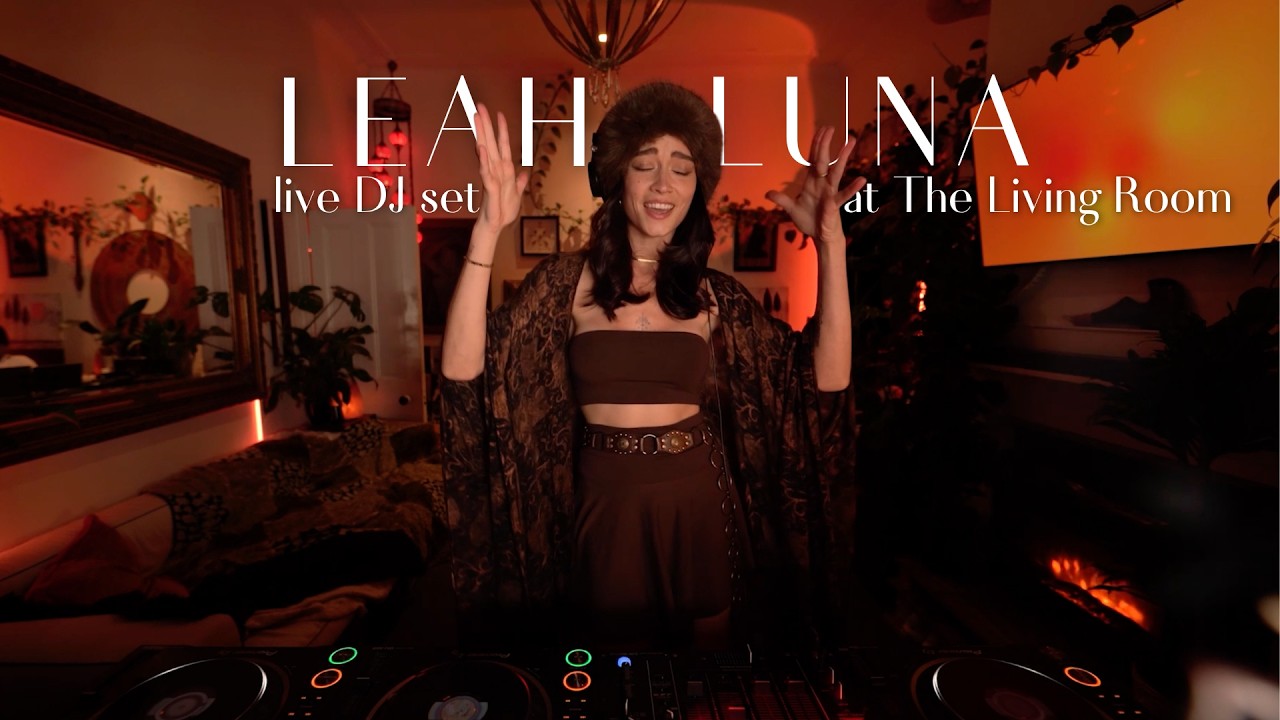
This DJ set demonstrates how electronic music and house rhythms can function as a gateway to embodied presence and consciousness on the dance floor. Rather than performance spectacle, the set invites participants into a shared sonic and physical experience—a form of contemporary spiritual practice rooted in rhythm, repetition, and collective movement.
What is Electronic Music as Spiritual Practice?
In contemporary spiritual contexts, electronic music—particularly house, techno, and ambient dance music—is increasingly recognized as a legitimate path to altered consciousness and collective presence. This DJ set at Bali Spirit Festival exemplifies this shift: rather than treating the dance floor as entertainment, the set functions as a ritual container where sonic vibration and synchronized movement create states of flow and interconnection.
The practice draws on several traditions: the repetitive, trance-inducing rhythms of shamanic drumming; the devotional qualities of kirtan and chant; and the body-centered awareness found in somatic practices. The DJ acts less as performer and more as guide—holding the frequency, reading the room's energy, and gradually deepening participants into states of presence.
How Does Rhythm Create Embodied Consciousness?
The human nervous system is deeply responsive to rhythm. Repetitive beats—especially in the 120–130 BPM range common in house music—entrain the brain into alpha and theta states associated with relaxation, focus, and meditation. This is not mystical but neurological: entrainment is the phenomenon where external rhythmic stimuli synchronize brain wave patterns, heart rate, and breathing.
When a DJ maintains a consistent, deepening rhythm throughout a set, dancers naturally begin to let go of mental chatter and inhabit their bodies more fully. The mind stops trying to control movement and instead becomes a witness to the body's natural responsiveness to sound. This is presence—not as an abstract concept, but as embodied reality.
At a festival like Bali Spirit, where participants often come with explicit spiritual intention, this neurological shift is amplified by collective container. When dozens or hundreds of people move together to the same frequency, the sense of individual boundary softens. Participants report experiences of unity, timelessness, and dissolution of self—classic descriptions of meditative and transcendent states.
Why Does the Dance Floor Function as a Spiritual Container?
A DJ set creates what ritual practitioners call a "temenos"—a bounded, sacred space with distinct entry and exit points, shared intentions, and a clear arc of progression. Unlike everyday environments, the dance floor has:
- Sensory coherence: Sound, light, temperature, and movement are all synchronized toward a single experience
- Permission for ecstasy: The cultural agreement that intense feeling, movement, and non-ordinary consciousness are not only acceptable but encouraged
- Anonymity within community: You can be fully yourself while surrounded by strangers, which paradoxically deepens intimacy
- Clear arc: Most sets begin in the body and lower registers (grounding), build intensity and complexity, and often culminate in a peak experience before gradually releasing the energy
This structure mirrors the shape of many spiritual practices—from meditation sessions that begin with settling and end with integration, to ritual ceremonies that build through phases of invocation, work, and closure.
What Is the DJ's Role in Creating This Experience?
The DJ is not a performer delivering a predetermined product. Instead, the DJ is a sensitive instrument, reading the room's energy, the crowd's body language, the air's temperature, and making real-time decisions about which track to play next. A skilled DJ:
- Holds steady presence rather than chasing excitement
- Reads collective energy and responds with nuance—deepening when needed, releasing when appropriate
- Allows space for silence, transition, and organic unfolding rather than constant stimulation
- Respects the arc of the set as a shared journey, not a sequence of hits
This requires a meditative quality from the DJ themselves. The best DJ sets often feel like group meditation conducted through sound and movement.
How Is Electronic Music Different from Other Spiritual Sound Practices?
While kirtan and traditional chanting work with language, meaning, and the voice as a vehicle for consciousness, electronic music works with pure vibration, frequency, and rhythm. It bypasses the conceptual mind and speaks directly to the nervous system and the body.
This can be deeply liberating for modern practitioners who struggle with belief systems or find meaning-based practices too heady. The dance floor offers a permission structure and a somatic pathway—you don't need to believe anything; you just show up in your body and move.
At the same time, electronic dance music at sacred festivals like Bali Spirit explicitly honors this as spiritual work. The context—a conscious festival, conscious community, explicit intention—transforms a nightclub experience into something closer to ritual.
What Happens in Peak Moments of a DJ Set?
In the best DJ sets, there are moments where the sound, the crowd, the dancing, and the individual consciousness align into what athletes and performers call "flow state"—complete absorption in the present moment, loss of self-consciousness, and a sense of ease in activity.
At these moments, dancers often report:
- Dissolution of the boundary between self and environment
- Loss of time or sense that time has shifted
- Intense aliveness and presence
- Connection to others without words
- Spontaneous healing or release of stored emotion in the body
- Clarity or insight that emerges without cognitive effort
These are not chemical or drug-induced (though some participants may use substances); they are neurologically real states accessible through rhythm, movement, and community. The practice trains the nervous system to access these states more readily.
Where to Go From Here
If you're drawn to explore electronic music as a spiritual practice, seek out conscious festivals and intentional DJ sets rather than conventional nightclubs—the container matters enormously. Move with full presence rather than performance; let your body respond to the sound rather than "dancing well." Notice your own nervous system: When do you shift into flow? What sounds bring you into presence? What role does the collective body around you play?
You might also explore how rhythm shows up in other practices you engage in—meditation, yoga, breathwork—and notice the common thread of entrainment and nervous system recalibration across different modalities. The practice is not about the music itself, but about what the music invites you to become.