Best Time to Visit Vale de Moses: A Seasonal Guide
Best Time to Visit Vale de Moses: A Seasonal Guide
Winter: The Season of Deep Practice
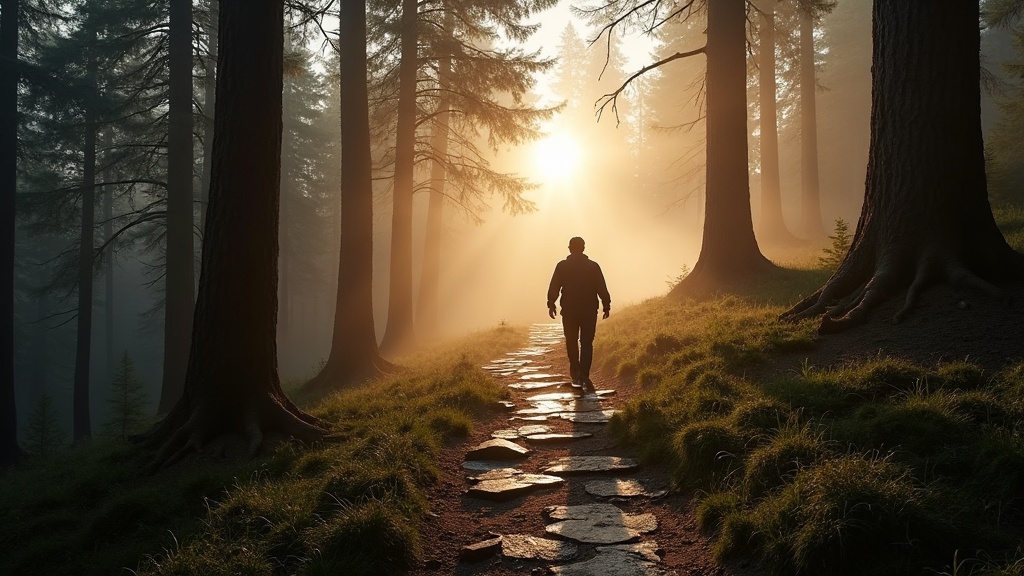
From December through February, Vale de Moses takes on an introspective quality that mirrors the bare branches of the surrounding Cerdeira forest. The retreat center runs fewer programs during these months, typically focusing on intensive teacher trainings and longer residential retreats for practitioners seeking deeper immersion. The cool, crisp air of a Portuguese winter—which rarely dips below 5°C—creates an atmosphere that naturally draws you inward. Morning yoga sessions in Hatha or Ashtanga feel especially grounding when mist hangs in the valleys, and the quieter surroundings mean you'll likely share the space with a smaller, more intimate group.
Winter suits those who crave solitude and aren't deterred by shorter daylight hours. The region receives moderate rainfall during this season, so expect some wet days that encourage staying close to the studio for restorative Yin practices or extended meditation. If you're someone who finds clarity in quietude and doesn't need abundant sunshine to feel nourished, winter's contemplative energy may be exactly what you're seeking. Just pack layers—Portuguese houses traditionally lack central heating, and while Vale de Moses is well-equipped, you'll want warm clothing for evenings.
Spring: Awakening in the Schist Villages
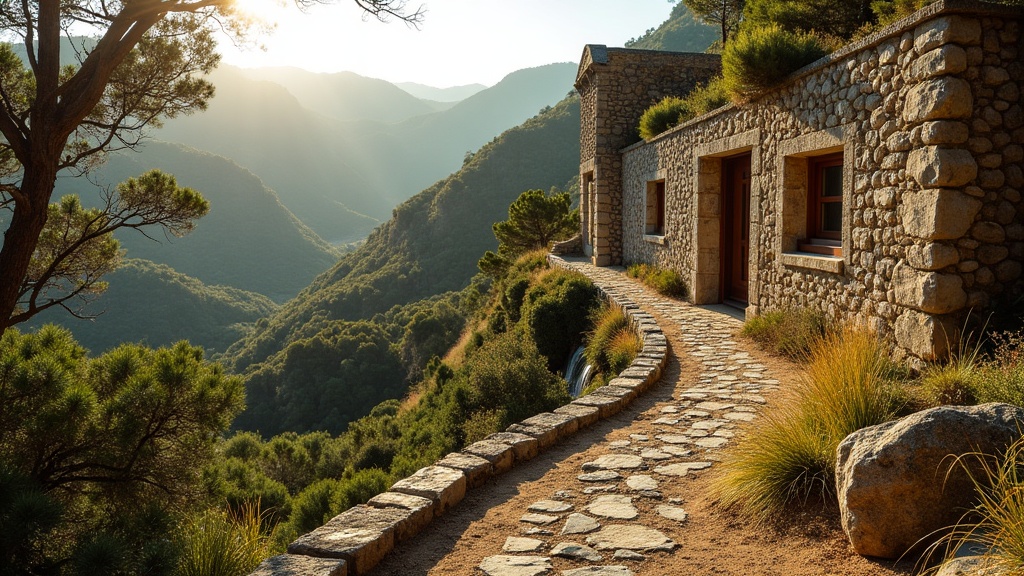
March through May brings Vale de Moses to life in ways that feel almost cinematic. Wildflowers blanket the hillsides, the Alva River runs full from winter rains, and temperatures climb into the comfortable 15-22°C range. The retreat center's calendar begins filling with yoga weeks and weekend retreats, drawing a diverse international crowd eager to practice outdoors as weather permits. Spring's moderate pace means you'll experience community without overcrowding—there's still space to find your own quiet corner among the schist stone buildings and terraced gardens.
This season particularly suits first-time visitors who want to experience Vale de Moses at its most photogenic without the peak season crowds. The Hatha and Ashtanga programs run regularly, and the gentler temperatures make physical practice more comfortable than the summer heat. You might encounter occasional rain—April especially can be unpredictable—but these passing showers only intensify the green landscape and fill the air with the scent of wild herbs. Spring asks you to remain flexible with outdoor plans while offering some of the year's most rewarding hiking in the surrounding Lousã mountains.
Summer: Community and Energy
June through August transforms Vale de Moses into a vibrant hub of activity. This is peak season, when the center runs its fullest schedule of retreats, teacher trainings, and week-long yoga programs. Temperatures regularly reach 28-35°C, and the dry, sunny weather guarantees outdoor yoga sessions with views across the valley. The energy is decidedly more social—you'll share meals, practices, and sunset conversations with larger groups, creating connections that many participants treasure as much as the yoga itself.
Summer suits those who thrive in community environments and don't mind heat. Early morning Ashtanga sessions become especially popular, allowing practitioners to complete their practice before midday temperatures peak. Yin yoga in the evenings offers necessary balance, cooling and opening bodies that have spent the day exploring swimming holes in the Alva River or hiking to nearby schist villages. Be prepared for a busier experience—accommodations book months in advance, and the intimate atmosphere of other seasons gives way to a more dynamic, festival-like energy. If you prefer solitude or struggle with heat, consider another season.
Fall: The Golden Season
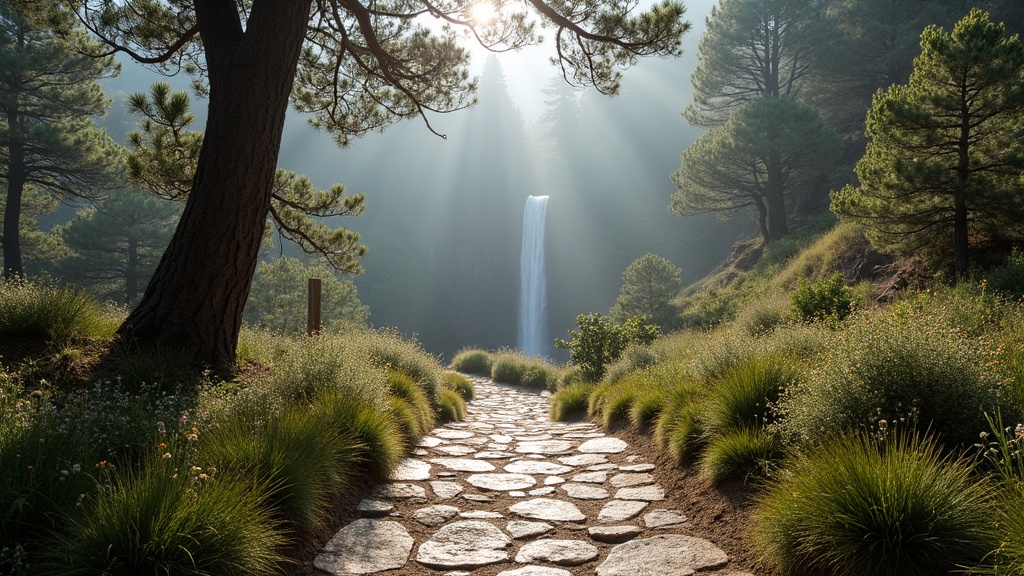
September through November offers what many regulars consider Vale de Moses at its finest. Temperatures moderate to 18-25°C through September and October before cooling further in November. The crowds thin after summer's peak, yet the retreat center maintains an active program schedule through October. The landscape takes on golden and russet tones, harvests happen in surrounding villages, and the quality of light becomes soft and slanted—ideal for both photography and contemplation.
Fall attracts a particular type of visitor: experienced practitioners, returning guests, and those seeking balance between activity and rest. The shoulder season pricing doesn't hurt either. You'll find sufficient community for connection without summer's intensity, and the weather remains reliable enough for outdoor practice through October. November grows quieter and cooler, beginning the transition toward winter's introspective mode.
Choosing Your Window
For first-time visitors uncertain about timing, the shoulder seasons—particularly May and September—offer the sweet spot. You'll experience Vale de Moses with enough activity to feel the center's full energy while retaining space for personal practice and reflection. The Coimbra region's Mediterranean climate means these months balance warm days with cool nights, minimal rainfall, and landscapes at their most beautiful.
Ultimately, the "best" time depends on what you're seeking: solitude or community, intense heat or crisp air, full calendars or spacious schedules. Vale de Moses shifts with the seasons, and each brings its own gifts to those willing to meet the moment as it is.