The History of Sharpham House
The History of Sharpham House
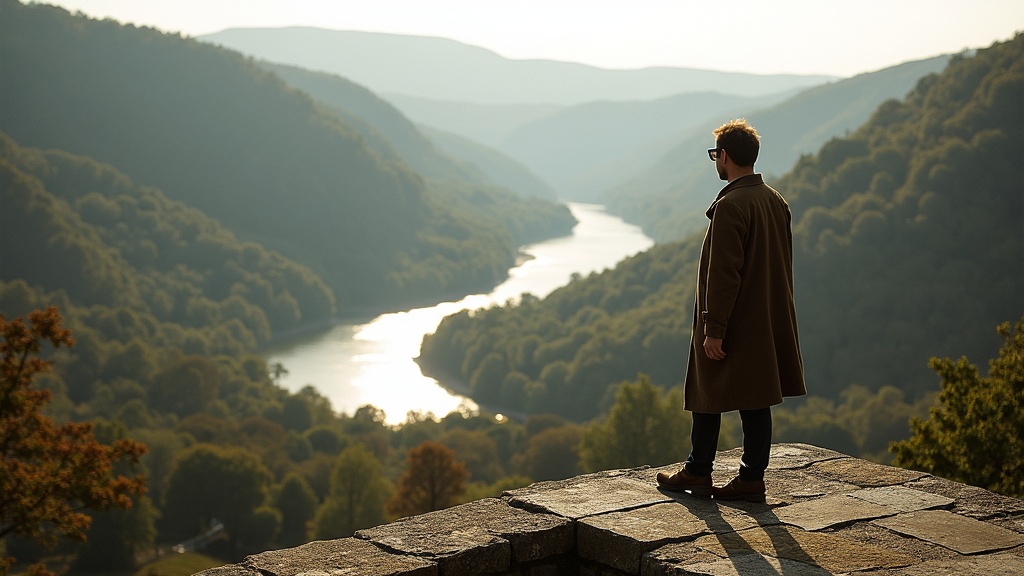
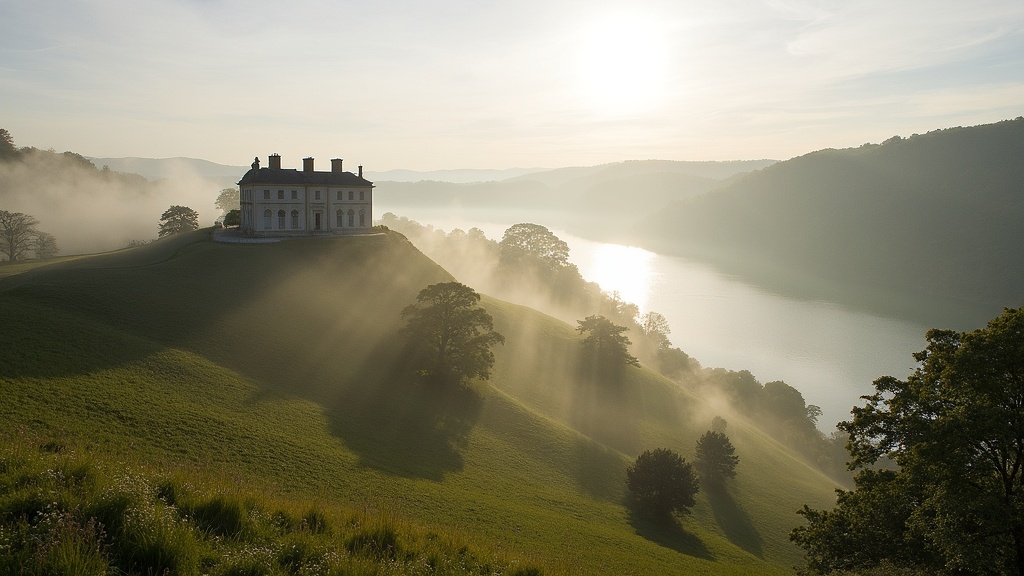
Some places seem destined for contemplation. Sharpham House, rising from a dramatic horseshoe bend of the River Dart in Devon, has embodied many lives across its centuries—naval prize, Georgian showpiece, working farm, and finally, a sanctuary for meditation and mindful inquiry that has welcomed thousands since opening its doors as a retreat center in 1981.
A Captain's Vision
The story begins around 1770, when Captain Philemon Pownoll, having made his fortune capturing a Spanish galleon in naval service, commissioned architect Sir Robert Taylor to design a Palladian mansion three miles south of Totnes. The result was spectacular: a Grade I-listed Georgian gem whose cantilevered elliptical staircase would later prompt architectural historian Nikolaus Pevsner to describe it as "one of the most spectacular and daring later 18th century staircase designs anywhere in England." The staircase appears to float in the entry hall—a fitting metaphor, perhaps, for the lightness of mind the house would one day cultivate.
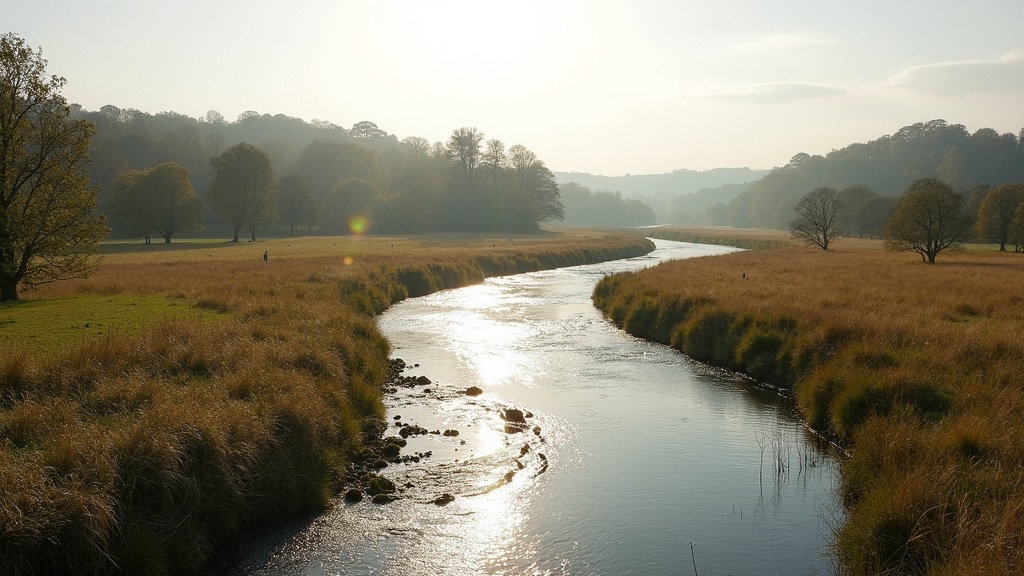
The estate sprawls across 550 acres of organic farmland, rewilding meadows, and ancient woodland, with parkland attributed to Capability Brown framing views of the river below. For nearly two centuries, it remained a private estate, its beauty known only to those who called it home.
The Ash Era: Seeds of Transformation
Sharpham's contemplative chapter began in 1962, when Maurice Ash and his wife Ruth Elmhirst Ash purchased the property. This was no ordinary couple seeking a country retreat. Maurice, an environmentalist and writer influenced by both Wittgenstein and Buddhism, had inherited a property development fortune and chosen to invest it in alternative visions of land stewardship and community. Ruth brought her own lineage of progressive thought as daughter of the founders of nearby Dartington Hall, itself a pioneering center for arts and education.
Together, the Ashes reimagined Sharpham as a living experiment. They established a working farm producing Jersey cheese and English wine—enterprises that continue today—while commissioning landscape designer Percy Cane to create formal gardens that complemented the existing Georgian parkland. But their vision extended beyond agriculture and aesthetics. Maurice's growing interest in Buddhist philosophy and Ruth's commitment to educational innovation planted seeds that would bloom into something more.
Birth of a Practice Community
By the early 1980s, Maurice and Ruth faced a question many estate owners eventually confront: what becomes of such a place when one generation gives way to the next? Their answer was both practical and visionary. In 1981, they established the Sharpham Trust and opened the house as a Buddhist retreat center, ensuring the estate would serve contemplative purposes for generations to come.
The center emerged during a period when Eastern meditation practices were taking root in Western soil, particularly in Britain. Sharpham distinguished itself by offering a non-sectarian approach, welcoming teachers from various Buddhist lineages while remaining open to secular practitioners. The house became a place where Vipassana insight meditation, Zen practice, and teachings from the Plum Village tradition could all find a home within those Palladian walls.
Evolution and Expansion
Over the decades, Sharpham has evolved into a respected institution within the UK's meditation community. The retreat center has hosted notable teachers across Buddhist traditions, offering everything from silent meditation retreats to nature-based contemplation programs that invite participants to practice mindfulness while walking the ancient woodland paths or sitting beside the River Dart.
The center's programming reflects both depth and breadth: intensive meditation retreats for experienced practitioners sit alongside introductory courses for those new to contemplative practice. Mindfulness-based approaches, including secular adaptations of Buddhist meditation, have found a natural home here, allowing the center to serve diverse audiences while maintaining its grounding in traditional wisdom.
Sharpham Today
Today, Sharpham House continues the work Maurice and Ruth Ash began over four decades ago, though enriched by all that has unfolded since. The estate remains a working farm, its organic practices reflecting evolving understanding of ecological stewardship. Rewilding initiatives have allowed portions of the land to return to wilder states, creating habitat while offering retreat participants direct encounter with nature's regenerative processes.
What makes Sharpham distinctive is this integration: meditation practice unfolds not in isolation but in conversation with landscape, community, and sustainable land use. The Georgian architecture provides dignified shelter, but it's the land itself—those 550 acres of meadow and forest, the river's ancient bend—that truly holds the practice. Here, contemplative traditions that arose in Asian monasteries have taken root in Devon soil, creating something both faithful to lineage and distinctly of this place.
For thoughtful seekers, Sharpham offers what all genuine retreat centers provide: time, silence, and skilled guidance. But it offers something more—the particular grace of a landscape that has been loved and tended, a house whose floating staircase reminds us that solid things can be light, and a living tradition of inquiry that honors both wisdom from the past and questions that arise fresh each day.