Best Time to Visit Findhorn Foundation: A Seasonal Guide
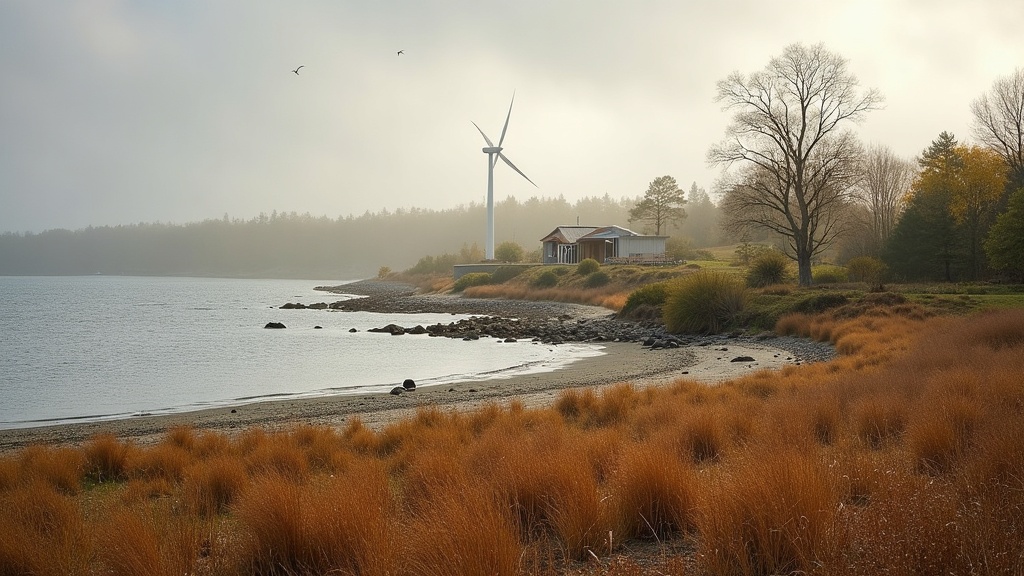
Best Time to Visit Findhorn Foundation: A Seasonal Guide
Winter: Solitude and Inner Work
December through February brings Findhorn to its quietest, most introspective season. The northern Scottish coast turns raw—wind whipping off the Moray Firth, frost clinging to the eco-homes' curved roofs well into morning, darkness claiming the day by four o'clock. This isn't a season that flatters. The organic gardens lie dormant under mulch, the beach becomes a place for the determinedly hardy, and the community contracts inward.
Yet for certain seekers, winter at Findhorn offers something precious: space. The retreat center runs fewer programs during these months, focusing primarily on longer residential experiences and specialized workshops that draw smaller, more committed groups. Experience Week—the Foundation's signature introduction to community life—continues through winter, but with perhaps eight participants instead of twenty-five. You'll work in the kitchen chopping vegetables alongside the same handful of faces, sit in meditation circles where you actually remember everyone's name, and have genuine one-on-one time with long-term community members who aren't stretched thin by summer's demands.
The setting feels monastic, elemental. Morning walks become negotiations with weather. The warmth of the community's various common spaces—the Blue Angel Café, the Universal Hall—becomes genuinely necessary rather than merely pleasant. Winter suits contemplatives, writers seeking retreat, those who've done enough inner work to know they don't need sunshine to go deeper.
Spring: Awakening and Possibility
March ushers in something close to magic. Days lengthen dramatically at this latitude—Findhorn sits farther north than Moscow—and by May, you're getting eighteen hours of daylight. The gardens explode into activity as the community prepares beds and plants seedlings with the care that made them famous. This is when Findhorn's founding story—three people growing forty-pound cabbages in sand—stops being historical anecdote and becomes visceral present-tense reality.
Spring programming ramps up considerably. Workshops proliferate: permaculture courses, arts retreats, nature connection immersions. Experience Week runs almost weekly now, and the energy shifts from winter's inwardness to outward manifestation. You'll find yourself working in the famous gardens, hands actually in that supposedly impossible soil, while someone explains the co-creative partnership with nature that the Foundation has spent six decades refining.
The season suits beginners beautifully—those curious but uncertain, who want to encounter Findhorn's philosophy through growth and greening rather than through the starkness of winter contemplation. The weather remains unpredictable (this is Scotland), but increasingly kind. Layers remain essential; optimism becomes easier.
Summer: Peak Energy and Community
June through August transforms Findhorn into something close to a spiritual summer camp for adults. The programs calendar bursts with offerings—multiple workshops running simultaneously, guest teachers arriving from around the world, music festivals utilizing the Universal Hall's excellent acoustics. The community's population swells with short-term volunteers, program participants, and visitors attending day events. The northern light stretches absurdly long; you can walk the beach at ten p.m. in something resembling twilight.
This abundance comes with tradeoffs. Accommodation books months ahead. The intimate quality of winter vanishes. You're one among many, and while that creates its own vibrant energy—dinner conversations spanning five continents, spontaneous music sessions, genuine cultural cross-pollination—it also means less individual attention, more time in queues, and the necessity of being more self-directed in your experience.
Summer suits extroverts, festival-lovers, those who thrive in bustling communal environments and don't mind sharing meditation space with forty others. The weather finally becomes reliably pleasant, though Moray never gets truly hot—think comfortable walking temperatures, occasional swimming for the brave.
Fall: The Sweet Decline
September through November offers what many veterans consider Findhorn's finest season. Programs continue regularly into October, but the crush of summer subsides. The gardens produce their harvest—proof of concept piled in baskets—and the community turns toward preservation, canning, storing. The light takes on that slanted autumn quality, temperatures cool but remain workable, and the rhythm settles into something between summer's intensity and winter's hibernation.
Fall attracts reflective types, people doing life transitions, those seeking the energy of active community without overwhelming crowds. You'll still meet plenty of fellow seekers, but conversation happens rather than gets scheduled. The shoulder season pricing helps too, making longer stays more feasible for those operating on limited budgets.
Choosing Your Window
For first-timers, the shoulder seasons—late April through June, or September through October—genuinely offer the sweet spot. You'll experience Findhorn's programs in full swing without summer's overwhelm, encounter the working gardens at their most instructive, and actually get to know the place rather than just pass through it. The climate requires adaptability (always pack waterproofs and layers for Scotland's maritime weather), but won't actively fight you.
That said, honor your own nature. If you need solitude to go deep, brave winter. If you need community to crack open, embrace summer's chaos. Findhorn has spent six decades learning that there's no single right way to grow. That includes the timing of your arrival.