Inside the The Bhakti Center Daily Schedule
Inside The Bhakti Center Daily Schedule
The Bhakti Center doesn't operate on the retreat model—there are no multi-day immersions where you surrender your phone and disappear from the city. Instead, it offers something more radical for Manhattan: a daily rhythm you can step into whenever life allows, then step back out into the subway crush carrying something that wasn't there before.
The Morning Cadence
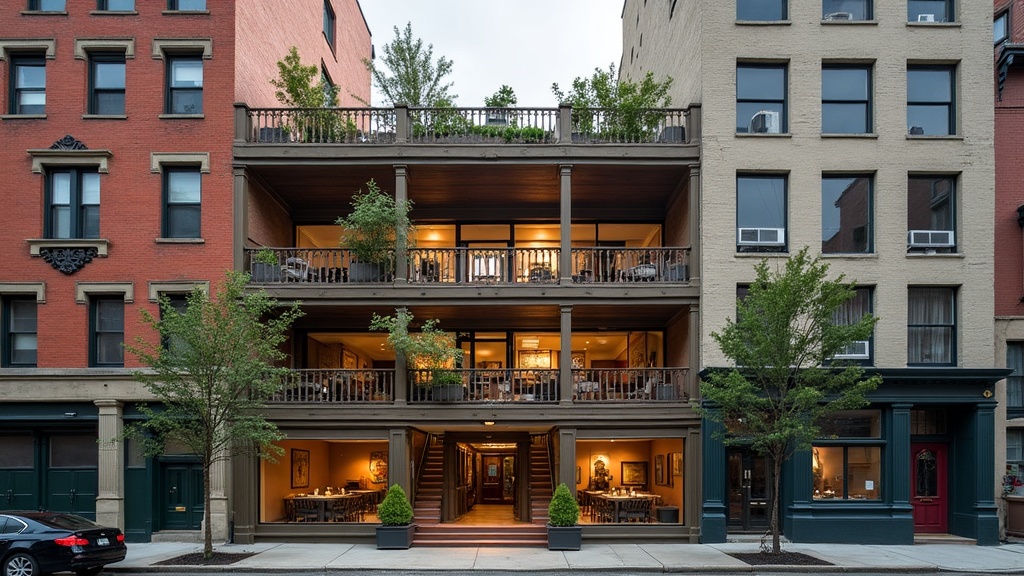
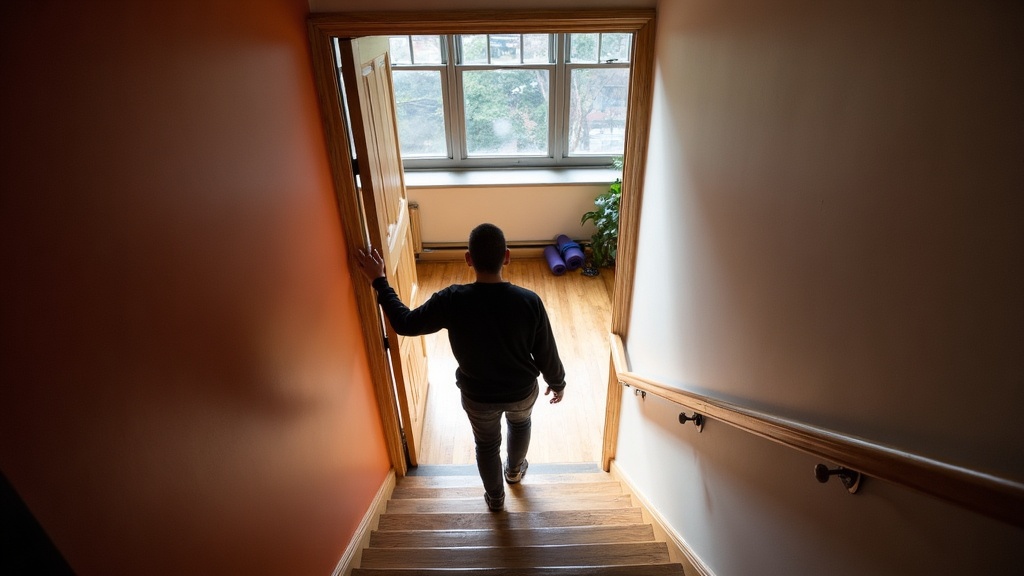
Morning programs begin at 7:00 AM, though the space opens quietly at 6:30 for anyone wanting to sit in silence before the day formally begins. By 7:15, the morning arati is underway—a ceremony of offering involving flame, incense, and song that marks the transition from sleep-world to practice-world. The harmonium starts, voices join, and for twenty minutes the basement on First Avenue becomes something other than a basement.
Asana practice, when offered, follows at 7:45—not the vigorous vinyasa flow of most NYC studios, but movement designed to prepare the body for sitting and chanting. By 8:30, practitioners are folding mats and heading upstairs for simple breakfast: fruit, chai spiced with cardamom and ginger, sometimes prasadam—food that's been offered and therefore transformed. Most people are out the door by 9:00, headed to offices and jobsites, carrying the morning's vibration like a secret.
Late Morning and Workshops
Weekend mornings shift the schedule. Saturday workshops begin at 10:00 AM, giving the city time to wake up slowly. These sessions dive deeper into philosophy, mantra meditation techniques, or the theological framework of Gaudiya Vaishnavism. A workshop on the Bhagavad Gita might run until 12:30, breaking complex Sanskrit concepts into something applicable to the question of how to live now, here, on this particular island.
Sunday kirtan intensives start at 11:00 and can stretch for hours—not as performance but as practice, learning the traditional call-and-response structure, the names and their meanings, the way repetition opens something that analysis cannot.
Midday: The Feast Element
Sunday afternoon prasadam—the communal meal—is the weekly anchor. Served around 1:00 PM, it's vegetarian in the Vaishnava tradition: dal, sabzi, rice, chapati, something sweet. The meal is offered first, then shared, and this sequence matters—the food becomes a form of participation in the practice itself. People eat sitting on the floor or at long tables, and the conversation moves fluidly between philosophy and parking, devotion and dating.
Afternoon Variations
Weekday afternoons, the center is mostly quiet, sometimes open for individual practice or study. Weekend afternoons offer optional sessions—perhaps a workshop on kirtan instruments at 3:00 PM, learning to play kartals (hand cymbals) or maintain the harmonium's drone. Some practitioners simply stay, reading in the library corner or sitting in the temple room between programs.
The surrounding East Village becomes part of the extended practice: walks to Tompkins Square Park, conversations over dosas on Sixth Street, the implicit understanding that spiritual community happens as much in transition as in formal gathering.
Evening Convergence
Evening kirtan—Tuesday, Thursday, and Friday at 7:00 PM—is when the center fills most completely. By 6:45, regulars are claiming floor cushions and first-timers are removing shoes uncertainly in the entryway. The session opens with teaching, then moves into chanting that builds slowly, sometimes becoming ecstatic, sometimes staying intimate and quiet. By 9:00 PM it's done, and the same people who were chanting are now stacking cushions and sweeping floors—the devotional impulse expressed through cleanup.
The Arc of Commitment
There's no "day one versus day four" here, but there is the arc of months. First visits feel disorienting—the unfamiliar melody lines, the Sanskrit you can't pronounce, the full prostrations some practitioners offer. By the tenth visit, your voice knows where to join. By month six, you might be staying for setup, arriving early to help arrange the altar flowers.
The Bhakti Center's schedule isn't designed to extract you from your life for transformation. Instead, it offers a structure that runs parallel to ordinary time—mornings before work, evenings after, weekends as deepening—an ongoing invitation to step below street level and remember what you came here for, then carry that memory back into the noise.