Inside the Kagyu Samye Ling Monastery Daily Schedule
Inside the Kagyu Samye Ling Monastery Daily Schedule
The first sound you hear at Kagyu Samye Ling is not an alarm but the deep, resonant call of the gong echoing through the former hunting lodge at 6:30 a.m. On your first morning, this comes as a shock—your body still calibrated to the rhythms of Lockerbie or London or wherever you've traveled from. By day four, you're already awake before it sounds, your internal clock mysteriously reset to monastery time.
Morning: The Foundation Practice
By 7:00 a.m., you're settling onto a cushion in one of the meditation halls, joining twenty or thirty others in the morning sitting. The hall is still dark, candles flickering before the shrine. For the next forty-five minutes, you practice shamatha—calm abiding meditation—or, if you're on a more advanced program, you might be working through ngondro preliminary practices. The silence is thick and surprisingly loud: the creak of knees, the whisper of breath, the occasional cough breaking like thunder.
At 7:45 a.m., the session ends and you move into gentle asana practice in the same hall or an adjacent space. Nothing strenuous—this is Tibetan Buddhism, not hot yoga—but enough to work out the stiffness from sitting and prepare the body for the day ahead. Hip openers, gentle twists, cat-cow sequences that feel revelatory after sitting still.
Breakfast arrives at 8:30 a.m. in the dining hall, and this is where you first grasp the particular flavor of Samye Ling's approach. The meal is vegetarian, simple, and surprisingly hearty: porridge with dried fruit, brown toast, marmalade, strong tea. You eat in noble silence, or sometimes in quiet conversation, depending on the retreat type. Weekend programmes tend to be more relaxed; long retreats maintain stricter silence.
Late Morning: Going Deeper
From 9:30 to 11:30 a.m., the schedule diverges based on your program. Weekend retreats might include a teaching session in the temple, where a resident lama explains aspects of Karma Kagyu lineage or introduces practices like the Six Yogas of Naropa. Longer retreats often feature workshops on Tibetan Medicine or intensive meditation instruction on Mahamudra techniques.
On day one, your mind races through these sessions, cataloging everything, trying to "get it right." By day four, you've stopped trying so hard. The teachings begin to land differently, less as information to master and more as invitations to experience.
Midday: The Communal Table
Lunch at 12:30 p.m. is the main meal of the day. The kitchen serves wholesome, warming food suited to the Scottish climate: vegetable curries, dahl, roasted root vegetables, rice, fresh bread baked on-site. There's usually soup, always salad, occasionally something surprisingly delicate—a lemon cake, a bowl of berries from the gardens. You eat together, the conversation flowing more freely now, comparing notes on practice, sharing wonder at the valley's beauty.
Afternoon: Space to Breathe
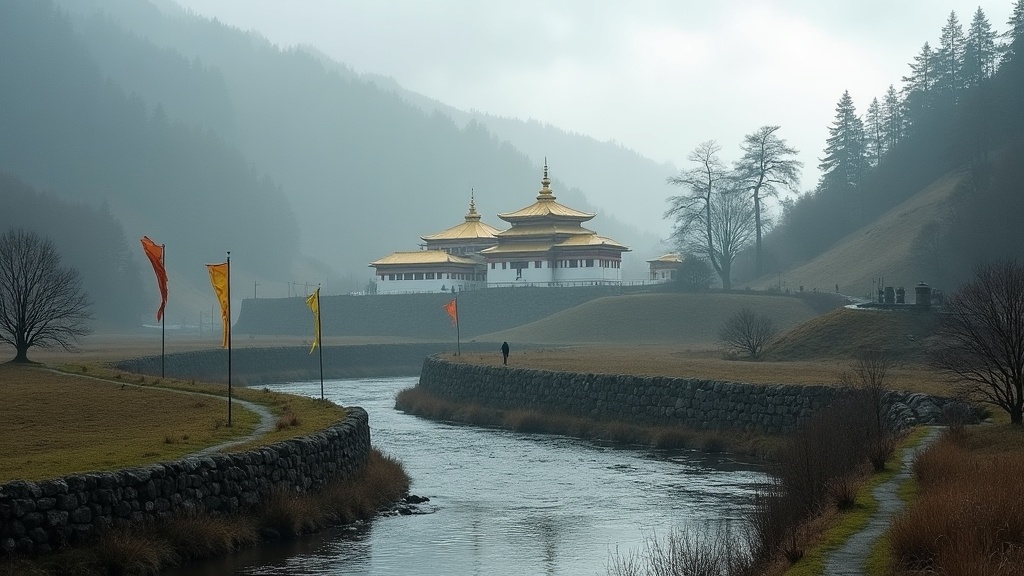
From 2:00 to 4:00 p.m., you have choices. Some retreats schedule optional sessions—additional meditation instruction, one-on-one meetings with teachers, or specialized workshops on Vajrayana visualization practices. But there's also genuine free time here. Many walk the monastery grounds, following the River Esk or circumambulating the Peace Garden and Stupa. Others disappear into their rooms for afternoon rest or private practice.
Some programs offer add-ons during these hours: therapeutic massage sessions incorporating Tibetan healing principles, or time in the modest spa facilities. These aren't indulgences but extensions of the practice—opportunities to notice how you inhabit your body, how you hold tension, how you resist or receive care.
Evening: Closing the Circle
Tea is served at 5:00 p.m.—a lighter affair, often just soup, bread, and fruit. By 6:30 p.m., you're back in the meditation hall for evening practice, which varies wildly depending on your retreat. Some include puja ceremonies with chanting and ritual offerings. Others maintain simple sitting practice. Advanced programmes might include tantric visualization practices or mantra recitation.
The final session ends by 8:00 or 8:30 p.m., and the monastery settles into quiet. Some retreatants gather informally in common rooms. Others return immediately to silence and their lodgings. The Dumfriesshire darkness gathers thick around Johnstone House, and you realize you're already dreading the return to ordinary time, already mourning the loss of days measured in bells and breath rather than emails and obligations.