The History of Findhorn Foundation
The History of Findhorn Foundation
In 1962, three adults and three children arrived at a caravan park on the windswept Moray Firth coast of northern Scotland. What Peter and Eileen Caddy and their friend Dorothy Maclean created there—on sandy soil battered by North Sea gales—would become one of the most enduring experiments in intentional community and spiritual ecology in the modern world.
The founding story has become legend: vegetables grown to astonishing size in conditions that should have yielded nothing. Peter, a former RAF officer, brought practical horticultural knowledge. Eileen received inner guidance through meditation. Dorothy sensed communication with what she called the intelligence of plants—the devas or angels of nature. Their garden flourished impossibly, drawing the attention of soil scientists and seekers alike. Those forty-pound cabbages were more than agricultural curiosity; they were evidence of a different relationship with the living world.
The early community lived in cramped caravans, pooled resources, and worked the land with devotion bordering on discipline. What united them was a commitment to inner listening, to cooperation not just among people but with nature itself. They called it co-creation—a term that would become central to Findhorn's identity. This was spiritual practice as cultivation in both senses: tending soil and tending consciousness.
Growth and Formal Establishment
Word spread through the counterculture networks of the 1960s and early 1970s. Visitors arrived, stayed, became residents. What began as three people in caravans grew into a community of dozens, then hundreds. In 1972, the Findhorn Foundation was registered as a Scottish charitable trust, giving structure to what had been an organic emergence. The community acquired land, built structures, developed programs.
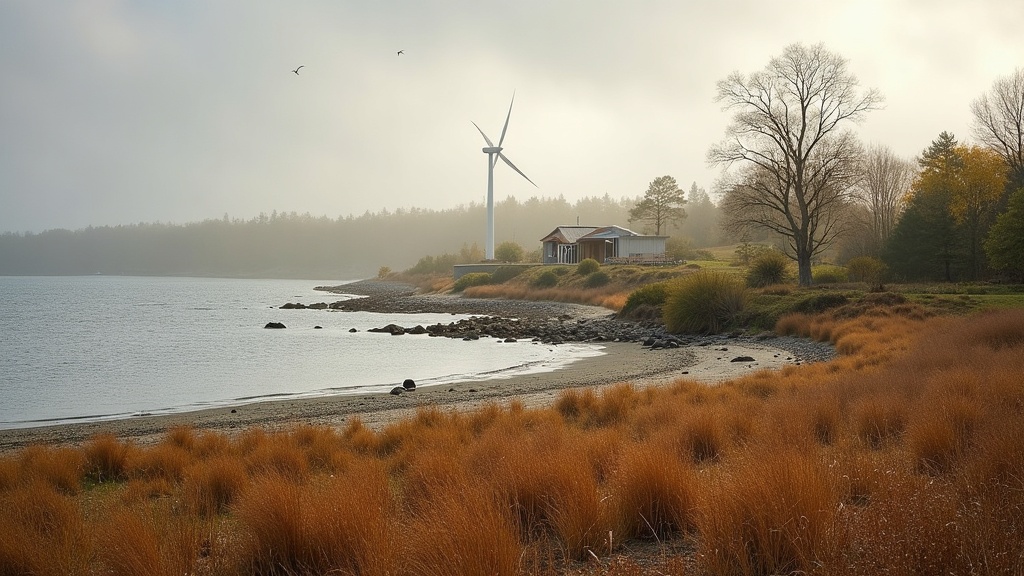
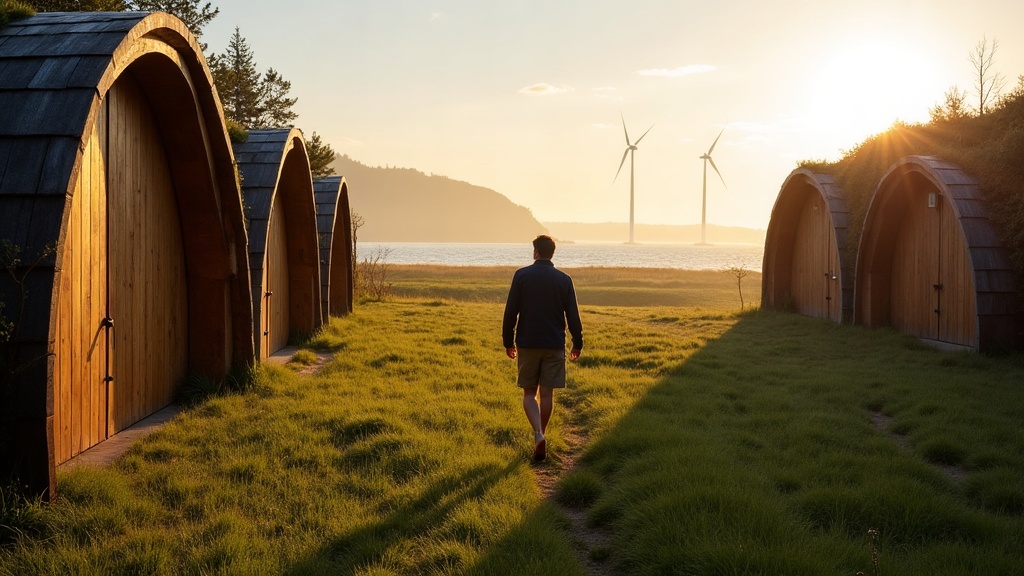
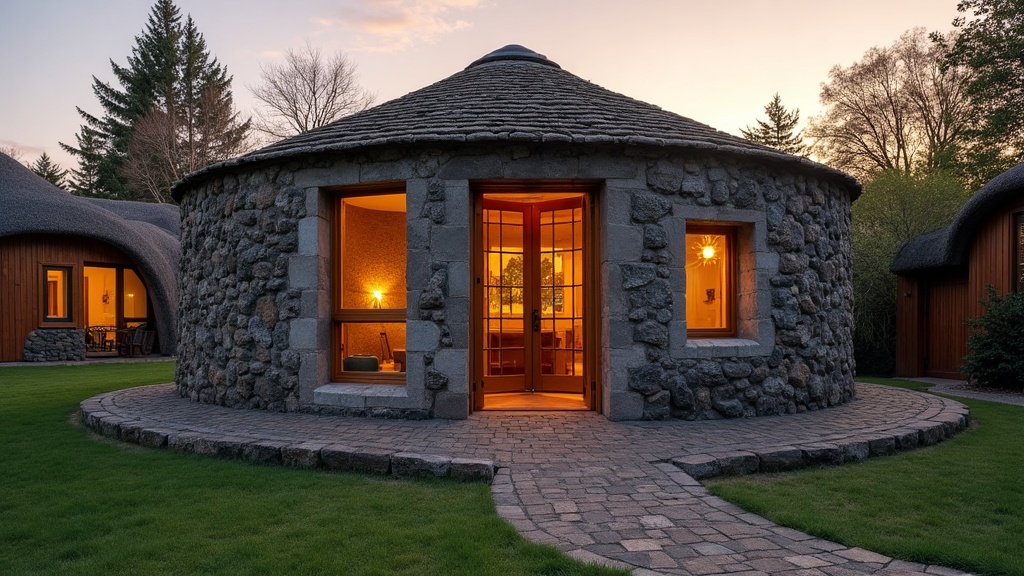
The expansion was both physical and philosophical. Earth-bermed houses went up, designed for energy efficiency decades before sustainability entered mainstream consciousness. Wind turbines appeared on the horizon. The community pioneered ecological building techniques, constructed a biological living machine for wastewater treatment, and became a laboratory for practical solutions to the climate crisis before the term existed in common use.
Education and Immersion
As the community matured, so did its educational offerings. The signature Experience Week emerged as an immersion in communal spiritual practice: morning attunements, work assignments in the gardens or kitchen, evening sharings in circles. Here was a chance not to observe intentional community but to inhabit it—scrubbing floors, pulling weeds, sitting in silence, speaking from the heart in groups.
Workshops expanded beyond the original spiritual gardening to include permaculture, ecovillage design, personal transformation work, and creative arts. The approach remained grounded in the founding principles: that inner and outer work are inseparable, that listening precedes action, that nature is teacher as much as resource. Resident focalisers—the community's term for facilitators—led programs alongside visiting practitioners, creating an exchange between the rootedness of long-term community members and the fresh perspectives of outside voices.
Evolution and Present Character
Six decades on, Findhorn Foundation now anchors one of Britain's largest intentional communities. Hundreds of people from more than forty countries have made the ecovillage home. The Foundation itself remains a spiritual community and educational center, its identity woven through with Scottish charity regulations and community council meetings, sacred geometry and building codes.
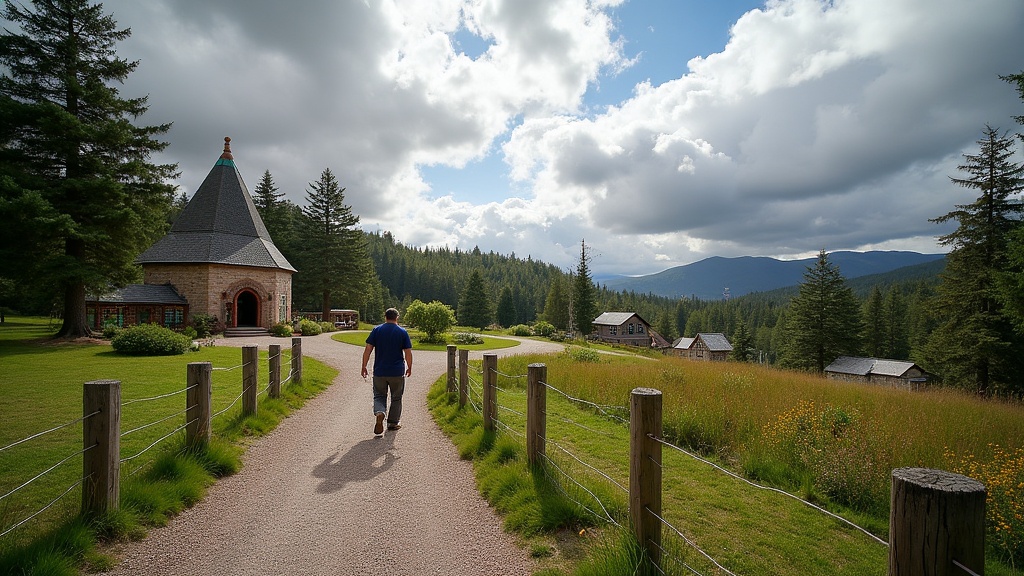
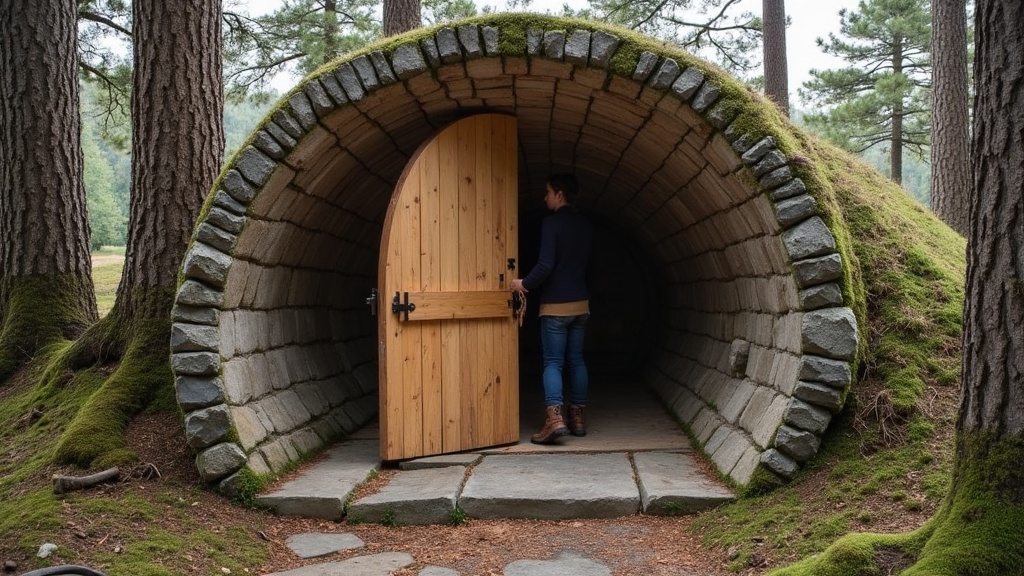
The Nature Sanctuary—a stone circle in the pines—serves as ceremonial space. The Community Centre pulses with gatherings. Solar panels and wind turbines testify to the community's commitment to living what it teaches. The gardens still grow food, though the emphasis has shifted from proving a point to feeding residents and modeling regenerative agriculture.
What makes Findhorn distinctive today is perhaps not any single practice but the integration: spirituality expressed through composting, governance, meal preparation, construction. The Foundation has evolved from countercultural experiment to established institution without entirely losing its experimental edge. It remains non-denominational in the truest sense—drawing from multiple wisdom traditions while bound to none—and grounded in what might be called eco-spirituality: the conviction that ecological crisis and spiritual crisis are one crisis, requiring practical wisdom alongside inner work.
For visitors, Findhorn offers something increasingly rare: a chance to step into a living question about how humans might dwell consciously on Earth. Not as theory but as daily practice, in a place where frost still covers the caravan roofs at dawn.