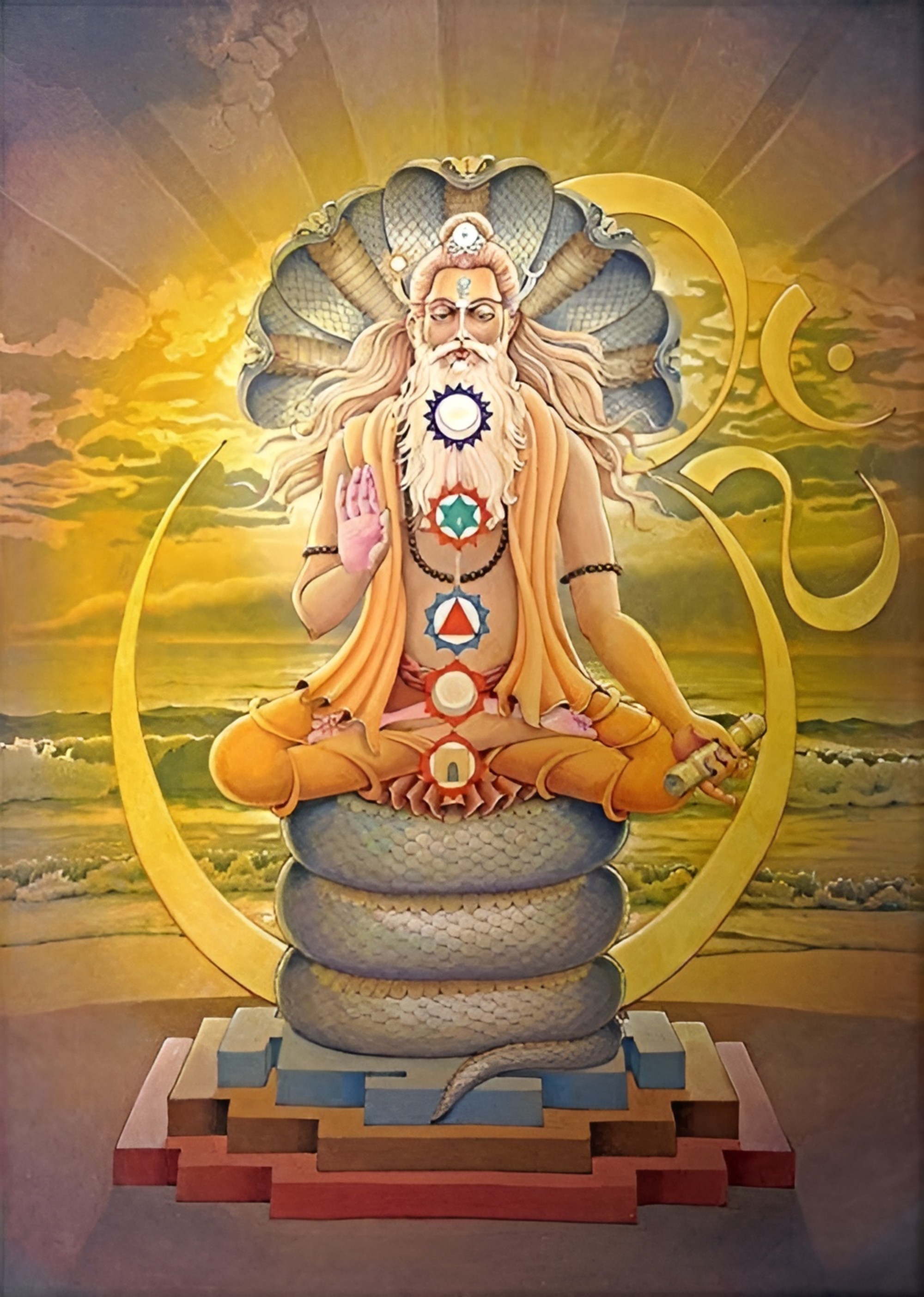
The Disturbance of the Seer: Understanding Patanjali's Insight
Patanjali's assertion, "What disturbs the mind disturbs the seer through identification," invites us to explore the intricate relationship between our thoughts and our true essence. This quote underscores the profound impact that mental disturbances have on our perception of reality. In a world rife with distractions and emotional turbulence, understanding this connection becomes essential for cultivating inner peace and clarity. The stakes are high; our ability to perceive life authentically hinges on our capacity to navigate the disturbances of the mind.
Delving deeper, we recognize that the mind often identifies with its thoughts, emotions, and external circumstances, leading to a distorted sense of self. This identification creates a veil that obscures the true nature of the seer—the observer within us that remains untouched by the chaos of the mind. By acknowledging this dynamic, we can begin to disentangle ourselves from the incessant chatter of our thoughts, allowing for a more profound connection to our authentic selves. The journey toward self-realization requires us to confront these disturbances and understand their influence on our perception.
The image / the metaphor
Patanjali's quote evokes a vivid image of a seer—an observer who witnesses the unfolding of life. The verb "disturbs" suggests a forceful interruption, highlighting the turbulence that arises when the mind is agitated. This disturbance is not merely a passive experience; it actively shapes the way the seer perceives reality. The imagery conjures a sense of duality: the mind, often chaotic and restless, stands in stark contrast to the stillness of the seer, who seeks clarity amidst the noise.
Going deeper into the metaphor, we can envision the mind as a turbulent ocean, with waves crashing and churning, while the seer represents a calm lighthouse standing firm against the storm. When the mind is disturbed, the light of the seer dims, clouding our judgment and perception. This metaphor serves as a reminder that our true essence remains constant, even when the mind is in turmoil. The challenge lies in recognizing this disturbance and returning to the stillness that resides within.
In the speaker's tradition
Patanjali's teachings are rooted in the ancient tradition of yoga, which emphasizes the importance of self-awareness and the cultivation of inner peace. Central to this tradition is the concept of dharma, or one's true path, which can be obscured by the disturbances of the mind. The practice of yoga encourages practitioners to engage in self-inquiry and mindfulness, allowing them to discern the difference between the transient thoughts of the mind and the eternal nature of the seer. This identification with the mind can lead to suffering, while recognizing the seer fosters liberation.
In the Yoga Sutras, Patanjali outlines the eight limbs of yoga, which serve as a guide for navigating the complexities of the mind. The practice of pratyahara, or withdrawal of the senses, is particularly relevant here, as it encourages individuals to turn inward and observe their thoughts without attachment. By cultivating this awareness, practitioners can begin to untangle themselves from the disturbances that cloud their perception, ultimately leading to a deeper understanding of their true nature.
Living the teaching
Consider a modern scenario where this teaching resonates: a busy professional overwhelmed by the demands of work and life. The constant barrage of emails, meetings, and deadlines creates a mental storm that clouds their judgment and sense of self. In this context, the disturbance of the mind manifests as stress and anxiety, leading to a disconnection from their true essence. By recognizing this dynamic, the individual can begin to implement practices such as mindfulness or meditation, allowing them to step back from the chaos and reconnect with the seer within.
In relationships, this teaching can also be profoundly impactful. Imagine a moment of conflict where emotions run high, and misunderstandings arise. The mind, caught in the throes of identification with anger or frustration, distorts the perception of the other person. By applying Patanjali's insight, one can pause to observe these disturbances without becoming entangled in them. This practice of detachment allows for clearer communication and a deeper understanding of the other, fostering compassion and connection rather than discord.
A reflection
As we contemplate Patanjali's wisdom, we are invited to reflect on the nature of our own disturbances. What thoughts or emotions currently cloud your perception of reality? By engaging with this question, we can begin to identify the ways in which our minds may be influencing our experience of life. In this inquiry lies the potential for transformation, as we learn to navigate the disturbances and reconnect with the stillness of the seer within.