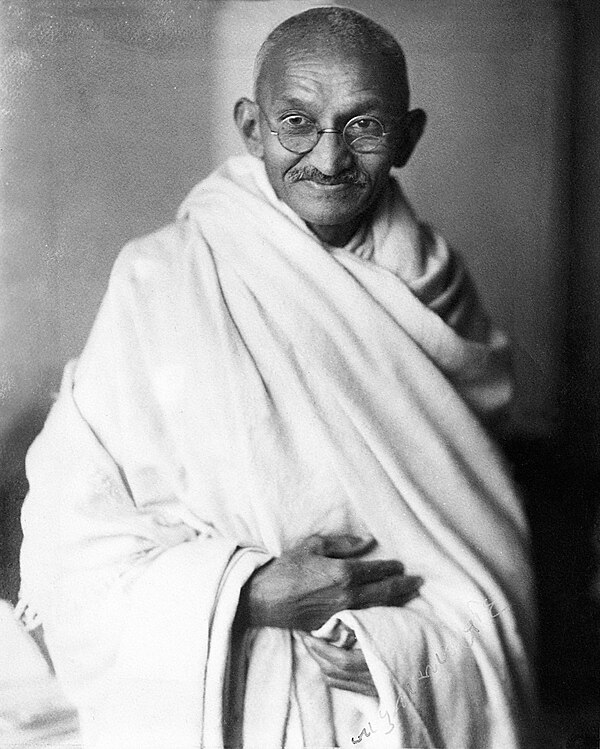
Mahatma Gandhi's succinct exhortation to "Be truthful, gentle, and fearless" encapsulates a profound ethical framework that resonates deeply within the human experience. In a world often fraught with deception, hostility, and fear, these three virtues serve as guiding lights, illuminating a path toward integrity and compassion. The stakes are high; our ability to navigate the complexities of life hinges on our commitment to these principles, which not only shape our character but also influence the lives of those around us.
To embody truthfulness, gentleness, and fearlessness is to engage in a transformative practice that challenges us to confront our own limitations and societal norms. Each of these qualities interweaves with the others, creating a tapestry of ethical living that demands both introspection and action. As we delve into the essence of Gandhi's words, we uncover the layers of meaning that invite us to cultivate a life rooted in authenticity, kindness, and the courage to stand firm in our convictions.
The image / the metaphor
The imagery of Gandhi's quote evokes a sense of balance and harmony among three seemingly distinct yet interconnected virtues. Truthfulness serves as the foundation, a solid ground upon which gentleness can flourish. The act of being truthful requires a fearless heart, one that is willing to confront uncomfortable realities and speak them into existence. Gentleness, in turn, softens the often harsh edges of truth, allowing it to be received with compassion rather than resistance.
Diving deeper into the metaphor, we see that each virtue is not merely a standalone quality but rather a dynamic interplay. Fearlessness does not imply a lack of fear; rather, it is the courage to act in spite of fear. This courage is fortified by truth, which provides clarity and direction, while gentleness ensures that our actions are infused with empathy. Together, they create a holistic approach to living that encourages us to engage with the world authentically and compassionately.
In the speaker's tradition
In the Bhagavad Gita, a foundational text in Hindu philosophy, we find echoes of Gandhi's teachings. Arjuna's struggle on the battlefield serves as a metaphor for the inner conflict we all face when confronted with difficult truths. Krishna's guidance to Arjuna emphasizes the importance of acting in accordance with one's dharma, embodying both truth and courage, while maintaining a sense of compassion for others. This interplay of virtues is not only central to Gandhi's philosophy but also deeply rooted in the spiritual traditions of India.
Living the teaching
Consider a modern scenario where the principles of truthfulness, gentleness, and fearlessness come into play: a workplace conflict. Imagine a colleague who consistently undermines your contributions. The instinct may be to retaliate or remain silent, but Gandhi's teachings invite a different approach. By addressing the issue truthfully, you can express your concerns directly, yet gently, fostering an environment of open communication. This requires the courage to confront the situation head-on, rather than allowing fear to dictate your response.
In a more personal context, think about a relationship where honesty has been lacking. Perhaps a friend has hurt you, and the fear of confrontation looms large. Embracing Gandhi's wisdom, you might choose to have an open and honest conversation, sharing your feelings with gentleness and respect. This act of vulnerability not only strengthens the bond but also cultivates a deeper understanding between you both. In both scenarios, the integration of truth, gentleness, and fearlessness transforms potential conflict into an opportunity for growth and connection.
A reflection
As we reflect on Gandhi's call to "Be truthful, gentle, and fearless," we are invited to consider how these virtues manifest in our own lives. What areas do we shy away from being truthful, and how might gentleness help us navigate those conversations? In what ways can we cultivate fearlessness in the face of our fears, allowing us to step into our truth with courage? These contemplative questions encourage us to explore the depths of our own character and the impact we can have on the world around us.