BrightStar

すべてのEventsを見る

意識ある集いに出会う

events

Yoga
Meditation
Breathwork
Qigong
Tai Chi
Sacred Music
World Music
Medicine Music
Sound Healing
Ecstatic Dance
人気の目的地
BaliSedonaLos AngelesCosta RicaNew YorkSan FranciscoAustinMiamiJoshua TreeTulum
すべてのカテゴリを見るすべての目的地を見る

すべての機能を探索

イベントを成長させる強力なツール

プラットフォーム機能

スマートダイナミックプライシング
チケットカテゴリ
座席指定
カート放棄リカバリー
訪問者リカバリー
寄付とスライディングスケール
アフィリエイトシステム
チケットスキャナー
クーポンコード
カスタム質問
チケット共有
アップセルとアドオン
分析とレポート
メールシーケンス
ウェイトリスト / 通知 / リマインダー
人と場所
Artists & TeachersEvent OrganizersVenues & StudiosKnowledge BaseGlossaryInspiration
すべての機能を見る私たちについて
料金ブログ
Language
Saved events
すべてのイベントを見る

events

YogaMeditationBreathworkQigongTai ChiSacred MusicWorld MusicMedicine Music

人気の目的地

BaliSedonaLos AngelesCosta RicaNew YorkSan Francisco

人と場所

Artists & TeachersEvent OrganizersVenues & StudiosKnowledge BaseGlossaryInspiration

プラットフォーム機能

スマートダイナミックプライシングチケットカテゴリ座席指定カート放棄リカバリー訪問者リカバリー寄付とスライディングスケールアフィリエイトシステムチケットスキャナークーポンコードカスタム質問チケット共有アップセルとアドオン分析とレポートメールシーケンスウェイトリスト / 通知 / リマインダー
すべての機能を見る私たちについて
料金ブログ
ログイン探求者クリエイター
  • すべてのイベントを見る
  • 探求者向け
  • ヨガ
  • 瞑想
  • ブレスワーク
  • 気功
  • 太極拳
  • 聖なる音楽
  • ワールドミュージック
  • メディスンミュージック
  • サウンドヒーリング
  • エクスタティックダンス
  • リトリート
  • ワークショップ
  • すべてのカテゴリ →
  • Bali
  • Sedona
  • Los Angeles
  • Costa Rica
  • Tulum
  • Byron Bay
  • San Francisco
  • Austin
  • New York
  • San Diego
  • Denver
  • Seattle
  • Portland
  • Miami
  • すべての都市 →
  • Join the Movement
  • Why we list
  • Sell Globally
  • クリエイター向け
  • チーム向け
  • ライター向け
  • 講師向け
  • キルタンアーティスト向け
  • スタジオ向け
  • フェスティバル向け
  • リトリートセンター向け
  • 非営利団体向け
  • ブランドアンバサダー
  • 無料チケット販売
  • Elevate
  • Amplify
  • 50万人以上のバイヤーネットワーク
  • カート放棄リカバリー
  • スマートダイナミックプライシング
  • チケットカテゴリ
  • 定期イベント
  • 座席指定
  • アフィリエイトシステム
  • ウェイトリスト / 通知
  • チケットスキャナー
  • 埋め込みウィジェット
  • イベント配信
  • メッセージセンター
  • インテグレーション
  • レポート
  • すべての機能 →
  • 概要
  • エコシステム
  • ブログ
  • 用語集
  • インスピレーション
  • ヘルプセンター
  • お問い合わせ
  • APIドキュメント
  • ブランドアセット
  • 採用
  • プレス
  • 利用規約
  • プライバシーポリシー

イベント

  • すべてのイベントを見る
  • 探求者向け
  • ヨガ
  • 瞑想
  • ブレスワーク
  • 気功
  • 太極拳
  • 聖なる音楽
  • ワールドミュージック
  • メディスンミュージック
  • サウンドヒーリング
  • エクスタティックダンス
  • リトリート
  • ワークショップ
  • すべてのカテゴリ →

目的地

  • Bali
  • Sedona
  • Los Angeles
  • Costa Rica
  • Tulum
  • Byron Bay
  • San Francisco
  • Austin
  • New York
  • San Diego
  • Denver
  • Seattle
  • Portland
  • Miami
  • すべての都市 →

クリエイター向け

  • Join the Movement
  • Why we list
  • Sell Globally
  • クリエイター向け
  • チーム向け
  • ライター向け
  • 講師向け
  • キルタンアーティスト向け
  • スタジオ向け
  • フェスティバル向け
  • リトリートセンター向け
  • 非営利団体向け
  • ブランドアンバサダー
  • 無料チケット販売
  • Elevate
  • Amplify

機能

  • 50万人以上のバイヤーネットワーク
  • カート放棄リカバリー
  • スマートダイナミックプライシング
  • チケットカテゴリ
  • 定期イベント
  • 座席指定
  • アフィリエイトシステム
  • ウェイトリスト / 通知
  • チケットスキャナー
  • 埋め込みウィジェット
  • イベント配信
  • メッセージセンター
  • インテグレーション
  • レポート
  • すべての機能 →

会社

  • 概要
  • エコシステム
  • ブログ
  • 用語集
  • インスピレーション
  • ヘルプセンター
  • お問い合わせ
  • APIドキュメント
  • ブランドアセット
  • 採用
  • プレス
  • 利用規約
  • プライバシーポリシー
BrightStar
アプリを入手
App StoreからApp StoreGoogle Playで手に入れようGoogle Play
© 2026 BrightStar. 全著作権所有.
Watch

The Road Not Taken: Reading Frost's Two Roads Slowly

Don Reed Simmons
Don Reed Simmons
Sep 11, 2011
読了 約8分
視聴 · 7

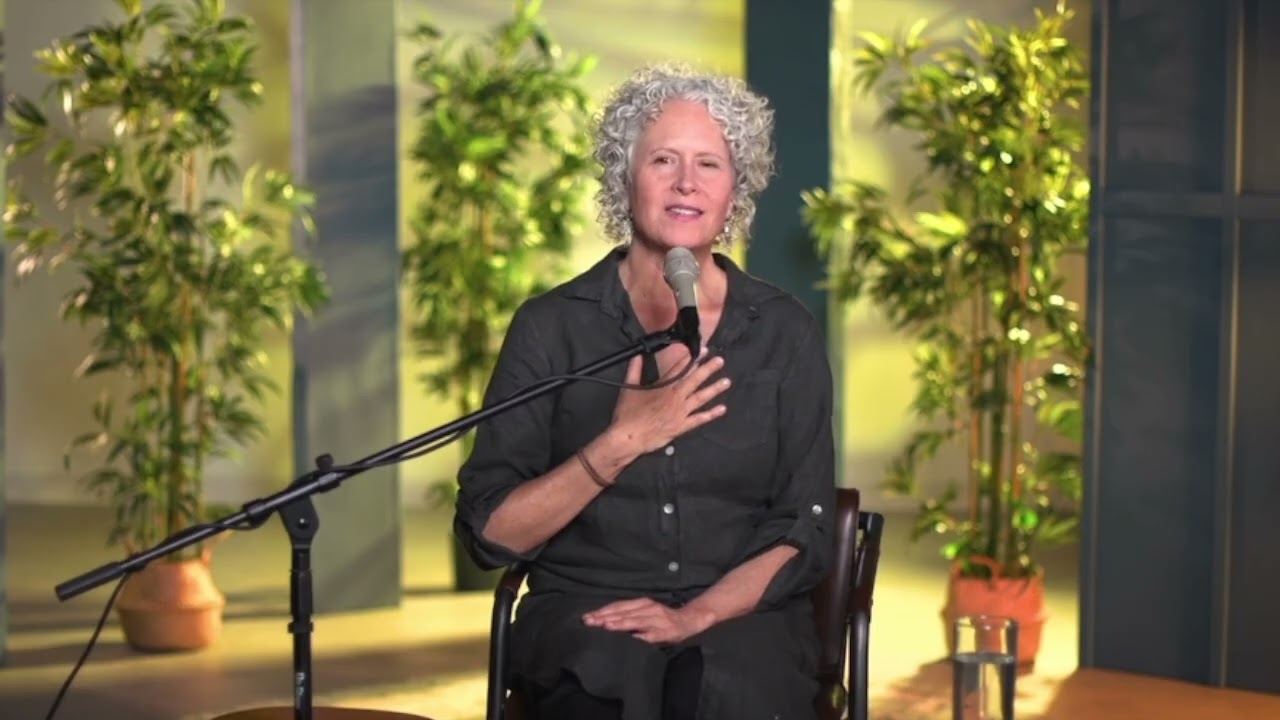
Picture a traveler in a yellow wood, late in the year, standing at a fork where the path splits in two and neither branch is clearly the right one. He looks down the first as far as he can see, to where it bends into the undergrowth. Then he turns and considers the other. That moment of standing still, weighing, unable to see the end of either road, is the whole scene of Robert Frost's "The Road Not Taken," and it is the scene Don Reed Simmons gives us in a recitation of less than two minutes. There is no commentary, no backdrop, no music. There is a voice, a poem, and a pause at the end that asks more of the listener than the poem seems to.

読む · 7セクション

What is Don Reed Simmons's recitation of "The Road Not Taken"?

The video is a straight reading of Frost's poem, uploaded under the title "The Road Not Taken" and described as a poem "classically thought of as an anthem of individualism." That description is the only framing the creator offers. The reading itself moves at an unhurried pace, and the transcript, which is a machine rendering and rough in places, still preserves the poem's architecture: four stanzas of unrhymed-looking but carefully turned lines, a traveler's hesitation, a choice, and a retrospective sigh projected into the far future.

Because the piece is so short, the value is in what a slow reading reveals. Most people carry a version of this poem in their heads that they learned in school, a neat summary about daring to be different. Hearing it again, line by line, exposes how much that summary leaves out.

Why do people read "The Road Not Taken" as an anthem of individualism?

The popular reading is easy to understand. The closing lines, as Simmons recites them, carry the emotional weight most listeners remember: "I took the one less traveled by, and that has made all the difference." Read quickly, that line sounds like a declaration. The speaker went against the crowd, and the result was a life that mattered. It is the sort of sentence that fits on a graduation card.

The description attached to the video names this reading directly, and it is a reasonable one. The poem does center a single person facing a choice alone. But the word "individualism" tends to bring a second assumption along with it: that the traveler knew which road was his own. The recitation makes that assumption hard to hold.

What does the poem actually say about the two roads?

Listen to the middle of the poem as Simmons delivers it. The speaker says the roads were "just as fair," and that the second one has "perhaps the better claim" because it was "grassy and wanted wear." Then the poem undercuts its own argument. The passing had worn both about the same, and "both that morning equally lay / in leaves." Neither road has been trodden. The speaker admits, in effect, that the fork offered no real evidence for either direction.

This is the detail that changes the poem. If the roads are nearly identical, then the difference the speaker describes cannot come from the roads. It has to come from somewhere else. The choice is made in a moment when the traveler has no data, and every reason he gives for preferring one path is a small, after-the-fact justification. The grassy path looks better because it was grassy. The leaves on the other path are "equally" soft. The sense of a clear, justified choice is something the speaker builds around a decision that was, at the time, close to arbitrary.

"Oh, I kept the first for another day. Yet knowing how way leads to way, I doubted if I should ever come back." (as recited in Don Reed Simmons's video)

That stanza, the one where the speaker keeps the first road "for another day," is where the poem reveals its real interest. He knows that every path branches into more paths. Choosing one does not close the others; it begins a sequence in which each step opens another fork. The speaker doubts he will return, which means the choice is not a single hinge but the start of a long drift.

Why does the poem end with a sigh that hasn't happened yet?

The final stanza, as the transcript renders it, is the strangest part. The speaker says he will be "telling this with a sigh / somewhere ages and ages hence." He is narrating the choice from a future he has not reached, and in that future he has already decided that the choice made "all the difference." Then the poem doubles back on itself and says the two roads diverged in a wood, and "I took the one less traveled by."

Look at the grammar of that last move. The difference is announced as settled history, but the speaker is still standing at the fork, still in the present tense of the decision. The meaning is not located in the road at all. It is located in the act of telling the story later, with a sigh, and in deciding what the earlier moment meant. Frost's speaker gives himself a difference that the terrain did not supply.

For a listener, this is the quiet turn that gives the poem its depth. We rarely know, while we are choosing, which path matters. We recognize the importance only in retrospect, and retrospect is an act of interpretation. The sigh belongs to the storyteller, and the storyteller gets to decide what was at stake.

What does "Just breathe" add to the poem?

The recitation does not end with the poem's last line. It closes with a repeated phrase, "Just breathe," spoken several times as the reading winds down. Those words are not in Frost's text. They are the video's own addition, and they change the pacing of everything before them.

Read in that light, the poem becomes a practice rather than a motto. "Just breathe" asks the listener to stay in the fork for a moment instead of rushing to the verdict. The traveler in the wood is doing exactly that: looking down one road as far as he can see, then turning to look at the other. Breath is the simplest form of that looking. It keeps the choice in the present, before the story about the choice has been finished.

There is a practical lesson here that does not require any special belief. When people hold up the poem as a call to individualism, they often want the same thing the poem seems to offer: certainty that a hard decision mattered. But the poem's own evidence says the roads were close, the reasons were thin, and the meaning came later. A slower reading lets the listener accept that uncertainty without needing to resolve it into a heroic story right away.

How should you read "The Road Not Taken" today?

If you have read or heard the poem many times, the most useful thing you can do is read it aloud at the speed of the traveler's hesitation. Notice the places where the speaker qualifies himself: "perhaps," "as just as fair," "really about the same." Notice the word "equally." Notice that the decisive difference is named only in the last lines and only from a distance. Each of these details pulls the poem away from the anthem it is often sold as, and toward something more honest about how choices are made and then remembered.

Simmons's recitation, brief as it is, supports that kind of reading. It gives the words room, and it ends by asking for a breath instead of a conclusion. Whether or not you take the poem as a call to individualism, the traveler's experience is familiar to anyone who has stood at a fork: the wood is yellow, the leaves are down, neither path is clearly marked, and the story about what happened will be written later.

Where to go from here

Watch the recitation once through without stopping, then listen again and pause at the line "I kept the first for another day." Notice what your body does in that pause. Then read the poem aloud yourself, slowly enough to take a breath at each comma. Finally, consider the question the poem leaves open: if the difference that made the difference was only visible later, what would change about how you choose right now, while the leaves are still undisturbed on both paths?

Comments

Loading the conversation…

Transcript

[0:06] two roads diverged in a yellow

[0:09] wood and sorry I could not travel both

[0:13] and be one traveler long I stood and

[0:16] looked down one as far as I could to

[0:19] where it bent in the

[0:22] undergrowth then took the other as just

[0:26] as fair and having perhaps the better

[0:29] claim because because it was grassy and

[0:32] wanted

[0:33] wear though as for that the passing

[0:37] there had warned them really about the

[0:41] same and both that morning equally lay

[0:45] in leaves snow step had trod in Black oh

[0:50] I kept the first for another

[0:52] day yet knowing how way leads to way I

[0:57] doubted if I should ever come back

[1:02] I shall be telling this with a sigh

[1:05] somewhere ages and ages hence two roads

[1:08] diverged in a wood and

[1:10] I I took the one L traveled

[1:14] by and that has made all the

[1:24] difference Just Breathe

[1:31] just

[1:36] breathe Just Breathe

Don Reed Simmons
ArtistDon Reed Simmons

Don Reed Simmons is a meditation teacher and shamanic practitioner whose path changed after a near-fatal scuba dive in Hawaii, and whose spirit guide became a Hawaiian kahuna he me…

プロフィールを見るウェブサイト
トピックを見る
Robert-frostThe-road-not-takenPoetry-readingMindful-readingChoice-and-retrospect

ご質問はありますか?

よくある質問

The poem is often read as a celebration of individualism, a traveler choosing the less-traveled path. A slower reading shows the two roads were nearly identical, so the difference the speaker claims was made in retrospect, through the story he tells later. Its meaning sits as much in how choices get remembered as in the choice itself.
Don Reed Simmons's video describes the poem as classically thought of as an anthem of individualism, and that reading is widespread. The poem's text, however, hedges repeatedly: the roads are 'just as fair' and 'equally' lay in leaves. That hedging complicates the individualist reading.
In the final stanza, as recited in the video, the speaker imagines telling this choice 'with a sigh somewhere ages and ages hence.' He speaks from a future vantage point, which suggests the significance of the choice is assigned later through narration rather than visible at the fork.
The line, as transcribed in the recitation, expresses the idea that each path branches into further paths. Choosing one road does not close the others; it begins a sequence of new forks, which is why the speaker doubts he will ever come back to the first.
'Just breathe' is not part of Frost's poem; it is added by the video itself and repeated as the reading closes. It invites the listener to remain in the moment of hesitation at the fork instead of rushing to a verdict about which choice was right.
Read it aloud at the pace of the traveler's hesitation, pausing at comma and line breaks. Notice qualifying words like 'perhaps,' 'really about the same,' and 'equally,' since they reveal where the speaker is uncertain. Listening to a recitation first, then reading aloud yourself, helps the rhythm sink in.

読みつづける

More from Don

すべて表示
Four Stages of Breathing: Renew, Reaffirm, Release, Review
Inspire

Four Stages of Breathing: Renew, Reaffirm, Release, Review

Don Reed Simmons breaks a single breath into four stages: renewal, reaffirmation, release, and review. Here is how each phase works and how …

1 min read
Temple of Sound 2011: An Evening of Sound Meditation
Inspire

Temple of Sound 2011: An Evening of Sound Meditation

A look at the 2011 Temple of Sound evening, an annual event from the International Sound Therapy Association that pairs guided sound meditat…

1 min read
Loving-Kindness Metta: How the Phrases Widen the Heart
Inspire

Loving-Kindness Metta: How the Phrases Widen the Heart

Brenda McMorrow's eight-minute guided metta meditation moves from self to all beings through three short phrases. Here is how the sequence w…

1 min read
When Your Spiritual Path Becomes a Burden on Others
Inspire

When Your Spiritual Path Becomes a Burden on Others

How to share your spiritual growth without preaching—and why the real work is transformation of self, not conversion of others.…

1 min read

探索を続ける

旅をつづける

BrightStarのディレクトリから、さらなる智慧と集いを。

もっと記事を読む

教え、インタビュー、ガイドのライブラリ全体をご覧ください。

すべての記事に戻る →

講師とアーティスト

コンシャスな世界の系譜、音楽家、導き手を探しましょう。

アーティストを探す →

イベントを見つける

キルタン、リトリート、サウンドバス、ブレスワーク、フェスティバル — まもなく開かれます。

イベントを見る →