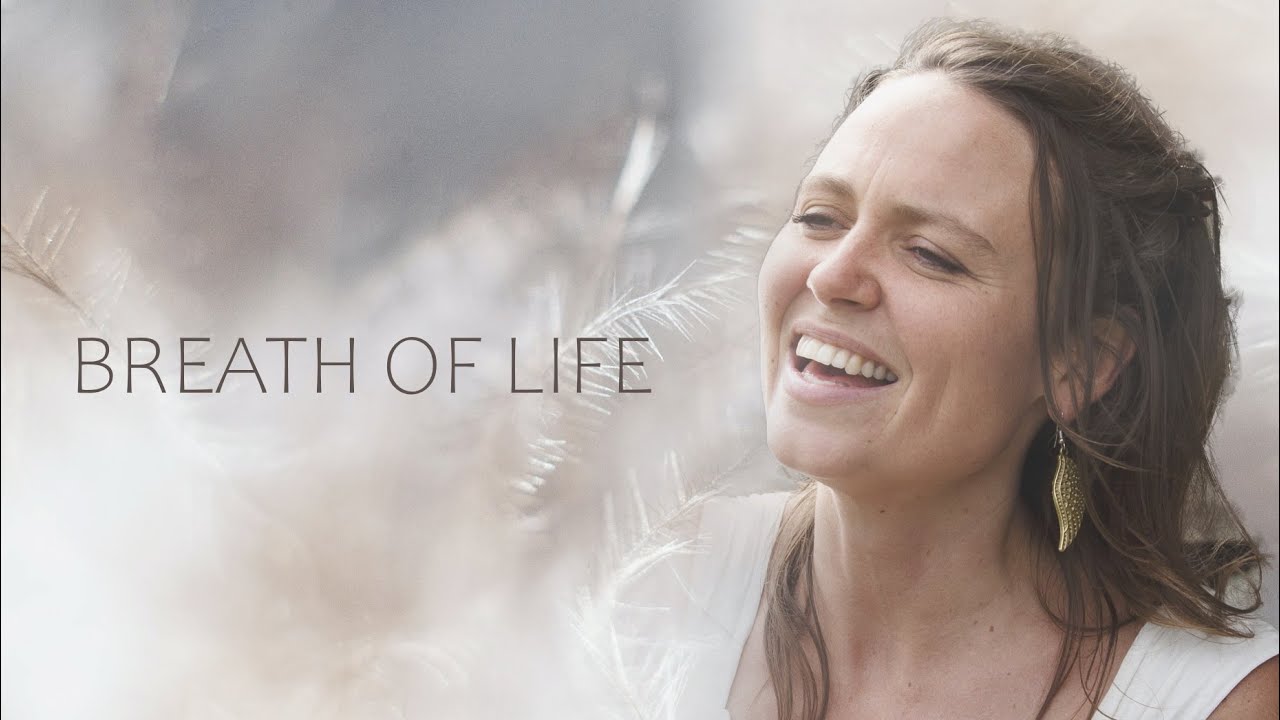
Some songs are written in studios and some are written in exhaustion. "Window to Freedom," by the English singer-songwriter Susie Ro, belongs to the second kind: a seven-minute video stitched together from phone clips and a rough Zoom recording, made on the flight home from a long stretch of travel in Central America, built around a single hard-won admission that the search itself is the thing that keeps a person from being free. The song is short, the lyrics are plain, and the central image is a traveller carrying a broken treasure map and a compass that only spins her in circles. Underneath that image is a teaching that is older than any one songwriter: the window to freedom is not somewhere ahead on the road. It is the moment you are standing in.
Susie Ro opens the video not with the song but with a confession. "This song came from a place where I just completely came to the end of my tether," she says at the very start (0:00), describing a state of mind she was watching closely: "my addiction to control and trying to micromanage my experiences," always "searching and pushing," looking for approval and for love from others, and seeking peace in a way she calls desperate. That is an unusually candid place to begin a piece of music, and it sets the emotional key for everything that follows. The song is not a view from the mountaintop. It is written by someone who has been exhausted by her own striving.
The circumstances are specific, and she gives them in the video's description. She wrote the song "during my travels in Central America," shot the clips on her phone at Inanitah, a community in Nicaragua, during her final week away, and recorded the vocal in what she describes as the community's "beautiful cob temple - where the wind still blows in!" That detail matters. A cob building is made of earth and straw, a structure that is open to weather in a way a sealed studio is not, and the recording carries that openness: the room is part of the sound. She also thanks the community "for inspiring this video," and the description is careful to say that the trip held "so many inner journeys (not all easy!)."
There is a practical honesty in the way the piece was made, too. The audio is imperfect and the footage was assembled in transit. Rather than polishing that away, the video leaves it visible. For a song about giving up the need to control every experience, releasing the need for a perfect take is a fitting choice.
The first verse of the song is built on two objects every seeker recognises. The first is a treasure map: "Come take from me the broken pieces / Of this treasure map that I have been carrying." The second is a compass: "the broken pieces of / This compass that keeps turning me round in circles." Both are tools for finding something. A treasure map promises a destination and a reward; a compass promises direction. The song's gesture is to ask someone, or something, to take them away.
What the traveller is asking to be relieved of is not travel itself but the belief that the goal lies somewhere else. Notice how often the verses repeat the same structure: "this search for home is over," "this search for love is over," "this search for peace is over," and finally "this search for freedom is over." The song treats home, love, peace and freedom as one search wearing four coats. Each time the traveller gets close to one, the next one appears, and the compass keeps turning her in circles because it is calibrated to a destination that keeps moving.
The verse also contains a line that is easy to skim past: "With compassion for this traveller / For she knows not what she is looking for." This is the song's tenderest move. It does not scold the seeker for being lost. It describes her as someone who does not even know what she is after, and it asks for compassion in place of judgment. That posture is central to how Ro frames the whole thing. The remedy for a restless search is not a sharper map. It is gentleness toward the person who has been searching so hard.
The chorus is the hinge of the song, and its logic is deliberately simple:
"Freedom isn't coming tomorrow / The window to freedom is now / Freedom isn't waiting for you to become somebody / The window to freedom is now."
Those lines take apart two of the most common ways people postpone their own lives. The first is the deferred future, the belief that freedom will arrive once the circumstances are right: the next job, the next relationship, the next stage of spiritual progress. The second is subtler and more painful, the belief that you must first become a certain kind of person, more accomplished, more calm, more worthy, before you are allowed to be free at all. The chorus rejects both. Freedom is not a reward for becoming somebody. It is available in the window that is already open.
Ro's own description of the trip lands in the same place. Writing in the video's description, she says: "I'm realising there is no 'right place to be' or 'right decision' - everything is simply an opportunity to be present, feel it all and be human!" The exclamation mark is characteristic, but the idea is serious. If there is no right place, then the search for the right place is itself a fiction, and the only live question is whether you are here for what is happening.
The second verse turns from the external map to the internal motive. "When under my words and behind my actions / I am seeking for love or needing validation," the singer admits, and then makes a request: "May my actions spring from stillness within." This is a sharp observation about how most striving works. We rarely experience our own pursuit of approval as pursuit. It hides inside ordinary speech and ordinary deeds, a kindness that is really a bid for applause, a decision that is really a need to be seen.
The song's answer is not to suppress action but to change its source. "Clear sight, sharp arrow, conscious motivation" is a compact list of what the actor might want instead: clarity about where one's energy is going, precision about what one is aiming at, and motivation that the person has chosen consciously rather than inherited from fear. The phrase "that reminds me that this search for love is over" ties this back to the refrain. When action springs from stillness, love is no longer something to be fetched from outside, because the person is already acting from inside it.
This is the part of the song where many listeners will recognise themselves. Ro names the addiction to control at the start, and this verse shows its mechanics: the need to manage outcomes, to be liked, to be right. The remedy is not to stop caring about outcomes. It is to notice the motive underneath the act.
The third movement shifts from restlessness toward grounding. "With each new day I can choose to be / With my hands in the earth and my mind in my feet." The image is physical and specific. Hands in earth and mind in the feet describe a body that is settled, attention moving down from the head into the ground. For a traveller, and for a person caught in an anxious mind, that is a very different posture from the one the first verse describes, where the feet and eyes are weary from seeking.
The song then reaches its quiet conclusion: "Oh simplicity your ways are teaching me / With my roots growing down in this moment I am free." The word "simplicity" carries weight here. It is not a call to renounce everything. It is a recognition that freedom is not complicated, and that the complexity was in the striving. Roots growing down are a slow image, the opposite of the frantic compass. They suggest that the window to freedom is not opened by effort on the surface but by settling into what is present.
The video's final stretch is less a conclusion than a return. The chorus comes back, the request to "remind me" repeats, and the song leaves its listener with the same instruction it began with. That circularity is intentional. A compass that spins in circles is the image of the seeker; a song that circles back to its own refrain is the image of someone who has stopped needing a new destination.
It would be easy to file "Window to Freedom" as a travel diary with a pleasant melody. But the most useful way to hear it is as a set of questions a reader can actually use. Where in your life is a search for home, love, peace or freedom still running in the background, with a compass that keeps pointing at a future version of you? Which of your actions are springing from stillness, and which are performing for approval? Is there a window open right now that you have been waiting to deserve?
Ro's own closing reflection in the description offers the most generous answer: that everything is an opportunity to be present, to feel it all, and to be human. The description adds, in her words, that the trip included "so many inner journeys (not all easy!)." She does not pretend the lesson was painless. What she offers is a way of meeting difficulty without treating it as a detour from the real destination.
Watch the video once for the sound and the place, then read the lyrics slowly and notice where the verses repeat "this search is over" and where the refrain insists "the window to freedom is now." The cob temple and the wind coming through it are part of the experience; the song was recorded in a room that breathes. For more on Susie Ro's work, visit susiero.com. Ro also points to the Inanitah community in Nicaragua, which she describes as "such an amazing place to visit or volunteer," at inanitah.com. The most practical next step is smaller than either: take one ordinary moment today, notice the search running underneath it, and let yourself be exactly where you already are.