BrightStar

すべてのEventsを見る

意識ある集いに出会う

events

Yoga
Meditation
Breathwork
Qigong
Tai Chi
Sacred Music
World Music
Medicine Music
Sound Healing
Ecstatic Dance
人気の目的地
BaliSedonaLos AngelesCosta RicaNew YorkSan FranciscoAustinMiamiJoshua TreeTulum
すべてのカテゴリを見るすべての目的地を見る

すべての機能を探索

イベントを成長させる強力なツール

プラットフォーム機能

スマートダイナミックプライシング
チケットカテゴリ
座席指定
カート放棄リカバリー
訪問者リカバリー
寄付とスライディングスケール
アフィリエイトシステム
チケットスキャナー
クーポンコード
カスタム質問
チケット共有
アップセルとアドオン
分析とレポート
メールシーケンス
ウェイトリスト / 通知 / リマインダー
人と場所
Artists & TeachersEvent OrganizersVenues & StudiosKnowledge BaseGlossaryInspiration
すべての機能を見る私たちについて
料金ブログ
Language
Saved events
すべてのイベントを見る

events

YogaMeditationBreathworkQigongTai ChiSacred MusicWorld MusicMedicine Music

人気の目的地

BaliSedonaLos AngelesCosta RicaNew YorkSan Francisco

人と場所

Artists & TeachersEvent OrganizersVenues & StudiosKnowledge BaseGlossaryInspiration

プラットフォーム機能

スマートダイナミックプライシングチケットカテゴリ座席指定カート放棄リカバリー訪問者リカバリー寄付とスライディングスケールアフィリエイトシステムチケットスキャナークーポンコードカスタム質問チケット共有アップセルとアドオン分析とレポートメールシーケンスウェイトリスト / 通知 / リマインダー
すべての機能を見る私たちについて
料金ブログ
ログイン探求者クリエイター
  • すべてのイベントを見る
  • 探求者向け
  • ヨガ
  • 瞑想
  • ブレスワーク
  • 気功
  • 太極拳
  • 聖なる音楽
  • ワールドミュージック
  • メディスンミュージック
  • サウンドヒーリング
  • エクスタティックダンス
  • リトリート
  • ワークショップ
  • すべてのカテゴリ →
  • Bali
  • Sedona
  • Los Angeles
  • Costa Rica
  • Tulum
  • Byron Bay
  • San Francisco
  • Austin
  • New York
  • San Diego
  • Denver
  • Seattle
  • Portland
  • Miami
  • すべての都市 →
  • Join the Movement
  • Why we list
  • Sell Globally
  • クリエイター向け
  • チーム向け
  • ライター向け
  • 講師向け
  • キルタンアーティスト向け
  • スタジオ向け
  • フェスティバル向け
  • リトリートセンター向け
  • 非営利団体向け
  • ブランドアンバサダー
  • 事例紹介
  • 無料チケット販売
  • Elevate
  • Amplify
  • 50万人以上のバイヤーネットワーク
  • カート放棄リカバリー
  • スマートダイナミックプライシング
  • チケットカテゴリ
  • 定期イベント
  • 座席指定
  • アフィリエイトシステム
  • ウェイトリスト / 通知
  • チケットスキャナー
  • 埋め込みウィジェット
  • イベント配信
  • メッセージセンター
  • インテグレーション
  • レポート
  • すべての機能 →
  • 概要
  • エコシステム
  • ブログ
  • 用語集
  • インスピレーション
  • ヘルプセンター
  • お問い合わせ
  • APIドキュメント
  • ブランドアセット
  • 採用
  • プレス
  • 利用規約
  • プライバシーポリシー

イベント

  • すべてのイベントを見る
  • 探求者向け
  • ヨガ
  • 瞑想
  • ブレスワーク
  • 気功
  • 太極拳
  • 聖なる音楽
  • ワールドミュージック
  • メディスンミュージック
  • サウンドヒーリング
  • エクスタティックダンス
  • リトリート
  • ワークショップ
  • すべてのカテゴリ →

目的地

  • Bali
  • Sedona
  • Los Angeles
  • Costa Rica
  • Tulum
  • Byron Bay
  • San Francisco
  • Austin
  • New York
  • San Diego
  • Denver
  • Seattle
  • Portland
  • Miami
  • すべての都市 →

クリエイター向け

  • Join the Movement
  • Why we list
  • Sell Globally
  • クリエイター向け
  • チーム向け
  • ライター向け
  • 講師向け
  • キルタンアーティスト向け
  • スタジオ向け
  • フェスティバル向け
  • リトリートセンター向け
  • 非営利団体向け
  • ブランドアンバサダー
  • 事例紹介
  • 無料チケット販売
  • Elevate
  • Amplify

機能

  • 50万人以上のバイヤーネットワーク
  • カート放棄リカバリー
  • スマートダイナミックプライシング
  • チケットカテゴリ
  • 定期イベント
  • 座席指定
  • アフィリエイトシステム
  • ウェイトリスト / 通知
  • チケットスキャナー
  • 埋め込みウィジェット
  • イベント配信
  • メッセージセンター
  • インテグレーション
  • レポート
  • すべての機能 →

会社

  • 概要
  • エコシステム
  • ブログ
  • 用語集
  • インスピレーション
  • ヘルプセンター
  • お問い合わせ
  • APIドキュメント
  • ブランドアセット
  • 採用
  • プレス
  • 利用規約
  • プライバシーポリシー
BrightStar
© 2026 BrightStar. 全著作権所有.
Inspiration

Return to Love: A Guide to Healing Through Kindness

Selena Lael
Selena Lael
Oct 14, 2026
読了 約6分

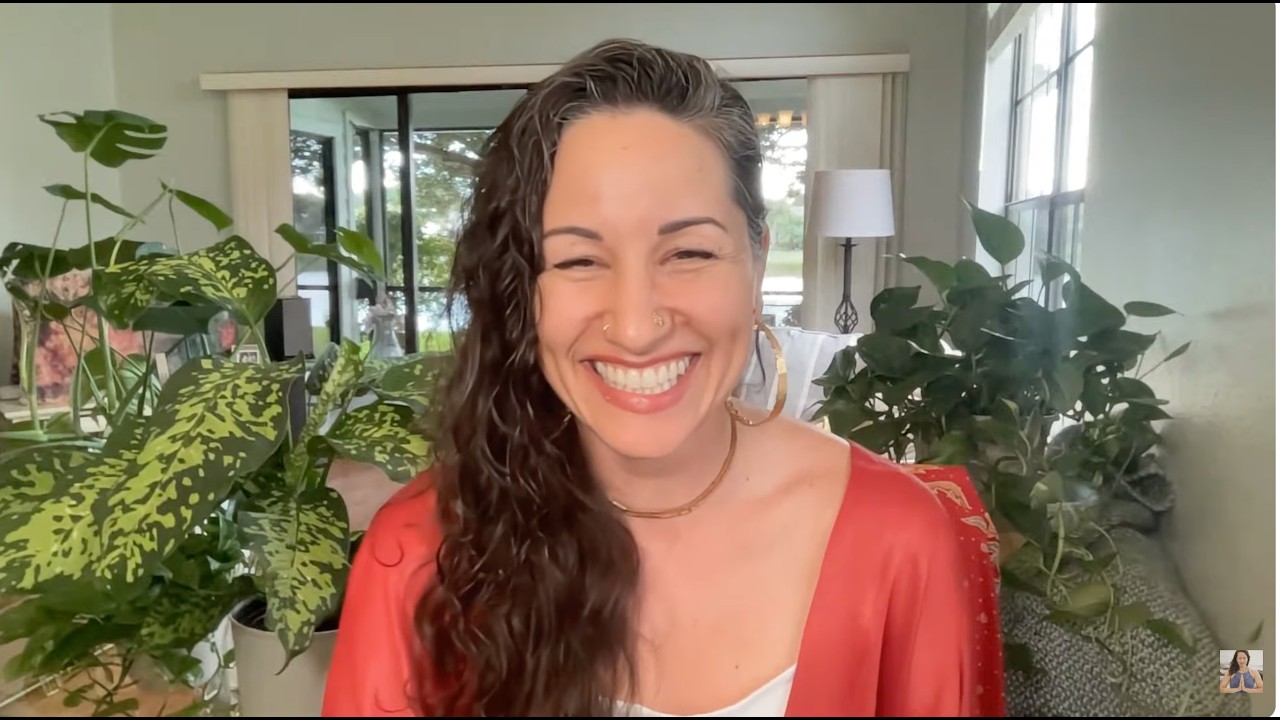
In a world that pulls us outward constantly—toward productivity, performance, and perpetual self-improvement—there exists a counterintuitive act of rebellion: the deliberate return to love. Not love as sentiment, but love as a foundational practice; a deliberate turning toward kindness, first for oneself, then naturally radiating outward. This is the landscape Selena Lael inhabits, a self-love mentor and dharma teacher who structures healing experiences around the premise that wholeness begins with pause, breath, and the permission to be held by community.

読む · 7セクション

What Does "Return to Love" Mean in Practice?

The phrase "return" carries weight here. It suggests that love—in its purest form, as acceptance and benevolence—is not something to be earned or constructed, but rather recovered. Most contemplative traditions teach that beneath the noise of self-judgment, fear, and conditioning lies an inherent capacity for compassion. The work, then, is not to build something new but to clear the path back to what was always present. This distinction matters. It shifts the inquiry from "How do I become more loving?" to "What prevents me from recognizing the love that already exists?"

A return to love in practice looks like deliberate pause. In a culture engineered for constant motion, the act of stopping—truly stopping—becomes a revolutionary gesture. It creates space for what Lael's teaching framework addresses: the body's held tension, the mind's repetitive loops, the heart's protective walls, and the soul's hunger for meaning and connection.

The Architecture of a Healing Experience

Lael structures her community gatherings around interlocking modalities, each serving a specific function in the return to wholeness. Meditation anchors the experience—a seated practice that trains attention and reveals the mind's habitual patterns. From that foundation of stillness, conscious breathing (pranayama in yogic tradition) works as both regulatory and revelatory tool. The breath bridges body and mind; regulated breathing signals the nervous system that safety is possible, while conscious breath awareness illuminates how emotion literally lives in the body.

Dharma talk—teachings drawn from Buddhist, yogic, and wisdom traditions—provides intellectual and philosophical ground. But dharma in this context is not abstract philosophy. It speaks directly to the obstacles that keep practitioners locked in self-rejection: perfectionism, shame, the belief that love must be earned. It names these patterns and offers alternative frameworks.

The inclusion of community connection recognizes what neuroscience has confirmed: humans heal in relationship. Loneliness and isolation deepen the wound; witnessed presence reverses it. A gathering structured around loving-kindness becomes a permission slip—"You are allowed to be here exactly as you are"—that individuals often cannot grant themselves alone.

How Does the Body Factor Into Loving-Kindness?

Self-love is not a thought experiment. It lives in the nervous system, the breath, the muscles, the organs. When someone carries chronic self-judgment, that judgment is not abstract; it manifests as tension in the jaw, shallow breathing, a collapsed chest, or rigidity in the spine. The body keeps score, as trauma researcher Bessel van der Kolk has documented, and the body is also where recovery begins.

Breathwork in a loving-kindness context serves this direct function: it teaches the physiology of safety. Extended exhalations activate the parasympathetic nervous system—the body's brake pedal. This physiological shift then makes the mental practice of self-compassion feel possible rather than performative. You cannot cognitively convince yourself to be kind if your nervous system is in a state of threat; the body must be invited into a different story first.

The Architecture of Community Healing

One of the most overlooked aspects of modern self-help is its fundamental loneliness. The individual is positioned as the unit of change: "Fix yourself. Optimize yourself. Heal yourself." But this framework reproduces the exact isolation and self-scrutiny that created the wound in the first place. A community experience oriented toward loving-kindness flips this. The individual is contextualized within the larger organism of the group; healing becomes mutual and witnessed.

In such spaces, participants often report a simple but transformative realization: other people are struggling with the same self-doubt, the same perfectionism, the same fear of not being enough. This recognition—"I am not uniquely broken"—is itself a form of medicine. It breaks the spell of shame, which thrives in isolation and secrecy.

Why Pause Matters More Than Intensity

There is a cultural myth that healing requires intensity: intense therapy, intense workouts, intense self-examination. But pause operates differently. Pause is the space where the nervous system can finally exhale. It is where habitual reactivity loses its grip. In pause, you are not trying to become someone better; you are simply here. That simplicity—the sheer permission to exist without agenda—is radical in a world structured around endless becoming.

Lael's framework honors this. By opening with meditation and breathwork before dharma talk, the teaching is not imposed on an agitated mind. The mind has been invited into quiet. From that ground, words land differently. They are heard, not just processed.

The Nourishment of Body, Mind, Heart, and Soul

These four dimensions of being are often compartmentalized in Western wellness culture. The body gets a yoga class. The mind gets therapy or self-help. The heart gets therapy again. The soul gets religion or spirituality, if anything. But they are not separate systems; they are an integrated whole. A pain in the body speaks to an emotion in the heart. An unexpressed grief affects the mind's clarity. A disconnection from soul-level meaning leaches vitality from all dimensions.

A teaching structure that explicitly names and honors all four domains recognizes this integration. Meditation nourishes the mind and soul simultaneously. Breathwork nourishes the nervous system (body) and brings presence (mind). Dharma talk speaks to the heart's deepest questions about meaning and belonging. Community connection nourishes all four, the experience of being truly seen and met activating the full spectrum of human aliveness.

Where to go from here

If this framework resonates, the first gesture is the simplest: pause. Not in pursuit of anything, but as an act of permission. Sit for five minutes with your breath. Notice what arises without trying to fix it. Investigate the possibility that beneath your self-judgment might lie a wellspring of natural kindness toward yourself—not as a goal, but as something already present, waiting to be recognized. Consider seeking out a community space, whether a meditation group, a dharma gathering, or a healing circle, where your presence is welcomed as it is. The return to love is not a solo journey; it happens in the turning toward yourself and, by extension, toward others who are doing the same work. That mutual turning, witnessed and held, is where real transformation lives.
Comments

Loading the conversation…

Selena Lael
ArtistSelena Lael

Selena Lael is an international spiritual teacher and transformational guide whose work is rooted in a profound truth: each of us is already whole, worthy, and

プロフィールを見るウェブサイト
トピックを見る
Loving-kindnessSelf-loveMeditationDharmaHealing-community

ご質問はありますか?

よくある質問

Loving-kindness meditation is a practice centered on cultivating compassion and benevolence—first toward oneself, then gradually extending to others. Unlike focused-attention meditation, which emphasizes breath or a single object, loving-kindness actively generates positive emotion and goodwill, making it particularly effective for softening self-judgment and building emotional resilience.
Conscious breathing directly communicates safety to the nervous system. Extended exhalations activate the parasympathetic nervous system (the body's relaxation response), allowing the physiology to shift out of threat mode. This physical shift then makes mental practices like self-compassion feel possible rather than forced or performative.
Humans heal in relationship, not in isolation. Community gatherings provide witnessed presence and mutual recognition—the experience of being truly seen and met. This breaks the spell of shame, which thrives in secrecy, and allows individuals to recognize their struggles are not uniquely their own, which is itself deeply healing.
Yes. Loving-kindness practice directly addresses the root of anxiety and self-judgment by training the mind to generate compassion toward oneself. Combined with breathwork that settles the nervous system, it creates conditions where self-acceptance becomes not a goal but an increasingly natural state.
Dharma teachings offer philosophical and practical frameworks drawn from wisdom traditions, addressing core obstacles to wellbeing like perfectionism, shame, and the belief that love must be earned. Unlike much contemporary self-help, dharma speaks to the soul-level dimensions of meaning and belonging, not just personal optimization.
These four dimensions are integrated, not separate. A healing experience that honors all four recognizes that physical tension holds emotion, that unexpressed grief clouds mental clarity, and that disconnection from meaning depletes vitality across all levels. Practices like meditation, breathwork, dharma talk, and community connection address this wholeness simultaneously.

読みつづける

More from Selena

すべて表示
Stop Self-Judgment: Building Inner Compassion
Inspire

Stop Self-Judgment: Building Inner Compassion

Discover why your inner critic feels relentless and learn grounded practices to replace self-judgment with genuine compassion and acceptance…

1 min read
How Your Brain Responds to Thoughts as if They Were Real
Inspire

How Your Brain Responds to Thoughts as if They Were Real

Your brain cannot distinguish between imagined scenarios and actual events, causing your body to react to thoughts as reality. Learning to d…

1 min read
Nice vs. Loving Kindness: Why Being Kind Starts Inside
Inspire

Nice vs. Loving Kindness: Why Being Kind Starts Inside

Most people who resolve to be kinder find the resolve slipping within days. Eckhart Tolle's short talk on loving kindness argues the fault i…

1 min read
Trade My Troubles: How Appalachian Songcraft Became Witness
Inspire

Trade My Troubles: How Appalachian Songcraft Became Witness

Rising Appalachia's new film turns grief into craft—tracing Hurricane Helene's devastation through music, dance, and ancestral tradition.…

1 min read

探索を続ける

旅をつづける

BrightStarのディレクトリから、さらなる智慧と集いを。

もっと記事を読む

教え、インタビュー、ガイドのライブラリ全体をご覧ください。

すべての記事に戻る →

講師とアーティスト

コンシャスな世界の系譜、音楽家、導き手を探しましょう。

アーティストを探す →

イベントを見つける

キルタン、リトリート、サウンドバス、ブレスワーク、フェスティバル — まもなく開かれます。

イベントを見る →

