BrightStar

すべてのEventsを見る

意識ある集いに出会う

events

Yoga
Meditation
Breathwork
Qigong
Tai Chi
Sacred Music
World Music
Medicine Music
Sound Healing
Ecstatic Dance
人気の目的地
BaliSedonaLos AngelesCosta RicaNew YorkSan FranciscoAustinMiamiJoshua TreeTulum
すべてのカテゴリを見るすべての目的地を見る

すべての機能を探索

イベントを成長させる強力なツール

プラットフォーム機能

スマートダイナミックプライシング
チケットカテゴリ
座席指定
カート放棄リカバリー
訪問者リカバリー
寄付とスライディングスケール
アフィリエイトシステム
チケットスキャナー
クーポンコード
カスタム質問
チケット共有
アップセルとアドオン
分析とレポート
メールシーケンス
ウェイトリスト / 通知 / リマインダー
人と場所
Artists & TeachersEvent OrganizersVenues & StudiosKnowledge BaseGlossaryInspiration
すべての機能を見る私たちについて
料金ブログ
Language
Saved events
すべてのイベントを見る

events

YogaMeditationBreathworkQigongTai ChiSacred MusicWorld MusicMedicine Music

人気の目的地

BaliSedonaLos AngelesCosta RicaNew YorkSan Francisco

人と場所

Artists & TeachersEvent OrganizersVenues & StudiosKnowledge BaseGlossaryInspiration

プラットフォーム機能

スマートダイナミックプライシングチケットカテゴリ座席指定カート放棄リカバリー訪問者リカバリー寄付とスライディングスケールアフィリエイトシステムチケットスキャナークーポンコードカスタム質問チケット共有アップセルとアドオン分析とレポートメールシーケンスウェイトリスト / 通知 / リマインダー
すべての機能を見る私たちについて
料金ブログ
ログイン探求者クリエイター
  • すべてのイベントを見る
  • 探求者向け
  • ヨガ
  • 瞑想
  • ブレスワーク
  • 気功
  • 太極拳
  • 聖なる音楽
  • ワールドミュージック
  • メディスンミュージック
  • サウンドヒーリング
  • エクスタティックダンス
  • リトリート
  • ワークショップ
  • すべてのカテゴリ →
  • Bali
  • Sedona
  • Los Angeles
  • Costa Rica
  • Tulum
  • Byron Bay
  • San Francisco
  • Austin
  • New York
  • San Diego
  • Denver
  • Seattle
  • Portland
  • Miami
  • すべての都市 →
  • Join the Movement
  • Why we list
  • Sell Globally
  • クリエイター向け
  • チーム向け
  • ライター向け
  • 講師向け
  • キルタンアーティスト向け
  • スタジオ向け
  • フェスティバル向け
  • リトリートセンター向け
  • 非営利団体向け
  • ブランドアンバサダー
  • 無料チケット販売
  • Elevate
  • Amplify
  • 50万人以上のバイヤーネットワーク
  • カート放棄リカバリー
  • スマートダイナミックプライシング
  • チケットカテゴリ
  • 定期イベント
  • 座席指定
  • アフィリエイトシステム
  • ウェイトリスト / 通知
  • チケットスキャナー
  • 埋め込みウィジェット
  • イベント配信
  • メッセージセンター
  • インテグレーション
  • レポート
  • すべての機能 →
  • 概要
  • エコシステム
  • ブログ
  • 用語集
  • インスピレーション
  • ヘルプセンター
  • お問い合わせ
  • APIドキュメント
  • ブランドアセット
  • 採用
  • プレス
  • 利用規約
  • プライバシーポリシー

イベント

  • すべてのイベントを見る
  • 探求者向け
  • ヨガ
  • 瞑想
  • ブレスワーク
  • 気功
  • 太極拳
  • 聖なる音楽
  • ワールドミュージック
  • メディスンミュージック
  • サウンドヒーリング
  • エクスタティックダンス
  • リトリート
  • ワークショップ
  • すべてのカテゴリ →

目的地

  • Bali
  • Sedona
  • Los Angeles
  • Costa Rica
  • Tulum
  • Byron Bay
  • San Francisco
  • Austin
  • New York
  • San Diego
  • Denver
  • Seattle
  • Portland
  • Miami
  • すべての都市 →

クリエイター向け

  • Join the Movement
  • Why we list
  • Sell Globally
  • クリエイター向け
  • チーム向け
  • ライター向け
  • 講師向け
  • キルタンアーティスト向け
  • スタジオ向け
  • フェスティバル向け
  • リトリートセンター向け
  • 非営利団体向け
  • ブランドアンバサダー
  • 無料チケット販売
  • Elevate
  • Amplify

機能

  • 50万人以上のバイヤーネットワーク
  • カート放棄リカバリー
  • スマートダイナミックプライシング
  • チケットカテゴリ
  • 定期イベント
  • 座席指定
  • アフィリエイトシステム
  • ウェイトリスト / 通知
  • チケットスキャナー
  • 埋め込みウィジェット
  • イベント配信
  • メッセージセンター
  • インテグレーション
  • レポート
  • すべての機能 →

会社

  • 概要
  • エコシステム
  • ブログ
  • 用語集
  • インスピレーション
  • ヘルプセンター
  • お問い合わせ
  • APIドキュメント
  • ブランドアセット
  • 採用
  • プレス
  • 利用規約
  • プライバシーポリシー
BrightStar
アプリを入手
App StoreからApp StoreGoogle Playで手に入れようGoogle Play
© 2026 BrightStar. 全著作権所有.
Inspiration

Is Meditation a Religious Practice? A Mind-Exercise View

Saqib Rizvi
Saqib Rizvi
Aug 14, 2018
読了 約7分
視聴 · 6

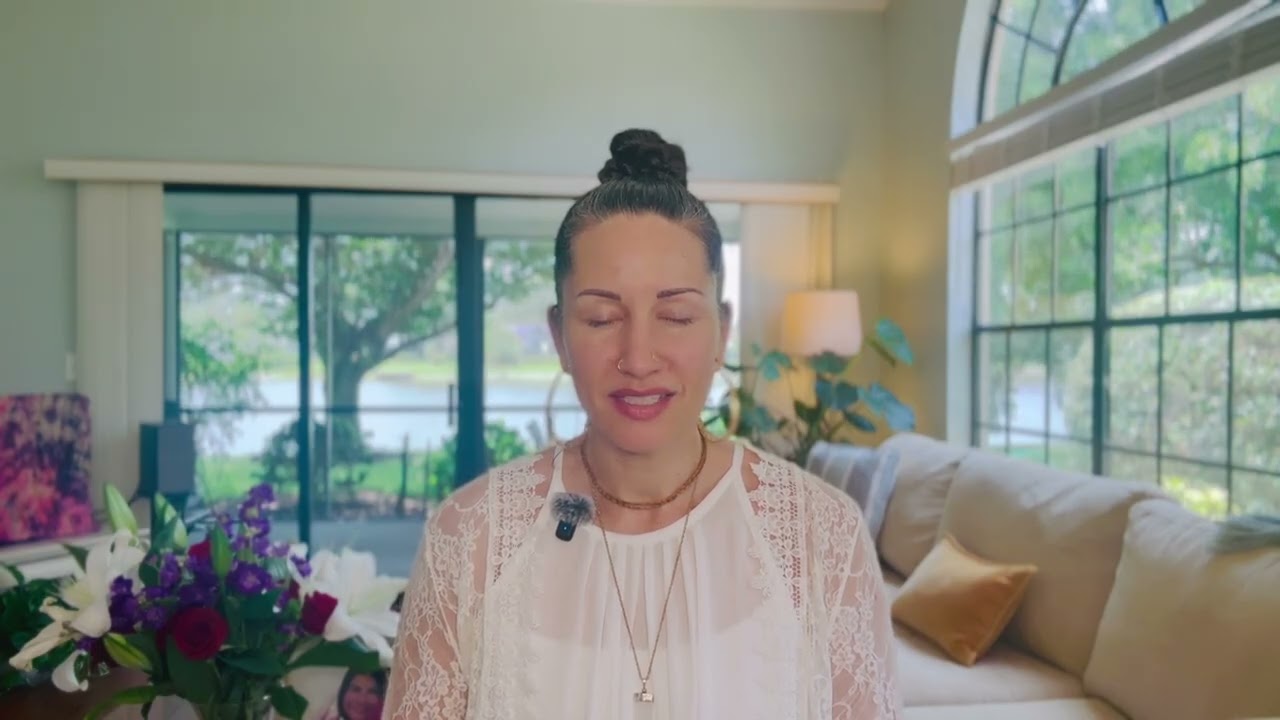
Two minutes and twenty-one seconds is not much time to settle a question people have argued about for generations, and Saqib Rizvi, a newer creator on YouTube, doesn't try to settle it in full. His video, titled "Meditation | Is It Connected To Religion?", makes one pointed case: that the belief linking meditation to religion has no real rationale, that meditation is best understood as "an exercise for the mind," and that a technique named after Buddhists or practiced within Hinduism does not belong exclusively to them. He leans on a comparison most of us can picture immediately, the way running, swimming, and dancing train the body. The idea is simple, a little provocative, and worth testing. Below is a close look at what he says, why his analogy carries most of the weight, and where a viewer should push back.

読む · 7セクション

What is Saqib Rizvi actually arguing in this video?

The central claim arrives early and without hedging. "Many people think that meditation is a religious practice," he opens. He then names the figures people tend to picture: monks, yogis, practitioners of Hinduism and Buddhism, and followers of mystics such as Rumi and Osho. His answer comes at the 0:24 mark: "let me tell you very honestly that there is no rationale behind this belief."

Notice what he does not say. He does not claim that meditation has no spiritual dimension. At 0:39 he concedes that "meditation is also done as a spiritual practice by some people." His target is narrower and, for that reason, easier to defend. He is arguing about who is entitled to practice meditation, and about whether the association with religion should decide that question. For him it should not. Business professionals, doctors, athletes, and artists, he says at 0:44, practice it "as an exercise for the mind." Spiritual and secular uses can coexist, and the second does not require the first.

Why does the dancing analogy matter so much?

The argument rests on a comparison he makes twice. At 1:13 he says: "Like running, swimming, dancing are exercises for the body, in a similar fashion, meditation is an exercise for the mind." Then at 1:22 he turns the comparison into a reductio: "How weird it would be if somebody says that dancing is a religious activity because it is also practiced in Hinduism."

This is the sharpest move in the video, and it works for a specific reason. Almost nobody thinks of dancing as a religious act merely because some religious traditions include it. A ballet class is not a sermon, and a person who swims laps is not performing a rite. By placing meditation beside these activities, Rizvi asks viewers to notice that they already apply a different standard to meditation. Dance can be sacred in one setting and athletic or social in another, and the setting determines the meaning. Meditation, he suggests, deserves the same flexibility.

A reader should also see the limits of the comparison. Analogies help a viewer see a pattern, but they do not prove that the pattern holds in every case. Someone could respond that meditation, unlike dancing, was developed by specific traditions with specific aims, and that those aims are part of what the practice is. Rizvi does not address that objection. His analogy shows that religious origin does not automatically make a practice religious for everyone else. Whether it fully separates the practice from its origins is a separate question the two minutes leave open.

Can meditation be both spiritual and secular?

Rizvi's implicit answer is yes. The logic runs like this: Buddha's association with meditation, he says at 1:30, "doesn't mean that only Buddhists can do meditation." Because one tradition is linked to a practice, others are not barred from it. He then offers an invitation rather than a lecture: "We can do meditation our own way without associating it with religion."

That sentence describes a position many contemporary teachers and researchers have taken in various forms, and the video's own description places this debate inside the rise of the Mindfulness Movement. The description states that some people believe meditation "has its roots in Religion," while others "wish to de-institutionalize Meditation so that it can be liberally practiced without any Religious connotation associated with it." Rizvi sits clearly in the second camp. The word "de-institutionalize" is useful here. It separates a practice from the organizations that carried it for centuries, a distinction that matters whether you think the separation is healthy or a loss.

What does the research claim cover?

The most concrete thing Rizvi offers is a list of outcomes. At 0:59 he says there is "ample research that shows that meditation relieves stress, anxiety, depression and also improves focus, productivity, creativity, et cetera." That list is doing real work. If meditation produces measurable effects on attention and mood, then treating it as an exercise for the mind becomes more than metaphor.

There is a catch, and a careful reader should name it. Rizvi does not cite a study, a researcher, or a journal in the video. "Ample research" is a claim he asserts rather than documents. That does not make it false. It does mean the viewer who wants to build on it should go looking for the evidence and judge its quality personally, particularly on claims as broad as relieving depression and boosting creativity. Those are large promises, and a two-minute video is not the place to verify them.

What is missing from a two-minute argument?

Honesty about this video means being clear about its limits. The argument is brief, and several questions go unanswered. He does not explain what meditation consists of in practice, whether that is focused attention, breath awareness, open monitoring, or something else. He does not describe how the traditions he names understood the practice, so the viewer cannot compare the "exercise" framing with the original contexts. He does not discuss what might be lost when a practice is separated from the community, ethics, or teachings that once surrounded it. And he does not address critics who argue that the secular version is a different thing entirely.

None of this makes the central point wrong. It means the video works best as a starting question rather than a finished answer. Rizvi frames himself as "just starting with my journey," in his words at 2:00, and the modest scope fits that self-description. He ends not with a thesis but with an appeal: "please do explore meditation as it is a beautiful practice and it transforms lives."

How can a viewer test this argument for themselves?

The most useful response to a video like this is to treat its claims as hypotheses. Three questions follow directly from what Rizvi says. First, when you meditate, what are you training: attention, patience, emotional steadiness, or something you would call spiritual? Second, does your answer change if the practice is framed as exercise versus devotion, and does that framing change what you actually do? Third, if you came to meditation through a religious tradition, what did that tradition give you that a purely secular exercise framing might not?

These questions do not require a religious commitment to answer, and they do not require rejecting one. They simply ask a viewer to notice what the practice means to them. Rizvi's analogy invites exactly this kind of attention. Dancing can be sacred, athletic, or social depending on who is dancing and why. Meditation, by his account, can be the same.

Where to go from here

Start with the video itself, which is short enough to rewatch and pause at the moments above. Then read its description, which frames the wider debate and introduces the Mindfulness Movement as the most visible example of meditation moving beyond religious settings. From there, the productive next step is to look for the research Rizvi gestures toward and read it with the same skepticism you would bring to any strong claim. Finally, consider the question he leaves open: whether a practice keeps its meaning when it leaves the tradition that shaped it. Two minutes will not answer that, but they can start the conversation.

Comments

Loading the conversation…

Transcript

[0:00] Many people think that meditation is a religious practice.

[0:04] They think that people who are monks or yogis or people who follow practices of religions

[0:12] like Hinduism, Buddhism; or people who follow mystics like Rumi and Osho, these are the

[0:21] people who do meditation.

[0:24] Well, let me tell you very honestly that there is no rationale behind this belief.

[0:31] Now, to understand this, we first need to understand what meditation really is.

[0:39] Meditation has many forms, and yes it is true that meditation is also done as a spiritual

[0:44] practice by some people, however, many people around the world ranging from business professionals

[0:52] to doctors, athletes, artists, et cetera, do it as an exercise for the mind.

[0:59] That's because there is ample research that shows that meditation relieves stress, anxiety,

[1:06] depression and also improves focus, productivity, creativity, et cetera.

[1:13] Like running, swimming, dancing are exercises for the body, in a similar fashion, meditation

[1:19] is an exercise for the mind.

[1:22] How weird it would be if somebody says that dancing is a religious activity because it

[1:28] is also practiced in Hinduism.

[1:30] Just because Buddha is associated with meditation, doesn't mean that only Buddhists can do meditation.

[1:38] We can do meditation our own way without associating it with religion.

[1:44] So it's my appeal to all those who used to think that meditation is a religious practice,

[1:50] please do explore meditation as it is a beautiful practice and it transforms lives.

[1:57] Hey guys!

[1:59] This is Saqib.

[2:00] And I am just starting with my journey, which is an effort to contribute to Humanity.

[2:06] So if you liked my video, then do share it and subscribe to my Youtube channel.

[2:11] And to stay updated about my upcoming videos, do tap the bell icon on Youtube.

[2:18] Love!

Saqib Rizvi
ArtistSaqib Rizvi

Saqib Rizvi is a Vancouver-based meditation teacher who brings science and spirit together, guiding people on inner journeys toward awakening.

プロフィールを見るウェブサイト
トピックを見る
MeditationMeditation-and-religionMindfulness-movementMind-exerciseSecular-meditation

ご質問はありますか?

よくある質問

Saqib Rizvi argues in his video that it is not inherently religious. He says there is no rationale behind the belief that meditation belongs only to monks, yogis, or followers of Hinduism, Buddhism, or mystics like Rumi and Osho. He does acknowledge that some people practice it spiritually, but he says many others practice it as an exercise for the mind.
Rizvi uses the comparison to show that religious association does not define a physical or mental activity. He says running, swimming, and dancing are exercises for the body, and meditation is similarly an exercise for the mind. He points out that dancing is also practiced in Hinduism, yet few people call dancing a religious activity for that reason.
According to Rizvi, yes. He says that because Buddha is associated with meditation, that does not mean only Buddhists can practice it. He encourages people to meditate in their own way without associating it with religion.
The video's description names the Mindfulness Movement as a good example of efforts to de-institutionalize meditation so it can be practiced without religious connotations. The description says some people believe meditation has roots in religion, while others want it separated from religious meaning.
Rizvi says there is ample research showing that meditation relieves stress, anxiety, and depression and improves focus, productivity, and creativity. He does not cite specific studies in the video, so viewers who want to verify these claims should look up the research themselves.
Rizvi does not say meditation has no spiritual dimension. He acknowledges that it is done as a spiritual practice by some people. His main point is that it is also used by business professionals, doctors, athletes, and artists as a mental exercise, so spiritual and secular uses can both exist.

読みつづける

More from Saqib

すべて表示
Accessing Past Life Memories Through Meditation Practice
Inspire

Accessing Past Life Memories Through Meditation Practice

Saqib Rizvi argues that past-life memories can be reached through meditation in a fraction of the time regression therapy takes. His six-ste…

1 min read
Attention Seeking Comes From Low Self-Worth, Not Vanity
Inspire

Attention Seeking Comes From Low Self-Worth, Not Vanity

Saqib Rizvi says attention-seeking masks low self-worth rooted in childhood neglect. Here's how the loop of showing off and proving worth ta…

1 min read
Yoga Nidra for Wholeness: Sankalpa and Body Scan Guide
Inspire

Yoga Nidra for Wholeness: Sankalpa and Body Scan Guide

A 35-minute guided Yoga Nidra rest that moves from breath to sankalpa to a full body scan and back to waking. Here is how its structure work…

1 min read
Return to Love: A Guide to Healing Through Kindness
Inspire

Return to Love: A Guide to Healing Through Kindness

A meditation-centered gathering focused on loving-kindness practice, breathwork, and dharma teaching. Explore how community and conscious pa…

1 min read

探索を続ける

旅をつづける

BrightStarのディレクトリから、さらなる智慧と集いを。

もっと記事を読む

教え、インタビュー、ガイドのライブラリ全体をご覧ください。

すべての記事に戻る →

講師とアーティスト

コンシャスな世界の系譜、音楽家、導き手を探しましょう。

アーティストを探す →

イベントを見つける

キルタン、リトリート、サウンドバス、ブレスワーク、フェスティバル — まもなく開かれます。

イベントを見る →