BrightStar

すべてのEventsを見る

意識ある集いに出会う

events

Yoga
Meditation
Breathwork
Qigong
Tai Chi
Sacred Music
World Music
Medicine Music
Sound Healing
Ecstatic Dance
人気の目的地
BaliSedonaLos AngelesCosta RicaNew YorkSan FranciscoAustinMiamiJoshua TreeTulum
すべてのカテゴリを見るすべての目的地を見る

すべての機能を探索

イベントを成長させる強力なツール

プラットフォーム機能

スマートダイナミックプライシング
チケットカテゴリ
座席指定
カート放棄リカバリー
訪問者リカバリー
寄付とスライディングスケール
アフィリエイトシステム
チケットスキャナー
クーポンコード
カスタム質問
チケット共有
アップセルとアドオン
分析とレポート
メールシーケンス
ウェイトリスト / 通知 / リマインダー
人と場所
Artists & TeachersEvent OrganizersVenues & StudiosKnowledge BaseGlossaryInspiration
すべての機能を見る私たちについて
料金ブログ
Language
Saved events
すべてのイベントを見る

events

YogaMeditationBreathworkQigongTai ChiSacred MusicWorld MusicMedicine Music

人気の目的地

BaliSedonaLos AngelesCosta RicaNew YorkSan Francisco

人と場所

Artists & TeachersEvent OrganizersVenues & StudiosKnowledge BaseGlossaryInspiration

プラットフォーム機能

スマートダイナミックプライシングチケットカテゴリ座席指定カート放棄リカバリー訪問者リカバリー寄付とスライディングスケールアフィリエイトシステムチケットスキャナークーポンコードカスタム質問チケット共有アップセルとアドオン分析とレポートメールシーケンスウェイトリスト / 通知 / リマインダー
すべての機能を見る私たちについて
料金ブログ
ログイン探求者クリエイター
  • すべてのイベントを見る
  • 探求者向け
  • ヨガ
  • 瞑想
  • ブレスワーク
  • 気功
  • 太極拳
  • 聖なる音楽
  • ワールドミュージック
  • メディスンミュージック
  • サウンドヒーリング
  • エクスタティックダンス
  • リトリート
  • ワークショップ
  • すべてのカテゴリ →
  • Bali
  • Sedona
  • Los Angeles
  • Costa Rica
  • Tulum
  • Byron Bay
  • San Francisco
  • Austin
  • New York
  • San Diego
  • Denver
  • Seattle
  • Portland
  • Miami
  • すべての都市 →
  • Join the Movement
  • Why we list
  • Sell Globally
  • クリエイター向け
  • チーム向け
  • ライター向け
  • 講師向け
  • キルタンアーティスト向け
  • スタジオ向け
  • フェスティバル向け
  • リトリートセンター向け
  • 非営利団体向け
  • ブランドアンバサダー
  • 無料チケット販売
  • Elevate
  • Amplify
  • 50万人以上のバイヤーネットワーク
  • カート放棄リカバリー
  • スマートダイナミックプライシング
  • チケットカテゴリ
  • 定期イベント
  • 座席指定
  • アフィリエイトシステム
  • ウェイトリスト / 通知
  • チケットスキャナー
  • 埋め込みウィジェット
  • イベント配信
  • メッセージセンター
  • インテグレーション
  • レポート
  • すべての機能 →
  • 概要
  • エコシステム
  • ブログ
  • 用語集
  • インスピレーション
  • ヘルプセンター
  • お問い合わせ
  • APIドキュメント
  • ブランドアセット
  • 採用
  • プレス
  • 利用規約
  • プライバシーポリシー

イベント

  • すべてのイベントを見る
  • 探求者向け
  • ヨガ
  • 瞑想
  • ブレスワーク
  • 気功
  • 太極拳
  • 聖なる音楽
  • ワールドミュージック
  • メディスンミュージック
  • サウンドヒーリング
  • エクスタティックダンス
  • リトリート
  • ワークショップ
  • すべてのカテゴリ →

目的地

  • Bali
  • Sedona
  • Los Angeles
  • Costa Rica
  • Tulum
  • Byron Bay
  • San Francisco
  • Austin
  • New York
  • San Diego
  • Denver
  • Seattle
  • Portland
  • Miami
  • すべての都市 →

クリエイター向け

  • Join the Movement
  • Why we list
  • Sell Globally
  • クリエイター向け
  • チーム向け
  • ライター向け
  • 講師向け
  • キルタンアーティスト向け
  • スタジオ向け
  • フェスティバル向け
  • リトリートセンター向け
  • 非営利団体向け
  • ブランドアンバサダー
  • 無料チケット販売
  • Elevate
  • Amplify

機能

  • 50万人以上のバイヤーネットワーク
  • カート放棄リカバリー
  • スマートダイナミックプライシング
  • チケットカテゴリ
  • 定期イベント
  • 座席指定
  • アフィリエイトシステム
  • ウェイトリスト / 通知
  • チケットスキャナー
  • 埋め込みウィジェット
  • イベント配信
  • メッセージセンター
  • インテグレーション
  • レポート
  • すべての機能 →

会社

  • 概要
  • エコシステム
  • ブログ
  • 用語集
  • インスピレーション
  • ヘルプセンター
  • お問い合わせ
  • APIドキュメント
  • ブランドアセット
  • 採用
  • プレス
  • 利用規約
  • プライバシーポリシー
BrightStar
アプリを入手
App StoreからApp StoreGoogle Playで手に入れようGoogle Play
© 2026 BrightStar. 全著作権所有.
Inspiration

Inner Peace Mantra: How Simplicity Reaches Hundreds of Thousands

Beautiful Chorus
Beautiful Chorus
Nov 1, 2014
読了 約6分
視聴 · 6

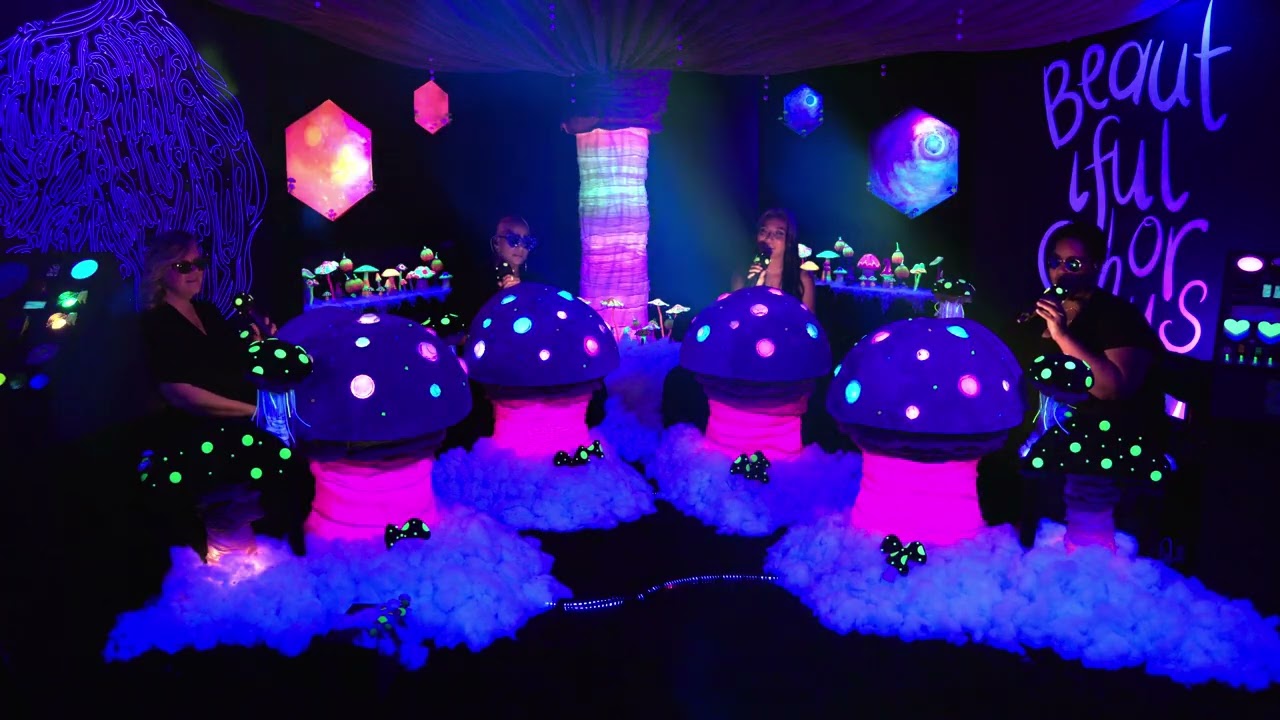
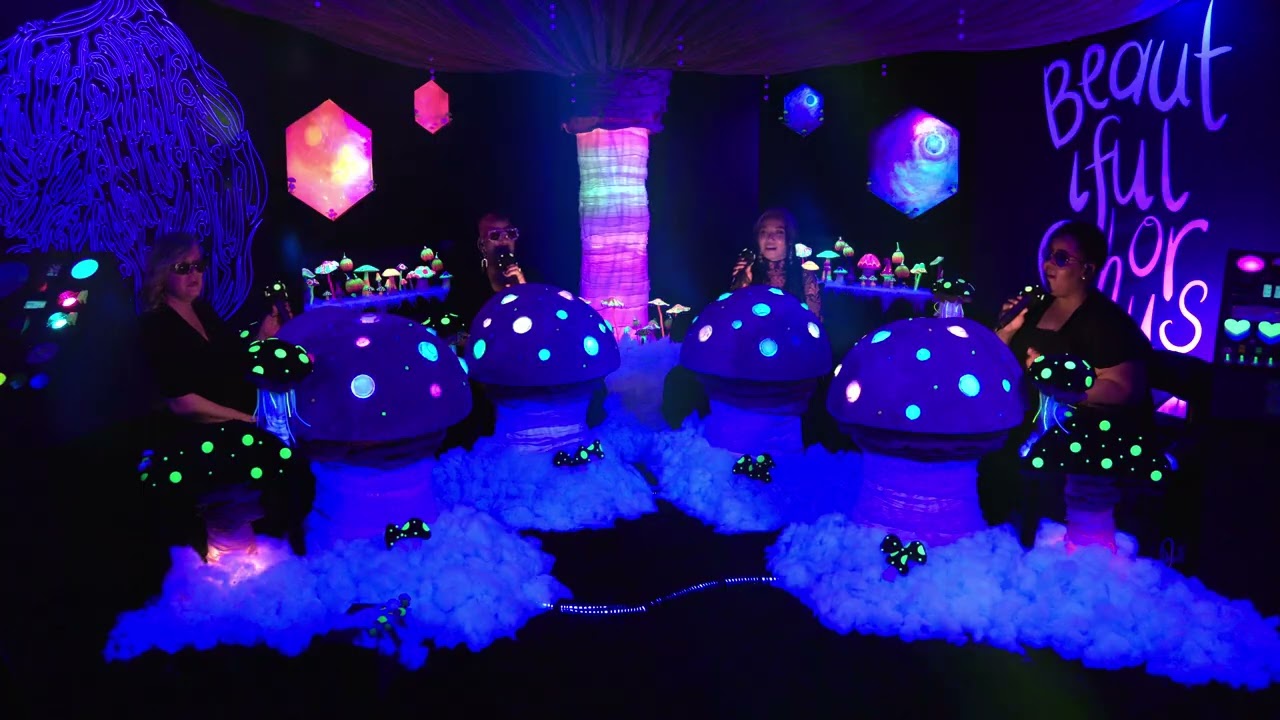
Four minutes. No production flourish, no backing vocals layered thick, no instrumental pyrotechnics. Just a voice—human, steady, searching—repeating a single request into the dark: "Please let me feel inner peace / From my center at the center of me." Then, a bridge into affirmation: "My heart is open / I am aware." And again. And again. The song has been watched 645,081 times since its 2014 release, an organic reach that speaks to something people are actively seeking.

読む · 6セクション

The Architecture of Inner Peace

Inner Peace, written by A Sarton and featured on the album Hymns of Spirit, operates according to principles that go back centuries in devotional tradition but feel urgently contemporary in how they're deployed here. The song is structured as a mantra—a word or phrase repeated with precision and intention to focus the mind and invoke a state. What makes this particular construction remarkable is its specificity. Rather than a traditional Sanskrit mantra divorced from English-language meaning, Sarton has written an explicit petition couched in the first person: "Please let me feel." This is not a demand. It is a request—the posture of someone turning inward and asking for permission to access what already exists within.

The repetition begins at 0:09, where the core mantra enters: "Inner peace from my center at the center of me." Notice the geometry here. The lyric doesn't locate peace externally; it places it at a center, then references a center within that center, as though drilling down through layers of consciousness toward something irreducible. This is the language of non-dual philosophy—the recognition that what we seek outside is already present as our deepest nature. The song invites the listener into that paradox by repeating it until the intellect tires and something else wakes up.

Kirtan and the Contemporary Meditator

Kirtan—the practice of call-and-response devotional singing—has roots in Hindu and Sikh spiritual traditions but has migrated into contemporary Western practice as a form accessible to people who may have no formal meditation training. The beauty of kirtan is that it disguises practice as song; you're not sitting in silence trying to wrangle your thoughts, you're singing, which gives the fidgeting mind something to do while the deeper work happens underneath. Inner Peace is a solo version of that principle, a one-person kirtan where the listener becomes both the caller and the responding voice.

By 0:59, the affirmation phase arrives: "My heart is open / I am aware / In me's a knowing / Of love, love, love." Here the song shifts registers. We've moved from petition to declaration. The repetition of "love, love, love"—a simple vocable—is a turn toward the physical and embodied. You cannot sing "love" repeatedly without beginning to feel something in the chest, without your own physiology becoming part of the invocation. This is not accidental. The song understands what the body knows: that emotion and sensation are inseparable, and that by engaging the voice and the breath, you access states that pure intellectual affirmation cannot reach.

The Power of Vocal Meditation

Around 1:19, the song introduces extended "la la la" passages—pure vocalization without semantic content. This is a crucial move. After the weight of meaning carried by the earlier lyrics, the song now releases language itself and allows the voice to become an instrument, the breath an anchor. In meditation terminology, this is pratyahara—the withdrawal of the senses from external objects. By singing wordlessly, the meditator turns attention inward; the object of focus becomes the sensation of the voice resonating in the body, the rhythm of the breath, the vibration itself.

Neuroscientifically, this matters. Research on chanting and repetitive vocalization shows measurable changes in heart rate, brainwave patterns, and the autonomic nervous system—the very systems that underlie our capacity for calm. The person singing "la" for an extended period is not simply engaging in pleasant activity; they are literally altering their neurophysiology. The song, in its structure, provides a roadmap for that shift.

Return and Deepening

What distinguishes Inner Peace from a simple loop is its architecture of return. The song does not hold the affirmation state and fade. Instead, around 1:29, it returns to the core mantra—"Please let me feel inner peace from my center at the center of me"—but the context has changed. The listener has already moved through petition, affirmation, and vocalization. Now the mantra returns not as a new request but as a deepening, a prayer spoken from a place slightly closer to the center it names. This is the grammar of genuine spiritual practice: the spiral, not the circle. You return to where you began, but you're not the same.

By 2:09, in the final movement, the song layers affirmations—"My heart is open / I am aware"—and returns again to "love, love, love," now with the momentum of the entire previous journey behind it. The listener hasn't been lectured about what inner peace is; they have been guided through an experience of its approach, its texture, the feeling-tone of opening that precedes it.

Why This Song, Now

The 645,000 views suggest something about the moment we're in. This is not a song with heavy promotion behind it, not a viral sensation or a celebrity collaboration. It appears to be an independent artist's spiritual offering, finding its audience through the gravitational pull of genuine need. In an era of fractured attention, algorithmic distraction, and what many describe as ambient anxiety, a four-minute invitation to return to center—to access one's own inner peace—meets a hunger that the culture does not often acknowledge in polite company but that is nonetheless acute.

The song works because it respects both the sophistication and the simplicity of the human spirit. It doesn't condescend by oversimplifying what inner peace is; it recognizes that peace is not a concept to understand but a state to access, and that access comes through the body, the breath, the voice, and the willingness to repeat until understanding drops from the head into the heart.

Where to go from here

If Inner Peace resonates, the next step is not to analyze it but to practice it. Kirtan and devotional singing are not passive activities—they require engagement. Listen to the song multiple times, and when the repetition begins to feel natural rather than mechanical, sing along. Pay attention to where you feel the mantra landing in your body, whether in the chest, the throat, or deeper. Notice the moments when the meaning of the words drops away and you're simply present with the vibration, the breath, the rhythm. This is the actual practice; the song is merely the vessel. The transformation happens not in understanding the structure but in surrendering to it, in letting the simple request—"Please let me feel inner peace"—become not a wish external to you, but an opening from within toward what you already are.
Comments

Loading the conversation…

Transcript

[0:04] please let me

[0:07] feel

[0:09] inner peace from my center at the center

[0:15] of

[0:17] me please let me

[0:20] feel

[0:23] inner pe from my center at the

[0:29] center

[0:31] me please let me

[0:34] feel

[0:37] inner pe from my center at the center of

[0:45] me please let me

[0:48] feel

[0:51] in peace from my cent at the cent of

[0:59] me my heart is

[1:03] open i am

[1:07] aware in me

[1:13] an love love love my heart is

[1:19] open i am

[1:24] aware me

[1:29] anno la la la

[1:59] la

[2:04] please let me

[2:07] feel

[2:09] in peace from my center at the center of

[2:17] me please let me

[2:20] feel

[2:23] inner pe from my center at the center of

[2:29] me

[2:32] please let me

[2:34] feel let me

[2:38] feel from my

[2:41] center the cer of

[2:45] me please let me please let me

[2:54] feel and the center of

[2:59] me

[3:00] my heart is

[3:04] open i am

[3:08] a

[3:13] me love love love my heart

[3:20] is i am

[3:29] aw la love love

[3:59] love

Beautiful Chorus
ArtistBeautiful Chorus

Alexandra Love leads Beautiful Chorus, a harmony collective whose High Frequency Love Music blends mantras, lullabies and sound healing meditations to calm the nervous system and r…

プロフィールを見るウェブサイト
トピックを見る
Kirtan-meditationDevotional-musicMantra-practiceInner-peaceSpiritual-music

ご質問はありますか?

よくある質問

Repetitive vocalization and chanting measurably shift heart rate, brainwave patterns, and autonomic nervous system response. When you repeat a mantra or sing devotional phrases, you're engaging the breath and voice in ways that naturally calm the parasympathetic nervous system, creating measurable physiological shifts toward relaxation and presence.
Kirtan is call-and-response devotional singing rooted in Hindu and Sikh tradition. Unlike seated silent meditation, kirtan uses the voice and body as anchors, making it more accessible for people who struggle with stillness. The song itself becomes the meditation—you're not fighting the mind to be quiet, but giving it something meaningful to engage with.
Yes—research shows that chanting and repetitive vocalization activate the parasympathetic nervous system, reduce cortisol (the stress hormone), and measurably alter brainwave patterns. The mechanism combines the psychological effect of focused intention with the physiological effects of controlled breath and resonance in the body.
Spiritual affirmations like 'My heart is open' differ from self-help affirmations because they invite you to declare what's already true at your core, rather than trying to convince yourself of something you don't believe. In practice, affirmations combined with breath and vocalization become embodied experiences rather than mental constructs.
This phrase references non-dual philosophy—the idea that what we seek outside (peace, love, connection) is already present at our innermost core. The repeated language of drilling down through centers points to layers of consciousness, inviting you to access deeper levels of awareness beyond the thinking mind.
Listen actively rather than passively. Sing along when the repetition feels natural. Pay attention to where the mantra or affirmation lands in your body—throat, chest, or deeper. Notice when meaning drops away and you're simply present with breath and vibration. This embodied engagement is the practice itself.

読みつづける

More from Beautiful

すべて表示
Mantra Medicine: Safe — Repeating "I Am Safe" Through Sound
Inspire

Mantra Medicine: Safe — Repeating "I Am Safe" Through Sound

A near eight-minute sung mantra built on the phrase "I am safe," with no spoken teaching. Here is how to listen to Mantra Medicine: Safe and…

1 min read
Be Here Now Mantra Medicine: How a Chant Trains Presence
Inspire

Be Here Now Mantra Medicine: How a Chant Trains Presence

A six-minute "Be Here Now" chant set over music, read through its own description: how the repetition works, how the phrase shifts across th…

1 min read
Namo Namo: The Devotional Song Sung Back to a Teacher
Inspire

Namo Namo: The Devotional Song Sung Back to a Teacher

A three-minute devotional song, written by Sutara and Omkara and shared with a sangha room in June 2026, turns a teacher's teaching into a c…

1 min read
Deluxe Edition of The Inevitable Blossoming of the Heart
Inspire

Deluxe Edition of The Inevitable Blossoming of the Heart

Deva Premal and Miten announce a deluxe version of their album, with new tracks, remixes, a Brazil live recording, and remastered sound due …

1 min read

探索を続ける

旅をつづける

BrightStarのディレクトリから、さらなる智慧と集いを。

もっと記事を読む

教え、インタビュー、ガイドのライブラリ全体をご覧ください。

すべての記事に戻る →

講師とアーティスト

コンシャスな世界の系譜、音楽家、導き手を探しましょう。

アーティストを探す →

イベントを見つける

キルタン、リトリート、サウンドバス、ブレスワーク、フェスティバル — まもなく開かれます。

イベントを見る →