
BrightStar

すべてのEventsを見る

意識ある集いに出会う

events

Yoga
Meditation
Breathwork
Qigong
Tai Chi
Sacred Music
World Music
Medicine Music
Sound Healing
Ecstatic Dance
人気の目的地
BaliSedonaLos AngelesCosta RicaNew YorkSan FranciscoAustinMiamiJoshua TreeTulum
すべてのカテゴリを見るすべての目的地を見る

すべての機能を探索

イベントを成長させる強力なツール

プラットフォーム機能

スマートダイナミックプライシング
チケットカテゴリ
座席指定
カート放棄リカバリー
訪問者リカバリー
寄付とスライディングスケール
アフィリエイトシステム
チケットスキャナー
クーポンコード
カスタム質問
チケット共有
アップセルとアドオン
分析とレポート
メールシーケンス
ウェイトリスト / 通知 / リマインダー
人と場所
Artists & TeachersEvent OrganizersVenues & StudiosKnowledge BaseGlossaryInspiration
すべての機能を見る私たちについて
料金ブログ
Language
Saved events
すべてのイベントを見る

events

YogaMeditationBreathworkQigongTai ChiSacred MusicWorld MusicMedicine Music

人気の目的地

BaliSedonaLos AngelesCosta RicaNew YorkSan Francisco

人と場所

Artists & TeachersEvent OrganizersVenues & StudiosKnowledge BaseGlossaryInspiration

プラットフォーム機能

スマートダイナミックプライシングチケットカテゴリ座席指定カート放棄リカバリー訪問者リカバリー寄付とスライディングスケールアフィリエイトシステムチケットスキャナークーポンコードカスタム質問チケット共有アップセルとアドオン分析とレポートメールシーケンスウェイトリスト / 通知 / リマインダー
すべての機能を見る私たちについて
料金ブログ
ログイン探求者クリエイター
  • すべてのイベントを見る
  • 探求者向け
  • ヨガ
  • 瞑想
  • ブレスワーク
  • 気功
  • 太極拳
  • 聖なる音楽
  • ワールドミュージック
  • メディスンミュージック
  • サウンドヒーリング
  • エクスタティックダンス
  • リトリート
  • ワークショップ
  • すべてのカテゴリ →
  • Bali
  • Sedona
  • Los Angeles
  • Costa Rica
  • Tulum
  • Byron Bay
  • San Francisco
  • Austin
  • New York
  • San Diego
  • Denver
  • Seattle
  • Portland
  • Miami
  • すべての都市 →
  • Join the Movement
  • Why we list
  • Sell Globally
  • クリエイター向け
  • チーム向け
  • ライター向け
  • 講師向け
  • キルタンアーティスト向け
  • スタジオ向け
  • フェスティバル向け
  • リトリートセンター向け
  • 非営利団体向け
  • ブランドアンバサダー
  • 事例紹介
  • 無料チケット販売
  • Elevate
  • Amplify
  • 50万人以上のバイヤーネットワーク
  • カート放棄リカバリー
  • スマートダイナミックプライシング
  • チケットカテゴリ
  • 定期イベント
  • 座席指定
  • アフィリエイトシステム
  • ウェイトリスト / 通知
  • チケットスキャナー
  • 埋め込みウィジェット
  • イベント配信
  • メッセージセンター
  • インテグレーション
  • レポート
  • すべての機能 →
  • 概要
  • エコシステム
  • ブログ
  • 用語集
  • インスピレーション
  • ヘルプセンター
  • お問い合わせ
  • APIドキュメント
  • ブランドアセット
  • 採用
  • プレス
  • 利用規約
  • プライバシーポリシー

イベント

  • すべてのイベントを見る
  • 探求者向け
  • ヨガ
  • 瞑想
  • ブレスワーク
  • 気功
  • 太極拳
  • 聖なる音楽
  • ワールドミュージック
  • メディスンミュージック
  • サウンドヒーリング
  • エクスタティックダンス
  • リトリート
  • ワークショップ
  • すべてのカテゴリ →

目的地

  • Bali
  • Sedona
  • Los Angeles
  • Costa Rica
  • Tulum
  • Byron Bay
  • San Francisco
  • Austin
  • New York
  • San Diego
  • Denver
  • Seattle
  • Portland
  • Miami
  • すべての都市 →

クリエイター向け

  • Join the Movement
  • Why we list
  • Sell Globally
  • クリエイター向け
  • チーム向け
  • ライター向け
  • 講師向け
  • キルタンアーティスト向け
  • スタジオ向け
  • フェスティバル向け
  • リトリートセンター向け
  • 非営利団体向け
  • ブランドアンバサダー
  • 事例紹介
  • 無料チケット販売
  • Elevate
  • Amplify

機能

  • 50万人以上のバイヤーネットワーク
  • カート放棄リカバリー
  • スマートダイナミックプライシング
  • チケットカテゴリ
  • 定期イベント
  • 座席指定
  • アフィリエイトシステム
  • ウェイトリスト / 通知
  • チケットスキャナー
  • 埋め込みウィジェット
  • イベント配信
  • メッセージセンター
  • インテグレーション
  • レポート
  • すべての機能 →

会社

  • 概要
  • エコシステム
  • ブログ
  • 用語集
  • インスピレーション
  • ヘルプセンター
  • お問い合わせ
  • APIドキュメント
  • ブランドアセット
  • 採用
  • プレス
  • 利用規約
  • プライバシーポリシー
BrightStar
© 2026 BrightStar. 全著作権所有.
Inspiration

Home Practice with Cathy: A Simple Guide

Shannon Hayden
Shannon Hayden
Aug 25, 2011
読了 約5分
読む · 7セクション

What does it mean to practice spirituality at home?

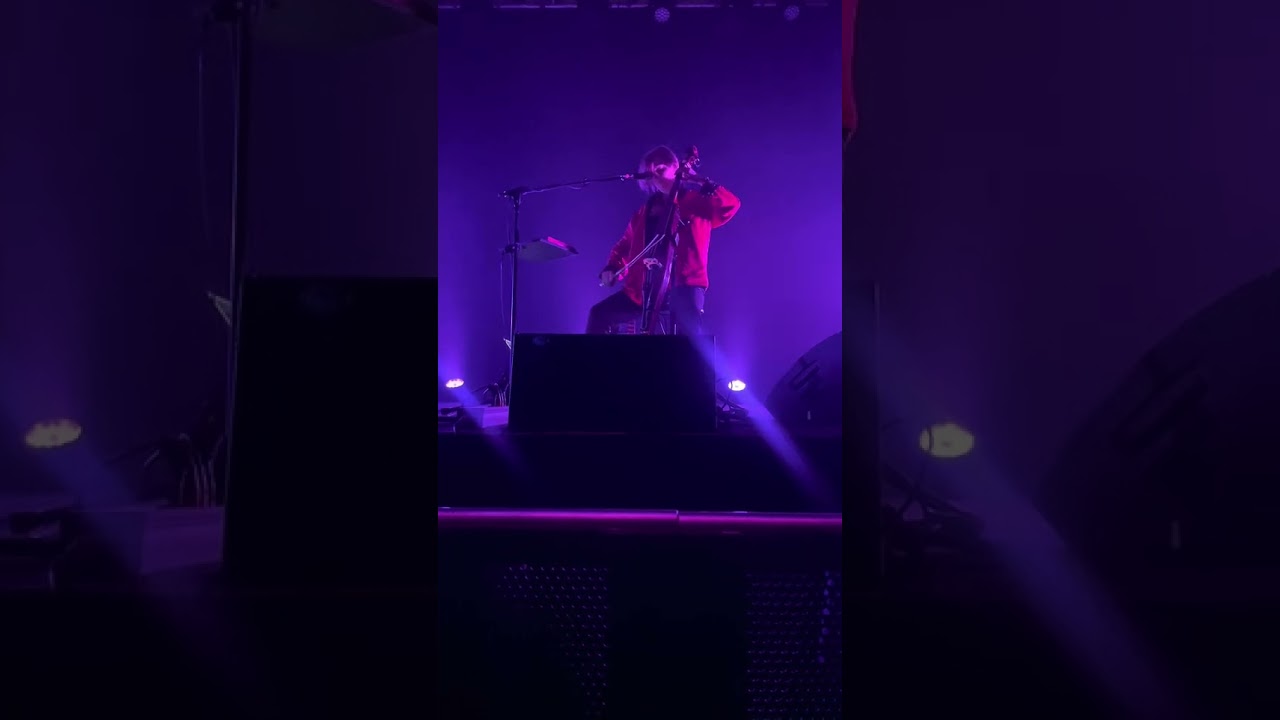
Home practice represents one of the most accessible and grounding forms of spiritual work. Unlike formal retreats or temple settings, the home is where we spend our daily lives — where we eat, rest, relate to others, and navigate the ordinary moments that make up our existence. Shannon Hayden offers an intimate glimpse into what practice looks like in this context, showing how spiritual life can be woven directly into the fabric of home and family. Rather than treating spirituality as something that happens "elsewhere," this perspective integrates intention and presence into the very spaces where we live.

How can home become a space for practice?

The home environment holds particular power for spiritual work because it is where we are most ourselves — both at our best and our most reactive. Creating a dedicated space, however small, signals to the mind and body that practice matters. This might be a corner with a cushion, a small altar, or simply a time of day set aside for presence. What makes home practice distinct is that it must coexist with the rhythms of daily life: the sounds of family members, the responsibilities of cooking and cleaning, interruptions and demands. This is not a limitation but an opportunity. When practice happens amid the full texture of life, it becomes training in how to remain present and grounded in the middle of whatever arises.

What role does relationship play in personal practice?

Sharing practice space with others — whether a partner, family member, or friend — transforms it in subtle ways. The presence of another person can deepen commitment, offer accountability, and reveal blind spots we might otherwise miss. Practicing "with" rather than "alone" is also an invitation to see the other person's path, to honor their approach even when it differs from ours, and to recognize that there is no single right way to be awake. The informal, at-home setting creates room for authenticity that structured group settings sometimes don't allow. There is less performance, more vulnerability, and often more honest conversation about what practice actually feels like day to day.

Why does consistency matter in home practice?

Home practice thrives on consistency rather than intensity. A few minutes each day, done regularly, often yields deeper shifts than occasional longer sessions. This is because the nervous system responds to reliability. When we show up to practice at roughly the same time, in roughly the same place, the mind and body begin to settle more quickly into receptivity. Over weeks and months, even a brief daily practice creates a container strong enough to hold transformation. The simplicity and accessibility of home practice also means the barrier to beginning is low, making it easier to sustain long-term. This is particularly valuable for people with caregiving responsibilities, health limitations, or unpredictable schedules.

What are the elements of a simple home practice?

A home practice need not be complex. Common elements include: sitting in meditation or contemplative silence; reading or studying a text that nourishes the mind; gentle movement or stretching; chanting, singing, or working with sound; journaling or reflection; and informal moments of presence while doing ordinary tasks. The form matters less than the intention behind it. Some people practice best in the early morning when the mind is fresh and the household is quiet. Others find their deepest moments late in the day, after responsibilities have settled. Some integrate practice throughout the day — brief pauses for breath, moments of noticing, and conscious engagement with whatever is in front of them. What unites these approaches is the commitment to showing up, paying attention, and allowing practice to inform how we move through life.

How does home practice reshape our relationship with ordinariness?

One of the gifts of practicing at home is the gradual recognition that ordinariness itself is sacred. Washing dishes, sitting with a loved one, preparing food — these are not distractions from practice but its very substance. When we bring full awareness to ordinary moments, they lose their mundane quality and reveal themselves as alive. This shift in perception is perhaps the deepest teaching of home practice: that awakening does not require special circumstances, retreat centers, or perfect conditions. It requires only attention and willingness to meet what is actually happening, right here, in our own home, with the people and practices we already have.

Where to go from here

Consider designating a small space in your home for practice, even if it is just a cushion or chair in a quiet corner. Commit to showing up for a few minutes each day, at a time that works with your schedule. Observe what happens when you practice regularly in the same space. Notice how your body, mind, and the quality of presence shift over weeks. If you practice with others, create simple agreements: a time to sit together, how long the practice will last, and what happens after. Allow the practice to be simple and imperfect. The goal is not to achieve anything but to show up with intention and see what reveals itself when we pay attention to our actual lives, in our own homes.
Comments

Loading the conversation…

Shannon Hayden
ArtistShannon Hayden

Multi-instrumentalist composer and music teacher who blends folk, classical, and experimental music to create transformative sonic experiences that foster healing and self-expressi…

プロフィールを見るウェブサイト
トピックを見る
Home-practiceDaily-lifeMeditationSpiritual-practicePresence

ご質問はありますか?

よくある質問

Begin by choosing a consistent time and a small dedicated space, even just a corner of a room. Start with a simple practice like sitting quietly for a few minutes, reading an inspiring text, or gentle movement. The key is showing up regularly rather than aiming for perfection or intensity.
Home practice can happen amid family noise and activity. The ordinariness of your actual home environment is part of the teaching. You can practice with interruptions, integrate practice into daily tasks like cooking or cleaning, and find moments of presence within your real life rather than waiting for perfect conditions.
Both have value. Practicing alone builds independent discipline and self-awareness. Practicing with others — a partner, family member, or friend — offers accountability, deepens commitment, and creates shared understanding. Many people benefit from both, depending on circumstance.
Consistency matters more than duration. Even five to ten minutes daily can create significant shifts over time. As practice becomes established, you may naturally extend duration, but a brief daily practice is often more sustainable and powerful than longer sessions done occasionally.
Yes. When done with full awareness and intention, ordinary tasks like washing dishes, preparing meals, or spending time with loved ones become practice. Home practice teaches that awakening happens through bringing full attention to what is already in front of you, not by escaping into special circumstances.
Missing days is normal. Rather than judging yourself, simply return to practice the next day. Consistency is built over time, and the commitment to beginning again after a gap is itself valuable training in showing up without perfectionism.

読みつづける

More from Shannon

すべて表示
Void to Matter: Live Sound Performance at Ventura Music Hall
Inspire

Void to Matter: Live Sound Performance at Ventura Music Hall

Shannon Hayden explores the relationship between emptiness and physical form through a live sound performance at Ventura Music Hall.…

1 min read
When the Violin: Contemporary Choral Music and Spiritual Expression
Inspire

When the Violin: Contemporary Choral Music and Spiritual Expression

Shannon Hayden and University Singers perform Reena Esmail's "When the Violin," a contemporary choral work exploring the intersection of mus…

1 min read
Nice vs. Loving Kindness: Why Being Kind Starts Inside
Inspire

Nice vs. Loving Kindness: Why Being Kind Starts Inside

Most people who resolve to be kinder find the resolve slipping within days. Eckhart Tolle's short talk on loving kindness argues the fault i…

1 min read
Why Life Keeps Testing You: Building on Rock, Not Sand
Inspire

Why Life Keeps Testing You: Building on Rock, Not Sand

Eckhart Tolle reads the house-on-rock parable to explain why life keeps challenging us. A rooted inner dimension, he says, keeps grief from …

1 min read

探索を続ける

旅をつづける

BrightStarのディレクトリから、さらなる智慧と集いを。

もっと記事を読む

教え、インタビュー、ガイドのライブラリ全体をご覧ください。

すべての記事に戻る →

講師とアーティスト

コンシャスな世界の系譜、音楽家、導き手を探しましょう。

アーティストを探す →

イベントを見つける

キルタン、リトリート、サウンドバス、ブレスワーク、フェスティバル — まもなく開かれます。

イベントを見る →
