BrightStar

すべてのEventsを見る

意識ある集いに出会う

events

Yoga
Meditation
Breathwork
Qigong
Tai Chi
Sacred Music
World Music
Medicine Music
Sound Healing
Ecstatic Dance
人気の目的地
BaliSedonaLos AngelesCosta RicaNew YorkSan FranciscoAustinMiamiJoshua TreeTulum
すべてのカテゴリを見るすべての目的地を見る

すべての機能を探索

イベントを成長させる強力なツール

プラットフォーム機能

スマートダイナミックプライシング
チケットカテゴリ
座席指定
カート放棄リカバリー
訪問者リカバリー
寄付とスライディングスケール
アフィリエイトシステム
チケットスキャナー
クーポンコード
カスタム質問
チケット共有
アップセルとアドオン
分析とレポート
メールシーケンス
ウェイトリスト / 通知 / リマインダー
人と場所
Artists & TeachersEvent OrganizersVenues & StudiosKnowledge BaseGlossaryInspiration
すべての機能を見る私たちについて
料金ブログ
Language
Saved events
すべてのイベントを見る

events

YogaMeditationBreathworkQigongTai ChiSacred MusicWorld MusicMedicine Music

人気の目的地

BaliSedonaLos AngelesCosta RicaNew YorkSan Francisco

人と場所

Artists & TeachersEvent OrganizersVenues & StudiosKnowledge BaseGlossaryInspiration

プラットフォーム機能

スマートダイナミックプライシングチケットカテゴリ座席指定カート放棄リカバリー訪問者リカバリー寄付とスライディングスケールアフィリエイトシステムチケットスキャナークーポンコードカスタム質問チケット共有アップセルとアドオン分析とレポートメールシーケンスウェイトリスト / 通知 / リマインダー
すべての機能を見る私たちについて
料金ブログ
ログイン探求者クリエイター
  • すべてのイベントを見る
  • 探求者向け
  • ヨガ
  • 瞑想
  • ブレスワーク
  • 気功
  • 太極拳
  • 聖なる音楽
  • ワールドミュージック
  • メディスンミュージック
  • サウンドヒーリング
  • エクスタティックダンス
  • リトリート
  • ワークショップ
  • すべてのカテゴリ →
  • Bali
  • Sedona
  • Los Angeles
  • Costa Rica
  • Tulum
  • Byron Bay
  • San Francisco
  • Austin
  • New York
  • San Diego
  • Denver
  • Seattle
  • Portland
  • Miami
  • すべての都市 →
  • Join the Movement
  • Sell Globally
  • クリエイター向け
  • チーム向け
  • ライター向け
  • 講師向け
  • キルタンアーティスト向け
  • スタジオ向け
  • フェスティバル向け
  • リトリートセンター向け
  • 非営利団体向け
  • ブランドアンバサダー
  • 事例紹介
  • 無料チケット販売
  • Elevate
  • Amplify
  • 50万人以上のバイヤーネットワーク
  • カート放棄リカバリー
  • スマートダイナミックプライシング
  • チケットカテゴリ
  • 定期イベント
  • 座席指定
  • アフィリエイトシステム
  • ウェイトリスト / 通知
  • チケットスキャナー
  • 埋め込みウィジェット
  • イベント配信
  • メッセージセンター
  • インテグレーション
  • レポート
  • すべての機能 →
  • 概要
  • エコシステム
  • ブログ
  • 用語集
  • インスピレーション
  • ヘルプセンター
  • お問い合わせ
  • APIドキュメント
  • ブランドアセット
  • 採用
  • プレス
  • 利用規約
  • プライバシーポリシー

イベント

  • すべてのイベントを見る
  • 探求者向け
  • ヨガ
  • 瞑想
  • ブレスワーク
  • 気功
  • 太極拳
  • 聖なる音楽
  • ワールドミュージック
  • メディスンミュージック
  • サウンドヒーリング
  • エクスタティックダンス
  • リトリート
  • ワークショップ
  • すべてのカテゴリ →

目的地

  • Bali
  • Sedona
  • Los Angeles
  • Costa Rica
  • Tulum
  • Byron Bay
  • San Francisco
  • Austin
  • New York
  • San Diego
  • Denver
  • Seattle
  • Portland
  • Miami
  • すべての都市 →

クリエイター向け

  • Join the Movement
  • Sell Globally
  • クリエイター向け
  • チーム向け
  • ライター向け
  • 講師向け
  • キルタンアーティスト向け
  • スタジオ向け
  • フェスティバル向け
  • リトリートセンター向け
  • 非営利団体向け
  • ブランドアンバサダー
  • 事例紹介
  • 無料チケット販売
  • Elevate
  • Amplify

機能

  • 50万人以上のバイヤーネットワーク
  • カート放棄リカバリー
  • スマートダイナミックプライシング
  • チケットカテゴリ
  • 定期イベント
  • 座席指定
  • アフィリエイトシステム
  • ウェイトリスト / 通知
  • チケットスキャナー
  • 埋め込みウィジェット
  • イベント配信
  • メッセージセンター
  • インテグレーション
  • レポート
  • すべての機能 →

会社

  • 概要
  • エコシステム
  • ブログ
  • 用語集
  • インスピレーション
  • ヘルプセンター
  • お問い合わせ
  • APIドキュメント
  • ブランドアセット
  • 採用
  • プレス
  • 利用規約
  • プライバシーポリシー
BrightStar
© 2026 BrightStar. 全著作権所有.
Inspiration

Ezra Laderman's Fantasy for Solo Cello: Performance & Compositional Insight

Shannon Hayden
Shannon Hayden
Jun 9, 2011
読了 約5分

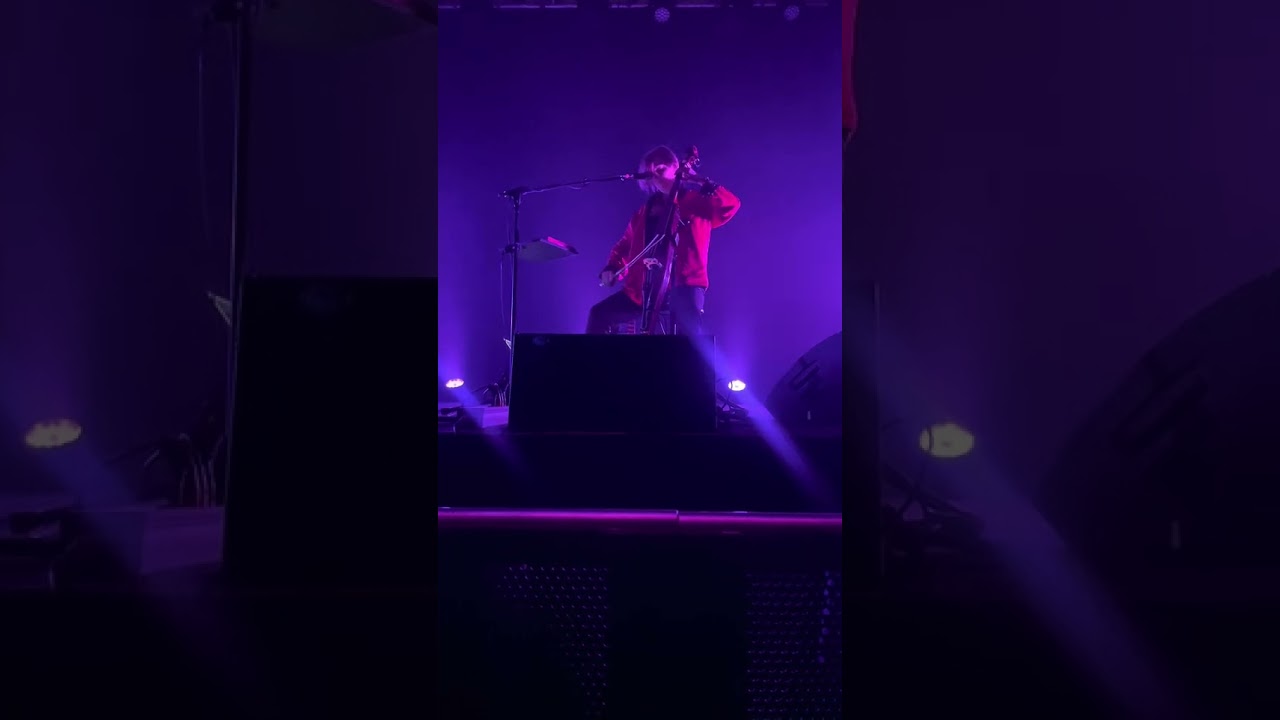
This video captures cellist Shannon Hayden performing the second part of Ezra Laderman's Fantasy for solo cello, a work that sits at the intersection of contemporary classical composition and virtuosic instrumental performance. The piece demands technical precision, tonal control, and interpretive depth—qualities essential to understanding how 20th-century composers extended the cello repertoire beyond traditional Romantic forms.

読む · 6セクション

What is Ezra Laderman's Fantasy for Solo Cello?

Ezra Laderman (1924–2011) was an American composer whose works often bridged tonality and modernist techniques. His Fantasy for solo cello belongs to the post-war era of chamber music, when composers sought to revitalize the solo cello repertoire with new formal structures and harmonic language. Unlike the Romantic concertos that dominated earlier cello literature, Laderman's Fantasy employs a more compressed, episodic structure—a form that mirrors the improvisatory nature suggested by the title itself.

The Fantasy genre in classical music traditionally implied freedom from strict meter and harmonic constraint, allowing composers to explore introspection and technical virtuosity in equal measure. Laderman's approach combines this conceptual freedom with carefully controlled harmonic progressions and rhythmic phrases that reveal modernist sensibilities.

Performance Context: Graduate Degree Recital at Yale

This performance comes from Shannon Hayden's graduate degree recital at Yale University, one of the premier institutions for classical music training in North America. Graduate recitals represent a critical threshold in a musician's development—they require the performer to demonstrate technical mastery, interpretive maturity, and the ability to command a diverse repertoire ranging from canonical works to contemporary pieces.

The inclusion of Laderman's Fantasy in a degree recital signals intentionality. Rather than defaulting to safer, well-known works, Hayden selected a piece that demands both precision and artistic sensitivity—a choice that reflects serious engagement with 20th-century chamber music. Laderman's work, while not as widely performed as Bach's Suites or Elgar's Concerto, occupies an important place in the contemporary cello canon.

Technical and Interpretive Demands of the Piece

The cello's role in Laderman's Fantasy is fundamentally different from its role in Romantic-era concerti. Rather than serving as a vehicle for sweeping melodies and display passages, the instrument functions as an exploration of timbral possibilities and harmonic depth. The performer must navigate rapid position changes, varied articulations, and shifts between sustained singing tone and more percussive, rhythmically precise passages.

Solo cello repertoire composed after 1945 often reflects what composers learned from Bartók and Stravinsky about the instrument's full range of sonic colors. Laderman's writing for the cello likely incorporates:

  • Extended range: utilizing the full spectrum of the cello from low C to high registers rarely explored in earlier repertoire
  • Multiple articulations: contrasting legato phrases with pizzicato, col legno (striking with the bow wood), and other non-traditional techniques
  • Harmonic complexity: intervals and chord structures that reflect mid-20th-century compositional language rather than functional tonality
  • Rhythmic independence: avoiding strict metrical alignment in favor of flexible phrasing that evokes the "fantasy" title

Hayden's performance of "part 2" suggests the work either has distinct movements or substantial formal divisions. The second part would typically contrast with what preceded it—perhaps introducing new material, heightening technical demands, or shifting emotional trajectory. Navigating this transition while maintaining interpretive coherence is part of what makes recital performance challenging.

The Solo Cello Renaissance in 20th-Century Composition

The cello enjoyed a remarkable expansion in its solo repertoire during the 20th century. Composers like Benjamin Britten, Witold Lutosławski, and Krzysztof Penderecki created works that fundamentally expanded what the instrument could express. These pieces moved beyond display and sentiment into territories of structural innovation and sonic experimentation.

Laderman's generation of American composers—including Elliott Carter, Milton Babbitt, and George Perle—approached composition with rigorous formal thinking while remaining engaged with lyrical expression. The Fantasy likely reflects this balance: a work that is intellectually coherent yet emotionally communicative, technically demanding yet musically coherent.

What Makes a Successful Contemporary Cello Performance?

Playing unfamiliar contemporary works requires interpretive choices that differ from performing established canonical pieces. With Bach or Elgar, performers inherit centuries of recorded tradition and written analysis. With a work like Laderman's Fantasy, the performer must:

  • Study the score with meticulous attention to every marking, since contemporary composers often use notation with specific intent
  • Make informed decisions about tempo flexibility and phrasing without relying on established performance tradition
  • Achieve technical security in passages that may feel unfamiliar or awkward under the fingers
  • Communicate the piece's emotional and structural logic to an audience that may be encountering it for the first time

Hayden's choice to perform this work at such a significant threshold in her training suggests she undertook this interpretive responsibility seriously.

Where to Go from Here

If you're interested in exploring more contemporary cello repertoire, begin with foundational 20th-century works: Britten's Cello Suites, which deliberately echo Bach while extending the instrument's language; Lutosławski's Cello Concerto, which showcases compositional innovation; and works by American composers such as George Crumb, whose Ghosts for solo cello expands the instrument's sonic palette even further. Laderman's Fantasy fits naturally into this lineage—neither as radical as Crumb nor as traditionally rooted as Britten, but a thoughtful middle ground that rewards close listening and serious performance.

For performers, this video models how to approach unfamiliar repertoire: with technical preparation, interpretive thoughtfulness, and respect for the composer's intention.
Comments

Loading the conversation…

Shannon Hayden
ArtistShannon Hayden

Multi-instrumentalist composer and music teacher who blends folk, classical, and experimental music to create transformative sonic experiences that foster healing and self-expressi…

プロフィールを見るウェブサイト
トピックを見る
Solo-celloContemporary-classicalEzra-ladermanChamber-music20th-century-composition

ご質問はありますか?

よくある質問

Ezra Laderman (1924–2011) was an American composer who bridged tonality and modernist techniques. He created chamber works that extended traditional instrumental repertoire, including his Fantasy for solo cello, which reflects mid-20th-century compositional thinking while maintaining lyrical expression.
Contemporary cello works like Laderman's Fantasy prioritize timbral exploration, extended techniques, and harmonic complexity over sweeping melodies and display passages. They demand virtuosity in navigating position changes, varied articulations, and rhythmic flexibility rather than pure virtuosic display.
Including contemporary works demonstrates serious engagement with the evolving cello repertoire and shows interpretive maturity. It signals the performer's willingness to undertake the challenge of bringing unfamiliar music to life with technical security and artistic coherence.
A fantasy traditionally implies freedom from strict meter and harmonic constraint, allowing composers to explore improvisatory expression and structural innovation. Laderman's Fantasy combines this conceptual freedom with carefully controlled harmonic progressions and modernist sensibilities.
Benjamin Britten, Witold Lutosławski, Krzysztof Penderecki, and George Crumb all expanded the solo cello repertoire in the 20th century with works that incorporate extended techniques, harmonic complexity, and structural innovation beyond traditional Romantic forms.
Performers must study the score with meticulous attention to the composer's markings, make informed tempo and phrasing decisions independently, achieve technical security in unfamiliar passages, and communicate the piece's structure and intent to audiences encountering it for the first time.

読みつづける

More from Shannon

すべて表示
Void to Matter: Live Sound Performance at Ventura Music Hall
Inspire

Void to Matter: Live Sound Performance at Ventura Music Hall

Shannon Hayden explores the relationship between emptiness and physical form through a live sound performance at Ventura Music Hall.…

1 min read
When the Violin: Contemporary Choral Music and Spiritual Expression
Inspire

When the Violin: Contemporary Choral Music and Spiritual Expression

Shannon Hayden and University Singers perform Reena Esmail's "When the Violin," a contemporary choral work exploring the intersection of mus…

1 min read
Chanting as Home Base: Faith, Thought, and the Restless Mind
Inspire

Chanting as Home Base: Faith, Thought, and the Restless Mind

Krishna Das explains why chanting steadies a restless mind, how faith grows from lived experience, and what "vote" we really have over the t…

1 min read
Why Life Keeps Testing You: Building on Rock, Not Sand
Inspire

Why Life Keeps Testing You: Building on Rock, Not Sand

Eckhart Tolle reads the house-on-rock parable to explain why life keeps challenging us. A rooted inner dimension, he says, keeps grief from …

1 min read

探索を続ける

旅をつづける

BrightStarのディレクトリから、さらなる智慧と集いを。

もっと記事を読む

教え、インタビュー、ガイドのライブラリ全体をご覧ください。

すべての記事に戻る →

講師とアーティスト

コンシャスな世界の系譜、音楽家、導き手を探しましょう。

アーティストを探す →

イベントを見つける

キルタン、リトリート、サウンドバス、ブレスワーク、フェスティバル — まもなく開かれます。

イベントを見る →