BrightStar

すべてのEventsを見る

意識ある集いに出会う

events

Yoga
Meditation
Breathwork
Qigong
Tai Chi
Sacred Music
World Music
Medicine Music
Sound Healing
Ecstatic Dance
人気の目的地
BaliSedonaLos AngelesCosta RicaNew YorkSan FranciscoAustinMiamiJoshua TreeTulum
すべてのカテゴリを見るすべての目的地を見る

すべての機能を探索

イベントを成長させる強力なツール

プラットフォーム機能

スマートダイナミックプライシング
チケットカテゴリ
座席指定
カート放棄リカバリー
訪問者リカバリー
寄付とスライディングスケール
アフィリエイトシステム
チケットスキャナー
クーポンコード
カスタム質問
チケット共有
アップセルとアドオン
分析とレポート
メールシーケンス
ウェイトリスト / 通知 / リマインダー
人と場所
Artists & TeachersEvent OrganizersVenues & StudiosKnowledge BaseGlossaryInspiration
すべての機能を見る私たちについて
料金ブログ
Language
Saved events
すべてのイベントを見る

events

YogaMeditationBreathworkQigongTai ChiSacred MusicWorld MusicMedicine Music

人気の目的地

BaliSedonaLos AngelesCosta RicaNew YorkSan Francisco

人と場所

Artists & TeachersEvent OrganizersVenues & StudiosKnowledge BaseGlossaryInspiration

プラットフォーム機能

スマートダイナミックプライシングチケットカテゴリ座席指定カート放棄リカバリー訪問者リカバリー寄付とスライディングスケールアフィリエイトシステムチケットスキャナークーポンコードカスタム質問チケット共有アップセルとアドオン分析とレポートメールシーケンスウェイトリスト / 通知 / リマインダー
すべての機能を見る私たちについて
料金ブログ
ログイン探求者クリエイター
  • すべてのイベントを見る
  • 探求者向け
  • ヨガ
  • 瞑想
  • ブレスワーク
  • 気功
  • 太極拳
  • 聖なる音楽
  • ワールドミュージック
  • メディスンミュージック
  • サウンドヒーリング
  • エクスタティックダンス
  • リトリート
  • ワークショップ
  • すべてのカテゴリ →
  • Bali
  • Sedona
  • Los Angeles
  • Costa Rica
  • Tulum
  • Byron Bay
  • San Francisco
  • Austin
  • New York
  • San Diego
  • Denver
  • Seattle
  • Portland
  • Miami
  • すべての都市 →
  • Join the Movement
  • Why we list
  • Sell Globally
  • クリエイター向け
  • チーム向け
  • ライター向け
  • 講師向け
  • キルタンアーティスト向け
  • スタジオ向け
  • フェスティバル向け
  • リトリートセンター向け
  • 非営利団体向け
  • ブランドアンバサダー
  • 無料チケット販売
  • Elevate
  • Amplify
  • 50万人以上のバイヤーネットワーク
  • カート放棄リカバリー
  • スマートダイナミックプライシング
  • チケットカテゴリ
  • 定期イベント
  • 座席指定
  • アフィリエイトシステム
  • ウェイトリスト / 通知
  • チケットスキャナー
  • 埋め込みウィジェット
  • イベント配信
  • メッセージセンター
  • インテグレーション
  • レポート
  • すべての機能 →
  • 概要
  • エコシステム
  • ブログ
  • 用語集
  • インスピレーション
  • ヘルプセンター
  • お問い合わせ
  • APIドキュメント
  • ブランドアセット
  • 採用
  • プレス
  • 利用規約
  • プライバシーポリシー

イベント

  • すべてのイベントを見る
  • 探求者向け
  • ヨガ
  • 瞑想
  • ブレスワーク
  • 気功
  • 太極拳
  • 聖なる音楽
  • ワールドミュージック
  • メディスンミュージック
  • サウンドヒーリング
  • エクスタティックダンス
  • リトリート
  • ワークショップ
  • すべてのカテゴリ →

目的地

  • Bali
  • Sedona
  • Los Angeles
  • Costa Rica
  • Tulum
  • Byron Bay
  • San Francisco
  • Austin
  • New York
  • San Diego
  • Denver
  • Seattle
  • Portland
  • Miami
  • すべての都市 →

クリエイター向け

  • Join the Movement
  • Why we list
  • Sell Globally
  • クリエイター向け
  • チーム向け
  • ライター向け
  • 講師向け
  • キルタンアーティスト向け
  • スタジオ向け
  • フェスティバル向け
  • リトリートセンター向け
  • 非営利団体向け
  • ブランドアンバサダー
  • 無料チケット販売
  • Elevate
  • Amplify

機能

  • 50万人以上のバイヤーネットワーク
  • カート放棄リカバリー
  • スマートダイナミックプライシング
  • チケットカテゴリ
  • 定期イベント
  • 座席指定
  • アフィリエイトシステム
  • ウェイトリスト / 通知
  • チケットスキャナー
  • 埋め込みウィジェット
  • イベント配信
  • メッセージセンター
  • インテグレーション
  • レポート
  • すべての機能 →

会社

  • 概要
  • エコシステム
  • ブログ
  • 用語集
  • インスピレーション
  • ヘルプセンター
  • お問い合わせ
  • APIドキュメント
  • ブランドアセット
  • 採用
  • プレス
  • 利用規約
  • プライバシーポリシー
BrightStar
アプリを入手
App StoreからApp StoreGoogle Playで手に入れようGoogle Play
© 2026 BrightStar. 全著作権所有.
Inspiration

Cunaq Performed Live at Praia Almada, Ubatuba, Brazil

Curawaka
Curawaka
Jan 3, 2014
読了 約6分

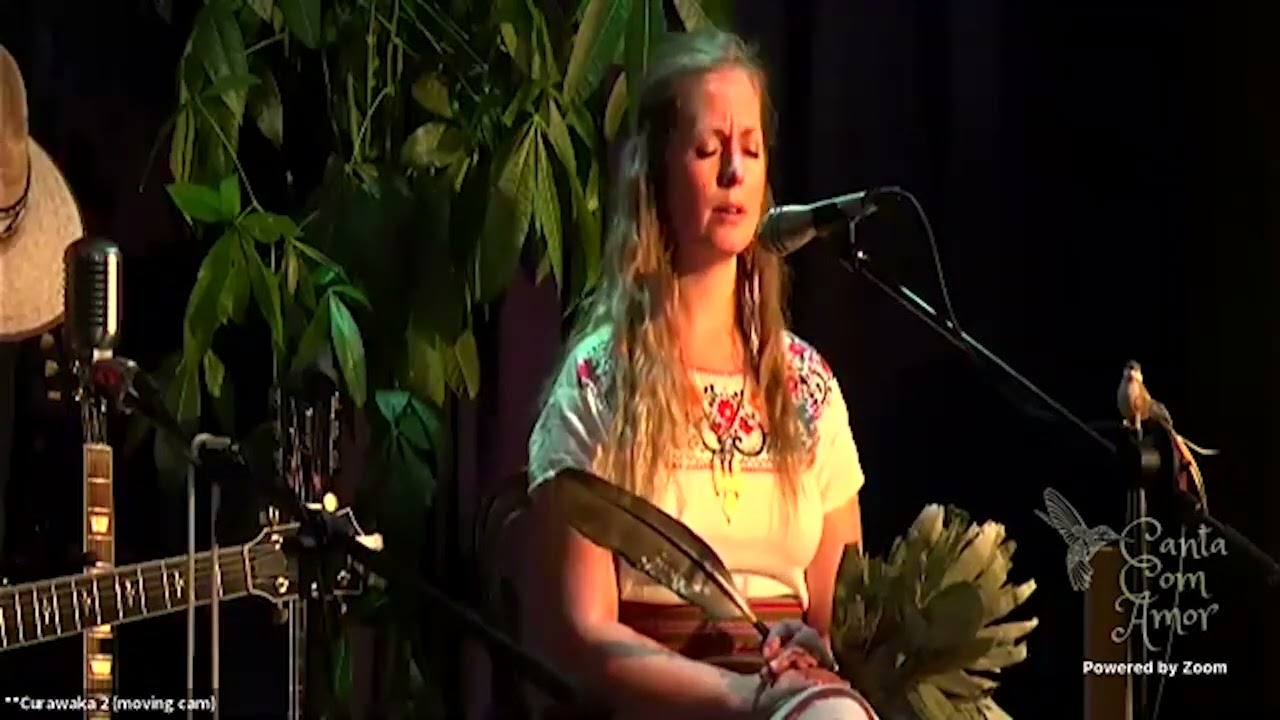
On the second day of January 2014, on Praia Almada in Ubatuba, a stretch of Brazil's southeastern coast known for its green hills running down to the water, a group of musicians stood in the open air and sang a piece called Cunaq. The Curawaka Official channel posted the recording that month, and the video runs about four and a half minutes. It is a plain, unhurried document of a song in performance: no stage dressing, no cut-away montage, just the sound of a chant carried by the place it was sung in. For anyone arriving at it now, the video works as a small window into how sacred and devotional music travels from one setting to another, and into how a single piece can carry more than one name and more than one lineage at once.

読む · 5セクション

What is the video actually showing?

The description is brief, and it is worth reading closely because it does most of the work of framing the clip. It states that Curawaka is performing "Cunaq" "as known by Shimshai," and it gives the date and place: 2 January 2014, Praia Almada, Ubatuba, Brazil. It also notes that a new album was out at the time, with a pointer to the artist's own website. That is the full extent of the written context. There are no liner notes, no credits list, and no lyric sheet in the description, so anything beyond those facts would be guesswork, and this article will not guess.

What the video offers instead is the performance itself. Recorded outdoors, the chant has to contend with wind, surf, and open air, which changes how a voice sits in the mix. A chant recorded in a room decays back toward the walls; a chant recorded on a beach dissolves into distance. Listen for that. The edges of each phrase soften, and the drone or pulse underneath seems to belong to the landscape as much as to the singers.

Why does the phrase "as known by" matter?

This is the detail that rewards attention. Attributing a song "as known by" a particular person is a way of saying that the version you are hearing comes from a specific source rather than from a single, fixed original. In devotional and oral traditions, a melody or chant is rarely owned in the way a studio recording is owned. It is passed from teacher to student, from one community to another, and it bends a little with each carrier. Naming the person who knows it is a form of honesty about that chain. It tells the listener that the performance is one link in a transmission, not the final word on what the song is.

That framing changes how to listen. Rather than asking whether this is the "correct" Cunaq, a more useful question is what this version keeps and what it lets go of: the contour of the melody, the rhythm of the breath, the places where the voices come together and where they open apart. Variation in a living chant is not a flaw to correct. It is the mechanism by which the song stays alive.

How should you listen to a live chant recorded outdoors?

Start with the breath. In many chant traditions the phrase length is governed by how long a singer can comfortably sustain a note, which means the pauses between phrases are part of the music and not dead air. On a beach, with waves in the background, those pauses fill with the sea, and the rhythm of the water can seem to answer the rhythm of the voices.

Next, listen for the foundation. Whatever sits underneath the melody, whether a steady pulse, a sustained tone, or a simple repeating figure, gives the chant its sense of ground. Stay with it for a full minute before following the melody. You will hear how the upper voices move freely against a fixed reference, and how that tension produces the feeling of settling and lifting that such chants are known for.

Finally, listen to the room that the recording creates. An open beach has no walls to return sound, so any reverberation is coming from the air and the shoreline. Notice how little artificial echo there is, and how the voices sound closer and more exposed than in a studio. That closeness is part of what makes field recordings of devotional music feel intimate even when the sound is distant and rough.

What does a short video like this teach about the wider tradition?

A four-minute clip cannot tell the full history of any chant, and it would be a disservice to pretend it could. What it can do is demonstrate a principle: that devotional music is most fully itself when it is sung in a real place, by people who know it, for a reason beyond the recording. The beach, the date, and the attribution in the description are not decoration. They are the facts that locate the song in time and in relationship.

The fact that a video of this kind drew a very large audience over the years also suggests how many listeners are drawn to music that does not arrive pre-packaged. Viewers who came for a chant on a beach were, in effect, looking for a sound that sounds like it was made in the moment and for a purpose. The minimal production of the clip is the point.

Where to go from here

If this recording has pulled you in, the most useful next step is to listen to it several times with a single focus each time: first the breath and the pauses, then the sustained foundation, then the room. Pay attention to the attribution as well. Whenever you encounter a chant credited "as known by" someone, treat that credit as a doorway into the question of lineage rather than a label to be checked off. For the album that was promoted alongside the video, the artist's own website is listed in the description at www.music.curawaka.com, which is the most direct place to hear more of the work and to read whatever the artist chooses to say about it. Listen slowly, listen outdoors if you can, and let the sea stand in for the reverb.
Comments

Loading the conversation…

Curawaka
ArtistCurawaka

International sacred world music band blending indigenous traditions, ceremonial rhythms and powerful vocals, led by Norwegian vocalist Anna Bariyani, who sings in seven languages.

プロフィールを見るウェブサイト
トピックを見る
CunaqChantKirtanDevotional-musicLive-performance

ご質問はありますか?

よくある質問

According to the video description, the performance was recorded on 2 January 2014 at Praia Almada in Ubatuba, Brazil. The setting is outdoors on the beach, which shapes how the voices sound and how the recording feels.
The phrase attributes this version of the chant to a specific source, indicating it comes from a particular person's knowledge rather than a single fixed original. The description does not give further detail about that lineage, so the credit is best read as a marker of transmission.
The video description does not include lyrics, a transcript, or a translation. Anyone seeking the words should look to the artist's own materials or the people credited with the version rather than rely on this clip alone.
The description says a new album was out at the time and points viewers to the artist's website at www.music.curawaka.com. It does not name the album in the text provided.
Start by listening to the breath and the pauses between phrases, which are often part of the music in chant traditions. Then focus on any steady underlying pulse or tone, and finally notice how the open-air setting creates a natural, unartificial sense of space.

読みつづける

More from Curawaka

すべて表示
A Prayer Before the Song: Listening to He Yama Yo
Inspire

A Prayer Before the Song: Listening to He Yama Yo

Curawaka's 2020 livestream opens with a ten-minute spoken prayer before the band plays He Yama Yo. Here is how that prayer works as music, w…

1 min read
Shamboriri: A Wixarika Prayer Song Inside a Modern Dream
Inspire

Shamboriri: A Wixarika Prayer Song Inside a Modern Dream

Curawaka's Shamboriri sets a Wixarika medicine song from Mexico inside an Oslo-recorded track. Here is what its prayer asks of us and why th…

1 min read
Sacred Music for Sacred Forests: Chanting for Trees in Rishikesh
Inspire

Sacred Music for Sacred Forests: Chanting for Trees in Rishikesh

A short kirtan clip from Rishikesh ties chanting to forest protection. Proceeds from the 19 October concert support GoDharmic's Dharma Fores…

1 min read
Om Namah Shivaya Live Kirtan: Call, Response and the Shiva Chant
Inspire

Om Namah Shivaya Live Kirtan: Call, Response and the Shiva Chant

A live kirtan of Om Namah Shivaya, recorded at Medicine Festival 2026 in Reading, moves from slow mantra into ecstatic chant. Here is what t…

1 min read

探索を続ける

旅をつづける

BrightStarのディレクトリから、さらなる智慧と集いを。

もっと記事を読む

教え、インタビュー、ガイドのライブラリ全体をご覧ください。

すべての記事に戻る →

講師とアーティスト

コンシャスな世界の系譜、音楽家、導き手を探しましょう。

アーティストを探す →

イベントを見つける

キルタン、リトリート、サウンドバス、ブレスワーク、フェスティバル — まもなく開かれます。

イベントを見る →