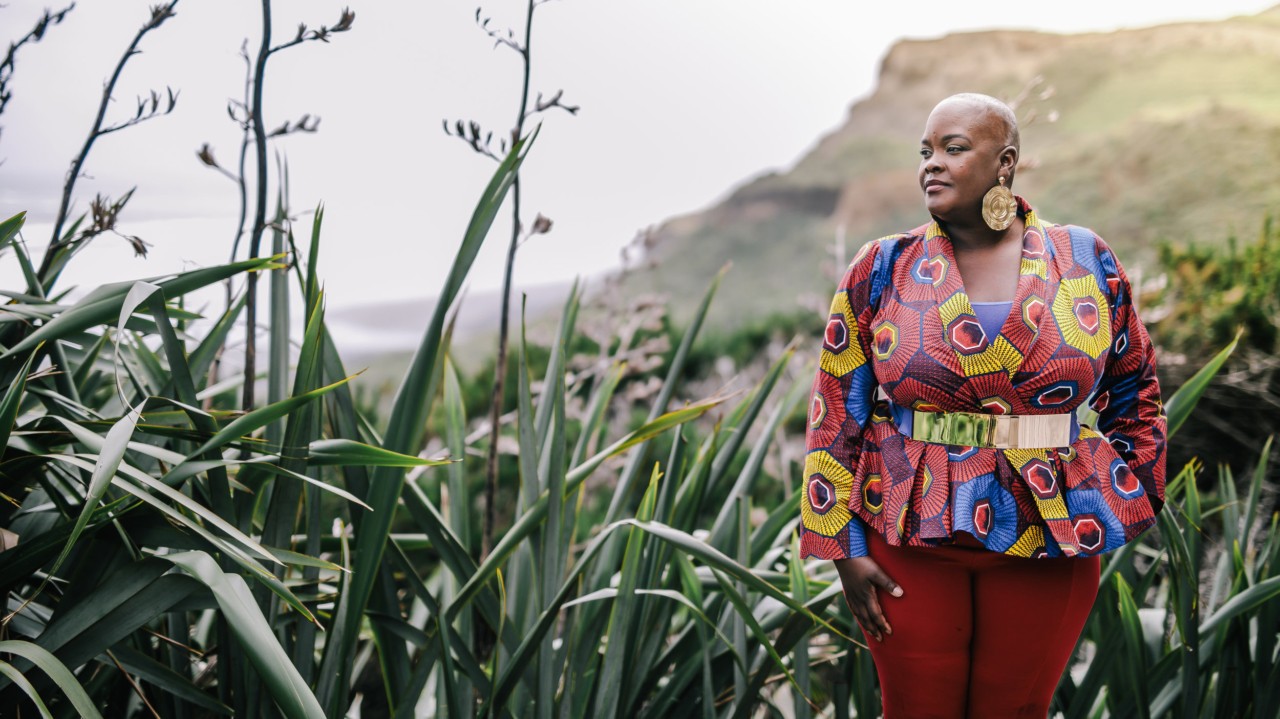

There appears to be a case of mistaken identity here worth addressing directly: Sonya Renee Taylor is not primarily known as a musician. The Columbus-born poet, National Poetry Slam champion, and radical self-love architect has built her legacy through spoken word, movement-building, and political education rather than through music composition or performance. While poetry and music share deep historical and aesthetic kinship—both working with rhythm, breath, repetition, and emotional resonance—Taylor's artistic practice centers the unaccompanied human voice in the slam poetry tradition, not musical instrumentation or melodic composition.
That said, Taylor's work does possess a distinct sonic signature that merits examination through a musical lens. Slam poetry, the tradition from which she emerged in the early 2000s, operates at the intersection of oral literature, performance art, and rhythmic speech. The genre descends from multiple lineages: the jazz-inflected Beat poetry of the 1950s, the Black Arts Movement's commitment to accessible political verse, hip-hop's cadence and wordplay, and the African-American tradition of sermonic performance with its call-and-response structures and vocal dynamics.
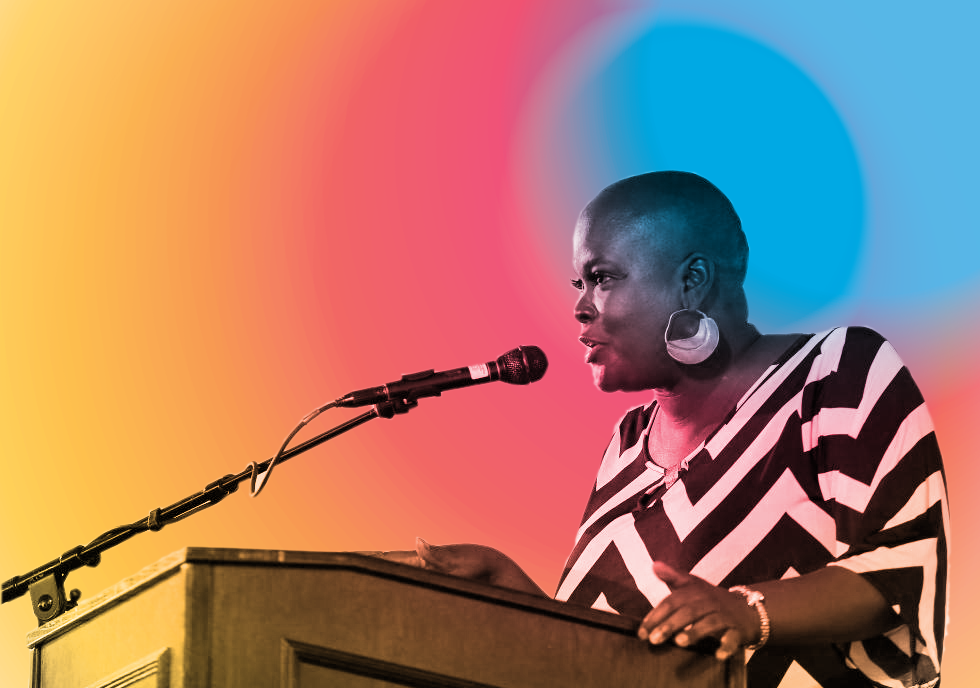
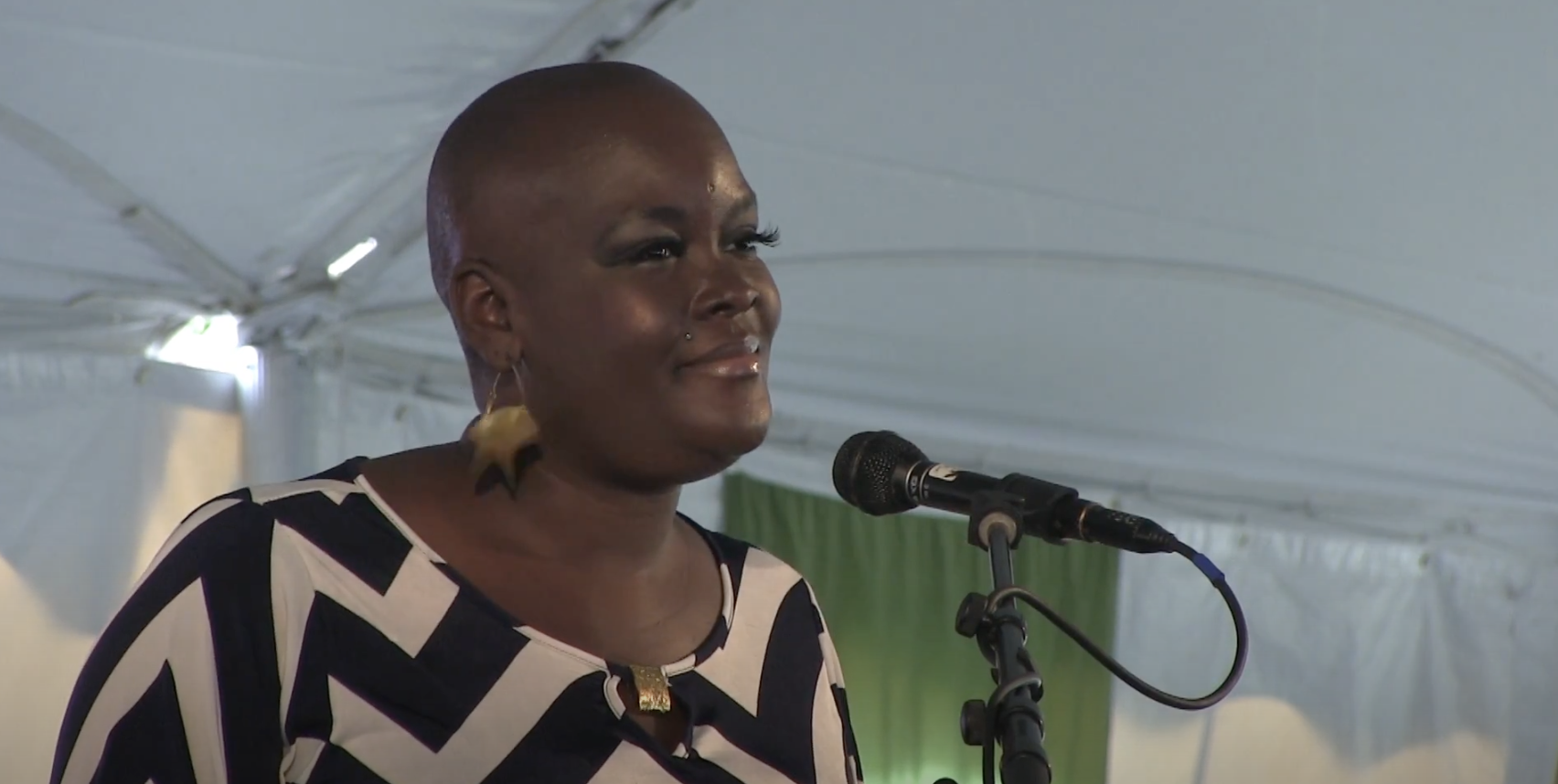
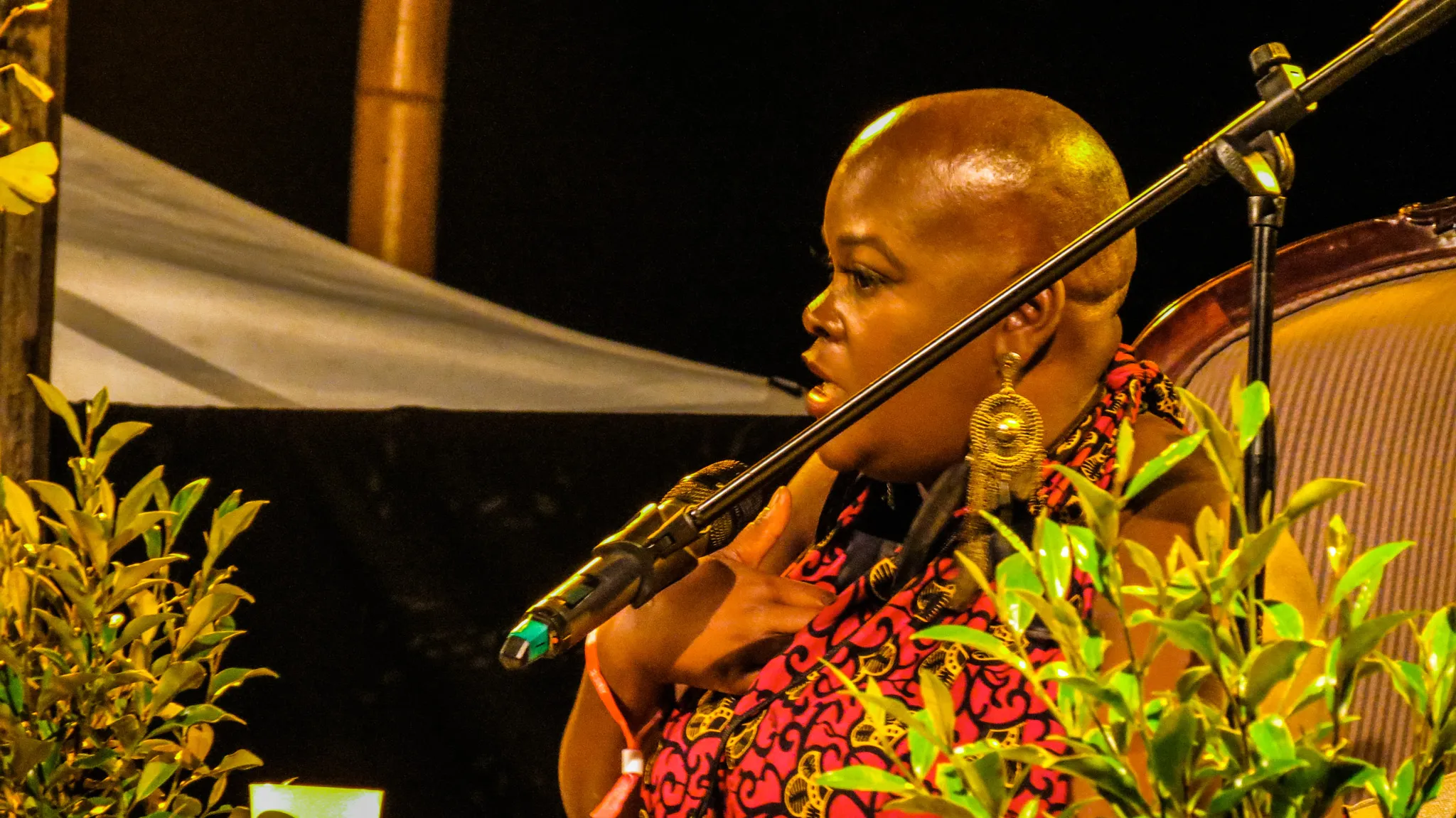
When Taylor performs, the primary instrument is her voice—not singing, but speaking with intentional modulation, tempo shifts, and strategic silence. The texture is unadorned, intimate, conversational in moments before building to declarative crescendos. There's vulnerability in the pacing, which refuses the relentless forward momentum of rap in favor of something more contemplative, allowing emotional weight to accumulate. The rhythm section is breath itself: when to pull air, when to let words tumble out in cascades, when to create space for listeners to absorb.
If we must locate Taylor within a lineage of sacred sound, it would be in the tradition of political prayer—utterances meant to reshape consciousness and material conditions simultaneously. This places her work adjacent to gospel's testifying, where personal revelation becomes communal instruction, and to the spoken word movements of Gil Scott-Heron and The Last Poets, who understood poetry as both aesthetic experience and organizing tool.
Her signature contribution lies in making body liberation theology audible. While her 2018 book The Body Is Not An Apology systematizes the philosophy of radical self-love, her performances—at poetry slams, activist gatherings, and educational spaces—render that theology as living sound. The work doesn't ask for transcendence of the body but insists on its sacredness exactly as it is. This is a fundamentally different spiritual orientation than much of the contemporary conscious music landscape, which often emphasizes rising above, dissolving boundaries, or achieving states of being beyond the physical.
Taylor's most significant collaborations haven't been with musicians or producers but with other poets, educators, and activists who share her commitment to liberation frameworks. The Body Is Not An Apology as an organization represents a different kind of collaborative artistic practice—one where the "composition" is a collective ideology being refined through essays, workshops, and community dialogue rather than through studio sessions.
The poetry slam community itself functioned as her artistic collective, a network of competitors and comrades who pushed each other's craft in venues across the United States throughout the 2000s. This circuit operates as an alternative conservatory, where poets develop their timing, learn to read audiences, and discover how meaning changes when delivered to a room full of bodies rather than onto a page.
For those approaching Taylor's work expecting music, the first adjustment is understanding that silence and space function differently here. There's no instrumental cushion, no melodic hook to carry you through difficult content. You're left with language, delivery, and the performer's physical presence. What may surprise is how much emotional range exists within these constraints—how humor and grief can occupy the same breath, how a well-placed pause can hit as hard as any bass drop.
Her work rewards the kind of deep listening usually reserved for intimate acoustic performances. The tempo is human-scaled, built for processing rather than dancing. Expect directness about bodies, trauma, systems of oppression, and the radical proposition that you are enough exactly as you are. There's no spiritual bypass here, no suggestion that love and light alone will heal structural violence.
In the wider conscious-music landscape, Taylor's spoken word practice occupies a necessary counterpoint to the often apolitical, individualistic tendencies of contemporary wellness culture. While much conscious music focuses on personal awakening, her work insists that liberation is always collective, always intersectional, always grounded in material bodies navigating unjust systems. This aligns her more closely with politically engaged hip-hop artists and activist musicians than with kirtan practitioners or new age sound healers, even as she shares their commitment to transformation through vocal expression.