
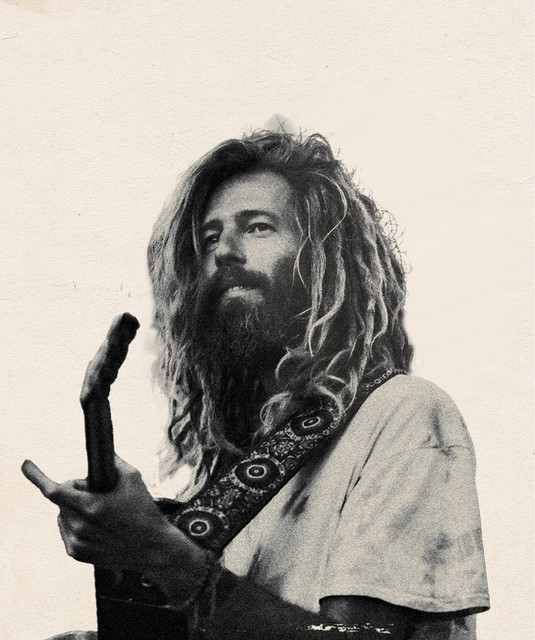
Where to Start with Sam Garrett: A Beginner's Guide
Start Here: One Family
Begin with One Family (2025), Sam Garrett's most recent full-length album. This twelve-track collection represents his mature sound—a blend of folk warmth, soul depth, and spiritual inquiry without the heavy-handedness that can make "conscious music" feel inaccessible. The production is clean enough for newcomers but textured enough to reward repeated listens. You'll hear acoustic guitars, subtle world music influences, and Garrett's voice doing what it does best: conveying sincerity without performance.
This album works as an entry point because it balances accessibility with substance. The songs function as songs first, mantras second. You can listen casually while cooking dinner, or you can sit with headphones and let the spiritual themes wash over you. Either approach works.
After One Family: Your Next Steps
Once One Family feels familiar, move to the Apu single (2026). This four-track release shows Garrett experimenting with his sound—more production layers, more rhythmic complexity. It's a glimpse of where he's heading and provides contrast to understand what makes the album work.
Then try La Luz, both the single version (December 2025) and the full album (April 2026). The single gives you the song in its original form; the seven-track album builds a world around it. This progression—from single to album—mirrors how many discovered Garrett's music organically, following breadcrumbs of releases.
If you're still curious, La Luna Llena y Yo (February 2026) offers something different: Garrett incorporating Spanish-language influences, showing the "world music" aspect of his work isn't aesthetic decoration but genuine engagement with other traditions.
What to Expect on First Listen
Garrett's music arrives quietly. There are no dramatic builds or explosive choruses designed to grab you by the collar. Instead, expect patient melodies, spacious arrangements, and lyrics that value clarity over cleverness. His voice—earnest, unvarnished—either draws you in immediately or takes time to appreciate. The spiritual content is present but not preachy; he's sharing rather than converting.
The production feels organic without sounding lo-fi. Everything has space to breathe. You'll hear influences from folk traditions, soul music's emotional directness, and the meditative quality of mantra practice, but Garrett synthesizes these rather than juxtaposing them.
Common Misunderstandings
First-time listeners often mistake Garrett for background music—something pleasant to have on while working. While his music can function that way, treating it as sonic wallpaper misses the craftsmanship in the songwriting and the intention behind the lyrics.
Others approach his work expecting either pure folk traditionalism or fully devotional mantra music, then feel confused by his hybrid approach. Garrett occupies a middle space: songs with spiritual themes that remain songs, not prayers set to music.
Some dismiss him as "festival music" or "yoga music," which reduces his work to its cultural context rather than engaging with its substance. Yes, you'll hear his songs in those settings, but that's where they reach people, not the limit of their value.
When This Work Lands Hardest
Garrett's music tends to resonate most during life transitions—those in-between periods when you're questioning old patterns but haven't yet found new ones. It works for people in their late twenties and early thirties navigating the gap between youthful certainty and adult complexity.
His songs also land during moments of intentional slowness: early mornings, solo travel, recovery periods after burnout or illness. Times when you're ready to listen rather than distract. If you're actively seeking meaning rather than numbly going through motions, Garrett offers companionship without demanding conversion to any particular worldview.
A One-Week Starter Plan
Day 1-2: Listen to One Family start to finish, twice. First time, just listen. Second time, note which songs pull you back.
Day 3: Revisit your favorite three tracks from the album. Read the lyrics if available.
Day 4: Listen to the La Luz single, then the full album the next day. Notice what changes when a song becomes a world.
Day 5: Try Apu. Pay attention to how the production differs from One Family.
Day 6: Listen to La Luna Llena y Yo. Consider what the Spanish-language incorporation adds.
Day 7: Return to One Family. Notice what you hear differently now that you understand Garrett's range.
By week's end, you'll know whether his particular blend of folk, soul, and spiritual exploration speaks to you—or whether you've simply enjoyed a week of pleasant listening.