Your First Visit to The Yoga Barn: What to Expect

Your First Visit to The Yoga Barn: What to Expect
Arriving at the Wellness Village
When you first arrive at The Yoga Barn, tucked into a verdant corner of downtown Ubud, you'll likely feel a momentary disorientation—this place doesn't announce itself with grand gates or resort signage. Instead, you'll find yourself entering what feels like a hidden village of indigenous wooden buildings connected by stone pathways and tropical gardens. Check-in happens at the main reception area, where the staff—a mix of Balinese locals and international residents—will greet you with genuine warmth rather than corporate efficiency.
The process is refreshingly uncomplicated. You'll receive a locker key if you're attending daily classes, or room keys if you're staying on-site, along with a printed schedule that you'll quickly realize is more suggestion than scripture. This isn't a resort with programmed activities; it's a living space where over 180 weekly classes create a rhythm you'll sync with naturally. Take a moment during check-in to ask about the healing center if you're curious—there are dozens of modalities available, from sound healing to Ayurvedic consultations, though these typically require advance booking.
The Daily Rhythm of Practice
The Yoga Barn wakes early, with first classes beginning around 7 AM, though there's no bell summoning you from sleep. Unlike a structured retreat where everyone moves through the same schedule, this is choose-your-own-adventure wellness. Morning typically draws practitioners to Hatha, Vinyasa Flow, or Ashtanga classes, with the more athletic sessions front-loaded before Bali's heat settles in.
The vegetarian café becomes the gathering point between morning and midday sessions. You'll notice it's not just a place to eat—it's where the international wellness community actually lives, lingering over turmeric lattes and acai bowls, comparing notes on teachers and techniques. Lunch service runs long and lazy, very much in tune with tropical time.
Afternoons offer gentler practices—Yin Yoga, restorative sessions, Qi Gong—along with workshops that dive deeper into specific traditions. Early evenings might bring Ecstatic Dance sessions or Bhakti kirtan circles, those devotional singing gatherings that sound intimidating until you're caught up in the collective energy. By 8 PM, the center winds down, syncing with Ubud's early-to-bed culture.
Living Spaces and Creature Comforts
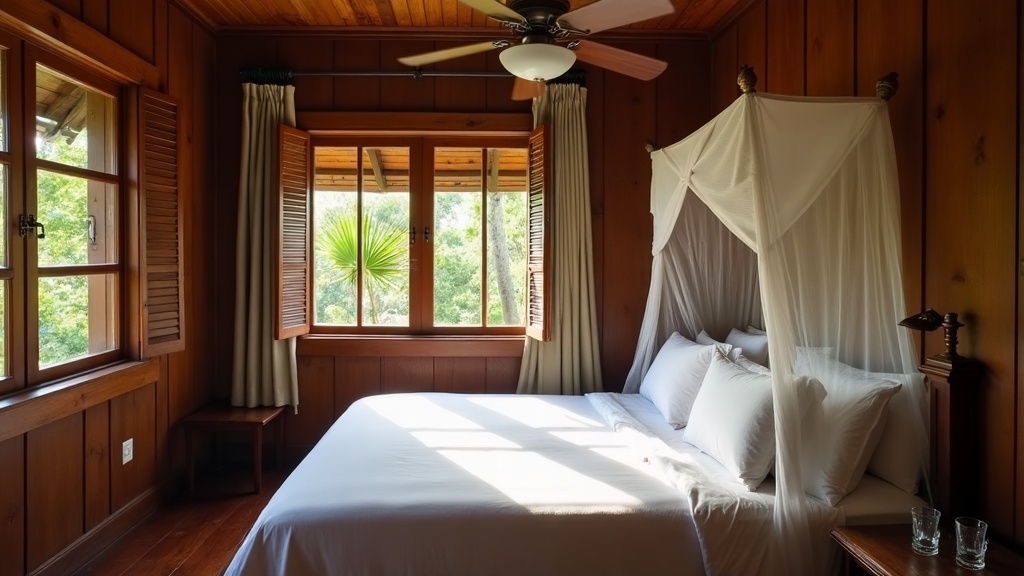
The on-site accommodations embrace rustic authenticity over polished luxury. Rooms feature traditional Indonesian design—think teak furnishings, open-air elements, and bathroom spaces that blur the line between indoor and outdoor. You'll have mosquito netting (use it), fans (the climate demands them), and a aesthetic that favors natural materials and simplicity.
What you won't have is hermetically sealed, air-conditioned isolation. Sounds from the jungle and neighboring spaces carry. Geckos become roommates. The occasional rooster ignores all reasonable definitions of dawn. If you need temperature-controlled silence to sleep, this will challenge you. If you can surrender to the environment, it becomes part of the immersion—falling asleep to gamelan music drifting from a nearby ceremony, waking to the layered sounds of tropical birds and distant chanting.
Nourishment for the Practice
The café serves exclusively vegetarian fare with strong vegan options, drawing from Indonesian traditions while accommodating Western palates and dietary restrictions. The food is genuinely good—not just "good for retreat food," but legitimately flavorful and nourishing. Expect dishes like tempeh curry, dragon fruit smoothie bowls, and creative salads using local produce.
The kitchen takes allergies and dietary needs seriously, clearly labeling everything. Portions tend toward healthy rather than indulgent, which can surprise those accustomed to oversized restaurant servings. This is fuel for practice, not entertainment eating. The raw desserts and energy balls do provide treats, though sugar-cravers should adjust expectations.
What to Pack (and What to Leave Behind)
Bring comfortable practice clothes for multiple daily sessions—Bali's humidity means you'll want changes of outfit. A light rain jacket for sudden tropical showers, modest clothing for temple visits, reef-safe sunscreen, and your own yoga mat if you're particular (though rentals are available). A reusable water bottle is essential; a sarong proves endlessly useful.
Here's what you don't need: your entire yoga wardrobe, heavy makeup, expensive jewelry, rigid expectations, or aggressive goal-setting energy. The Yoga Barn's vibe is decidedly casual and authentic over Instagram-aesthetic. Also, leave the hairdryer at home—between the humidity and the power constraints, it's a losing battle.
The Unwritten Rules
Mobile phones in studios are genuinely frowned upon, not just sign-posted and ignored. The culture here maintains sacred space around practice, and scrolling between poses disrupts that. Most people leave phones in lockers or rooms during sessions.
Unlike a scheduled retreat, you're free to drop in and out of classes without guilt or explanation. There's no attendance tracking or commitment beyond what you book. This freedom is liberating but can also leave undisciplined practitioners drifting. The Ecstatic Dance and kirtan sessions welcome participation at whatever level feels authentic—no one's judging your dancing or singing voice.
The Honest Reality Check
First-timers are often surprised by two things: the genuine sense of community that forms quickly among strangers, and the physical intensity of practicing multiple sessions daily in tropical heat. What looks like a gentle schedule can leave you profoundly tired. The good kind of tired, but still—pace yourself.
The challenging part? This isn't a resort where staff anticipate your needs. It's a practice space that requires your active engagement. The overwhelming number of class choices can paralyze decision-making. The open-air architecture means you're truly in the jungle—with all its creatures and weather.
The gift? You're practicing in Ubud, surrounded by rice paddies and ceremony, in a space that's been holding this container since 2007. That longevity has created something rare: a wellness center that feels genuinely rooted rather than manufactured. Surrender to the rhythm, trust the process, and let Bali work its peculiar magic.