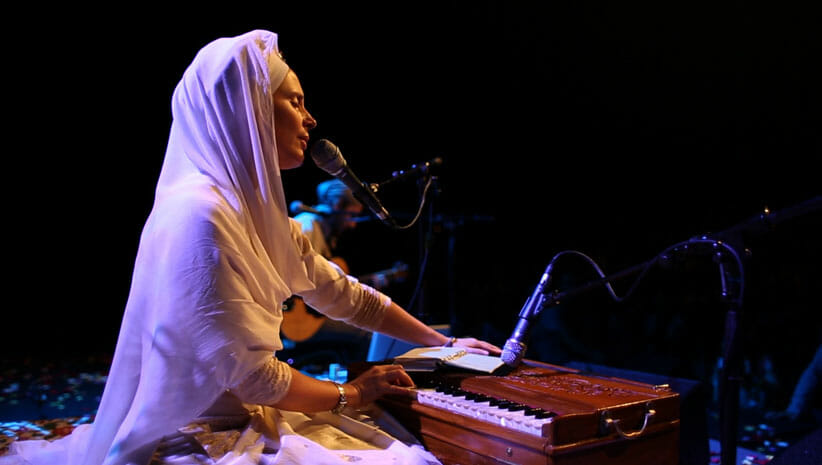
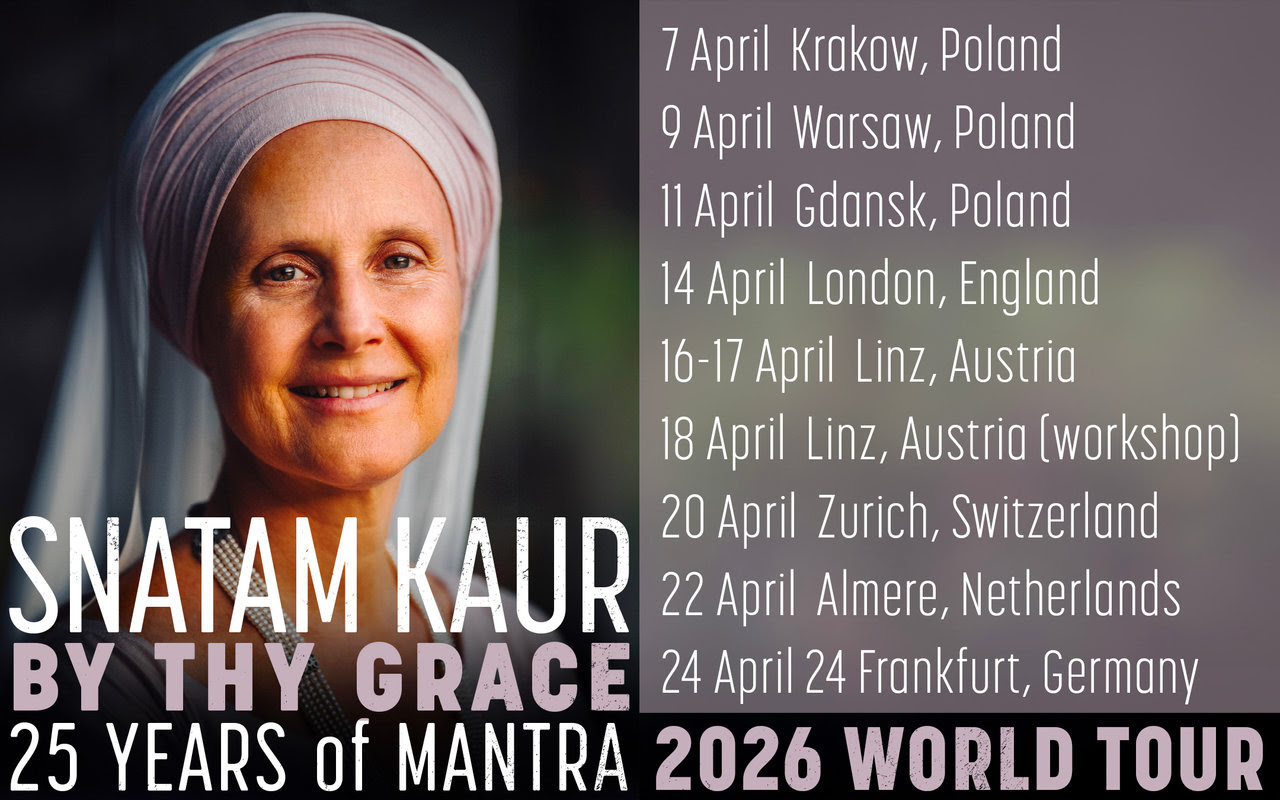
In her poignant call to "Sing for peace. Sing for love. Sing for healing," Snatam Kaur invites us to embrace the transformative power of music and song as a means of fostering connection and healing in our lives and communities. This simple yet profound directive resonates deeply in a world often fraught with discord and division. By singing, we not only express our innermost feelings but also create a space for collective healing and unity, reminding us of our shared humanity.
As we delve into the essence of this quote, we uncover layers of meaning that extend beyond mere vocal expression. Singing becomes a sacred act, a form of devotion that transcends the individual and taps into a universal longing for peace and love. In this light, Kaur's words serve as a gentle reminder of the healing potential that lies within us, urging us to harness our voices not just for personal solace but as instruments of collective transformation.
The image / the metaphor
The imagery of singing evokes a sense of liberation and joy, where the act itself becomes a vessel for conveying deep emotions. The verbs "sing for" suggest an intentionality, a purposeful engagement with the world around us. Each note sung carries the weight of our hopes and dreams, while simultaneously inviting others to join in this harmonious endeavor. The act of singing, therefore, becomes a metaphor for the interconnectedness of our experiences, where individual voices blend into a symphony of shared aspirations.
Diving deeper into the metaphor, we recognize that singing is not merely an auditory experience; it is a physical and spiritual act that resonates within our very being. When we sing for peace, we are not just vocalizing a desire; we are embodying that peace, allowing it to permeate our thoughts and actions. Similarly, singing for love and healing transforms our emotional landscape, creating ripples of compassion that extend beyond ourselves. In this way, Kaur's quote encapsulates a profound truth: that our voices, when united in purpose, can become powerful agents of change.
In the speaker's tradition
Snatam Kaur's teachings are deeply rooted in the Sikh tradition, which emphasizes the importance of community, devotion, and the pursuit of truth. Central to Sikh philosophy is the concept of *bhakti*, or devotional love, which encourages individuals to express their love for the divine through song and prayer. This act of devotion is not only a personal journey but also a communal one, as it fosters a sense of belonging and shared purpose among practitioners. Kaur's call to sing for peace, love, and healing aligns seamlessly with this ethos, inviting us to engage in a collective expression of our spiritual aspirations.
Moreover, the Sikh scripture, the Guru Granth Sahib, speaks to the power of music as a means of connecting with the divine. The *shabads*, or hymns, contained within this sacred text are designed to elevate the soul and promote inner peace. By singing these hymns, practitioners not only cultivate a deeper relationship with the divine but also contribute to the healing of their communities. Kaur's message echoes this sentiment, reminding us that our voices, when raised in harmony, can create a sanctuary of love and healing in a world that often feels fragmented.
Living the teaching
Consider a modern scenario where the teaching of singing for peace, love, and healing can be applied: a community gathering aimed at addressing local tensions. In such a setting, participants might come together to share their stories and experiences, using song as a medium to express their hopes for reconciliation. By inviting individuals to sing together, the gathering transforms into a powerful ritual of unity, allowing participants to transcend their differences and connect on a deeper level. This communal act of singing not only fosters healing but also cultivates a sense of belonging and shared purpose.
In a more personal context, imagine navigating a difficult moment in a relationship. When words fail, turning to song can provide a bridge to understanding and connection. Whether it’s singing a favorite tune that resonates with both partners or creating a new melody together, this act can serve as a form of emotional expression that transcends verbal communication. By embracing the healing power of song, individuals can find solace and clarity, allowing love to flourish even in the face of adversity.
A reflection
As we reflect on Snatam Kaur's invitation to "Sing for peace. Sing for love. Sing for healing," we are called to consider the role of our own voices in the world. How can we use our unique expressions to contribute to the healing of ourselves and our communities? In what ways can we invite others to join us in this sacred act of singing, creating a tapestry of hope and love that resonates far beyond our individual experiences? Let us ponder these questions as we seek to embody the transformative power of song in our daily lives.