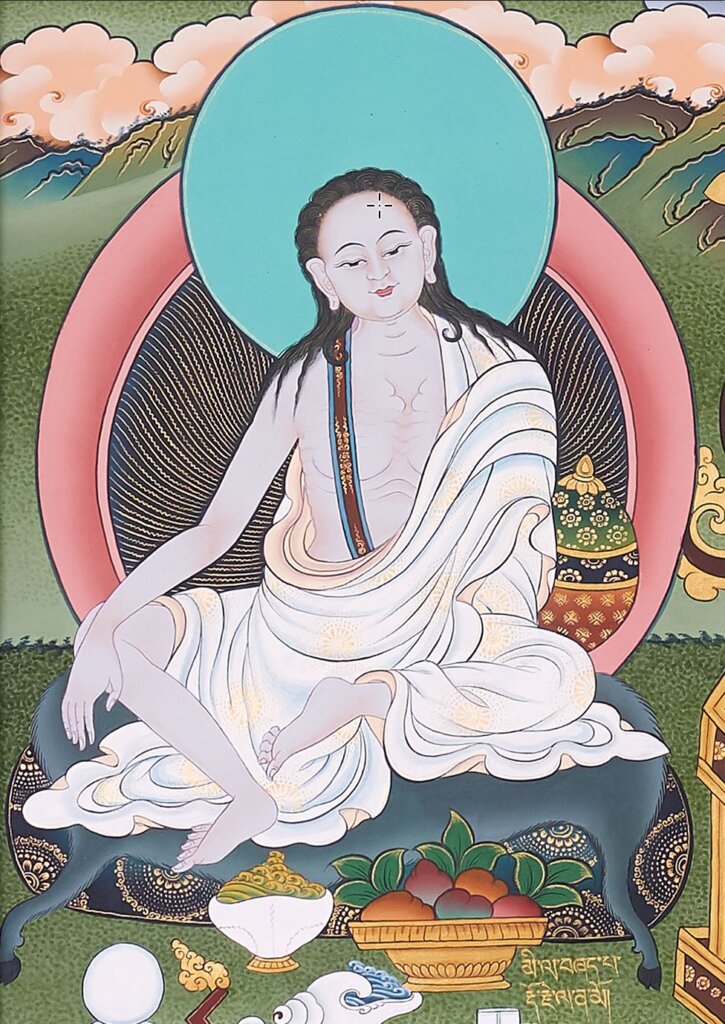
Milarepa's poignant inquiry, "In the impermanence of life, what is there to grasp?" invites us to reflect deeply on the nature of existence and our relationship with it. This question challenges the instinctual human tendency to cling to experiences, possessions, and even relationships, urging us to confront the transient nature of all things. In a world that often feels chaotic and uncertain, understanding this teaching can lead to profound liberation and peace.
At its core, this quote encapsulates a fundamental truth of life: everything is in a constant state of flux. The impermanence of life is not merely a philosophical concept but a lived reality that shapes our experiences. By recognizing the futility of grasping at the ephemeral, we can cultivate a sense of freedom and acceptance, allowing us to navigate the complexities of life with grace and equanimity.
The image / the metaphor
Milarepa's words evoke a vivid image of a river flowing ceaselessly, where nothing can be held onto for long. The verb "grasp" suggests a desperate attempt to hold onto something that is inherently fleeting, highlighting the tension between our desires and the reality of impermanence. This imagery resonates with the experience of trying to catch water in our hands, only to find it slipping through our fingers, leaving us with nothing but the awareness of our own limitations.
Delving deeper into this metaphor, we can see that the act of grasping symbolizes our attachment to the material and the transient. It reflects our innate fear of loss and change, which often leads to suffering. By recognizing that life is like a passing cloud, we can begin to appreciate the beauty of each moment without the burden of attachment, allowing us to experience life more fully and authentically.
In the speaker's tradition
Milarepa, a revered figure in Tibetan Buddhism, embodies the teachings of non-clinging and impermanence that are central to the Buddhist path. His life story illustrates the transformative power of letting go, as he moved from a life of vengeance to one of profound spiritual realization. Concepts such as dharma, or the natural law that governs the universe, and sunyata, the emptiness that characterizes all phenomena, resonate deeply with his message. These teachings encourage practitioners to cultivate wisdom and compassion, recognizing that attachment leads to suffering.
In the context of Buddhist texts, the Heart Sutra offers a relevant perspective on this theme. It states, "Form is emptiness, emptiness is form," suggesting that our perceptions of reality are inherently fluid and interdependent. This aligns with Milarepa's assertion that clinging to the impermanent only leads to disillusionment. By embracing the emptiness of all things, we can find a deeper connection to the world around us and to our own inner selves.
Living the teaching
Consider a modern scenario where this teaching can be applied: the experience of losing a job. In such a moment, the instinct may be to grasp at the security and identity that the job provided. However, by embracing the impermanence of this situation, one can find the opportunity for growth and new beginnings. This perspective allows for a more resilient response, transforming what could be a source of despair into a catalyst for personal evolution.
In relationships, the concept of non-grasping can be equally transformative. When we cling to the idea of a partner as a source of happiness, we risk suffocating the relationship with expectations and fears. Instead, by appreciating the beauty of the connection without the need to possess or control it, we can foster a deeper bond rooted in mutual respect and understanding. This practice of non-clinging invites us to love more freely, celebrating the moments we share without the weight of attachment.
A reflection
As we contemplate Milarepa's profound question, we are invited to explore our own lives and the ways we cling to the impermanent. What are the things we hold onto tightly, and how do they shape our experiences? In recognizing the transient nature of life, we can begin to cultivate a sense of peace and acceptance. Consider this contemplative question: In what areas of your life can you practice letting go, allowing yourself to embrace the beauty of impermanence?
