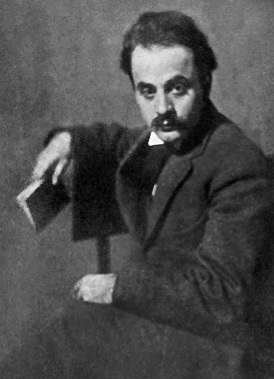
Kahlil Gibran's poignant words, "If you love somebody, let them go, for if they return, they were always yours. If they don't, they never were," invite us into a profound exploration of love and freedom. At first glance, this quote may seem paradoxical, suggesting that true love requires a willingness to release our attachments. Yet, it speaks to the deeper truth that love, when genuine, is not possessive but liberating, allowing both individuals to flourish in their own right. The stakes of this teaching are high; they challenge our conventional understanding of love and relationships, urging us to embrace a more expansive view of connection.
Delving deeper, Gibran's insight reveals the dual nature of love: it is both a bond and a release. To love someone is to recognize their autonomy, to honor their journey, and to trust that the universe will guide them where they need to be. This perspective shifts the focus from ownership to a celebration of freedom, suggesting that love is not a tether but a gentle breeze that encourages growth. In this light, the quote becomes a meditation on the nature of attachment and the courage it takes to let go, inviting us to reflect on our own relationships and the ways we may inadvertently cling to those we cherish.
The image / the metaphor
The imagery in Gibran's quote is rich and evocative, conjuring a sense of openness and possibility. The act of letting go is not merely a physical release but an emotional and spiritual one, suggesting a deep trust in the unfolding of life. The verbs "let" and "return" carry weight, implying that love is an active choice rather than a passive state. This dynamic interplay between freedom and connection creates a felt sense of both vulnerability and strength, as we navigate the complexities of our relationships.
Going deeper into the metaphor, we can see that letting go does not equate to abandonment; rather, it is an invitation to embrace the unknown. The phrase "if they return" implies a natural cycle of connection, where love can be tested and reaffirmed. This cyclical nature of love reflects the rhythms of life itself, where moments of separation can lead to deeper understanding and appreciation. In this way, Gibran's words resonate with the idea that true love is resilient, capable of withstanding the trials of time and distance.
In the speaker's tradition
Kahlil Gibran, a luminary of Christian mysticism, draws upon themes that resonate deeply within this spiritual tradition. Concepts such as kenosis—the self-emptying of one’s own will for the sake of another—echo throughout his work. This idea aligns with the notion that love requires a relinquishing of ego, allowing space for the beloved to flourish independently. In this context, Gibran’s quote serves as a reminder that love is not about possession but about the sacred act of giving freedom.
Moreover, Gibran's thoughts can be likened to the teachings found in the writings of mystics such as Meister Eckhart, who emphasized the importance of detachment in spiritual growth. Eckhart's assertion that "the eye with which I see God is the same eye with which God sees me" reflects a similar understanding of interconnectedness and the necessity of letting go of our limited perceptions. Both Gibran and Eckhart invite us to transcend the boundaries of self and embrace a more expansive view of love that honors the divine in ourselves and others.
Living the teaching
Consider a modern scenario where this teaching might resonate: a parent watching their child prepare to leave for college. The instinct to hold on tightly can be overwhelming, driven by fears of separation and loss. Yet, in this moment, the parent faces a choice: to cling to the familiar or to embrace the transformative journey ahead. By choosing to let go, the parent not only honors their child's autonomy but also cultivates a deeper bond rooted in trust and respect. This act of releasing can lead to a more profound connection, one that acknowledges the child's growth while celebrating the love that remains.
Another application of Gibran's wisdom can be found in romantic relationships, particularly during moments of conflict or uncertainty. When faced with the possibility of separation, partners may feel compelled to hold on tightly, fearing the loss of what they have built together. However, if they can embrace the idea of letting go, they may discover that their love is strong enough to withstand the trials they face. This willingness to release attachment can lead to a renewed appreciation for one another, allowing both individuals to grow and evolve within the relationship, ultimately strengthening their bond.
A reflection
As we contemplate Gibran's profound words, we are invited to reflect on our own relationships and the nature of our attachments. Are there areas in your life where you feel the need to hold on tightly? What might it mean to let go, to trust in the natural flow of love and connection? In this inquiry, we can find the seeds of transformation, allowing love to flourish in its truest form, free from the constraints of fear and possession.
