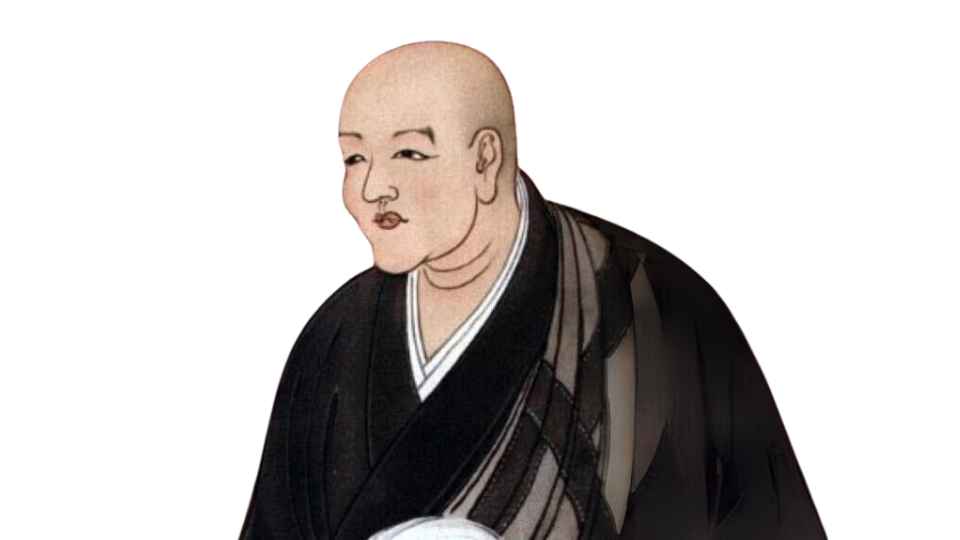
Embracing Unity: The Path Beyond Self and Other
In the profound words of Dōgen, "To be enlightened by all things is to remove the barrier between self and other." This statement invites us to reconsider the nature of our existence and the divisions we create in our minds. The stakes are high; in a world rife with separation and conflict, understanding this unity can lead to profound peace and compassion. It challenges us to dissolve the boundaries that we often perceive as fixed, urging us to recognize the interconnectedness of all beings.
As we delve deeper into Dōgen's insight, we begin to see that enlightenment is not merely an individual achievement but a collective awakening. The barriers we erect between ourselves and others are often rooted in fear, misunderstanding, and a sense of isolation. By removing these barriers, we open ourselves to a more expansive experience of life, one that is rich with empathy and understanding. This teaching is not just philosophical; it is a call to action, inviting us to engage with the world in a way that transcends our conditioned perceptions.
The image / the metaphor
At the heart of Dōgen's quote lies a vivid imagery of enlightenment as a transformative process. The phrase "enlightened by all things" suggests a dynamic interaction with the world, where every experience, every encounter, becomes a teacher. The verbs chosen—"to be enlightened" and "to remove"—imply an active participation in the unfolding of reality, rather than a passive reception of knowledge. This evokes a felt sense of awakening, where the boundaries of self dissolve into the vastness of existence.
Delving deeper into the metaphor, we can see that the "barrier" represents the illusions of separation that cloud our perception. It is a construct of the mind, built upon layers of conditioning and societal norms. When we remove this barrier, we do not simply gain knowledge; we undergo a profound transformation that allows us to experience life in its fullness. This metaphor of barrier removal speaks to the Zen practice of direct experience, where understanding arises not from intellectualization but from a deep, embodied awareness of our interconnectedness.
In the speaker's tradition
Dōgen's teachings are deeply rooted in the Zen tradition, which emphasizes direct experience and the realization of one's true nature. Concepts such as sunyata, or emptiness, resonate with the idea of removing barriers, as they point to the fundamental interconnectedness of all phenomena. In Zen, enlightenment is not an endpoint but a continuous unfolding, a process of kenosis—self-emptying—where one sheds the illusions of separateness to embrace the unity of existence. This aligns with the notion of prajna, or wisdom, which arises from seeing through the dualistic nature of reality.
In his seminal work, the Genjokoan, Dōgen articulates the relationship between practice and enlightenment, emphasizing that the two are inseparable. He writes about the importance of being fully present in each moment, suggesting that true understanding comes from engaging with life as it is, without the filters of preconceived notions. This perspective invites us to recognize that enlightenment is not a distant goal but an immediate reality that can be accessed through mindful awareness and compassionate engagement with the world around us.
Living the teaching
Consider a modern scenario where this teaching can be applied: a workplace filled with diverse perspectives and backgrounds. Often, we may find ourselves viewing colleagues as separate entities, each with their own agendas. However, if we embrace Dōgen's insight, we can begin to see our coworkers not as 'others' but as integral parts of a larger whole. This shift in perception can foster collaboration, empathy, and a sense of community, transforming the workplace into a space of shared purpose and mutual support.
Another application of this teaching can be found in personal relationships, particularly during conflicts. When we perceive our partner as 'other,' we may become entrenched in our positions, leading to misunderstandings and resentment. By removing the barrier of separation, we can approach the situation with compassion and openness, recognizing that both parties are seeking connection and understanding. This practice of seeing beyond the self can lead to deeper intimacy and healing, allowing love to flourish in the space where barriers once stood.
A reflection
As we contemplate Dōgen's profound statement, we are invited to reflect on the nature of our own barriers. What divisions do we maintain in our lives that prevent us from experiencing the fullness of connection with others? In what ways can we practice removing these barriers, both in thought and action? Consider this contemplative question: How might your life change if you fully embraced the idea that there is no true separation between self and other?


