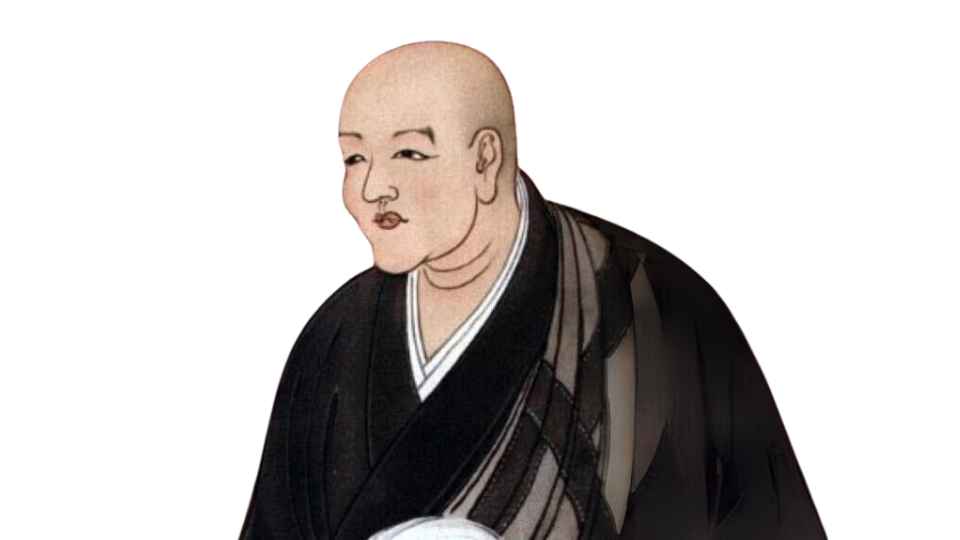
The Moon and the Water: Embracing Non-Duality in Dōgen's Wisdom
Dōgen's assertion that "Enlightenment does not divide you, just as the moon does not break the water" invites us to contemplate the profound nature of awakening. In this statement, he suggests that true enlightenment transcends dualistic thinking, revealing a wholeness that is often obscured by our perceptions. This understanding is crucial for those on a spiritual path, as it challenges the notion of separation between self and other, inviting us to experience life in its entirety.
As we delve deeper into this quote, we recognize that it speaks to the essence of non-duality, a core principle in Zen Buddhism. Dōgen's words remind us that enlightenment is not a destination to be reached but a realization of our inherent interconnectedness with all beings. This perspective encourages us to let go of the divisions we create in our minds, fostering a sense of unity that can transform our experience of reality.
The image / the metaphor
The imagery in Dōgen's quote is striking and evocative. The moon, a celestial body, reflects light upon the surface of the water, creating a beautiful interplay of illumination and reflection. The choice of the verb "break" is particularly poignant; it suggests a violent separation that is absent in the natural relationship between the moon and the water. Instead, the moon's light gently caresses the water, illuminating it without causing disruption. This imagery serves as a powerful reminder that enlightenment, like the moonlight, can illuminate our lives without fracturing our sense of self.
Dōgen's metaphor extends beyond mere imagery; it encapsulates the essence of non-duality. Just as the moon does not physically alter the water, enlightenment does not impose a division within us. Instead, it reveals the underlying unity that exists beneath the surface of our everyday experiences. This understanding invites us to explore the depths of our consciousness, recognizing that our true nature is not separate from the world around us but intricately woven into its fabric.
In the speaker's tradition
To fully appreciate Dōgen's insight, we must situate it within the broader context of Zen Buddhism. Dōgen, a 13th-century Japanese Zen master, emphasized the importance of direct experience and the realization of one's true nature. Concepts such as *sunyata* (emptiness) and *prajna* (wisdom) are central to his teachings, highlighting the idea that our perceptions of separation are illusions. In recognizing the emptiness of our constructs, we can awaken to the interconnectedness of all things, a theme that resonates deeply within the Zen tradition.
In his seminal work, *Genjokoan*, Dōgen articulates the idea that reality is not something to be grasped or divided but experienced in its fullness. He writes, "To study the Buddha Way is to study the self. To study the self is to forget the self." This passage echoes the sentiment of his quote, emphasizing that enlightenment is not a matter of acquiring knowledge or achieving a state of being but rather a profound realization of our inherent wholeness and connection to the universe.
Living the teaching
Consider a modern scenario where this teaching can be applied: a moment of conflict in the workplace. Imagine a heated discussion where differing opinions create a palpable divide among colleagues. In this situation, Dōgen's wisdom encourages us to step back and recognize that the conflict arises from our perceptions of separation. By embracing the idea that enlightenment does not divide us, we can approach the conversation with a sense of unity, seeking common ground rather than reinforcing divisions. This shift in perspective can transform the dynamics of the interaction, fostering collaboration and understanding.
Another application of this teaching can be found in our personal relationships. When faced with misunderstandings or emotional turmoil, we often feel isolated and disconnected from those we care about. Dōgen's insight serves as a gentle reminder that our feelings of separation are illusory. By cultivating awareness of our shared humanity, we can navigate difficult moments with compassion and empathy, recognizing that our true nature is rooted in connection rather than division. This practice of embracing non-duality can lead to deeper, more meaningful relationships.
A reflection
As we reflect on Dōgen's profound statement, we are invited to consider the ways in which we create divisions in our lives. How do our perceptions of separation influence our thoughts, actions, and relationships? In what ways can we cultivate a sense of wholeness and interconnectedness in our daily experiences? These contemplative questions encourage us to explore the depths of our consciousness, inviting us to embrace the light of enlightenment that illuminates our path without breaking the water of our being.


