


What is a Sound Healing Teacher?
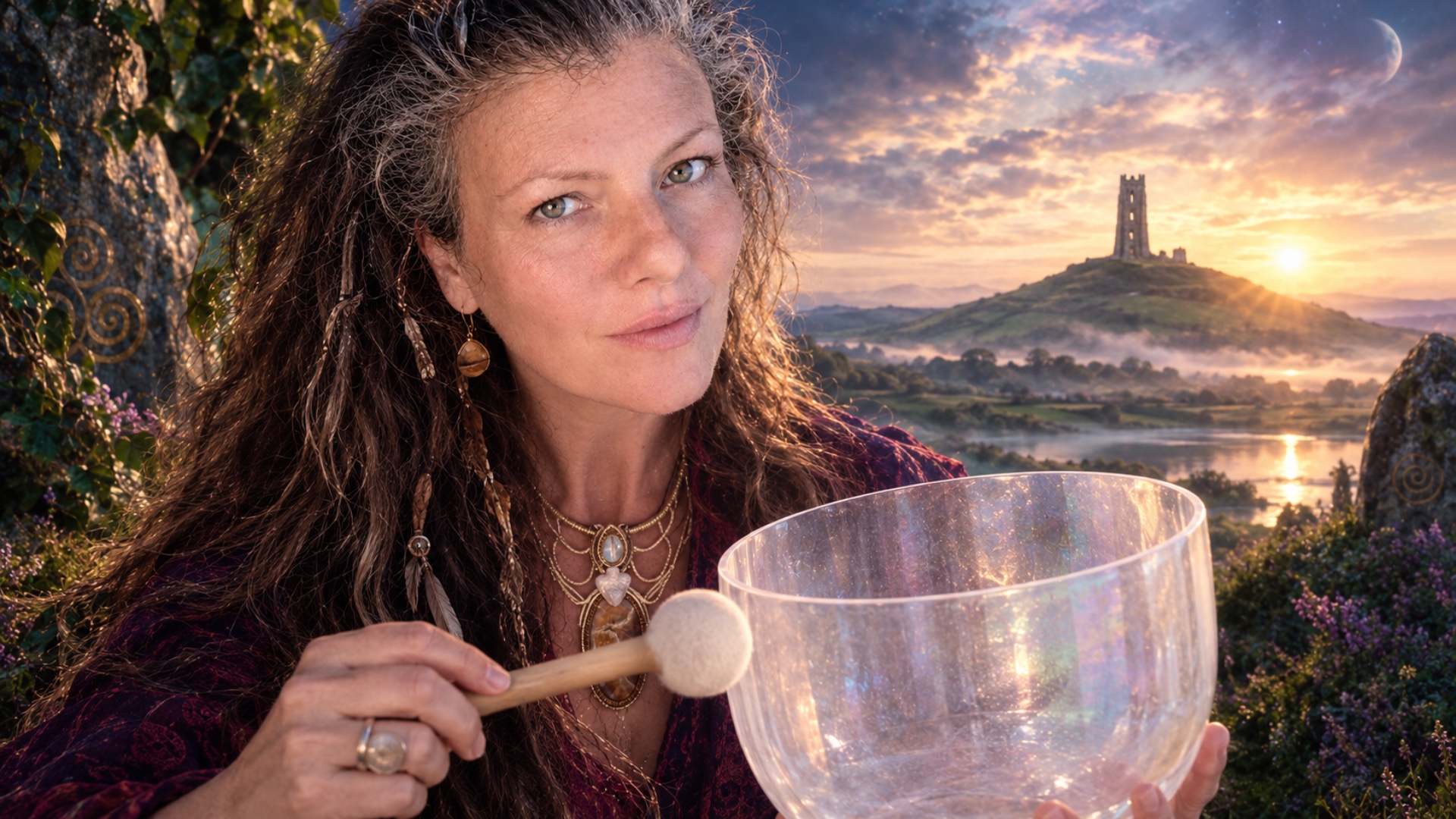
A sound healing teacher is a trained practitioner who educates students in the therapeutic application of sound frequencies, vocal toning, and vibrational instruments—such as Tibetan singing bowls, crystal bowls, gongs, tuning forks, and drums—to facilitate healing and states of deep relaxation. Unlike performers who create sound for aesthetic purposes, sound healing teachers transmit specific techniques grounded in the premise that sound vibrations can influence cellular, nervous system, and energetic body functions. They typically combine instruction in instrument technique with training in anatomy, consciousness studies, and the cultural contexts from which various sound traditions emerged.
Origins & Lineage
The use of sound for healing spans thousands of years across multiple cultures. Ancient Egyptian priests used vowel chanting in temple healing chambers around 4000 BCE. Hindu Vedic traditions dating to 1500 BCE employed Sanskrit mantra and the cosmological sound “Om” as tools for spiritual awakening and physical restoration. Tibetan Buddhist monasteries have used metal singing bowls in meditation practice for over a millennium, though scholarly debate continues about whether these bowls were originally intended for healing or strictly ceremonial purposes.
The modern Western role of “sound healing teacher” emerged primarily in the 1960s–1980s. Dr. Peter Guy Manners developed Cymatics therapy in Britain in the 1960s, applying specific frequencies to the body. In the United States, Dr. Mitchell Gaynor at Cornell Medical Center began using Tibetan bowls with cancer patients in the 1990s. Jonathan Goldman published “Healing Sounds” in 1992, establishing a vocabulary and framework that professionalized the field. Don Conreaux formalized gong training protocols in the 1970s, while sound therapy pioneer Fabien Maman researched cellular responses to sound frequencies in France during the 1980s.
How It’s Practiced
Sound healing teachers work in multiple formats. In group sound baths, participants lie down while the teacher plays a sequence of instruments, typically beginning with grounding low frequencies (drums, gongs) and progressing through mid-range bowls to high crystal tones. Sessions last 45–90 minutes, often concluding with silence or subtle chimes.
One-on-one sessions may involve placing bowls directly on or near the body while the client rests on a massage table. The teacher assesses which frequencies to apply based on intake interviews, intuitive reading, or systems like chakra correspondences. Advanced practitioners may combine sound with Reiki, breathwork, or guided visualization.
Teacher training programs range from weekend workshops to year-long certifications. Curricula typically cover instrument playing technique, acoustic theory, contraindications (such as sound sensitivity in epilepsy or PTSD), business practices, and holding space for emotional release. Students learn to “read” a room’s energetic state and adjust tempo, volume, and frequency accordingly.
Sound Healing Teacher Today
Contemporary seekers encounter sound healing teachers through yoga studios, wellness centers, retreat venues, and dedicated sound therapy clinics. Many teachers maintain hybrid practices, offering in-person sessions alongside recorded soundscapes on platforms like Insight Timer or Spotify. Multi-day immersions in destinations like Bali, Costa Rica, and Sedona combine sound training with somatic practices and plant medicine integration.
Certification remains decentralized. Organizations like the Globe Institute of Sound Healing, the British Academy of Sound Therapy, and the California Institute of Integral Studies offer programs, but no single accrediting body governs the field. Some teachers hold additional credentials in music therapy (requiring a bachelor’s or master’s degree), while others enter through alternative healing pathways without formal academic training.
The field has expanded into clinical settings. Hospitals including the University of California San Francisco and Memorial Sloan Kettering now integrate sound therapy into palliative care and surgical recovery protocols, though these positions typically require music therapy degrees rather than sound healing certifications alone.
Common Misconceptions
Sound healing is not music therapy, which is a clinically regulated profession requiring specific academic degrees and board certification. Music therapists work within evidence-based frameworks in medical and psychiatric settings; sound healing teachers operate primarily in complementary and holistic wellness contexts.
The practice is not a cure for serious illness. While research indicates sound therapy may reduce cortisol levels, improve heart rate variability, and support parasympathetic nervous system activation, claims that specific frequencies can “destroy cancer cells” or “repair DNA” lack peer-reviewed substantiation. Responsible teachers position sound work as adjunct support, not replacement for medical treatment.
Not all sound healing lineages are ancient. Crystal singing bowls, one of the most popular tools, were invented in the late 20th century as a byproduct of the computer industry, not recovered from antiquity. Teachers who present transparent histories—acknowledging both genuine traditional roots and modern innovations—build greater credibility.
How to Begin
Prospective students should first experience multiple sound sessions with different teachers to identify resonant approaches. Recording libraries on Insight Timer or YouTube (search “sound bath” or “singing bowl meditation”) offer low-cost exposure.
For training, research programs that provide transparent instructor credentials, curriculum hours, and post-certification mentorship. Ask whether the program addresses cultural appropriation, particularly regarding Indigenous instruments and sacred songs. Ethical teachers acknowledge the source traditions they draw from and avoid commodifying closed ceremonial practices.
Recommended foundational texts include Jonathan Goldman’s “Healing Sounds,” Don Campbell’s “The Mozart Effect,” and Joshua Leeds’ “The Power of Sound.” Mitchell Gaynor’s “The Healing Power of Sound” offers a clinical perspective. Those seeking academic grounding may explore the field of cymatics through the work of Hans Jenny or Dr. Manners’ archived research.
Beginning with a single instrument—such as a Tibetan bowl or frame drum—and developing deep proficiency before expanding one’s toolkit is widely advised over acquiring many instruments superficially.