


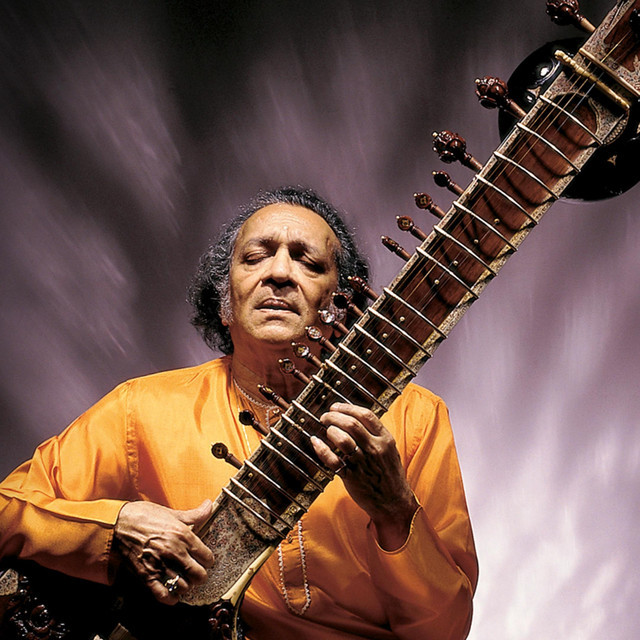
What is Gurumayi Chidvilasananda?
Gurumayi Chidvilasananda is the current head of Siddha Yoga, a modern spiritual movement rooted in the Kashmir Shaivism and Vedanta traditions. Born Malti Shetty in 1955, she succeeded her guru Swami Muktananda in 1982 as the third master in a lineage tracing to Bhagawan Nityananda of Ganeshpuri. Gurumayi is known for transmitting shaktipat—spiritual awakening through the guru’s grace—and for teachings centered on meditation, mantra repetition, self-inquiry, and devotion. Her name means “the one who is filled with the guru” (gurumayi), “consciousness” (chit), and “the bliss of the play of consciousness” (vilasananda), reflecting the non-dual recognition that individual awareness and universal consciousness are one.
Siddha Yoga under Gurumayi emphasizes direct experience over scriptural authority, though her discourses draw extensively on texts including the Bhagavad Gita, the Shiva Sutras, Abhinavagupta’s Tantrāloka, and the poetry of Jnaneshwar and Tukaram. The path integrates four classical yogas: karma (selfless action), bhakti (devotion), jnana (knowledge), and raja (meditation), unified by the guru-disciple relationship and the practice of mantra repetition.
Origins & Lineage
The Siddha Yoga lineage begins with Bhagawan Nityananda (c. 1897–1961), an avadhut who lived in Ganeshpuri, Maharashtra, and was revered as a siddha—one who has attained spiritual perfection. Swami Muktananda Paramahamsa (1908–1982), Nityananda’s disciple, experienced a kundalini awakening under his guru’s guidance and spent nine years in intensive meditation before beginning to teach. Muktananda formalized the teaching structure, establishing ashrams and traveling internationally from 1970 onward, introducing Western audiences to shaktipat and Kashmir Shaivism.
Malti Shetty met Muktananda in 1969 and became a close disciple. She received brahmacharya vows in 1972 and sannyasa (monastic initiation) on May 8, 1982, receiving the name Swami Chidvilasananda. Muktananda designated both her and her younger brother, Swami Nityananda, as successors before his death in October 1982. Her brother resigned in 1985 following internal disputes, leaving Gurumayi as the sole head.
Philosophically, Siddha Yoga draws from the Pratyabhijna (“recognition”) school of Kashmir Shaivism, articulated by tenth-century philosophers Utpaladeva and Abhinavagupta. This non-dual framework asserts that the individual self (jiva) is identical to Shiva, universal consciousness, and that spiritual practice involves recognizing this inherent divinity rather than attaining something external.
How It’s Practiced
Siddha Yoga practice revolves around four core disciplines: meditation (dhyana), chanting (satsang), mantra repetition (japa), and service (seva). Central to the path is shaktipat diksha, an initiatory transmission believed to awaken kundalini energy and catalyze spiritual transformation. Traditionally, this occurs through the guru’s touch, glance, word, or intention, though it may also happen through sankalpan (the guru’s will at a distance).
Meditation typically uses the mantra Om Namah Shivaya (“I honor the divine within”), repeated silently or aloud. Practitioners sit in a comfortable posture, focusing attention on the mantra, the breath, or the space between thoughts. Advanced meditators may experience spontaneous kriyas—physical movements, visions, or emotional releases attributed to kundalini awakening.
Chanting sessions incorporate Sanskrit hymns and mantras, often led call-and-response style. Texts include the Guru Gita (a dialogue on the guru-disciple relationship from the Skanda Purana), verses from the Bhagavad Gita, and devotional poetry. Music ranges from traditional Indian ragas to Western-influenced compositions.
Seva, or selfless service, is considered a spiritual practice. Devotees volunteer in ashram operations, community outreach, or local meditation centers, viewing work as an offering and opportunity to transcend ego.
Gurumayi Chidvilasananda Today
Since the late 1990s, Gurumayi has reduced public appearances, focusing on residential programs at the two main ashrams: Gurudev Siddha Peeth in Ganeshpuri, India, and Shree Muktananda Ashram in South Fallsburg, New York. She occasionally leads intensive retreats, New Year’s messages, and satsangs broadcast online to the global Siddha Yoga community.
The Siddha Yoga path is now primarily accessed through local meditation centers, online courses via the SYDA Foundation, and independent study of Gurumayi’s talks and writings. Her books include Kindle My Heart (volumes I and II), Courage and Contentment, and The Yoga of Discipline. Audio recordings of chants, discourses, and meditation sessions are distributed through the Siddha Yoga Bookstore.
The organization maintains a network of several hundred meditation centers worldwide, though participation has declined from its 1980s–1990s peak. Ashram programs require registration and often include prerequisites such as completion of foundational courses or a prior relationship with a Siddha Yoga center.
Common Misconceptions
Gurumayi Chidvilasananda is sometimes conflated with other contemporary female gurus or generically categorized as a “yoga teacher,” but Siddha Yoga is a specific lineage distinct from postural yoga (asana) traditions. While physical yoga may be practiced by devotees, it is not central to the path.
Shaktipat is occasionally misunderstood as a singular dramatic event; in Siddha Yoga teaching, it may be subtle and unfold gradually over years. The tradition does not promise instant enlightenment or require renunciation of worldly life for lay practitioners, though it does emphasize disciplined practice.
Criticism has emerged regarding organizational governance, financial transparency, and allegations of authoritarianism within the SYDA Foundation, particularly in the 1990s and early 2000s. Former devotees have raised questions about the circumstances of Swami Nityananda’s departure and Muktananda’s conduct. Gurumayi and the organization have not publicly addressed many of these controversies in detail, and perspectives vary widely among current and former practitioners.
Gurumayi’s reduced visibility is sometimes interpreted as withdrawal or decline, but the organization frames it as a shift toward inner work and digital dissemination.
How to Begin
Those interested in exploring Gurumayi Chidvilasananda’s teachings can start by locating a Siddha Yoga meditation center through the SYDA Foundation website, where introductory programs and chanting sessions are offered. Reading Kindle My Heart provides an accessible entry into her discourses on meditation and self-inquiry.
The online “Siddha Yoga Path” course introduces foundational concepts and practices, including mantra repetition and the role of the guru. Newcomers often begin with chanting the Guru Gita or practicing japa with Om Namah Shivaya.
Attending a satsang (group meditation and chant session) offers experiential introduction to the tradition. For those drawn to residential immersion, the ashrams offer programs ranging from weekend retreats to extended stays, though advance registration and often prerequisite coursework are required. The tradition emphasizes that the guru-disciple relationship is the heart of the path, and seekers are encouraged to assess their resonance with Gurumayi’s teachings and approach before making commitments.