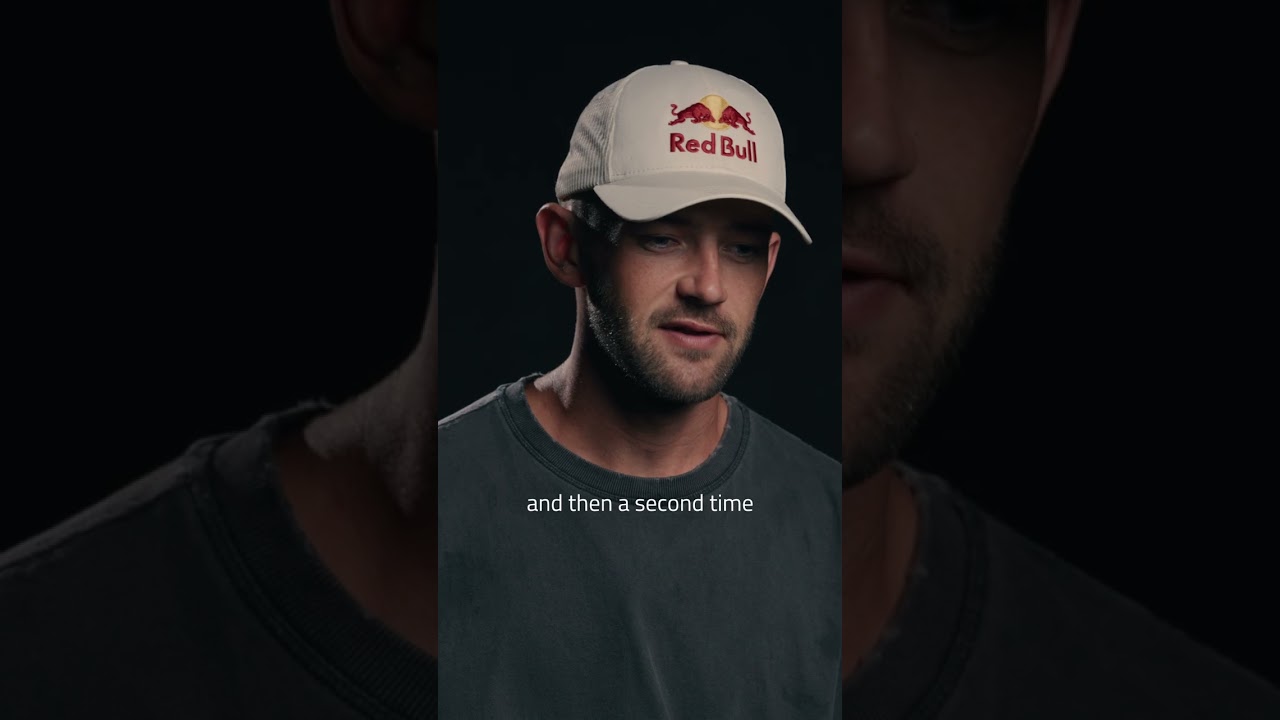
The world of IRONMAN racing is as much about strategy and preparation as it is about physical endurance. In the latest episode of "IRONMAN Insider," host Matt Lieto dives deep into the minds of three elite cyclists: Magnus Ditlev, Léon Chevalier, and Kristian Høgenhaug. Set against the backdrop of the challenging Nice course, these athletes share insights about their training regimens, tactical approaches, and the mental fortitude required to succeed. By dissecting their journeys and experiences leading up to race day, we gain invaluable lessons that transcend the sport itself—lessons about resilience, adaptability, and the art of racing. Let's explore what makes each of these athletes tick as they prepare to conquer one of the most demanding triathlon courses in the world.
Magnus Ditlev, a name synonymous with endurance excellence, has shown remarkable consistency in his performances, finishing on the podium at the last two World Championships. His success stems not only from raw talent but also from meticulous preparation. Ditlev emphasizes the importance of understanding the technical aspects of the Nice course, especially the descents. His commitment to practicing these sections has resulted in a more confident and efficient riding style, allowing him to maintain speed while navigating challenging turns.
One of the key insights Ditlev shares is the critical nature of the middle plateau on the bike course. This section, situated after the main climb, is where he plans to unleash his power. By timing his efforts strategically, he aims to capitalize on his strengths while managing his energy reserves effectively. This tactical breakdown showcases the importance of course familiarity and race-day strategy, essential components for any triathlete looking to improve their performance.
In addition to his focus on technique, Ditlev discusses his decision to race at a slightly heavier weight. While conventional wisdom often suggests that lighter is better, he argues that increased durability can lead to enhanced performance over the duration of the race. This nuanced understanding of body composition highlights the importance of individualizing training and nutrition plans to suit personal goals and course demands.
Léon Chevalier has steadily progressed through the ranks of triathlon, finishing 5th in Nice in 2022 and 4th in Kona last year. His journey, however, has not been without its challenges. Chevalier candidly reflects on a demanding season of racing, one that has pushed him to his physical and mental limits. Despite feeling fatigued, he has consistently performed at a high level, demonstrating his inherent resilience. This experience has taught him invaluable lessons about pacing and self-belief, making him a formidable competitor.
Chevalier’s reflection on racing at what he considers 75% fitness is particularly noteworthy. This perspective challenges traditional notions of peak performance, suggesting that consistent training and adaptability can yield impressive results even when not in optimal condition. His approach serves as a reminder that endurance sports are not solely about physical prowess but also about mental strength and the ability to adapt to varying circumstances.
Kristian Høgenhaug brings a unique perspective to the race with the joyful news of becoming a new father just weeks before the event. This major life change has provided him with a newfound purpose, which he believes will positively impact his performance on race day. The concept of "dad watts"—the idea that fatherhood can inspire a burst of energy and determination—adds an emotional layer to his preparation and racing strategy. This evolution in mindset can be a powerful motivator for many athletes.
Høgenhaug's previous experiences in Nice, including two disappointing DNFs (Did Not Finish), weigh heavily on his mind as he approaches this race. However, he is determined to create positive memories on the course this time around. By focusing on the joy of racing and the support of his new family, he can channel his energy into achieving his goals. This shift in focus from pressure to purpose is a lesson that can resonate with athletes at all levels.
Moreover, Høgenhaug highlights the tactical layers introduced by the Pro Series, which adds complexity to his race strategy. Keeping a close watch on his main rivals for the overall standings will be essential. This awareness of competition dynamics can influence pacing decisions and energy expenditure throughout the race. Høgenhaug's approach underscores the significance of being both physically prepared and mentally astute in a highly competitive environment.
One of the recurring themes in this episode is the importance of course familiarity. For athletes competing in triathlons, understanding the nuances of the course can make a significant difference in overall performance. Both Ditlev and Chevalier stress the need to practice specific sections, particularly technical descents and climbs. This practice not only helps in honing skills but also builds confidence, enabling athletes to tackle challenging segments with ease.
In Nice, the course's technical aspects, including sharp turns and elevation changes, require careful navigation. Athletes must be able to gauge their speed and adjust their techniques accordingly. This is where simulation training can be invaluable. Incorporating specific segments of the course into training rides allows athletes to experience various conditions, from technical descents to steep climbs, preparing them for race day challenges.
Additionally, mental preparation is equally important. Athletes should visualize the course, strategizing their pacing and energy distribution. The ability to mentally rehearse tackling difficult sections can enhance performance under race conditions. This dual focus on physical skills and mental readiness exemplifies the holistic approach necessary for success in endurance sports.
Nutrition plays a pivotal role in an athlete's performance, particularly in endurance sports. Each of the featured athletes acknowledges the importance of a well-rounded nutrition plan tailored to their specific needs. Ditlev, for instance, discusses how he adjusts his dietary intake to support his training and racing goals. He emphasizes the need for carbohydrates to fuel long rides and protein for recovery.
Chevalier's experience racing at approximately 75% fitness highlights the need for effective nutrition strategies that support sustained energy levels, even when running on lower reserves. He advocates for a balanced approach that includes hydration, electrolytes, and energy gels during races. Understanding how to maintain energy levels, especially during the latter parts of a race, can be the difference between finishing strong and fading out.
Høgenhaug’s newfound purpose as a father might influence his nutrition strategy, as he may prioritize meals that enhance recovery and overall well-being. Focusing on nutrient-dense foods can aid in maintaining energy levels while balancing family responsibilities. This aspect underscores the importance of adaptability in nutrition, allowing athletes to align their dietary choices with their life circumstances and training demands.
The mental aspect of endurance racing cannot be overstated. As revealed in their discussions, each athlete faces unique mental challenges leading up to race day. Ditlev’s focus on strategic racing, Chevalier’s resilience in competition, and Høgenhaug’s motivation from fatherhood all highlight the diverse mental landscapes athletes navigate. Understanding and managing these mental challenges is crucial for optimal performance.
Visualization techniques can be particularly beneficial in preparing for race day. By mentally rehearsing their race strategy, athletes can reduce anxiety and increase confidence. Ditlev’s detailed breakdown of the course serves as an example of how visualization can enhance preparedness. Chevalier’s reflections on racing at less than peak fitness remind us that mental resilience can help overcome physical limitations.
Moreover, establishing a strong support system is vital for coping with the pressures of competition. Høgenhaug’s experience with fatherhood can serve as a grounding source of motivation, reminding athletes of what truly matters. Building a community of fellow athletes and supporters can provide encouragement and accountability, making the journey toward race day a more enjoyable experience.
The journey of an endurance athlete is filled with highs and lows, as highlighted by the experiences of Ditlev, Chevalier, and Høgenhaug. Each athlete’s path showcases the importance of embracing the process, learning from setbacks, and celebrating progress. The emotional and physical challenges faced by these competitors serve as reminders that success in endurance sports extends beyond mere podium finishes.
As they prepare for the IRONMAN in Nice, these athletes exemplify the spirit of perseverance and adaptability. Their stories encourage athletes of all levels to find joy in the journey, recognizing that growth often occurs outside of comfort zones. By maintaining a focus on personal development and resilience, athletes can navigate the challenges of training and racing with a positive mindset.
Ultimately, the lessons learned from these elite athletes can inspire anyone involved in endurance sports. Whether you're a seasoned competitor or a newcomer, embracing the journey with passion and determination can lead to transformative experiences both on and off the course.
Watch the complete video above for the full breakdown. For more endurance content, explore our latest articles, browse upcoming events, or discover athlete profiles on EnduranceFinder.