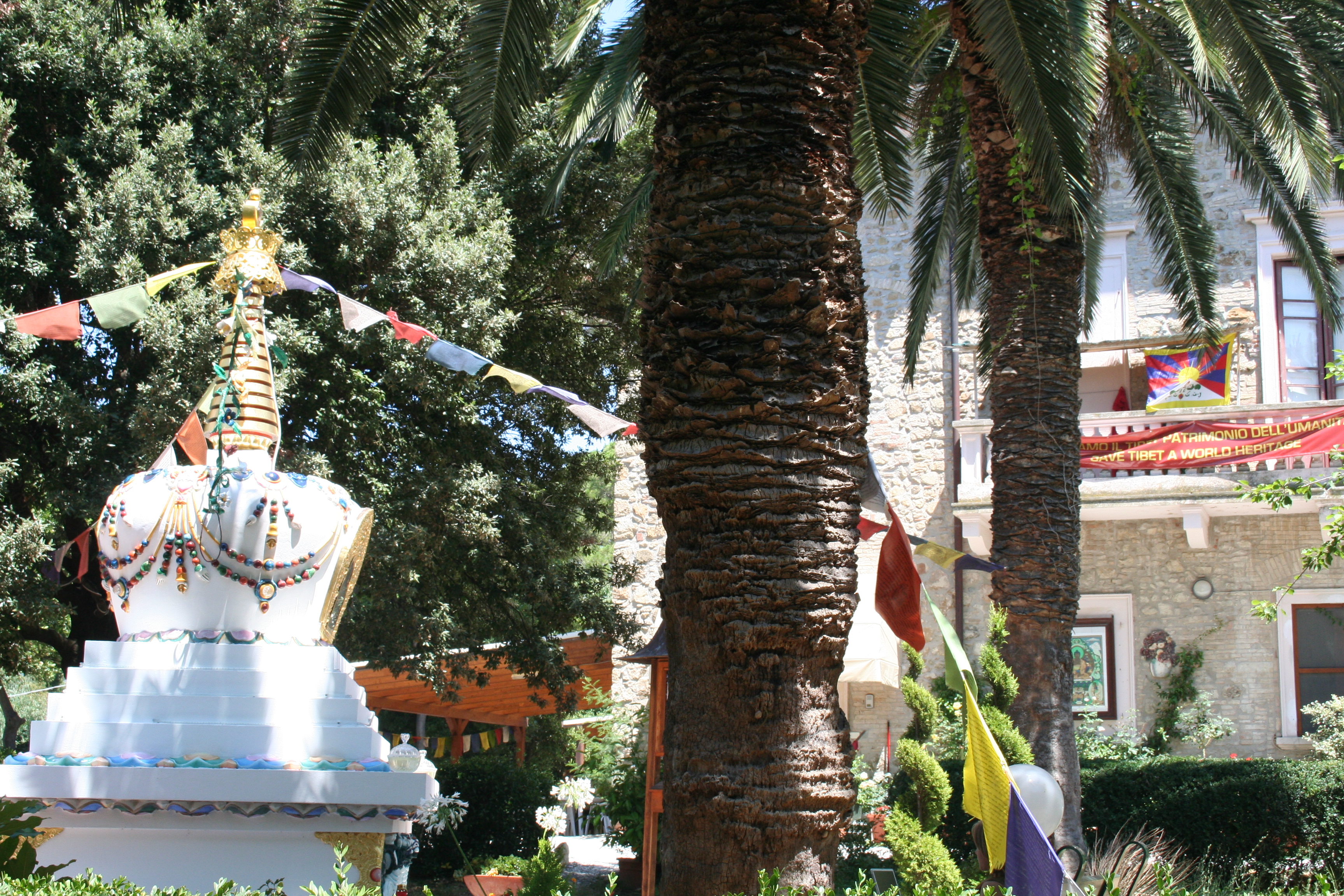
In the rolling countryside of Tuscany sits an unlikely keeper of one of the world's oldest contemplative traditions. Istituto Lama Tzong Khapa occupies a historic castle in rural Italy, a setting that speaks to a deeper truth: the teachings of Tibetan Buddhism have traveled far from the Himalayas, finding root in European soil and reshaping how Westerners engage with philosophy, meditation, and the mind itself. Since its founding in 1976, the Institute has become one of Europe's most respected centers for the study and practice of Tibetan Buddhist philosophy, drawing students and practitioners from across the continent to study under both Tibetan masters and highly trained Western instructors.
A Bridge Between Traditions
Istituto Lama Tzong Khapa was founded by two visionary teachers: Lama Thubten Yeshe and Lama Zopa Rinpoche, architects of what would become the Foundation for the Preservation of the Mahayana Tradition (FPMT)—today the world's largest international network of Mahayana Buddhist centers. The Institute's founding reflected a particular mission: to make the rigorous philosophical and psychological teachings of Tibetan Buddhism accessible to Western practitioners without diluting their depth or authenticity. Rather than simplify the tradition for European audiences, the founders chose to embed it in serious scholarship and contemplative practice, staffing the center with teachers equally fluent in both Tibetan and Western idioms.
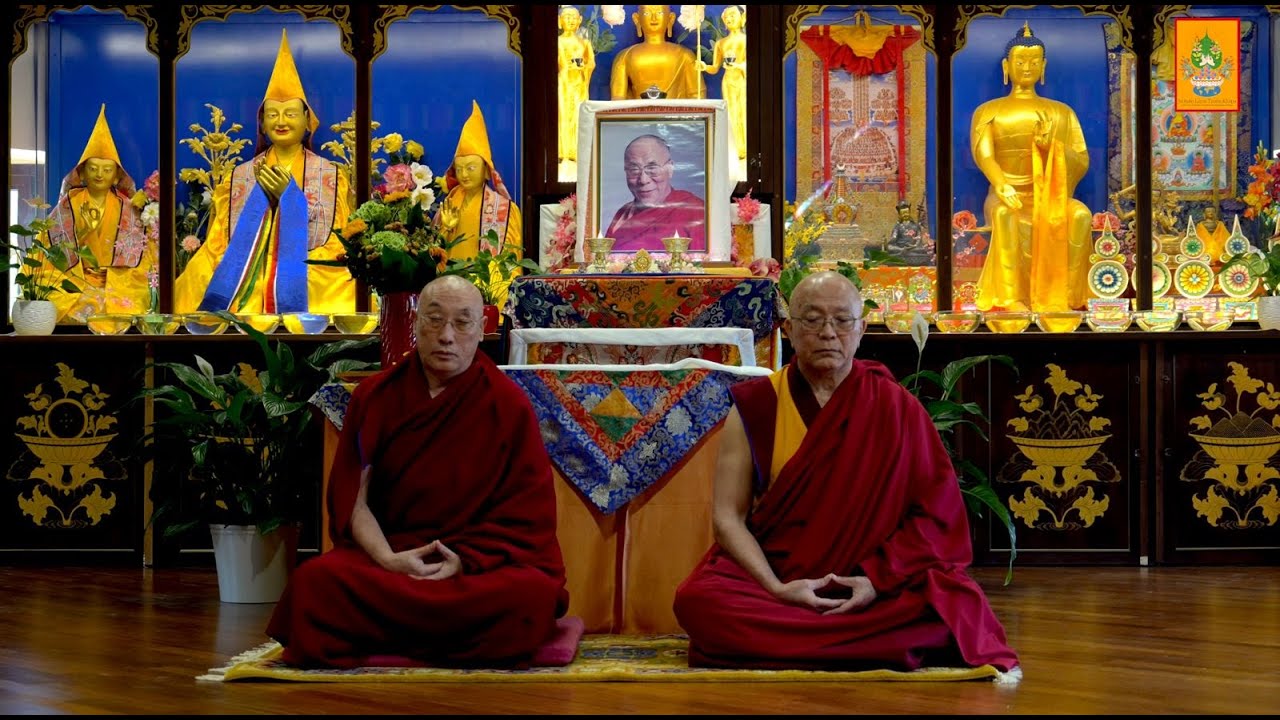
This commitment to intellectual and spiritual rigor has only deepened. The Institute is today guided by resident Geshes—master scholars in the Gelug tradition—Ghesce Tenzin Tenphel and Ghesce Jampa Gelek, both of whom carry decades of monastic training and teaching experience. The presence of resident Geshes signals something important: this is not a retreat center offering weekend workshops, but a place where serious students can undertake the long, systematic study that Tibetan Buddhism demands.
What Draws People to Study Here?
The Institute's curriculum reflects the breadth of Tibetan Buddhist philosophy. Courses span Buddhist philosophy and psychology, meditative practice, and increasingly, the dialogue between Buddhist thought and modern science. This last focus is particularly significant. As contemplative neuroscience has gained legitimacy in academic and scientific circles, centers like Istituto Lama Tzong Khapa have become crucial spaces where ancient psychological insights—mapped with extraordinary precision in Buddhist philosophy—meet contemporary research. Students come to understand how Buddhist analysis of mind, emotion, and perception connects to what neuroscientists are discovering about neuroplasticity, emotional regulation, and well-being.
The setting itself is integral to the work. A castle in the Tuscan landscape offers more than aesthetic beauty; it provides a container for deep focus. Removed from urban distraction yet connected to a living monastic and teaching community, students can engage with philosophy and meditation in an environment designed to support sustained attention and introspection. The castle's history—witness to centuries of human life, ambition, conflict, and transformation—mirrors the interior journey that Buddhist practice invites.
Part of a Global Network
The Institute does not operate in isolation. As a member of both the Italian Buddhist Union and the FPMT, Istituto Lama Tzong Khapa participates in a worldwide movement to preserve and transmit Mahayana Buddhist teachings. The FPMT's spiritual direction comes from His Holiness the Fourteenth Dalai Lama, whose own commitment to dialogue with science, education, and cross-cultural understanding has shaped the organization's ethos. This connection places the Institute within a lineage that honors both traditional scholarship and contemporary relevance.
What makes the Institute distinctive, however, is not its network affiliation but its location and character. While many Buddhist centers cluster in or near major cities, Istituto Lama Tzong Khapa has chosen to remain rooted in the Tuscan countryside. This decision reflects a particular vision: that authentic Buddhist practice requires stepping back from constant stimulation and distraction, that philosophy demands unhurried study, and that meditation needs time and space to take hold. The castle becomes a threshold—a place where people from busy European cities can cross into a different rhythm of learning and self-inquiry.
Excellence in Teaching
The Institute's reputation for philosophical rigor rests on the quality of its teaching staff. Both Tibetan masters and Western instructors bring serious credentials and lived experience. Tibetan teachers carry the direct lineage of monastic training; Western teachers often combine their own long-term practice with academic training in Buddhist studies, psychology, or philosophy. This combination creates a rare pedagogical environment where students encounter the tradition from multiple angles—through traditional interpretation and through Western intellectual frameworks—allowing for deeper understanding and personal integration.
Courses on Buddhist psychology are particularly relevant to contemporary practitioners. Buddhist philosophy contains a sophisticated analysis of mind, emotion, perception, and cognition developed over centuries of meditative inquiry. When presented by qualified teachers, this material speaks directly to modern concerns about stress, attention, emotional reactivity, and meaning. Students discover that the Buddhist analysis of suffering and its causes—central to the tradition's framework—maps onto patterns they recognize in their own lives, making the philosophy immediately applicable rather than merely historical or cultural.
Where to go from here
For anyone drawn to Buddhist philosophy and practice, or curious about how ancient wisdom traditions address contemporary challenges in understanding mind and emotion, Istituto Lama Tzong Khapa offers a serious and welcoming entry point. The Institute's website and course offerings provide details on specific programs, from introductory meditation to advanced philosophical study. Those interested in the intersection of Buddhist thought and modern science, or in spending extended time in contemplative study, will find the Institute's approach both rigorous and human-centered. The tradition itself—with its emphasis on reducing suffering, cultivating wisdom, and developing compassion—remains as relevant today as when the Dalai Lamas first articulated it centuries ago; Istituto Lama Tzong Khapa stands as one of Europe's finest guardians of that living transmission.