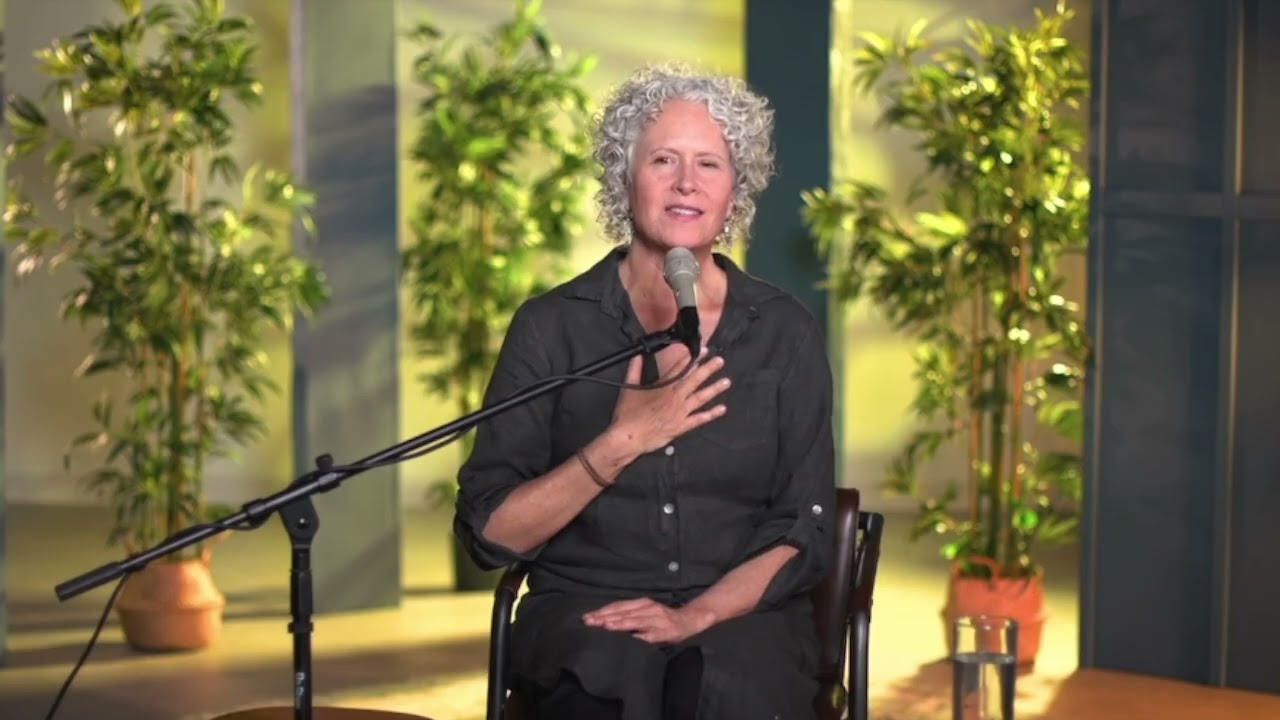
"Sol Rising" examines the metaphorical and literal dimensions of the sun's emergence as a symbol of awakening consciousness, inner illumination, and spiritual renewal. The piece explores how solar cycles mirror states of consciousness, the practice of dawn awareness, and the use of solar imagery in contemplative traditions to deepen presence and align with natural rhythms of growth and transformation.
The rising sun has long served as a central metaphor in spiritual and contemplative traditions. Sol Rising draws on this archetypal imagery to explore how the sun's emergence mirrors the emergence of conscious awareness. In many wisdom traditions, the dawn represents not merely a physical phenomenon but a shift in consciousness itself—a moment when the boundary between inner and outer light becomes permeable.
The title itself, "Sol Rising," invokes the Latin name for the sun, grounding the work in classical and cross-cultural spiritual symbolism. A rising sun speaks to new beginning, yet it is also cyclical: it rises every day, suggesting that awakening is not a one-time event but a renewable practice. This daily recurrence invites practitioners to meet each dawn as an opportunity to reset consciousness and realign with fundamental principles of clarity and presence.
The sun operates on multiple levels within contemplative frameworks. Physically, it governs the circadian rhythms that organize human physiology, sleep, wakefulness, and metabolic process. Spiritually and psychologically, it symbolizes the light of awareness itself—the capacity to see, know, and illuminate what was previously hidden or unconscious.
In many traditions, the sun represents the highest principle or the Self. Vedantic philosophy associates the sun with Brahman or ultimate reality; Christian mysticism uses solar imagery to describe divine presence; Islamic devotional poetry employs the sun as a metaphor for divine light. These convergences suggest that the sun's role in consciousness work is not merely symbolic but participatory: by attuning to the sun's rising, a practitioner tunes into an archetypal force larger than individual consciousness.
This attunement can be practiced through morning meditation, solar gazing (done safely), or simply bearing witness to the dawn in silence. The practice invites a reciprocal relationship: the sun rises, and consciousness rises to meet it. Over time, this rhythm can reorganize inner states, sharpening mental clarity and deepening a sense of alignment with natural cycles.
Dawn consciousness refers to the particular quality of awareness available in the early morning hours, especially around sunrise. In Ayurvedic medicine and yogic traditions, the hours before dawn (known as Brahmi Muhurta in Sanskrit) are considered optimal for meditation and spiritual practice. The air is quieter, the mind less cluttered by the day's accumulations, and the veil between waking and subtle states is thin.
Cultivating dawn consciousness involves:
- Waking naturally or intentionally before sunrise to meet the day's threshold
- Sitting in meditation or contemplative presence as light gradually returns
- Allowing the physical rising of the sun to anchor awareness in the present moment
- Observing the quality of light as it changes, noting shifts in color, temperature, and atmosphere
- Using this heightened receptivity to set intention or renew commitment to practice
Unlike forced or goal-oriented practice, dawn consciousness invites a natural alignment. The body itself supports this state through its hormonal and neural patterns; waking early and sitting with the dawn thus works with rather than against physiology. Over weeks and months of practice, the nervous system learns to associate dawn with a particular frequency of awareness—one that is alert yet relaxed, focused yet open.
The sun's daily cycle—rising, reaching zenith, descending, and passing beneath the horizon—parallels the waves of consciousness across a day, a season, a lifetime, and possibly across larger cycles of spiritual development. The rising sun corresponds to waking consciousness and emergence; the midday sun to peak awareness and full illumination; the setting sun to reflection and turning inward; and the dark night to rest, integration, and the unconscious work that happens beyond waking awareness.
This correspondence is not merely poetic but practical. Many practitioners find that their own energy, clarity, and emotional tone naturally follow solar rhythms. Morning may bring clarity and intention; midday, action and outward expression; evening, gratitude and gentleness; night, release and surrender. Rather than fighting these natural cycles, a practitioner can work with them, scheduling deep concentration work in morning hours and turning to gentler, more receptive practices in evening.
On a larger scale, the seasons mirror the sun's varying arc across the sky. Spring and early summer, when days lengthen and the sun rises higher, correspond to growth, expansion, and outward-directed energy. Autumn and winter, when days shorten and the sun's arc lowers, call for harvesting, introspection, and inward consolidation. Aligning practice with these seasonal shifts prevents stagnation and honors the body's natural inclination toward rhythmic variation.
Light in spiritual contexts often signifies knowledge, grace, or the revelation of truth. Darkness is not its opposite but its complement—the fertile void from which new understanding emerges. The rising sun, then, represents not the triumph of light over darkness but the dynamic interplay between them, each necessary to the other.
In contemplative practice, practitioners often work with visualization of light—imagining luminosity at the heart center, the third eye, or throughout the body. Such practices are grounded in the understanding that consciousness itself has a luminous quality; as awareness deepens, it begins to perceive or generate an inner light independent of external illumination. This inner sun, cultivated through practice, does not depend on the literal sun rising and setting but operates on its own rhythm of availability and grace.
The album "Touched By the Sun," of which "Sol Rising" is a part, suggests an intimate relationship between external solar presence and internal illumination. To be "touched by the sun" is to be marked, warmed, and altered by proximity to a source of life and light. This touching is both literal—the sun's radiation on skin—and metaphorical: the opening of consciousness to a reality larger than the isolated self.
Establishing a consistent practice around sunrise offers multiple returns. Physically, exposure to morning light regulates circadian rhythms, improving sleep quality, mood stability, and metabolic health. Psychologically, the ritual of rising early and meeting the dawn creates a container of intention and discipline. Spiritually, it builds a relationship with a force and rhythm larger than personal preference or comfort.
A simple sunrise practice might involve:
- Setting a consistent wake time, ideally before or at sunrise
- Moving to a space with a view of the eastern horizon or natural light
- Sitting in meditation, prayer, or conscious stillness for 10-30 minutes
- Allowing the body to warm and the mind to settle as light increases
- Observing without manipulation—colors, sounds, sensations, thoughts
- Concluding with gratitude or a simple intention for the day
Over time, this practice becomes its own teacher. The consistency itself—showing up day after day—builds trust and commitment. The natural variation in sunrise (influenced by season, weather, atmospheric conditions) offers lessons in impermanence and the limits of control. And the regular access to a state of heightened awareness and openness can gradually shift one's baseline consciousness, making clarity and presence more available throughout the day.
Sol Rising invites an exploration of solar symbolism and dawn practice as doorways into deeper consciousness. For those beginning this work, start with observation: notice the quality of light and your own state of consciousness at different times of day. Experiment with waking 15 minutes before your normal time and sitting in silence as the day breaks. Track any shifts in clarity, mood, or sense of alignment.
For those with an existing meditation practice, consider whether dawn is your practice time, and if not, whether experimenting with early morning sits might deepen your work. Explore texts on solar symbolism in your chosen tradition—whether Vedantic, Sufi, Christian mystical, or secular contemplative—to understand the archetypal forces at play. And consider whether the rhythms of your outer life (work, relationships, rest) honor or resist the natural cycles suggested by the sun's daily and seasonal movements.
The sun rises and sets whether or not we notice. The invitation of Sol Rising is to notice, to align, and in that alignment, to allow the rising of something in ourselves that mirrors and participates in the sun's ancient rhythm of emergence and return.