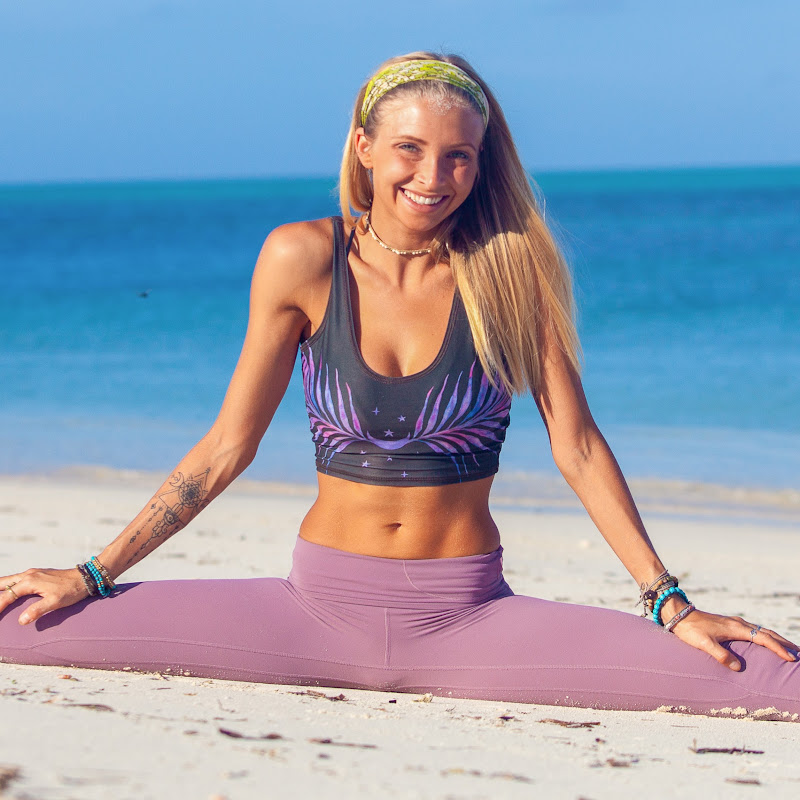
Pregnancy at 30 weeks while managing two toddlers, constant travel, and the unpredictable rhythm of family life doesn't leave much room for a pristine yoga mat. Yet this is precisely where one of the season's most valuable lessons emerges: the power of showing up imperfectly. When even a few minutes on the mat feels like a victory, when a gentle breath replaces an ambitious vinyasa flow, something shifts. The practice becomes less about flawless form and more about presence itself—and that presence is what actually heals.
Why Perfection Isn't the Point
There's a particular myth in contemporary yoga culture: that a practice only counts if it's substantial, disciplined, unbroken. Show up or don't show up at all seems to be the unspoken rule. But real life—especially life with children, travel schedules, and the shifting demands of pregnancy—teaches a different wisdom. Sometimes the practice is thirty minutes of flowing asana. Sometimes it's closing your eyes for a few deep breaths while sitting on the kitchen counter. Sometimes it's the simple act of lying down and remembering that you exist, that your body matters, that this moment is yours.
This reframing isn't surrender or compromise. It's honesty. And in that honesty lives the actual root of a sustainable practice: the understanding that something is always better than absolutely nothing. Not as a consolation prize, but as a genuine teaching. The consistency that changes us over months and years isn't built on perfect days. It's built on showing up, in whatever form fits the day you're actually living.
How a Challenge Becomes a Doorway Back
The September Reset Challenge emerged from this exact insight. Last year, thousands of practitioners joined a seven-day journey—nothing overwhelming, nothing requiring hours of commitment. The structure was modest: one class per day, 30 minutes or less, completely free, no hidden requirements. And yet the results rippled outward. Participants reported reconnecting with routines that had drifted over the summer months. They reclaimed a little space in their days where breath could happen intentionally. They remembered that their center existed and could be found again.
The challenge works because it removes the barriers that keep us stuck. There's no credit card required—no invisible anxiety about hidden charges. There's no demand for athletic transformation. Instead, there's an invitation: for seven days, come to your mat. Not to fix yourself. Not to punish the summer for being what summer is. Simply to remember.
What Small Commitments Actually Teach Us
There's neuroscience beneath the simplicity here. Seven days of small, consistent action rewires how we relate to our own bodies. A week of showing up, even for minutes, rebuilds the neural pathways that connect intention with action. By day four, you're not just doing yoga anymore—you're becoming someone who practices yoga again. That identity shift is where the real transformation lives.
And for those whose summers were legitimately chaotic—the travel, the heat, the disrupted routines, the normal dissolution of structure that summer brings—a week-long container offers something psychological as much as physical. It says: this time is for you. This is the moment when the calendar turns and you get to decide who you want to be in the next season. That's not small. That's permission.
Resetting Isn't About Starting Over
The word "reset" carries connotations of erasure, of returning to zero. But that's not what happens on a mat. A reset is a recalibration. You're not abandoning the summer or the person you were for the last three months. You're simply tuning the instrument again. Checking in with your breath. Noticing where your body lives in space. Asking what your own center needs.
September is the season of actual new beginnings—more so, for many people, than January. The light shifts. Routines restart. Children go back to school. There's an energy in the air that says: things can change now. A seven-day yoga challenge is a small, actionable way to ride that wave. To say yes to yourself before the autumn fully settles and busyness normalizes again.
Why This Matters Beyond the Mat
Here's what a commitment to seven days of movement teaches: that your peace is not a luxury. It's not something you earn after everything else is handled. It's fundamental. When you take even ten minutes to breathe and move, you're not being selfish or indulgent—you're tending to the ground of everything else you do. You're more present with your children, more creative in your work, more patient with the unexpected. You're literally more available to the people and projects you love.
This is why the September Reset Challenge returns year after year. It's not because it's revolutionary. It's because it works. Because thousands of people have felt the difference between a summer of disconnection and a fall that begins with intention. Because sometimes all it takes is permission to start small—and a community of others doing the same thing.
Where to go from here
If you're reading this as the season shifts and your own routine feels scattered, the invitation stands. A seven-day commitment to movement and breath is not demanding. It's not asking you to be perfect. It's asking you to show up—in whatever way fits the life you're actually living right now. That's where the work begins. And where you remember, once again, that you're worth that time.