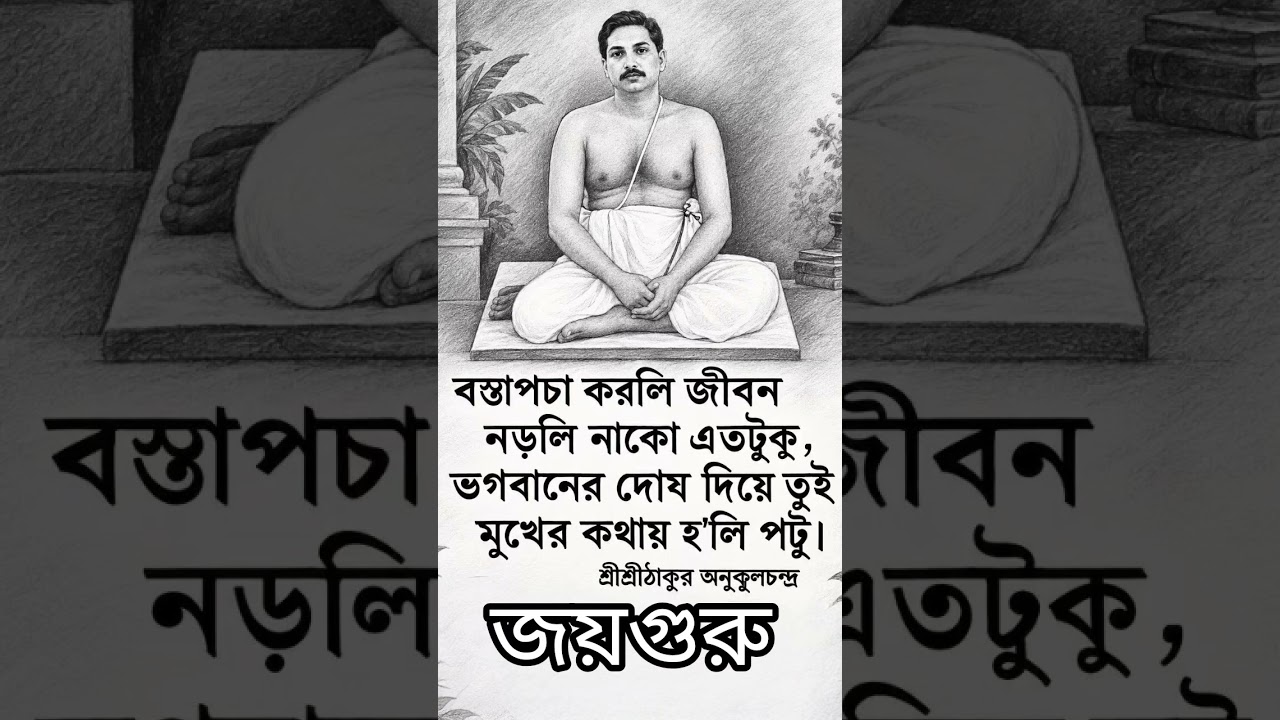
A 15-second musical invocation opens with a name—Anukul Chandra—sung in Bengali over a resonant drone. This is a kirtan, the devotional chant tradition that anchors spiritual practice across Hindu, Sikh, and yoga communities. The idea compressed into these few seconds is deceptively simple: even amid life's adversities and human error, divine grace and the guru's favor remain constant, accessible, and forever inclined toward you. This is the heart of bhakti spirituality—not a teaching that demands perfection, but one that meets you in your vulnerability.
What Is a Kirtan, and Why Does It Work?
A kirtan is a call-and-response chant in which a sacred name, phrase, or teaching is sung repeatedly. The practice originates in the bhakti schools of Hindu and Sikh spirituality, where the core idea is elegant: by focusing the mind and voice on a sacred sound, the practitioner opens the heart and steadies the nervous system. In contemporary yoga and meditation spaces, kirtan has become a recognized tool for both spiritual transmission and healing.
The mechanism is straightforward. When you chant, attention naturally narrows. The voice engages the vagus nerve—the primary pathway through which the parasympathetic (rest-and-restore) nervous system communicates. Repetition creates a groove in the brain, reducing the mental chatter that usually fragments awareness. And the emotional content—devotion itself—can catalyze a shift in how we relate to our experience, making room for compassion and acceptance.
The lyrics of this chant, though brief, carry the weight of an entire philosophy. They reference life's adversities and invoke Anukul Chandra—a name meaning "favorable" or "auspicious." The teaching is direct: even amid difficulty, there is something eternal that does not abandon you. In bhakti spirituality, this is a radical claim. Grace is not earned through perfection. You don't have to achieve a flawless state to receive the guru's compassion. Rather, the acknowledgment of your own limitation becomes the doorway. The guru's nature is to be forever inclined toward you, not because you deserve it, but because that is what favor is.
In a contemporary culture that frames spirituality as optimization—another system to perfect—this message is quietly subversive. It says: stop waiting until you are healed to seek healing. Your vulnerability is not a barrier; it is the entrance.
Where to go from here
To deepen your practice, explore recordings of traditional kirtans that offer longer, more immersive repetitions of sacred chants. Consider attending a live kirtan circle in your community—the collective energy of group chanting amplifies individual practice. If you're drawn to Anukul Chandra's spiritual lineage, seek out recorded satsangs (spiritual talks) by teachers who continue this teaching, which often weave the philosophy behind the chants into more detailed guidance on living with grace amid adversity.