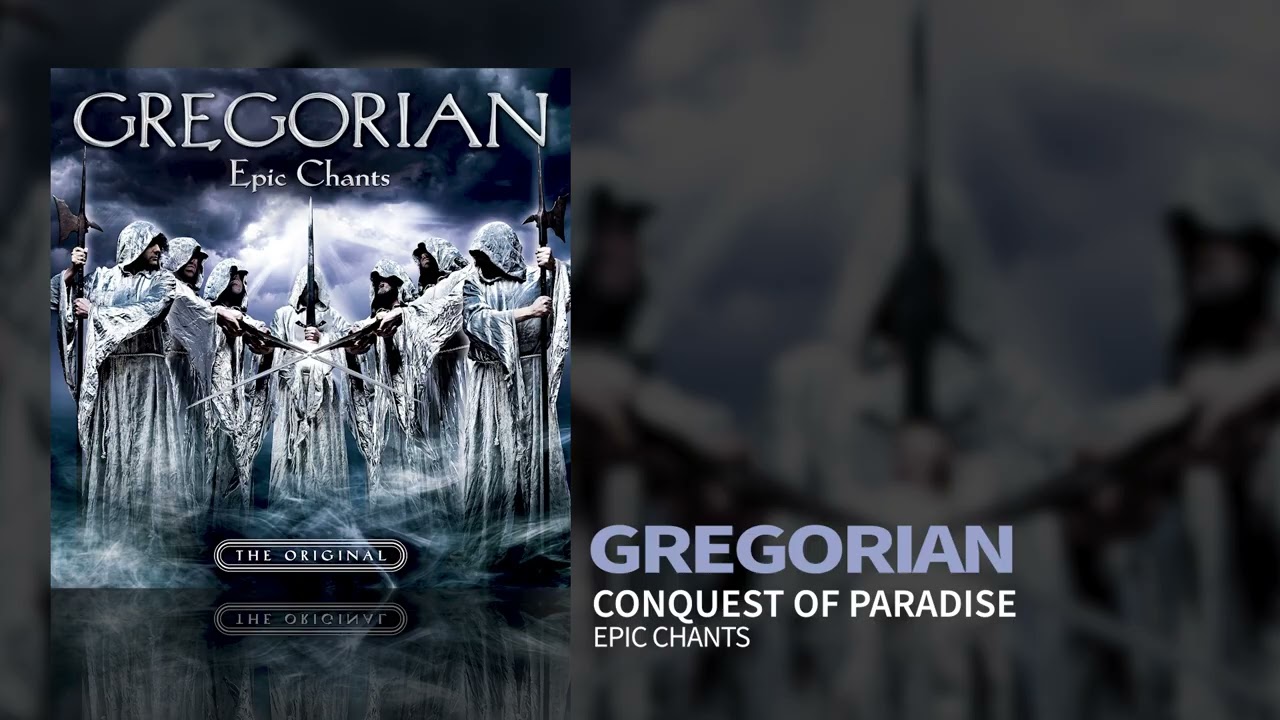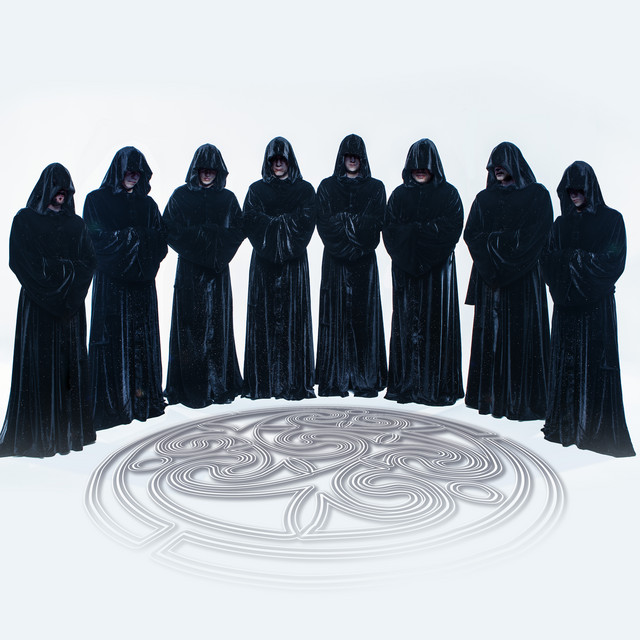
On a daytime German television stage, a four-minute set can carry more weight than its running time suggests. Gregorian's performance on ZDF's Fernsehgarten, dated 17 August 2025 in the video's title, joins two songs that sit far apart in mood: "Blinding Lights," a song about a cold, glittering city and a need that won't sleep, and Coldplay's "Viva La Vida," a song about a king who wakes to find his kingdom gone. Side by side, they share a spine. Both are about losing the thing that made the speaker feel in control. The video is short and the transcript is lyrics-only, so the honest story is smaller than a legend. The medley's logic, though, is worth taking apart.
The set opens on a sung verse with no preamble. "I've been trying to call" arrives around the 0:22 mark, and the transcript shows instrumental bed marked between phrases through the first minute and a half, so the vocal line has room to breathe rather than being crowded. The chorus lands at 0:57 with "I'm blinded by the lights," and it repeats with the same pull each time it returns.
Around 1:45 the sung text changes completely. "I used to rule the" gives way to "Seas would rise when I gave the word," and the lines that follow belong to the second song. The transcript contains no spoken bridge here. The handoff happens through the music cues alone, and the result reads as a clean edit rather than a collision.
The close is almost theatrical. "Feel like that" lands at 4:16, and at 4:18 the spoken line "Thank you, ladies and gentlemen, we've been glorious. You've been the best" arrives over applause. It is the only spoken language in the transcript, which says something about the act: it performs the songs and leaves the explaining to the lyrics.
Read the lyrics as they appear in the transcript and the pairing sharpens. The first song is about need. The speaker is "going through withdrawals," the city is "cold and empty," and no one is around "to judge me." Once the other person is gone, the speaker "can't see clearly." Power is absent from this song. What remains is an interior collapse: a person who can't sleep until a touch arrives.
The second song inverts that setup. Its speaker once commanded the seas and the streets and the cavalry lines, then discovers, in the transcript's words, that "my castle was sand." The image at 2:40, "the columns crumbled, and pillars of sand," is the hinge of the medley. Both songs describe a structure that looked permanent until it wasn't. One is a relationship and a city at night; the other is an empire. Read together, the medley suggests they are the same story at two scales.
A second parallel runs through sleep. The first speaker can't sleep. The second, after all his power, ends with the line "One day I died in my sleep." The pairing turns insomnia and mortality into a single thread: the restless person and the dead king are both people who lost the ability to rest inside what they once owned.
A mashup on live television can read as novelty, a crowd-pleasing swap. Here the lyric choices give it weight. The pivot line "Now the old king is dead, long live the king," sung around 2:25, is a formula about succession, and it sits right where a listener expects a chorus. The effect is that the audience is handed a new identity mid-song, a new speaker with a new past, without the performance stopping to introduce him.
That is the craft lesson in a clip this brief. The transitions carry the argument. Anyone who knows only one of the two songs will hear the other arrive as a consequence rather than a costume change, because the medley is built on a shared emotional fact: the speaker has lost control.
Be plain about the limits. The transcript contains no interview, no spoken introduction, and no account of how the arrangement was built or who made the choices. The description promotes a new album called 25LIVE, with a streaming link, and credits the footage to Nemo Studios. It does not explain the medley. The #chant hashtag suggests a sonic identity, but nothing in the transcript describes a chant, a drone, or any texture beyond the words, so any claim about the sound would be guesswork. The listing shows 619,592 views, and the video was uploaded on 29 May 2026, nine months after the broadcast date in its title. The clip has traveled well beyond its original moment on the morning show.
Watch the clip once with the lyrics in front of you, then mark the moments where the sung text changes: the verse at 0:22, the chorus at 0:57, the shift at 1:45. Listen for where the music carries the transition with no words at all. Then read the original lyrics of both songs in full, since the performance only shows fragments, and compare what each speaker wants with what each one loses. If the 25LIVE album interests you, the description links to it, and that is the best place to hear whether the medley's logic runs through the rest of the recorded work.