BrightStar

Sfoglia tutti i Events

Scopri incontri consapevoli

events

Yoga
Meditation
Breathwork
Qigong
Tai Chi
Sacred Music
World Music
Medicine Music
Sound Healing
Ecstatic Dance
Destinazioni popolari
BaliSedonaLos AngelesCosta RicaNew YorkSan FranciscoAustinMiamiJoshua TreeTulum
Vedi tutte le categorieVedi tutte le destinazioni

Esplora tutte le funzionalità

Strumenti potenti per far crescere i tuoi eventi

Funzionalità della piattaforma

Prezzi dinamici intelligenti
Categorie di biglietti
Posti assegnati
Recupero carrelli abbandonati
Recupero visitatori
Donazioni e prezzi variabili
Sistema affiliati
Scanner biglietti
Codici sconto
Domande personalizzate
Condivisione biglietti
Upsell e componenti aggiuntivi
Analisi e report
Sequenze email
Lista d'attesa / Notifica / Promemoria
Persone e Luoghi
Artists & TeachersEvent OrganizersVenues & StudiosKnowledge BaseGlossaryInspiration
Vedi tutte le funzionalitàChi siamo
PrezziBlog
Language
Saved events
Sfoglia tutti gli eventi

events

YogaMeditationBreathworkQigongTai ChiSacred MusicWorld MusicMedicine Music

Destinazioni popolari

BaliSedonaLos AngelesCosta RicaNew YorkSan Francisco

Persone e Luoghi

Artists & TeachersEvent OrganizersVenues & StudiosKnowledge BaseGlossaryInspiration

Funzionalità della piattaforma

Prezzi dinamici intelligentiCategorie di bigliettiPosti assegnatiRecupero carrelli abbandonatiRecupero visitatoriDonazioni e prezzi variabiliSistema affiliatiScanner bigliettiCodici scontoDomande personalizzateCondivisione bigliettiUpsell e componenti aggiuntiviAnalisi e reportSequenze emailLista d'attesa / Notifica / Promemoria
Vedi tutte le funzionalitàChi siamo
PrezziBlog
AccediRicercatoriCreatori
  • Sfoglia tutti i Eventi
  • Per i ricercatori
  • Yoga
  • Meditazione
  • Breathwork
  • Qigong
  • Tai chi
  • Musica sacra
  • World music
  • Musica medicina
  • Sound healing
  • Danza estatica
  • Ritiri
  • Workshop
  • Tutte le categorie →
  • Bali
  • Sedona
  • Los Angeles
  • Costa Rica
  • Tulum
  • Byron Bay
  • San Francisco
  • Austin
  • New York
  • San Diego
  • Denver
  • Seattle
  • Portland
  • Miami
  • Tutte le città →
  • Join the Movement
  • Why we list
  • Sell Globally
  • Per i creatori
  • Per team
  • Per gli scrittori
  • Per gli insegnanti
  • Per gli artisti kirtan
  • Per gli studi
  • Per i festival
  • Per i centri ritiro
  • Per le no-profit
  • Ambasciatore del brand
  • Biglietteria gratuita
  • Elevate
  • Amplify
  • Rete di 500K+ acquirenti
  • Recupero carrelli abbandonati
  • Prezzi dinamici intelligenti
  • Categorie di biglietti
  • Eventi ricorrenti
  • Posti assegnati
  • Sistema affiliati
  • Lista d'attesa / Notifica
  • Scanner biglietti
  • Widget incorporabile
  • Distribuzione eventi
  • Centro messaggi
  • Integrazioni
  • Report
  • Tutte le funzionalità →
  • Chi siamo
  • L’ecosistema
  • Blog
  • Glossario
  • Ispirazione
  • Centro assistenza
  • Contatti
  • Documentazione API
  • Risorse del brand
  • Carriere
  • Stampa
  • Termini di servizio
  • Informativa sulla privacy

Eventi

  • Sfoglia tutti i Eventi
  • Per i ricercatori
  • Yoga
  • Meditazione
  • Breathwork
  • Qigong
  • Tai chi
  • Musica sacra
  • World music
  • Musica medicina
  • Sound healing
  • Danza estatica
  • Ritiri
  • Workshop
  • Tutte le categorie →

Destinazioni

  • Bali
  • Sedona
  • Los Angeles
  • Costa Rica
  • Tulum
  • Byron Bay
  • San Francisco
  • Austin
  • New York
  • San Diego
  • Denver
  • Seattle
  • Portland
  • Miami
  • Tutte le città →

Per i creatori

  • Join the Movement
  • Why we list
  • Sell Globally
  • Per i creatori
  • Per team
  • Per gli scrittori
  • Per gli insegnanti
  • Per gli artisti kirtan
  • Per gli studi
  • Per i festival
  • Per i centri ritiro
  • Per le no-profit
  • Ambasciatore del brand
  • Biglietteria gratuita
  • Elevate
  • Amplify

Funzionalità

  • Rete di 500K+ acquirenti
  • Recupero carrelli abbandonati
  • Prezzi dinamici intelligenti
  • Categorie di biglietti
  • Eventi ricorrenti
  • Posti assegnati
  • Sistema affiliati
  • Lista d'attesa / Notifica
  • Scanner biglietti
  • Widget incorporabile
  • Distribuzione eventi
  • Centro messaggi
  • Integrazioni
  • Report
  • Tutte le funzionalità →

Azienda

  • Chi siamo
  • L’ecosistema
  • Blog
  • Glossario
  • Ispirazione
  • Centro assistenza
  • Contatti
  • Documentazione API
  • Risorse del brand
  • Carriere
  • Stampa
  • Termini di servizio
  • Informativa sulla privacy
BrightStar
Scarica l'app
Scarica suApp StoreDisponibile suGoogle Play
© 2026 BrightStar. Tutti i diritti riservati.
Inspiration

Silence, Inquiry, Intuition: What Makes Spiritual Practice Work

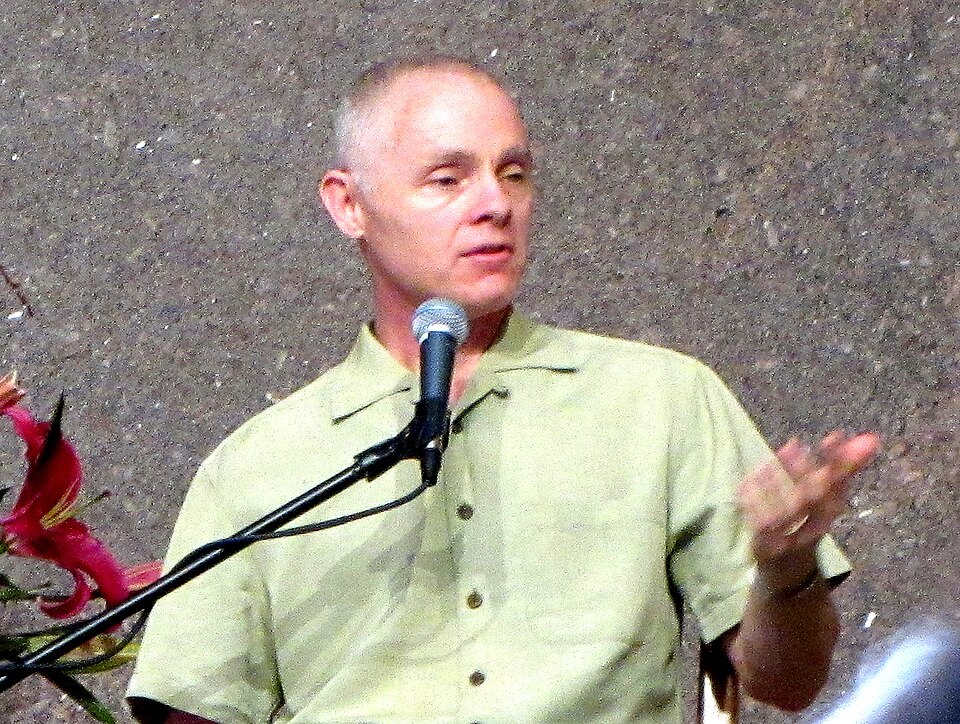
Adyashanti
Adyashanti
Nov 5, 2026
9 min di lettura

Da Adyashanti

Guarda · 8

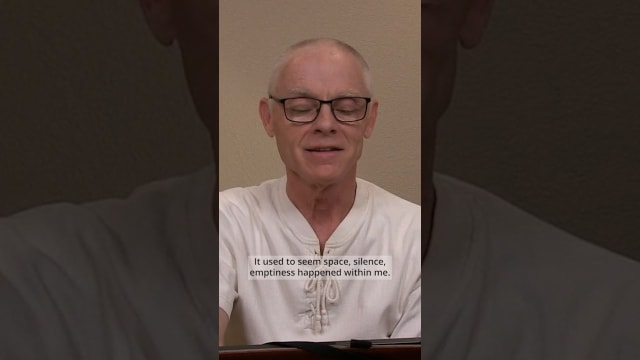
Ask a spiritual teacher what makes practice effective and you will often get a technique, a reading list, or a warning. In a short excerpt from a June 2, 2021 broadcast titled "The Wide Expanse of Enlightenment," Adyashanti answers a student's question with something more compact: three elements he calls the essence of effective spiritual practice, namely silence, inquiry, and intuition. Taken together, they are meant to do one thing. They return the seeker to a question that can only be answered from the inside, and they warn against the most common way that search goes off course, which is looking up somebody else's answer. What follows works through each element, the reasoning he gives for it, and the ideas underneath that are easy to skim past.

Lettura · 9 sezioni

What does a teacher say when a student asks what makes practice effective?

The excerpt opens mid-stream, with Adyashanti reading a question from a student named Michael. "Michael asks, 'What constitutes effective practice?'" (0:00). He pauses to say that he could talk all night about it, then decides against it. His stated aim is to offer something "that can live in you and that can evoke your own wisdom, evoke your own meaning, evoke your own intuitive way" (0:39).

That framing matters. He is not handing over a procedure to be executed on schedule. He is offering a small set of seeds and trusting the listener to grow something specific from them. Notice the word "evoke" appearing twice in that sentence. The teaching is designed to draw out a recognition that already exists, not to install a belief.

Why is silence the ground of practice?

His first element is silence, and he is direct about its relationship to meditation: silence is "essentially what meditation is." But he quickly widens the frame. "We can attend to silence any time, any old time, all times" (1:09). Silence is not a special state reserved for the cushion. It is the background against which everything else is noticed, and he calls it "the ground of all spiritual practice."

He also names the trap that silence can become. Picture it: you are sitting quietly, the mind settles, and there is a pleasant, warm sense of ease. He describes the inner voice in that moment as, "oh yeah I've got silence and I'm in this nice kind of blissy space." The problem is not that the experience is bad. It is that, as he puts it, "it's temporary." The feeling will shift, and a practice built only on pleasant quiet has nothing to hold on to when it does.

What does inquiry look like when it isn't mechanical?

The second element, inquiry, is where the excerpt gets most specific. He is careful to say he does not mean "something overly mechanical." Inquiry is "a living spirit of inquiry" (1:36). He acknowledges why people reach for rigid instructions. "We want to be told what do I do and exactly how do I do it," he says, adding that he remembers feeling the same way himself.

His answer is that inquiry is "a spirit of curiosity but it needs direction." The direction he offers is a question: Who am I really? He notes that "what am I" is also a question he likes, and then he gives the listener permission to find the wording that resonates. The exact phrasing is less important than the quality of the asking.

Then he delivers the warning that gives the excerpt much of its weight:

"If you read about other people's answers and other spiritual teachers' answers to who you are, before you know it, you're not actually involved in the inquiry at all. You're looking for somebody else's answer." (Adyashanti, excerpt from his June 2, 2021 broadcast, "The Wide Expanse of Enlightenment")

In the transcript he follows it with the line, "Don't look for someone else's answer. Don't look for my answer. Find your answer" (2:30). This is the spine of the whole teaching. A question that is handed to you with its answer attached has stopped functioning as a question. The reader has become a collector of conclusions, and the inquiry that was supposed to dissolve the sense of a fixed self has quietly been replaced by another set of ideas about the self.

Why does curiosity need to be the engine?

He returns to the question of curiosity several times, and it is the hinge between silence and inquiry. "You have to want to know," he says (3:08). Without that wanting, silence drifts back toward comfort. Curiosity, in his description, is what "adds a kind of dynamic quality" to quiet. It refuses to let the good feeling settle into complacency.

The move he suggests is subtle. When the pleasant stillness arrives, do not simply rest in it as an answer. Let the inquiry ask a sharper question: "Yes, you feel good, but really, really, really, who are you that feels good right now? Let's get down to it. Who's the you that feels good, that's hanging out in silence?" (3:54). He is specific about what to do next. Do not answer that question in your head. Let it open "a felt sense of mystery." The question is meant to be carried in the body and the attention, not solved by the intellect.

Which questions are worth carrying?

Here he is generous to the full range of human concerns. Questions about healing, therapy, life, relationships, and work are, in his words, "all relevant in their own right." He says they are "not to be belittled or dismissed," and that there is a time and place for them.

But he draws a line around what he calls the big existential questions: "Who am I? What is God? What is life? What is real? What's actually true?" He describes these as "the hallmark of the deeper forms of spirituality," the ones that "open the doors to the essence of our being" (5:44). His test for whether a question deserves a lifetime of attention is energy. "A question is only relevant when it's relevant to you. It has to have energy. It has to have power. You have to really want to know."

He offers a practical way to find that question. Imagine reaching the end of your life without having looked into it, and ask what you would most have wanted insight into. He frames it as a matter of perspective that death can sharpen. Then he adds the line that keeps the whole teaching from becoming a new authority: "Your spirituality is yours, not mine, not anybody else's." (5:05) The question you carry has to be yours, or it will not do its work.

Why is "I don't know" the doorway?

This is the passage where many listeners will feel the teaching turn. Adyashanti says the practice of inquiry should lead you to admit you do not know. "I don't know is the doorway of all spiritual realization. I know blocks the way. It really does." (7:38)

He is not recommending despair. He is distinguishing two kinds of not-knowing. One is the frustration of wanting an answer you cannot reach. The other is the recognition that something about you is so mysterious that the intellect cannot get a grip on it. His instruction is to notice when the mind is reaching for a new definition, and to stop. "Maybe let yourself feel your way into the mystery of your being" (8:14).

He names this approach "meditative inquiry." It does not require you to be sitting cross-legged, though it can happen there. What makes it meditative is its connection to "your immediate experience," and to the feeling of mystery that the question opens. In this framing, inquiry is not a mental exercise that runs alongside practice. It is a way of staying present with what is actually happening.

What is intuition, and how is it different from conditioning?

The third element is intuition, and Adyashanti is blunt about why so many people feel cut off from it. Many have never been told that they can trust themselves, that they are allowed to even attempt to trust their own sense of things (8:55). In its place they have absorbed a stream of inherited views, which he sums up with a sharp distinction: "This is what I think and this is what I believe. That's not intuition. That's conditioning."

What he points toward instead is "that deeper thing. A deeper thing that gives direction." The excerpt does not spell out further what that deeper thing feels like or how to recognize it, and it is worth being honest about that gap. What it does establish is the relationship. Intuition is the faculty that can tell the difference between an answer that is genuinely yours and one that was only handed to you. Trusting it is part of the practice, not a reward for finishing it.

How do silence, inquiry, and intuition work together?

Read as a sequence of instructions, the three can look like separate tasks. Read as a single movement, they fit together. Silence supplies the ground, the stillness in which the question can be heard at all. Inquiry supplies direction and energy, keeping the stillness from becoming a pleasant rest stop. Intuition is the sense that recognizes when a response is truly one's own rather than borrowed, conditioned, or merely comfortable. Remove any one and the practice tends to drift: silence without inquiry becomes bliss, inquiry without silence becomes mental grinding, and either without intuition can collect other people's answers indefinitely.

This is the through-line the excerpt keeps returning to. Effective practice, in this account, is not measured by how much you know or how good you feel. It is measured by whether you are still doing the looking yourself.

Where to go from here

If this teaching lands, the most useful next step is small and concrete. Sit in silence for a few minutes without trying to make anything happen. When a pleasant feeling arrives, ask Adyashanti's question without answering it: who is the one that feels this? Choose one question that carries real energy for you, and resist the urge to read what others have concluded about it. Notice when a thought arrives that sounds like a belief you were taught, and ask whether it comes from a deeper place or from conditioning.

For a fuller version of this material, the excerpt is drawn from the June 2, 2021 broadcast, "The Wide Expanse of Enlightenment." According to the video's description, full-length teachings like it are available to members of Adyashanti's YouTube community at the basic membership level, which is a reasonable place to go if you want to hear the surrounding context in his own words.
Comments

Loading the conversation…

Transcript

[0:00] Here's

[0:06] another simple question somebody sent

[0:07] me. And I like these simple questions

[0:10] about practice because they're so

[0:12] they're just so honest and so sincere

[0:14] and straightforward. And this is from

[0:17] Michael. Um so thank you Michael for

[0:19] this this sincere and straightforward

[0:22] question. Michael asks, "What

[0:24] constitutes effective practice?"

[0:27] Boy, could I go on all night about that.

[0:30] what of constitutes effective practice.

[0:32] But I'm not going to go all on all night

[0:35] because

[0:37] I want to give you something that that

[0:39] can live in you and that can evoke

[0:43] evoke your own wisdom, evoke your own

[0:46] meaning, evoke your own intuitive way.

[0:49] You see, that's

[0:52] um so what constitutes effective

[0:56] practice?

[0:58] Well, this is what effective spiritual

[1:00] effective spiritual practice is to me.

[1:04] Silence,

[1:09] which is essentially what meditation is.

[1:11] But we can attend to silence any time,

[1:14] any old time, all times. Silence,

[1:19] inquiry,

[1:22] and intuition.

[1:25] That's the essence of effective

[1:27] spiritual practice. Silence, I've

[1:30] already talked about silence as the

[1:31] ground of all spiritual practice.

[1:36] Inquiry, I don't mean something overly

[1:39] mechanical.

[1:42] It's a spirit. It's like a living spirit

[1:45] of inquiry.

[1:48] I know that often people approach to

[1:51] inquiry in in far too mechanical of a

[1:54] way and I understand because you know we

[1:56] want to be told what do I do and exactly

[1:58] how do I do it. I get that. I I remember

[2:00] feeling that myself.

[2:04] But inquiry is a spirit of curiosity

[2:08] but it needs direction of course. Who am

[2:11] I really?

[2:13] But see that can become so mechanical

[2:15] and then you read about other people's

[2:17] answer to it and other spiritual

[2:19] teachers answer to who you are and

[2:21] before you know it you're not actually

[2:23] involved in the inquiry at all. You're

[2:25] looking for somebody else's answer.

[2:28] Don't look for someone else's answer.

[2:30] Don't look for my answer.

[2:36] Find your answer.

[2:42] Now who am I? isn't the only question or

[2:44] what am I? I like what am I, but you

[2:46] find the find the way of articulating it

[2:48] that resonates with you,

[2:50] but inquiry, it doesn't even have to be

[2:52] a prescribed

[2:54] thing necessarily, but

[2:57] inquiry, curiosity is vital.

[3:03] You have to want to know

[3:06] because otherwise even silence can just

[3:08] be oh yeah I've got silence and I'm in

[3:11] this nice kind of blissy space and oh it

[3:16] feels so good

[3:19] but it's temporary.

[3:21] you've experienced maybe when you're

[3:22] meditating or where or maybe you

[3:24] experience a lot of the time but it's

[3:26] the curiosity component the inquiry

[3:30] component that's that adds a kind of

[3:32] dynamic quality

[3:34] that says okay I'm feeling really good

[3:37] and kind of blissy and silence and oh I

[3:40] don't even want to be bothered why I buy

[3:42] a question now cuz I feel good you know

[3:44] but you know you're not going to feel

[3:47] the same way forever

[3:50] and the inquiry comes in and says, "Yes,

[3:52] you feel good, but really, really,

[3:54] really, who are you that feels good

[3:56] right now? Let's get down to it.

[4:01] Who's the you that feels good, that's

[4:03] hanging out in silence?" And never

[4:06] answer that question in your mind. Let

[4:08] that open a felt sense of mystery in

[4:11] you.

[4:13] Let it take you to that feeling of I

[4:15] don't know.

[4:17] I don't know, but I'm but I'm drawn,

[4:21] right? I want to know. I'm drawn to

[4:24] know.

[4:26] Now, if you don't resonate with that

[4:28] kind of question, find the question that

[4:30] does resonate with you. I can say the

[4:33] questions that that really have directly

[4:35] to do with with awakening,

[4:38] enlightenment, things like that, they

[4:40] they are the question that gets down to

[4:41] the essence of your own being. Like we

[4:44] can have questions about all sorts of

[4:46] stuff, you know, back to

[4:48] questions, healing questions, therapy

[4:51] questions, life questions, relationship

[4:53] questions, job questions. Those are all

[4:56] relevant in their own right. There's a

[4:58] time and a space where those questions

[4:59] are really important and and they're not

[5:01] to be belittled or dismissed,

[5:05] right? But if we're really going for if,

[5:10] and I'm not trying to say you should,

[5:12] because you're the one that should be

[5:13] defining what your spirituality is

[5:15] about, right? Not me or anybody else.

[5:17] You, it's your life. Your spirituality

[5:22] is yours, not mine, not anybody else's.

[5:26] What's your spiritual life about? What's

[5:29] your life question? What's your I like

[5:32] to call them the big existential

[5:34] questions. Who am I? What is God? What

[5:37] is life?

[5:39] What is real? What's actually true?

[5:44] Big existential questions are are are

[5:47] the hallmark of of the deeper forms of

[5:50] spirituality. They certainly are the

[5:52] ones that kind of open the doors to the

[5:54] essence of our being. But you know, a

[5:57] question is only relevant when it's

[5:59] relevant to you. It has to has have to

[6:01] has to have energy. It has to have

[6:02] power. You have to really want to know.

[6:05] And so find the thing, not just the

[6:08] momentary question of the moment, but

[6:11] but but the question, let's say that if

[6:13] you get to the end of your life, if you

[6:16] haven't resolved or you didn't even try

[6:18] to resolve it, that you might sit there

[6:20] thinking, "God, I wish I really looked

[6:23] into that more while I was alive."

[6:29] death can can create that kind of

[6:31] perspective when we think about it. When

[6:34] it's all said and done,

[6:37] what's the thing that I really really

[6:40] would have liked insight into?

[6:46] That's what I mean as existential

[6:48] question. Find out what that is for you.

[6:51] So, silence

[6:52] inquiry and you you don't have to make

[6:54] it overly mechanical. Let that question

[6:57] live with you, but also not just live

[7:00] with you rattling around in your head,

[7:02] but let it focus you.

[7:05] You know, like I said, you can sit out

[7:07] in silence and okay, that's really nice.

[7:10] And sometimes I'll encourage that with

[7:12] people. That can be very healing, too.

[7:16] But also, at some point, we can bring,

[7:19] okay, what is it? What what is this

[7:21] thing called me that's sitting here is

[7:23] experiencing this silence? What? What is

[7:26] that? And don't sit around thinking

[7:28] about it. Let the question take you into

[7:32] a kind of a deeper mysteriousness. Let

[7:36] yourself not know. Let yourself admit, I

[7:38] have I really don't know. And that's

[7:41] okay. That's what you That's where you

[7:44] want to go. That's your doorway. I don't

[7:47] know is the doorway of all spiritual

[7:49] realization.

[7:50] I know blocks the way.

[7:54] It really does. I don't know. I really

[7:57] want to know, but I don't know. And not

[8:00] getting despondent about that. But oh, I

[8:05] don't know also means that something

[8:07] about me is apparently so mysterious

[8:11] that that I just can't get my

[8:14] intellectual hands around it. Okay,

[8:18] [sighs]

[8:19] maybe stop trying to grasp it in your

[8:23] mind as a new definition. Maybe let

[8:26] yourself feel your way into the mystery

[8:28] of your being.

[8:34] See, so that's that's inquiry to me.

[8:38] It's I call it the sort of meditative

[8:40] inquiry. Doesn't mean you have to be

[8:41] meditating to do it, but it's it's a

[8:43] meditative process. It's not just a

[8:45] mental thing. It's connected with your

[8:47] immediate experience with the feeling of

[8:49] mystery and where that takes you. And of

[8:52] course, intuition.

[8:55] Develop your intuition. And you know I

[8:58] know a lot of people are are very

[9:01] disconnected from their intuition

[9:02] because they have never been it's never

[9:04] been suggested that they even trust

[9:06] themselves that they can trust

[9:09] themselves that they're allowed to even

[9:12] attempt to trust their own intuition

[9:14] their own sense of things

[9:16] not their conditioned mental you know

[9:19] this is what I think and this is what I

[9:21] believe that's not intuition that's

[9:22] conditioning

[9:24] but that thing that deeper thing. A

[9:28] deeper thing

[9:31] that gives direction

Adyashanti
ArtistAdyashanti

American spiritual teacher in the Zen and non-dual traditions, sanctioned by his Zen teacher Arvis Justi to teach in 1996. His teaching is unusually direct: pointing past method, i…

Vedi il profiloSito web
Esplora i temi
Effective-practiceSelf-inquiryMeditative-inquirySilence-meditationIntuition

Hai domande?

Domande frequenti

In this excerpt, Adyashanti names silence, inquiry, and intuition as the essence of effective spiritual practice. Silence is the ground, inquiry gives direction and energy, and intuition is the capacity to recognize an answer that is genuinely your own.
He says that reading others' answers to questions like 'who am I' can quietly replace the inquiry itself, so that you end up looking for somebody else's answer rather than finding your own. In the excerpt he says, 'Don't look for someone else's answer. Find your answer.'
Adyashanti describes meditative inquiry as a process connected to your immediate experience and the felt sense of mystery a question opens. It does not require sitting in meditation, though it can happen there, and it is not just a mental exercise.
He says that 'I don't know' opens the door because the mind's certainty blocks the way, while honest not-knowing keeps you open to the mystery of your being. He advises not to grasp for a new definition but to feel your way into that mystery.
He says that holding a belief like 'this is what I think and this is what I believe' is conditioning, not intuition. Intuition is a deeper thing that gives direction, and many people are disconnected from it because they were never told they could trust themselves.
Adyashanti says questions about healing, relationships, and work are relevant in their own right, but the big existential questions such as 'Who am I?', 'What is God?', and 'What is real?' open the doors to the essence of being. The right question is one that has energy for you and that you genuinely want to know.

Continua a leggere

More from Adyashanti

Vedi Tutto
Why Awakening Should Never Get a Period at the End
Inspire

Why Awakening Should Never Get a Period at the End

In a short video answering an emailed reflection, Adyashanti explains why a qualified yes keeps awakening open and why "I got it" becomes th…

8 min read
Dropping Resistance in Meditation: Relaxing Around What Is
Inspire

Dropping Resistance in Meditation: Relaxing Around What Is

Adyashanti's somatic lesson on meditation: release the tension you hold around experience, without resisting it. Here is what that means and…

9 min read
Change the World Live in Bali: A Song That Starts Inward
Inspire

Change the World Live in Bali: A Song That Starts Inward

Franko Heke and Equanimous perform "Change the World" live in Bali. Its call-and-response chorus argues that change begins with how we live,…

7 min read
Medicine Buddha Practice: Feeling Healing Energy Within
Inspire

Medicine Buddha Practice: Feeling Healing Energy Within

A weekly Medicine Buddha session shows how a deity practice can start with feeling rather than imagining. Here is how Lama Rod Owens teaches…

9 min read

Continua a esplorare

Continua il tuo viaggio

Altra saggezza e altri incontri da tutta la directory BrightStar.

Altri articoli

Sfoglia l’intera raccolta di insegnamenti, interviste e guide.

Torna a tutti gli articoli →

Insegnanti e artisti

Esplora i lignaggi, i musicisti e le guide del mondo consapevole.

Esplora gli artisti →

Trova un evento

Kirtan, ritiri, sound bath, breathwork, festival: in arrivo presto.

Sfoglia gli eventi →