BrightStar

Sfoglia tutti i Events

Scopri incontri consapevoli

events

Yoga
Meditation
Breathwork
Qigong
Tai Chi
Sacred Music
World Music
Medicine Music
Sound Healing
Ecstatic Dance
Destinazioni popolari
BaliSedonaLos AngelesCosta RicaNew YorkSan FranciscoAustinMiamiJoshua TreeTulum
Vedi tutte le categorieVedi tutte le destinazioni

Esplora tutte le funzionalità

Strumenti potenti per far crescere i tuoi eventi

Funzionalità della piattaforma

Prezzi dinamici intelligenti
Categorie di biglietti
Posti assegnati
Recupero carrelli abbandonati
Recupero visitatori
Donazioni e prezzi variabili
Sistema affiliati
Scanner biglietti
Codici sconto
Domande personalizzate
Condivisione biglietti
Upsell e componenti aggiuntivi
Analisi e report
Sequenze email
Lista d'attesa / Notifica / Promemoria
Persone e Luoghi
Artists & TeachersEvent OrganizersVenues & StudiosKnowledge BaseGlossaryInspiration
Vedi tutte le funzionalitàChi siamo
PrezziBlog
Language
Saved events
Sfoglia tutti gli eventi

events

YogaMeditationBreathworkQigongTai ChiSacred MusicWorld MusicMedicine Music

Destinazioni popolari

BaliSedonaLos AngelesCosta RicaNew YorkSan Francisco

Persone e Luoghi

Artists & TeachersEvent OrganizersVenues & StudiosKnowledge BaseGlossaryInspiration

Funzionalità della piattaforma

Prezzi dinamici intelligentiCategorie di bigliettiPosti assegnatiRecupero carrelli abbandonatiRecupero visitatoriDonazioni e prezzi variabiliSistema affiliatiScanner bigliettiCodici scontoDomande personalizzateCondivisione bigliettiUpsell e componenti aggiuntiviAnalisi e reportSequenze emailLista d'attesa / Notifica / Promemoria
Vedi tutte le funzionalitàChi siamo
PrezziBlog
AccediRicercatoriCreatori
  • Sfoglia tutti i Eventi
  • Per i ricercatori
  • Yoga
  • Meditazione
  • Breathwork
  • Qigong
  • Tai chi
  • Musica sacra
  • World music
  • Musica medicina
  • Sound healing
  • Danza estatica
  • Ritiri
  • Workshop
  • Tutte le categorie →
  • Bali
  • Sedona
  • Los Angeles
  • Costa Rica
  • Tulum
  • Byron Bay
  • San Francisco
  • Austin
  • New York
  • San Diego
  • Denver
  • Seattle
  • Portland
  • Miami
  • Tutte le città →
  • Join the Movement
  • Why we list
  • Sell Globally
  • Per i creatori
  • Per team
  • Per gli scrittori
  • Per gli insegnanti
  • Per gli artisti kirtan
  • Per gli studi
  • Per i festival
  • Per i centri ritiro
  • Per le no-profit
  • Ambasciatore del brand
  • Biglietteria gratuita
  • Elevate
  • Amplify
  • Rete di 500K+ acquirenti
  • Recupero carrelli abbandonati
  • Prezzi dinamici intelligenti
  • Categorie di biglietti
  • Eventi ricorrenti
  • Posti assegnati
  • Sistema affiliati
  • Lista d'attesa / Notifica
  • Scanner biglietti
  • Widget incorporabile
  • Distribuzione eventi
  • Centro messaggi
  • Integrazioni
  • Report
  • Tutte le funzionalità →
  • Chi siamo
  • L’ecosistema
  • Blog
  • Glossario
  • Ispirazione
  • Centro assistenza
  • Contatti
  • Documentazione API
  • Risorse del brand
  • Carriere
  • Stampa
  • Termini di servizio
  • Informativa sulla privacy

Eventi

  • Sfoglia tutti i Eventi
  • Per i ricercatori
  • Yoga
  • Meditazione
  • Breathwork
  • Qigong
  • Tai chi
  • Musica sacra
  • World music
  • Musica medicina
  • Sound healing
  • Danza estatica
  • Ritiri
  • Workshop
  • Tutte le categorie →

Destinazioni

  • Bali
  • Sedona
  • Los Angeles
  • Costa Rica
  • Tulum
  • Byron Bay
  • San Francisco
  • Austin
  • New York
  • San Diego
  • Denver
  • Seattle
  • Portland
  • Miami
  • Tutte le città →

Per i creatori

  • Join the Movement
  • Why we list
  • Sell Globally
  • Per i creatori
  • Per team
  • Per gli scrittori
  • Per gli insegnanti
  • Per gli artisti kirtan
  • Per gli studi
  • Per i festival
  • Per i centri ritiro
  • Per le no-profit
  • Ambasciatore del brand
  • Biglietteria gratuita
  • Elevate
  • Amplify

Funzionalità

  • Rete di 500K+ acquirenti
  • Recupero carrelli abbandonati
  • Prezzi dinamici intelligenti
  • Categorie di biglietti
  • Eventi ricorrenti
  • Posti assegnati
  • Sistema affiliati
  • Lista d'attesa / Notifica
  • Scanner biglietti
  • Widget incorporabile
  • Distribuzione eventi
  • Centro messaggi
  • Integrazioni
  • Report
  • Tutte le funzionalità →

Azienda

  • Chi siamo
  • L’ecosistema
  • Blog
  • Glossario
  • Ispirazione
  • Centro assistenza
  • Contatti
  • Documentazione API
  • Risorse del brand
  • Carriere
  • Stampa
  • Termini di servizio
  • Informativa sulla privacy
BrightStar
Scarica l'app
Scarica suApp StoreDisponibile suGoogle Play
© 2026 BrightStar. Tutti i diritti riservati.
Inspiration

Self-Focus and Obstacles: When Problem-Solving Turns Inward

Eckhart Tolle
Eckhart Tolle
May 25, 2025
5 min di lettura

Da Eckhart Tolle

When obstacles and difficulties arise, the mind naturally contracts into intense self-focus as we attempt to solve our problems. This heightened self-referential thinking can feel productive—we are working on ourselves, after all—but it also deepens identification with the thinking mind itself. The speaker explores how this mechanism works and what happens when we remain caught in the loop of trying to think our way out of problems, rather than recognizing a dimension of awareness that exists prior to thought.

Lettura · 6 sezioni

How Obstacles Trigger Self-Focus

When life presents obstacles, the default response is to turn inward and think harder about the self. This is a natural protective mechanism—if something is blocking us, we analyze it, examine it, and attempt to solve it through mental effort. The difficulty is that this thinking process, while sometimes useful for practical problem-solving, can become a consuming preoccupation.

The speaker suggests that obstacles force us into a particular mental state: heightened self-focus. We become convinced that the solution lies in thinking more deeply about ourselves, our problems, our patterns, and our circumstances. We dissect our behavior, our motivations, our histories, looking for the key that will unlock resolution. This can feel like self-improvement, like genuine spiritual or psychological work. And yet, the very mechanism we are using to solve the problem—thinking about ourselves—may be deepening the problem itself.

The Trap of Endless Self-Analysis

There is a paradox in using thought to solve the problems created by thought. When we encounter difficulty, the mind's first instinct is to strengthen itself—to think more, analyze more deeply, understand more thoroughly. But this intensification of thinking actually increases our identification with the thinking mind. We become more trapped in the very thing that generated the original problem.

The speaker points to a fundamental confusion: we believe that if we just understand ourselves well enough, if we just think clearly enough about our issues, we will resolve them. This creates a feedback loop where obstacles generate more intense self-focus, which generates more thinking, which generates more sense of self, which generates more problems. The mind becomes hyperfocused on the self as the problem-solver, losing touch with other modes of awareness.

What Lies Beyond the Thinking Mind

The implicit suggestion in the speaker's inquiry—"Are you only thinking about yourself?"—is that there is something beyond thinking about yourself. This does not mean ignoring practical problem-solving or healthy self-reflection. Rather, it points to the possibility of a different kind of awareness that is not rooted in thought.

When we face obstacles, we have a choice in how we respond. We can contract into the thinking mind and intensify self-analysis, or we can step back and become aware of the awareness itself—the conscious presence that observes thoughts but is not limited to them. This conscious presence does not think its way to solutions in the same manner that the egoic mind does. It responds more directly, more simply, more aligned with what the situation actually calls for.

The Difference Between Problem-Solving and Consciousness

Problem-solving through thought has its place in practical life. We need to think when we are managing finances, learning a skill, or organizing our schedules. The difficulty arises when we apply the problem-solving mind to existential difficulties, emotional pain, or spiritual questions. In these domains, more thinking often creates more suffering, not less.

The speaker's question invites reflection on whether our constant self-focus is actually serving us. Are we solving genuine problems, or are we caught in a habit of self-preoccupation? Are we thinking about ourselves because it is necessary, or because the mind has become addicted to thinking about itself? These are not rhetorical questions—they point to a real possibility: that much of our suffering comes not from the obstacles themselves, but from how we have learned to relate to them through endless internal commentary and self-analysis.

Moving Beyond Self-Focus

To move beyond excessive self-focus does not require denying the self or pretending that problems do not exist. Rather, it involves a shift in the primary location of awareness. Instead of being primarily identified with the thinking mind that is analyzing the self, we can rest in the conscious presence that is aware of both thoughts and self. This presence is not separate from you—it is what you are prior to thought.

From this place of presence, obstacles are still encountered, but they are met by something other than the isolated thinking mind. A different kind of intelligence becomes available—one that is not based on personal history, ego defenses, or endless analysis. This does not mean that all problems disappear. It means that we are no longer compounded by the additional suffering that comes from identifying entirely with the thinking mind as the one who must solve everything.

Where to Go From Here

Notice over the next few days when you are thinking about yourself and why. Are you problem-solving something practical, or are you caught in self-referential thought patterns? Can you sense the presence of awareness that is aware of your thoughts without being limited to them? Try observing your mind's activity without needing to change it or fix it. This simple awareness—this stepping back from identification with thought—is the beginning of freedom from the trap of endless self-focus. The obstacles that life presents are often the most powerful teachers, precisely because they force this recognition.

Comments

Loading the conversation…

Con

Artisti in questa storia

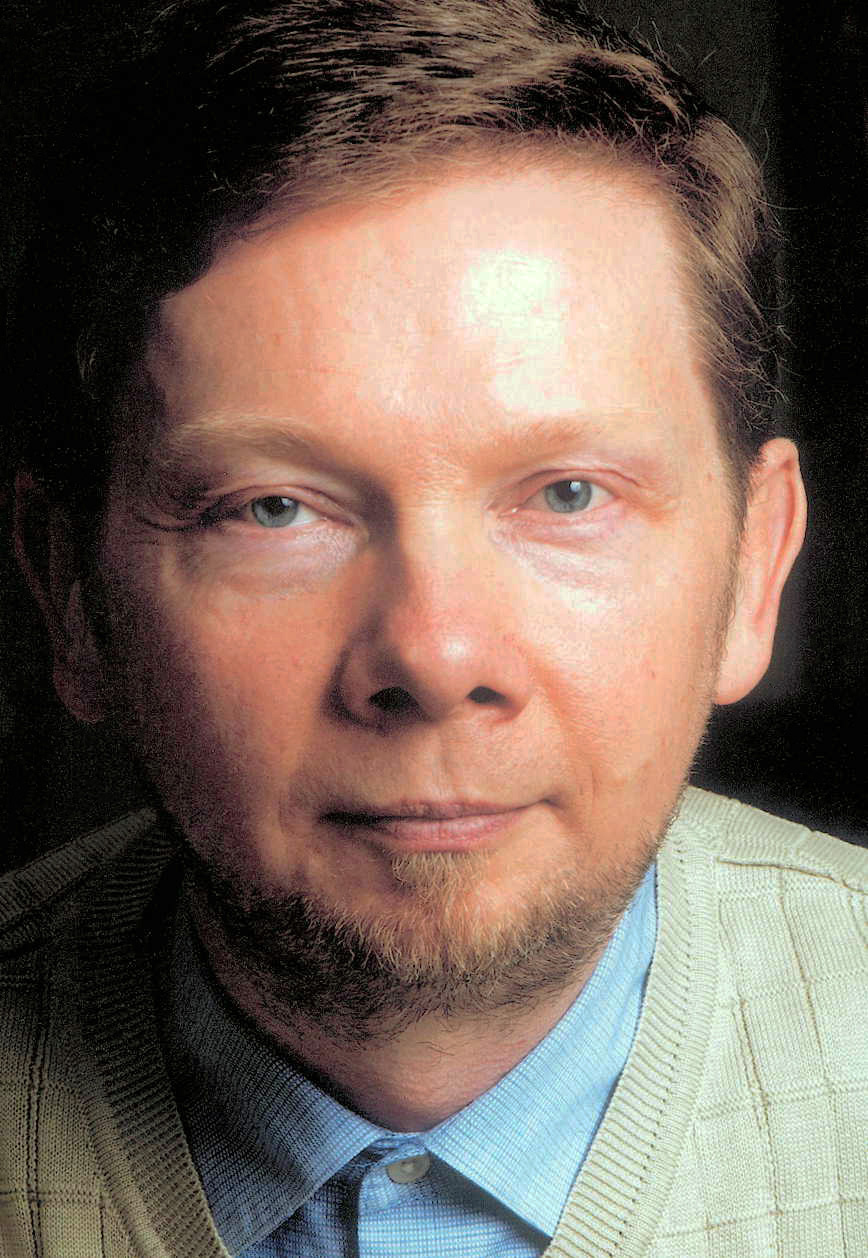
Eckhart Tolle
Eckhart Tolle
Spiritual Teacher

Eckhart Tolle is a spiritual teacher and author, widely recognized as one of the most inspiring and visionary spiritual teachers in the world today. His international bestsellers…

Esplora i temi
Self-focusThinking-mindEgo-consciousnessObstacles-spiritual-growthSelf-awareness

Hai domande?

Domande frequenti

When we encounter difficulties, the mind automatically contracts and intensifies self-focus as a protective mechanism, attempting to solve the problem through deeper analysis and thinking about ourselves. This is natural but can become a trap if it deepens our identification with the thinking mind itself.
Self-analysis can be useful for practical problem-solving, but when applied to existential or emotional pain, more thinking often deepens suffering rather than resolving it. The key is recognizing when we are caught in compulsive self-focus versus genuine self-reflection.
Instead of trying to think your way out of problems, you can step back and become aware of the conscious presence that observes thoughts but is not limited to them. This shift in awareness itself allows a different kind of intelligence to emerge.
Healthy self-reflection is purposeful and leads to clarity or action, while excessive self-focus is compulsive thinking about the self without resolution. The distinction often comes down to whether the thinking is serving a genuine need or feeding an ego habit.
Consciousness does not solve problems in the same analytical way the thinking mind does, but it responds more directly and simply to what situations actually call for. This often proves more effective than getting caught in endless internal analysis.
Thinking about practical matters is necessary and appropriate. The issue arises when the mind becomes addicted to self-preoccupation and uses thinking compulsively to avoid presence, deepening the suffering the mind is trying to solve.

Continua a leggere

More from Eckhart Tolle

Vedi Tutto
God Beyond the Sky: Rethinking Divine Nature
Inspire

God Beyond the Sky: Rethinking Divine Nature

God is not an external judge deciding human suffering. Suffering itself becomes the mechanism through which consciousness awakens to itself.…

6 min read
God, Suffering, and the One Life Across Traditions
Inspire

God, Suffering, and the One Life Across Traditions

Eckhart Tolle explores how Islam, Buddhism, and Greek philosophy all point to the same ultimate reality—and why the problem of suffering dis…

7 min read
A Prayer for Sensitive Souls: Open Without Being Overwhelmed
Inspire

A Prayer for Sensitive Souls: Open Without Being Overwhelmed

Two minutes, one breath, and a short prayer for people who feel everything. Here is what Tony Samara's "A Little Prayer" asks for, line by l…

10 min read
Alert Inner Stillness: A Guided Path to Awake Presence
Inspire

Alert Inner Stillness: A Guided Path to Awake Presence

Learn how to access a deeper awareness beneath thought through "smile yoga" and mindful presence, anchoring yourself in alert stillness.…

8 min read

Continua a esplorare

Continua il tuo viaggio

Altra saggezza e altri incontri da tutta la directory BrightStar.

Altri articoli

Sfoglia l’intera raccolta di insegnamenti, interviste e guide.

Torna a tutti gli articoli →

Insegnanti e artisti

Esplora i lignaggi, i musicisti e le guide del mondo consapevole.

Esplora gli artisti →

Trova un evento

Kirtan, ritiri, sound bath, breathwork, festival: in arrivo presto.

Sfoglia gli eventi →