BrightStar

Sfoglia tutti i Events

Scopri incontri consapevoli

events

Yoga
Meditation
Breathwork
Qigong
Tai Chi
Sacred Music
World Music
Medicine Music
Sound Healing
Ecstatic Dance
Destinazioni popolari
BaliSedonaLos AngelesCosta RicaNew YorkSan FranciscoAustinMiamiJoshua TreeTulum
Vedi tutte le categorieVedi tutte le destinazioni

Esplora tutte le funzionalità

Strumenti potenti per far crescere i tuoi eventi

Funzionalità della piattaforma

Prezzi dinamici intelligenti
Categorie di biglietti
Posti assegnati
Recupero carrelli abbandonati
Recupero visitatori
Donazioni e prezzi variabili
Sistema affiliati
Scanner biglietti
Codici sconto
Domande personalizzate
Condivisione biglietti
Upsell e componenti aggiuntivi
Analisi e report
Sequenze email
Lista d'attesa / Notifica / Promemoria
Persone e Luoghi
Artists & TeachersEvent OrganizersVenues & StudiosKnowledge BaseGlossaryInspiration
Vedi tutte le funzionalitàChi siamo
PrezziBlog
Language
Saved events
Sfoglia tutti gli eventi

events

YogaMeditationBreathworkQigongTai ChiSacred MusicWorld MusicMedicine Music

Destinazioni popolari

BaliSedonaLos AngelesCosta RicaNew YorkSan Francisco

Persone e Luoghi

Artists & TeachersEvent OrganizersVenues & StudiosKnowledge BaseGlossaryInspiration

Funzionalità della piattaforma

Prezzi dinamici intelligentiCategorie di bigliettiPosti assegnatiRecupero carrelli abbandonatiRecupero visitatoriDonazioni e prezzi variabiliSistema affiliatiScanner bigliettiCodici scontoDomande personalizzateCondivisione bigliettiUpsell e componenti aggiuntiviAnalisi e reportSequenze emailLista d'attesa / Notifica / Promemoria
Vedi tutte le funzionalitàChi siamo
PrezziBlog
AccediRicercatoriCreatori
  • Sfoglia tutti i Eventi
  • Per i ricercatori
  • Yoga
  • Meditazione
  • Breathwork
  • Qigong
  • Tai chi
  • Musica sacra
  • World music
  • Musica medicina
  • Sound healing
  • Danza estatica
  • Ritiri
  • Workshop
  • Tutte le categorie →
  • Bali
  • Sedona
  • Los Angeles
  • Costa Rica
  • Tulum
  • Byron Bay
  • San Francisco
  • Austin
  • New York
  • San Diego
  • Denver
  • Seattle
  • Portland
  • Miami
  • Tutte le città →
  • Join the Movement
  • Sell Globally
  • Per i creatori
  • Per team
  • Per gli scrittori
  • Per gli insegnanti
  • Per gli artisti kirtan
  • Per gli studi
  • Per i festival
  • Per i centri ritiro
  • Per le no-profit
  • Ambasciatore del brand
  • Case study
  • Biglietteria gratuita
  • Elevate
  • Amplify
  • Rete di 500K+ acquirenti
  • Recupero carrelli abbandonati
  • Prezzi dinamici intelligenti
  • Categorie di biglietti
  • Eventi ricorrenti
  • Posti assegnati
  • Sistema affiliati
  • Lista d'attesa / Notifica
  • Scanner biglietti
  • Widget incorporabile
  • Distribuzione eventi
  • Centro messaggi
  • Integrazioni
  • Report
  • Tutte le funzionalità →
  • Chi siamo
  • L’ecosistema
  • Blog
  • Glossario
  • Ispirazione
  • Centro assistenza
  • Contatti
  • Documentazione API
  • Risorse del brand
  • Carriere
  • Stampa
  • Termini di servizio
  • Informativa sulla privacy

Eventi

  • Sfoglia tutti i Eventi
  • Per i ricercatori
  • Yoga
  • Meditazione
  • Breathwork
  • Qigong
  • Tai chi
  • Musica sacra
  • World music
  • Musica medicina
  • Sound healing
  • Danza estatica
  • Ritiri
  • Workshop
  • Tutte le categorie →

Destinazioni

  • Bali
  • Sedona
  • Los Angeles
  • Costa Rica
  • Tulum
  • Byron Bay
  • San Francisco
  • Austin
  • New York
  • San Diego
  • Denver
  • Seattle
  • Portland
  • Miami
  • Tutte le città →

Per i creatori

  • Join the Movement
  • Sell Globally
  • Per i creatori
  • Per team
  • Per gli scrittori
  • Per gli insegnanti
  • Per gli artisti kirtan
  • Per gli studi
  • Per i festival
  • Per i centri ritiro
  • Per le no-profit
  • Ambasciatore del brand
  • Case study
  • Biglietteria gratuita
  • Elevate
  • Amplify

Funzionalità

  • Rete di 500K+ acquirenti
  • Recupero carrelli abbandonati
  • Prezzi dinamici intelligenti
  • Categorie di biglietti
  • Eventi ricorrenti
  • Posti assegnati
  • Sistema affiliati
  • Lista d'attesa / Notifica
  • Scanner biglietti
  • Widget incorporabile
  • Distribuzione eventi
  • Centro messaggi
  • Integrazioni
  • Report
  • Tutte le funzionalità →

Azienda

  • Chi siamo
  • L’ecosistema
  • Blog
  • Glossario
  • Ispirazione
  • Centro assistenza
  • Contatti
  • Documentazione API
  • Risorse del brand
  • Carriere
  • Stampa
  • Termini di servizio
  • Informativa sulla privacy
BrightStar
© 2026 BrightStar. Tutti i diritti riservati.
Inspiration

Participatory Devotional Singing and Sacred Sound

Carolina Chrem
Carolina Chrem
Dec 12, 2014
7 min di lettura

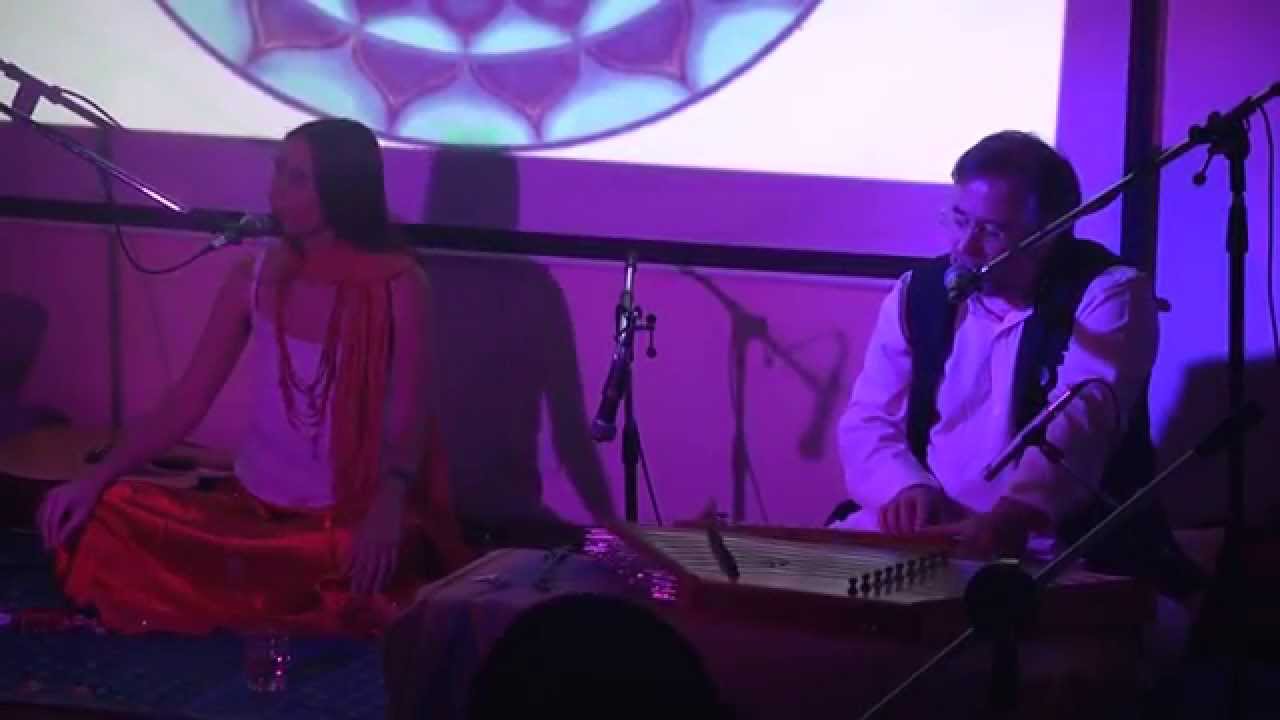
The room fills gradually. People settle onto cushions, chairs, or the floor itself—there is no stage, no clear separation between guide and guest. A voice begins, steady and warm, moving through syllables both familiar and ancient. Someone joins in. Then another. The practice is not something to witness; it is something to enter, to add your own breath to, to feel vibrating in your own chest. This is the essence of participatory mantra practice: not performance, but gathering; not transmission from one voice to many ears, but the creation of a collective sacred resonance.

Lettura · 6 sezioni

What is participatory devotional singing?

Participatory devotional singing differs fundamentally from the concert model, where a trained vocalist delivers art to an audience. Here, the guide—in this case, a voice steeped in mantras and devotional traditions—initiates a sound, teaches it, and invites others to join. The Sanskrit term kirtan describes this precisely: it means "to praise" or "to celebrate," and in practice it is a call-and-response form where a lead vocalist (the kirtankar) sings a line, and the community echoes it back. The exchange becomes rhythmic, meditative, and deeply communal.

The distinction matters. A mantra recited alone is one experience—intimate, introspective, the mind focused on the sound's vibration and meaning. A mantra sung collectively is transformed. The individual voice becomes part of a larger body of sound. Breathing synchronizes. The nervous system attunes to the collective rhythm. What begins as language—Sanskrit syllables with specific spiritual meanings—becomes an embodied practice, where meaning flows through sound, breath, and the felt sense of being held within something larger than oneself.

Why does ancestral sound matter?

The language of the event description—"ancestral and sacred sounds"—gestures toward a lineage that stretches back centuries. Mantras are not modern inventions. They emerge from the Sanskrit traditions of Hinduism, Buddhism, and related contemplative paths, preserved and transmitted for thousands of years. The sounds themselves carry this history: each syllable, each vowel, each nasal resonance has been considered, refined, and encoded with intention across generations.

When contemporary practitioners gather to sing these sounds, they are not simply making noise. They are accessing a tradition, receiving what previous generations have discovered about the power of vibration and the mind. The word "ancestral" acknowledges this lineage—these are not new creations, but old songs being awakened in new contexts. There is both humility and power in that recognition: the practitioner is not inventing something but joining something that already exists, already has weight and history.

In the modern spiritual landscape, where many seekers feel disconnected from rooted traditions, participatory mantra practice offers a direct line. You do not need years of study to begin. You do not need to understand Sanskrit grammar or the theological frameworks underlying each mantra. You come, you listen, you join, and through the act of singing, you become part of the transmission. The knowledge enters you somatically—through your vocal cords, your breath, your body's resonance with the room.

What does collective sacred sound do?

Neuroscience and contemplative wisdom arrive at similar conclusions: group chanting and singing alter the nervous system in measurable ways. When people vocalize together, their heart rates and breathing patterns synchronize. This synchronization activates the parasympathetic nervous system—the body's natural calm response. Stress hormones lower. Attention narrows to the present moment. The brain wave patterns of participants begin to cohere.

Beyond the physiological shifts, there is something psychological and even spiritual that occurs in group singing. The individual sense of isolation temporarily dissolves. A person sitting alone with anxiety, grief, or existential questions steps into a room and adds their voice to dozens or hundreds of others. The sound holds them. The rhythm carries them. For the duration of the gathering, they are not alone with their internal struggle; they are part of something coherent, purposeful, and transcendent.

This is not escapism, though it may feel like relief. Rather, it is what contemplative traditions call satsang—the company of truth, or the gathering in authenticity. The mantra itself is often a invocation: a call to a particular quality (courage, compassion, liberation, divine presence). By singing it together, the community holds that intention collectively. Each voice reinforces it. The room becomes a container for that prayer or aspiration.

How does participation transform the practice?

In a lecture or dharma talk, information flows one direction: from teacher to student. The student is often passive, receiving. In participatory singing, the student must become active. They must listen, learn the melody or call-and-response pattern, coordinate their breath, and sustain their voice through repetition. This requirement to participate—to show up not just mentally but vocally and physically—shifts the entire nature of the learning.

When you sing a mantra yourself, you cannot hide. You cannot intellectualize it or keep it at arm's length. Your body is involved. Your breath is involved. If you are self-conscious, you must move through that self-consciousness to add your voice. If you are grieving or joyful, the mantra becomes a container for that emotion. The practice is no longer abstract; it is lived.

This is why participatory mantra practice has grown in the West, particularly among urban seekers who may lack deep roots in any single spiritual tradition. It offers accessibility without dilution. You do not need credentials or initiation or prior knowledge. You come as you are, and the community holds space for your voice to join. Over time, through repeated participation, the mantra becomes internalized. You carry it home. You can return to it in moments of difficulty or joy. It becomes yours not through intellectual study but through embodied practice.

What is the role of the guide?

The facilitator of a participatory mantra gathering—the voice that initiates the sound—carries specific responsibilities. They must know the mantra deeply, understand its lineage and meaning, and be able to teach it clearly enough that newcomers can join within minutes. They must also cultivate the energetic and emotional container: through their own presence, consistency, and devotion, they model what participation looks like. They do not perform; they serve.

The guide's voice is the compass. It provides the melody, the rhythm, the intention. Others follow, support, and gradually find their own place within the collective sound. The guide is not trying to impress or demonstrate mastery. They are trying to open a door and invite as many people through as possible.

Where to go from here

If you are curious about participatory devotional singing, the entry point is simple: find a local kirtan gathering, mantra circle, or devotional music event and attend. Come without expectations. Sit or stand where you feel comfortable. Listen first. When you are ready, add your voice—even if it feels uncertain or untrained. The practice does not require a good singing voice; it requires only willingness to participate.

For deeper engagement, seek teachers and traditions that resonate with you. Different lineages emphasize different mantras and different approaches. Some are rooted in Hindu bhakti (devotional) traditions, others in Buddhist practice, still others in contemporary spiritual eclecticism. Explore, listen, and notice which sounds and communities call to you. The mantra itself will teach you, if you return to it repeatedly and with genuine curiosity.

Consider also keeping a personal practice at home: choosing one mantra that resonates, singing it daily or weekly, noticing how the sound and its vibration affect your mind and body over time. The power of participatory practice is amplified when held within individual spiritual work. The community gathers you; the personal practice grounds you.
Comments

Loading the conversation…

Carolina Chrem
ArtistCarolina Chrem

World Music Vocalist and Kirtan Artist from Buenos Aires who blends Indian devotional music and ancestral rhythms through mantra circles and transformative performances for healing…

Vedi il profiloSito web
Esplora i temi
MantraDevotional-singingSacred-soundKirtanCollective-practice

Hai domande?

Domande frequenti

Listening is passive; participation requires your voice, breath, and body to join the collective sound. When you sing mantras together, your nervous system synchronizes with others, creating a shared container for intention and presence that listening alone cannot provide.
No. Participatory mantra practice is designed for beginners. The guide teaches the melody and call-and-response pattern, and you join at your own pace. A trained voice is not required—only willingness to participate authentically.
Ancestral mantras carry centuries of transmission from previous practitioners and teachers. By singing them, you access that lineage somatically—through your breath, voice, and body's resonance—without needing years of formal study.
Group chanting synchronizes heart rates, breathing patterns, and brain wave activity. This activates the parasympathetic nervous system, lowering stress hormones and creating a coherent state where the nervous systems of participants entrain to one another.
Yes. Solo mantra practice, repeated regularly, internalizes the sound and its vibration. However, participatory gathering adds a collective dimension—the support and resonance of shared practice—that solo work does not provide, though both are valuable.
Satsang means 'the company of truth' or gathering in authenticity. In group mantra practice, it refers to the collective container where participants hold a shared intention, support one another, and experience connection beyond individual isolation.

Continua a leggere

More from Carolina

Vedi Tutto
Devotional Mantras and Sacred Song: The Living Practice
Inspire

Devotional Mantras and Sacred Song: The Living Practice

A mantra celebration centers on the power of sacred sound and devotional singing to transform consciousness. Carolina Chrem's performance ex…

1 min read
Harmony in Presence: The Gift of Now
Inspire

Harmony in Presence: The Gift of Now

Carolina Chrem's "Armoni" explores the intersection of musical harmony and lived presence, suggesting that true unity lies in inhabiting the…

1 min read
Minimal Vocalization as Spiritual Practice: Power in Simplicity
Inspire

Minimal Vocalization as Spiritual Practice: Power in Simplicity

A brief live vocal interlude demonstrates how devotional sound—stripped to its essence—can invoke presence and transformation through pure r…

1 min read
Govinda Jaya: How Sacred Sound Awakens the Heart
Inspire

Govinda Jaya: How Sacred Sound Awakens the Heart

Radhika Das channels the liberating power of mantra through a luminous kirtan performance at Medicine Festival, invoking divine names to pur…

1 min read

Continua a esplorare

Continua il tuo viaggio

Altra saggezza e altri incontri da tutta la directory BrightStar.

Altri articoli

Sfoglia l’intera raccolta di insegnamenti, interviste e guide.

Torna a tutti gli articoli →

Insegnanti e artisti

Esplora i lignaggi, i musicisti e le guide del mondo consapevole.

Esplora gli artisti →

Trova un evento

Kirtan, ritiri, sound bath, breathwork, festival: in arrivo presto.

Sfoglia gli eventi →