What is the Oneness Movement?
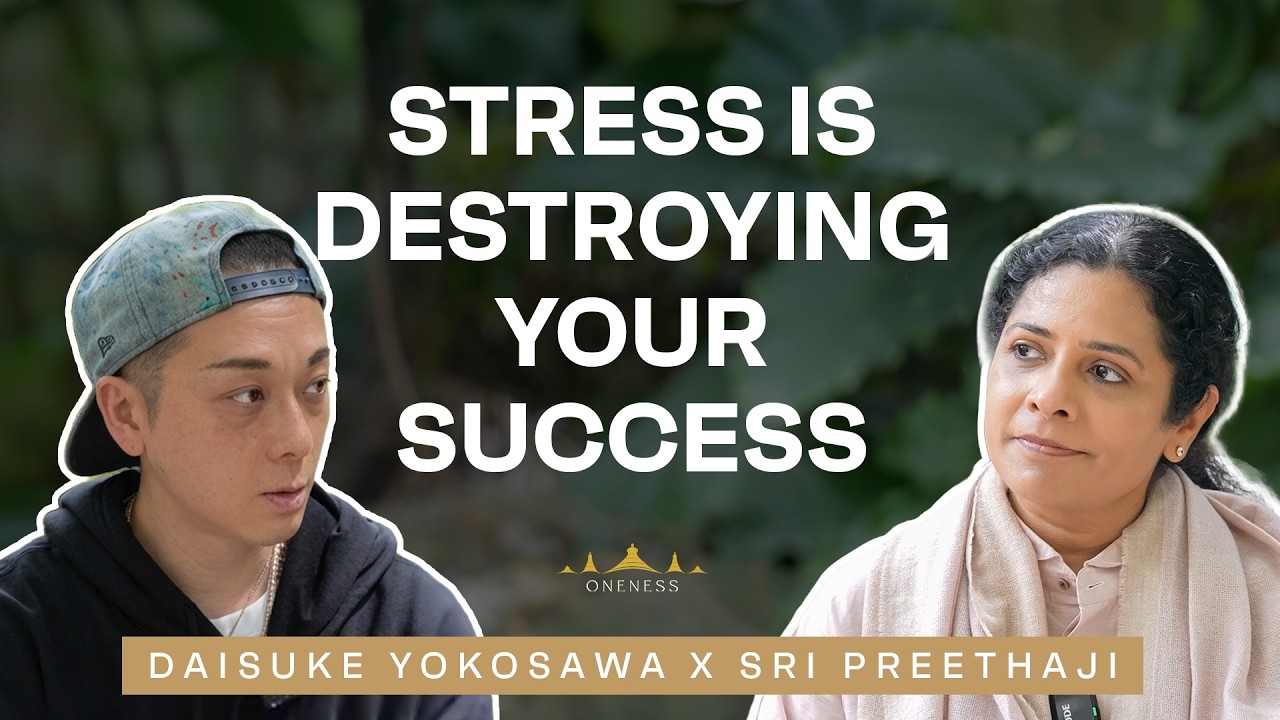
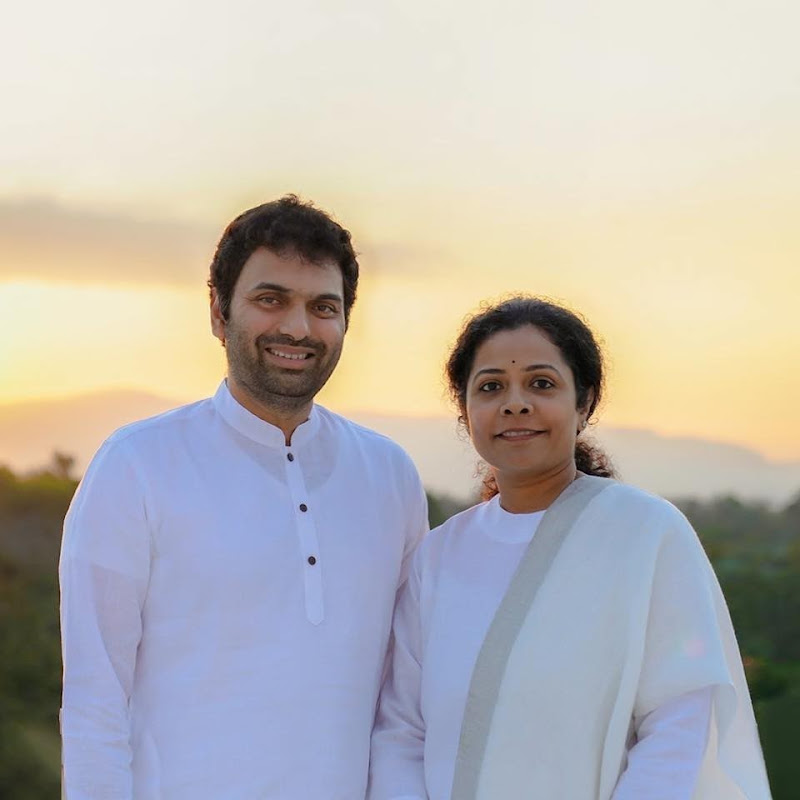
The Oneness Movement, led by Sri Preethaji and Sri Krishnaji, is a spiritual community dedicated to the exploration and direct experience of non-dual consciousness. The movement centers on the recognition that separation is illusory—that beneath individual identity lies an undivided wholeness. Rather than offering philosophy alone, the Oneness Movement emphasizes lived experience, group transmission, and the activation of inner faculties that allow practitioners to realize this truth firsthand.
The teachers work with what they describe as "divine power" or energetic transmission, using specific methods to shift consciousness in both individuals and groups. This approach differs from purely intellectual spiritual study; the emphasis falls on transformation through direct experience rather than belief.
Why Do the Teachers Hold Events in Different Locations?
Events like the Gold Coast gathering serve multiple purposes within the Oneness Movement. First, they create a field of collective consciousness where practitioners can amplify their individual practice. The presence of the teachers and the gathered community generates what the movement describes as a transmission—a tangible shift in the energetic or conscious field that facilitates awakening. Second, these gatherings make the teachings accessible to participants who may not have regular access to the lineage. Third, events establish local communities and support networks of practitioners committed to the exploration of oneness.
The Gold Coast event, held in Australia, reflects the movement's global reach. The teachers travel internationally to meet communities where interest has developed, reinforcing that the experience of non-dual consciousness is not location-dependent.
What Methods Are Used in Oneness Movement Gatherings?
While the specific practices employed at the Gold Coast event are not detailed in this highlight, the Oneness Movement typically incorporates several foundational approaches:
- Group transmission: The collective field created when the teachers and practitioners gather together acts as a catalyst for consciousness shift. Individual awareness is amplified in group settings.
- Guided inquiry: Practitioners are often invited to explore specific questions or aspects of experience, turning the mind toward direct knowing rather than conceptual understanding.
- Energetic activation: The teachers work with what the tradition calls divine power or grace, which they describe as a force that can awaken dormant capacities within consciousness.
- Community practice: Practitioners support each other's growth, creating accountability and mutual activation within the spiritual path.
How Does Collective Awakening Differ From Individual Spiritual Practice?
The Oneness Movement emphasizes that consciousness awakening is not solely an individual endeavor. While personal meditation, inquiry, and discipline are important, the shift into non-dual awareness often requires the catalytic presence of a realized teacher or an activated collective field. In group settings, the individual's resistance or psychological barriers may be more readily transcended. The group creates a resonance that can penetrate where solitary practice might plateau.
This is not to say individual practice is unnecessary—rather, it is complemented and accelerated by collective work. The Gold Coast event exemplifies this integration: participants bring their individual commitment to awakening, and the gathering amplifies and focuses that intention through the presence of the teachers and the energy of the assembled community.
What Can Participants Expect From an Oneness Movement Event?
Attendees of Oneness Movement gatherings typically encounter an environment structured to facilitate direct experience. The teachers create the conditions for inner opening through transmission, which may be felt as a subtle shift in consciousness, relaxation of the nervous system, or spontaneous insight. Participants often report experiences of expanded awareness, the dissolution of boundaries between self and other, or profound quietness of mind.
Beyond individual experience, participants engage in a community of seekers, all oriented toward the same awakening. This shared intention and field create a supportive matrix for transformation. The Gold Coast event, being a public gathering, likely welcomed both longtime practitioners and newcomers curious about the Oneness Movement's approach.
How Does the Oneness Movement Understand the Role of Teachers?
In the Oneness Movement, teachers like Sri Preethaji and Sri Krishnaji are not understood as gurus in the traditional sense of being repositories of knowledge. Instead, they function as facilitators of transmission—individuals through whom divine power or conscious grace flows. Their role is to create conditions in which the seeker's own inner awakening can unfold. The teachers do not claim to give enlightenment; rather, they remove obstacles and activate capacities already present within consciousness.
This understanding places responsibility on the practitioner to show up sincerely and be open to the shift being offered. The teacher-student relationship in the Oneness Movement is collaborative rather than hierarchical in the sense of spiritual superiority; both are participants in the shared exploration of non-dual consciousness.
Where to Go From Here
If you are interested in the Oneness Movement's approach to collective awakening, consider exploring their online resources, guided meditations, and teachings. Many practitioners begin by attending a livestream or in-person event to experience the transmission directly. The Gold Coast event exemplifies how the movement makes this work accessible globally. Whether you are new to non-dual spirituality or an experienced practitioner seeking fresh catalysts for awakening, engaging with the Oneness Movement's community and teachings offers a path grounded in direct experience rather than belief alone.
]]>