BrightStar

Sfoglia tutti i Events

Scopri incontri consapevoli

events

Yoga
Meditation
Breathwork
Qigong
Sacred Music
World Music
Medicine Music
Sound Healing
Ecstatic Dance
Ceremony
Destinazioni popolari
BaliSedonaLos AngelesCosta RicaNew YorkSan FranciscoAustin
Vedi tutte le categorieVedi tutte le destinazioni

Esplora tutte le funzionalità

Strumenti potenti per far crescere i tuoi eventi

Funzionalità della piattaforma

Prezzi dinamici intelligenti
Categorie di biglietti
Posti assegnati
Recupero carrelli abbandonati
Recupero visitatori
Donazioni e prezzi variabili
Sistema affiliati
Scanner biglietti
Codici sconto
Domande personalizzate
Condivisione biglietti
Upsell e componenti aggiuntivi
Analisi e report
Sequenze email
Lista d'attesa / Notifica / Promemoria
Persone e Luoghi
Artists & TeachersEvent OrganizersVenues & StudiosKnowledge BaseGlossaryInspiration
Vedi tutte le funzionalitàChi siamo
PrezziBlog
Language
Saved events
Sfoglia tutti gli eventi

events

YogaMeditationBreathworkQigongSacred MusicWorld MusicMedicine MusicSound Healing

Destinazioni popolari

BaliSedonaLos AngelesCosta RicaNew YorkSan Francisco

Persone e Luoghi

Artists & TeachersEvent OrganizersVenues & StudiosKnowledge BaseGlossaryInspiration

Funzionalità della piattaforma

Prezzi dinamici intelligentiCategorie di bigliettiPosti assegnatiRecupero carrelli abbandonatiRecupero visitatoriDonazioni e prezzi variabiliSistema affiliatiScanner bigliettiCodici scontoDomande personalizzateCondivisione bigliettiUpsell e componenti aggiuntiviAnalisi e reportSequenze emailLista d'attesa / Notifica / Promemoria
Vedi tutte le funzionalitàChi siamo
PrezziBlog
AccediRegistrati
  • Sfoglia tutti i Eventi
  • Per i ricercatori
  • Yoga
  • Meditazione
  • Breathwork
  • Qigong
  • Musica sacra
  • World music
  • Musica medicina
  • Sound healing
  • Danza estatica
  • Cerimonia
  • Ritiri
  • Workshop
  • Tutte le categorie →
  • Bali
  • Sedona
  • Los Angeles
  • Costa Rica
  • Byron Bay
  • San Francisco
  • Austin
  • New York
  • San Diego
  • Seattle
  • Tutte le città →
  • Join the Movement
  • Why we list
  • Sell Globally
  • Per i creatori
  • Per team
  • Per gli scrittori
  • Per gli insegnanti
  • Per gli artisti kirtan
  • Per gli studi
  • Per i festival
  • Per i centri ritiro
  • Per le no-profit
  • Ambasciatore del brand
  • Biglietteria gratuita
  • Elevate
  • Amplify
  • Rete di 500K+ acquirenti
  • Recupero carrelli abbandonati
  • Prezzi dinamici intelligenti
  • Categorie di biglietti
  • Eventi ricorrenti
  • Posti assegnati
  • Sistema affiliati
  • Lista d'attesa / Notifica
  • Scanner biglietti
  • Widget incorporabile
  • Distribuzione eventi
  • Centro messaggi
  • Integrazioni
  • Report
  • Tutte le funzionalità →
  • Chi siamo
  • L’ecosistema
  • Blog
  • Glossario
  • Ispirazione
  • Centro assistenza
  • Contatti
  • Documentazione API
  • Risorse del brand
  • Carriere
  • Stampa
  • Termini di servizio
  • Informativa sulla privacy

Eventi

  • Sfoglia tutti i Eventi
  • Per i ricercatori
  • Yoga
  • Meditazione
  • Breathwork
  • Qigong
  • Musica sacra
  • World music
  • Musica medicina
  • Sound healing
  • Danza estatica
  • Cerimonia
  • Ritiri
  • Workshop
  • Tutte le categorie →

Destinazioni

  • Bali
  • Sedona
  • Los Angeles
  • Costa Rica
  • Byron Bay
  • San Francisco
  • Austin
  • New York
  • San Diego
  • Seattle
  • Tutte le città →

Per i creatori

  • Join the Movement
  • Why we list
  • Sell Globally
  • Per i creatori
  • Per team
  • Per gli scrittori
  • Per gli insegnanti
  • Per gli artisti kirtan
  • Per gli studi
  • Per i festival
  • Per i centri ritiro
  • Per le no-profit
  • Ambasciatore del brand
  • Biglietteria gratuita
  • Elevate
  • Amplify

Funzionalità

  • Rete di 500K+ acquirenti
  • Recupero carrelli abbandonati
  • Prezzi dinamici intelligenti
  • Categorie di biglietti
  • Eventi ricorrenti
  • Posti assegnati
  • Sistema affiliati
  • Lista d'attesa / Notifica
  • Scanner biglietti
  • Widget incorporabile
  • Distribuzione eventi
  • Centro messaggi
  • Integrazioni
  • Report
  • Tutte le funzionalità →

Azienda

  • Chi siamo
  • L’ecosistema
  • Blog
  • Glossario
  • Ispirazione
  • Centro assistenza
  • Contatti
  • Documentazione API
  • Risorse del brand
  • Carriere
  • Stampa
  • Termini di servizio
  • Informativa sulla privacy
BrightStar
Scarica l'app
Scarica suApp StoreDisponibile suGoogle Play
© 2026 BrightStar. Tutti i diritti riservati.
Inspiration

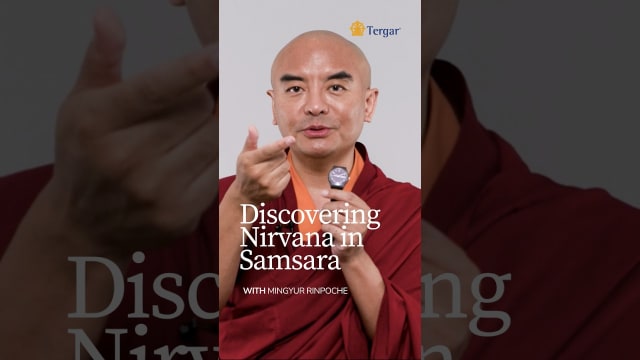
Love and Compassion: The Scientific Path to Connection

Yongey Mingyur Rinpoche
Nov 7, 2026
5 min di lettura

Da Yongey Mingyur Rinpoche

Guarda · 7

Since 2010, neuroscience and behavioral research have delivered a stark finding: the absence of connection—the failure to cultivate kindness, love, and compassion toward others—produces loneliness and disconnection as physiologically toxic as smoking. Yet the inverse is equally clear. When we deliberately practice love and compassion, we dismantle isolation. We feel genuinely connected with everybody. This isn't metaphor. This is measurable transformation.

This paradox sits at the heart of what Mingyur Rinpoche calls "inside-out practice." The engine runs backward from what most people assume. We don't wait to feel connected before acting kindly. We cultivate love and compassion within ourselves first—as a discipline, as a skill—and from that inner cultivation, connection naturally follows.

Lettura · 5 sezioni

The Universal Search for Happiness

The teaching begins with a radical recognition: everybody wants exactly what you want. Your friend wants happiness. Your parent wants happiness. Every breath they take, every movement, every blink—they are, in that instant, seeking the same contentment you seek. This isn't sentimental. It's the observable fact beneath human behavior.

When you truly see this shared hunger in others, something shifts. The wall between self and other becomes permeable. You recognize yourself in them. This is not empathy as emotion; it is empathy as accurate perception—seeing what is actually there.

How Aversion Becomes the Architecture of Suffering

But what happens when we don't practice this recognition? Mingyur Rinpoche traces a cascade that begins with aversion—the impulse to push others away. The moment we activate that push, something curious occurs: the other person becomes "a little bit scary." The quality of lovability vanishes from them. They are no longer sweet. Fear blooms.

Fear, left unattended, metastasizes into hatred. And in hatred, we begin to project. We construct an imaginary person in our mind—he's like that, she's like that—and we animat it with our resentment and our stories. We have created a fiction and now we relate to our fiction, not to the human being in front of us.

This mental construction makes us unhappy. It makes them unhappy. It locks both people into a shared prison of misperception. Most conflict, Mingyur Rinpoche suggests, isn't about what actually happened. It's about the person we've created in our mind and the narrative we've assigned to them.

Can You Expand Compassion Like a Muscle?

Yes. And the method is specific. Begin with someone already easy to love—a pet, a grandparent, someone whose happiness moves you without effort. Feel that quality fully. Become familiar with it in your nervous system. Once you've tasted what love and compassion feel like in your body, you can expand.

Next, extend it to people neutral to you. Not your closest circle. Not your enemies. People in the middle—colleagues, acquaintances, strangers you pass. The practice is to see in them the same hunger for happiness, the same fear, the same desire to be safe and free from pain.

From there, expand further. Gradually include those you find difficult. Not by forcing false warmth, but by seeing them clearly: they too are looking for happiness. They too are caught in confusion and pain. They too are doing the best they can.

Eventually, you reach all beings. The horizon of compassion becomes universal. And when this happens, Mingyur Rinpoche notes, "there's some kind of transformation comes within yourself." Not transformation of your circumstances or others' behavior—transformation of you. Of your capacity to hold life, to hold people, without the constant friction of aversion and fear.

The Neurochemistry of Inside-Out Practice

What science now confirms is that this isn't wishful thinking. When you practice love and compassion—even as a deliberate, sometimes effortful practice—your nervous system rewires. Loneliness, that modern epidemic matching the toxicity of chronic smoking, begins to dissolve. You literally feel less alone because you have trained your mind to see connection where it actually exists: in the shared vulnerability and shared longing of every human being.

The gift of this teaching is its accessibility. You don't need a special background or years of training. You begin where you are: with someone you already love. You feel that love fully. You expand it methodically, steadily, until it includes more. The practice itself becomes the proof. Within weeks, your sense of isolation lightens. Within months, your relationships shift. The person you had written off becomes three-dimensional again. The colleague you resented softens. And slowly, almost without you noticing, the world becomes a less lonely place—not because it changed, but because you learned to see it clearly.

This is the transformation Mingyur Rinpoche points toward: not transcendence, but clear seeing. Not escape, but arrival. When we stop pushing others away and start recognizing our common ground, we discover we were never separate. We were only distracted by our own constructions.

Where to go from here

If this teaching resonates, the next step is direct practice. Choose someone easy to love. Sit quietly and recall their face, their voice, the warmth you feel toward them. Don't try to manufacture feeling—simply allow it. Notice where you feel it in your body. Become familiar with that aliveness. Then, in the days ahead, practice extending that same warmth toward people further from the center of your affection. Notice what shifts in how you perceive them. Notice how your own sense of isolation transforms as your circle of compassion expands. This is not philosophy. This is medicine.
Comments

Loading the conversation…

Transcript

[0:00] So, there's a lot of scientific research

[0:03] since 2010

[0:06] that

[0:07] if we don't connect with others, if you

[0:11] don't feel kind or love, compassion

[0:15] others, then normally we feel

[0:18] automatically we feel lonely

[0:20] and disconnection with others, and that

[0:22] is as same as a toxic as uh smoking.

[0:26] But, there's a lot of research that now

[0:29] when we practice this love and

[0:30] compassion,

[0:32] it helps to

[0:35] not feel lonely, and we feel connected

[0:37] with everybody.

[0:40] So, therefore,

[0:41] this inside-out practice,

[0:45] seeing love and compassion inside, then

[0:48] eventually you can see this your

[0:49] friends, family, everybody is looking

[0:51] for happiness, just like you.

[0:54] You're looking for happiness. Every

[0:56] breath, every movement, every eyes

[0:59] blink, your friend also same. Your

[1:02] father, mother also same. Your colleague

[1:05] also same. When you see that this within

[1:07] others,

[1:09] then this feeling of connection,

[1:11] then at the same time, once we feel

[1:14] connection, then we lost what we call

[1:16] aversion.

[1:18] Aversion is kind of like we want to

[1:20] pushing them away.

[1:23] As soon as if you try to push away, they

[1:26] are become little bit scary or

[1:31] sense of

[1:32] lovable is gone.

[1:35] And they are become not so sweet.

[1:38] And then you you will have more fear,

[1:40] fear of others, then they develop hatred

[1:43] after certain level, then then we

[1:45] project different things now. Now

[1:47] confusion start, oh, he's like that,

[1:49] she's like that.

[1:51] And we create

[1:55] your own

[1:58] person in your mind based on

[2:02] your

[2:03] hatred,

[2:05] your resentment.

[2:07] So,

[2:08] then

[2:11] it makes you are not happy, and it will

[2:14] make your friends or family member are

[2:16] not happy.

[2:17] So, by practicing

[2:19] this love and compassion,

[2:22] you can expand this of course first

[2:24] someone you like, maybe your pet,

[2:27] grandma, grandpa, or whatever.

[2:30] Then you can expand this to the people

[2:33] normal,

[2:34] not really close to you, not very far to

[2:37] you. Then you can expand to all

[2:39] everybody.

[2:41] When we do that,

[2:43] there's some kind of transformation

[2:45] comes within yourself.

Yongey Mingyur Rinpoche
ArtistYongey Mingyur Rinpoche

A Tibetan Buddhist meditation teacher known for presenting ancient Tibetan wisdom in a fresh, playful way, whose bestselling book The Joy of Living has reached readers worldwide.

Vedi il profiloSito web
Esplora i temi
Love-compassionLoneliness-connectionMindfulness-practiceNeuroscienceDharma-teaching

Hai domande?

Domande frequenti

Yes, according to research since 2010 cited by Mingyur Rinpoche, the toxicity of loneliness and disconnection from others equals that of smoking. Conversely, practicing love and compassion actively reverses this isolation and creates genuine connection.
Start with someone already easy to love—a pet, grandparent, or close friend—and feel that warmth fully. Then gradually expand to neutral people, difficult people, and eventually all beings. The practice itself generates the capacity over time.
Aversion is the impulse to push others away. When activated, it makes them seem scary and unlovable, which blooms into fear, then hatred, then projection—creating imaginary versions of people in your mind. This blocks real connection and creates suffering for both parties.
Yes. Every person, like you, is seeking happiness with every breath and movement. When you truly recognize this shared hunger in others, the wall between self and other dissolves, and genuine connection becomes possible.
Changes can be noticeable within weeks—your sense of isolation lightens. Within months, relationships shift and people become three-dimensional to you again rather than fixed in your mind based on resentment and stories.
Inside-out practice means cultivating love and compassion within yourself first, as a discipline and skill, rather than waiting to feel connection before acting kindly. From that inner foundation, genuine connection naturally emerges.

Continua a leggere

More from Yongey Mingyur Rinpoche

Vedi Tutto
Samsara Is Nirvana: What a Watch Teaches About Freedom
Inspire

Samsara Is Nirvana: What a Watch Teaches About Freedom

Yongey Mingyur Rinpoche uses a watch parable to show why samsara can be nirvana. The difference, he says, is recognition rather than circums…

7 min read
Why Fighting Panic Makes It Grow, and What to Try Instead
Inspire

Why Fighting Panic Makes It Grow, and What to Try Instead

In a short teaching, Yongey Mingyur Rinpoche explains why pushing panic away can make it worse, and how he moved from resisting it to welcom…

7 min read
Arriving in Open Presence: A Guided Meditation Path Home
Inspire

Arriving in Open Presence: A Guided Meditation Path Home

Tara Brach's guided meditation walks listeners from an intention-setting question through a body scan, a widened field of sound and space, a…

8 min read
Palms Open: Love Without Condition in Appalachian Song
Inspire

Palms Open: Love Without Condition in Appalachian Song

Peia's "Palms Open" is a folk meditation on surrendered love, built from raw imagery of seasons, breaking hearts, and the courage to remain …

5 min read

Continua a esplorare

Continua il tuo viaggio

Altra saggezza e altri incontri da tutta la directory BrightStar.

Altri articoli

Sfoglia l’intera raccolta di insegnamenti, interviste e guide.

Torna a tutti gli articoli →

Insegnanti e artisti

Esplora i lignaggi, i musicisti e le guide del mondo consapevole.

Esplora gli artisti →

Trova un evento

Kirtan, ritiri, sound bath, breathwork, festival: in arrivo presto.

Sfoglia gli eventi →