BrightStar

Sfoglia tutti i Events

Scopri incontri consapevoli

events

Yoga
Meditation
Breathwork
Qigong
Tai Chi
Sacred Music
World Music
Medicine Music
Sound Healing
Ecstatic Dance
Destinazioni popolari
BaliSedonaLos AngelesCosta RicaNew YorkSan FranciscoAustinMiamiJoshua TreeTulum
Vedi tutte le categorieVedi tutte le destinazioni

Esplora tutte le funzionalità

Strumenti potenti per far crescere i tuoi eventi

Funzionalità della piattaforma

Prezzi dinamici intelligenti
Categorie di biglietti
Posti assegnati
Recupero carrelli abbandonati
Recupero visitatori
Donazioni e prezzi variabili
Sistema affiliati
Scanner biglietti
Codici sconto
Domande personalizzate
Condivisione biglietti
Upsell e componenti aggiuntivi
Analisi e report
Sequenze email
Lista d'attesa / Notifica / Promemoria
Persone e Luoghi
Artists & TeachersEvent OrganizersVenues & StudiosKnowledge BaseGlossaryInspiration
Vedi tutte le funzionalitàChi siamo
PrezziBlog
Language
Saved events
Sfoglia tutti gli eventi

events

YogaMeditationBreathworkQigongTai ChiSacred MusicWorld MusicMedicine Music

Destinazioni popolari

BaliSedonaLos AngelesCosta RicaNew YorkSan Francisco

Persone e Luoghi

Artists & TeachersEvent OrganizersVenues & StudiosKnowledge BaseGlossaryInspiration

Funzionalità della piattaforma

Prezzi dinamici intelligentiCategorie di bigliettiPosti assegnatiRecupero carrelli abbandonatiRecupero visitatoriDonazioni e prezzi variabiliSistema affiliatiScanner bigliettiCodici scontoDomande personalizzateCondivisione bigliettiUpsell e componenti aggiuntiviAnalisi e reportSequenze emailLista d'attesa / Notifica / Promemoria
Vedi tutte le funzionalitàChi siamo
PrezziBlog
AccediRicercatoriCreatori
  • Sfoglia tutti i Eventi
  • Per i ricercatori
  • Yoga
  • Meditazione
  • Breathwork
  • Qigong
  • Tai chi
  • Musica sacra
  • World music
  • Musica medicina
  • Sound healing
  • Danza estatica
  • Ritiri
  • Workshop
  • Tutte le categorie →
  • Bali
  • Sedona
  • Los Angeles
  • Costa Rica
  • Tulum
  • Byron Bay
  • San Francisco
  • Austin
  • New York
  • San Diego
  • Denver
  • Seattle
  • Portland
  • Miami
  • Tutte le città →
  • Join the Movement
  • Sell Globally
  • Per i creatori
  • Per team
  • Per gli scrittori
  • Per gli insegnanti
  • Per gli artisti kirtan
  • Per gli studi
  • Per i festival
  • Per i centri ritiro
  • Per le no-profit
  • Ambasciatore del brand
  • Case study
  • Biglietteria gratuita
  • Elevate
  • Amplify
  • Rete di 500K+ acquirenti
  • Recupero carrelli abbandonati
  • Prezzi dinamici intelligenti
  • Categorie di biglietti
  • Eventi ricorrenti
  • Posti assegnati
  • Sistema affiliati
  • Lista d'attesa / Notifica
  • Scanner biglietti
  • Widget incorporabile
  • Distribuzione eventi
  • Centro messaggi
  • Integrazioni
  • Report
  • Tutte le funzionalità →
  • Chi siamo
  • L’ecosistema
  • Blog
  • Glossario
  • Ispirazione
  • Centro assistenza
  • Contatti
  • Documentazione API
  • Risorse del brand
  • Carriere
  • Stampa
  • Termini di servizio
  • Informativa sulla privacy

Eventi

  • Sfoglia tutti i Eventi
  • Per i ricercatori
  • Yoga
  • Meditazione
  • Breathwork
  • Qigong
  • Tai chi
  • Musica sacra
  • World music
  • Musica medicina
  • Sound healing
  • Danza estatica
  • Ritiri
  • Workshop
  • Tutte le categorie →

Destinazioni

  • Bali
  • Sedona
  • Los Angeles
  • Costa Rica
  • Tulum
  • Byron Bay
  • San Francisco
  • Austin
  • New York
  • San Diego
  • Denver
  • Seattle
  • Portland
  • Miami
  • Tutte le città →

Per i creatori

  • Join the Movement
  • Sell Globally
  • Per i creatori
  • Per team
  • Per gli scrittori
  • Per gli insegnanti
  • Per gli artisti kirtan
  • Per gli studi
  • Per i festival
  • Per i centri ritiro
  • Per le no-profit
  • Ambasciatore del brand
  • Case study
  • Biglietteria gratuita
  • Elevate
  • Amplify

Funzionalità

  • Rete di 500K+ acquirenti
  • Recupero carrelli abbandonati
  • Prezzi dinamici intelligenti
  • Categorie di biglietti
  • Eventi ricorrenti
  • Posti assegnati
  • Sistema affiliati
  • Lista d'attesa / Notifica
  • Scanner biglietti
  • Widget incorporabile
  • Distribuzione eventi
  • Centro messaggi
  • Integrazioni
  • Report
  • Tutte le funzionalità →

Azienda

  • Chi siamo
  • L’ecosistema
  • Blog
  • Glossario
  • Ispirazione
  • Centro assistenza
  • Contatti
  • Documentazione API
  • Risorse del brand
  • Carriere
  • Stampa
  • Termini di servizio
  • Informativa sulla privacy
BrightStar
© 2026 BrightStar. Tutti i diritti riservati.
Inspiration

Gospel Devotion in Swahili: A Song of Divine Witness

MARTH .
MARTH .
Jul 1, 2022
5 min di lettura
Guarda · 4

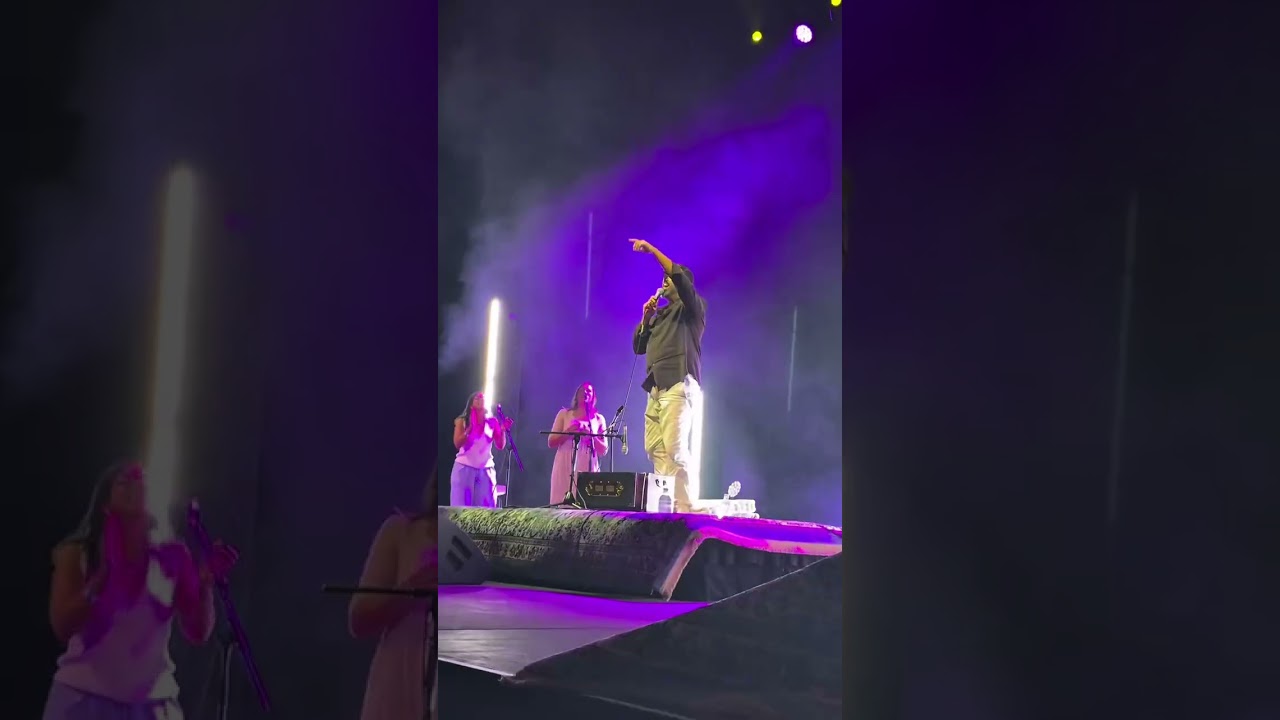
Six minutes into a video that has drawn over 12 million views, Martha Baraka stands before us singing a single, unshakeable affirmation: "Wewe Ni Mungu Wetu"—You Are Our God. The title itself is the message. Not whispered, not intellectualized, but voiced, repeated, witnessed. This is gospel devotion at its most direct: the conversion of belief into presence, of faith into sound.

Lettura · 6 sezioni

What does "Wewe Ni Mungu Wetu" actually mean?

The phrase translates from Swahili as "You Are Our God"—a declaration of collective surrender and recognition. The use of the plural pronoun "our" rather than "my" shifts the song from personal testimony into communal prayer. This grammatical choice echoes a long tradition in African gospel music, where the individual voice is never separate from the community it serves. The entire body of belief is spoken as one.

Gospel music, particularly in East African traditions, functions not as entertainment but as technology—a precise tool for aligning the body, voice, and spirit toward transcendence. The song becomes a vehicle for something larger than the artist herself. Martha Baraka's presence is real, but her voice is a conduit.

How does devotional music work as spiritual practice?

The repetition embedded in the song's structure—the return to "hallelujah," the cycling invocation—is not ornamental. Repetition in devotional singing serves a neurological and spiritual function. It creates a container, a space where the rational mind can settle and the body's deeper intelligence takes over. This is why kirtan traditions across cultures rely on the mantra, the repeated phrase, the sung prayer. The voice becomes a meditation.

Throughout the video, Martha Baraka and the ensemble hold the phrase "from nothing to something," a thematic through-line that suggests transformation. In Christian theology and practice, this resonates with the arc of redemption—the journey from spiritual emptiness to fullness, from separation from the divine to reunion. The song doesn't argue this point; it embodies it. The voice speaking it is proof of it.

What role do production and craft play?

Behind every spiritual work is craft. The song was produced by Yusufu Manamba (credited as FNS), with beat arrangement by JC Sambaa and direction by Mbangwa Hasan. These are not afterthoughts to the music—they are its scaffolding. The visual presentation, the arrangement, the pacing: all of these serve the single purpose of creating space for the prayer to land. A gospel song is only as powerful as the container built around it allows.

The music video itself, released in July 2022, functions as a modern form of what gospel has always been: communal gathering. Where congregations once filled churches, a song now crosses continents through streams and social platforms. The mechanism has changed; the function remains identical. People come to witness the invocation, to add their voice (internally, at least) to the collective "You Are Our God."

Why does Swahili matter for this devotion?

Language carries spiritual weight. Swahili, spoken across East Africa, carries its own musical and tonal qualities—vowel-heavy, rhythmic, suited to song. By singing this prayer in Swahili rather than English, Martha Baraka grounds the devotion in a specific place, a specific people, a specific lineage of worship. Gospel music in African languages is not a translation of something English-speaking; it is its own tradition, with its own spiritual authority.

The decision to sing "Wewe Ni Mungu Wetu" in Swahili is a declaration: this is how *we* pray. Not how the world tells us to pray, but how our ancestors prayed, how our communities pray, how the voice naturally flows in the language we know in our bodies.

What does 12 million views signify?

The video's reach—12 million and counting—speaks to something genuine in the work. People don't sustain attention on devotional music unless it touches something true in them. The number is not incidental. It suggests that across language, geography, and belief tradition, the invocation "You Are Our God" finds resonance. The form is gospel, the language is Swahili, but the hunger it addresses is universal: the need to speak the sacred aloud, to know we are not alone in that speaking, to find our voice within a larger choir.

Where to go from here

If you come to this song as a listener, approach it as you would any devotional practice: with openness rather than analysis. Sing along if you can, even silently. Notice what happens to your body when you repeat "hallelujah," when you say "You Are Our God." Gospel music is an invitation, not a lecture. The power lives in the doing, not the understanding.

Martha Baraka's work exists across multiple platforms—available on Spotify, Apple Music, Boomplay, YouTube Music, and other streaming services. Her social presence on Instagram, TikTok, and Facebook continues to extend the reach of her devotional practice. For those drawn deeper, the production credits (JC Sambaa, Yusufu Manamba, Mbangwa Hasan) point toward a full ecosystem of artists committed to the craft of spiritual music-making in East Africa.

Comments

Loading the conversation…

Transcript

[0:01] [Music]

[0:09] hallelujah

[0:10] [Music]

[0:24] hallelujah

[0:25] [Music]

[0:42] away

[0:47] [Music]

[0:55] me

[0:58] [Music]

[1:12] is

[1:18] [Music]

[1:52] where

[1:55] [Music]

[2:02] is

[2:04] [Music]

[2:11] hallelujah

[2:14] [Music]

[2:48] [Music]

[3:17] [Music]

[3:25] [Music]

[3:29] foreign

[3:32] [Music]

[3:56] [Music]

[4:07] hallelujah

[4:10] [Music]

[4:20] foreign

[4:21] [Music]

[4:30] [Music]

[4:36] wherever

[4:41] [Music]

[4:50] oh

[4:54] [Music]

[5:00] [Music]

[5:05] oh

[5:15] [Music]

[5:28] hallelujah

[5:31] [Music]

[5:43] [Music]

[5:56] [Music]

[6:03] hallelujah

[6:07] [Music]

[6:15] from nothing to something

MARTH .
ArtistMARTH .

Martha Castro is a San Diego / Tijuana-based meditation teacher trained in Vajrayana Buddhism, who leads accessible guided group meditations online.

Vedi il profiloSito web
Esplora i temi
Gospel-musicDevotional-singingSwahili-spiritualityCollective-prayerAfrican-music

Hai domande?

Domande frequenti

Wewe Ni Mungu Wetu translates from Swahili as "You Are Our God." The use of the plural "our" positions it as a collective prayer rather than personal testimony, grounding the song in communal worship.
Repetition in devotional songs like "hallelujah" and the main refrain serves both neurological and spiritual functions—it settles the rational mind and allows the body's deeper intelligence to engage with the prayer, making it a tool for meditation and spiritual alignment.
Both gospel devotion and kirtan rely on the power of sung prayer, mantra-like repetition, and the transformation of voice into a vehicle for the sacred. They function as spiritual technology rather than entertainment, creating containers for transcendence.
Singing in Swahili grounds the devotion in a specific cultural and spiritual lineage of East African worship. It honors the language's tonal qualities suited to song and asserts that this is *how we pray*—rooted in place, community, and ancestral tradition rather than a translation of something English-speaking.
This phrase suggests spiritual transformation—the Christian arc of redemption from separation from the divine to reunion, from spiritual emptiness to fullness. The song embodies rather than argues this transformation through its repetition and vocal presence.
Production (by Yusufu Manamba), beat arrangement (JC Sambaa), and direction (Mbangwa Hasan) are not afterthoughts—they are the scaffolding that creates space for the prayer to land. A gospel song's power depends on the container built around it.
Where congregations once gathered physically in churches, a song now crosses continents through streams. The mechanism of gathering has changed; the function—communal witness and collective invocation—remains the same.

Continua a leggere

More from MARTH

Vedi Tutto
ADUI: A Music Video That Found 13 Million Listeners
Inspire

ADUI: A Music Video That Found 13 Million Listeners

Martha Mwaipaja's ADUI music video has reached nearly 13 million views since 2022, blending minimalist production with rhythmic vocal layers…

1 min read
Gratitude as Daily Practice: Spiritual Roots
Inspire

Gratitude as Daily Practice: Spiritual Roots

A Swahili-language music video explores the sacred work of thanksgiving and divine wonder in everyday life, reaching millions globally.…

1 min read
Trusting the Gold: Awakening Your Intrinsic Goodness
Inspire

Trusting the Gold: Awakening Your Intrinsic Goodness

Discover how to awaken from the trance of unworthiness and recognize the loving awareness already living within you, beyond the stories that…

1 min read
Nearly 4,000 Gathered for Dubai's First-Ever Kirtan Concert
Inspire

Nearly 4,000 Gathered for Dubai's First-Ever Kirtan Concert

Nearly 4,000 gathered in Dubai for the first kirtan concert ever held in the UAE. A 2.5-year effort brought this spiritual milestone to life…

1 min read

Continua a esplorare

Continua il tuo viaggio

Altra saggezza e altri incontri da tutta la directory BrightStar.

Altri articoli

Sfoglia l’intera raccolta di insegnamenti, interviste e guide.

Torna a tutti gli articoli →

Insegnanti e artisti

Esplora i lignaggi, i musicisti e le guide del mondo consapevole.

Esplora gli artisti →

Trova un evento

Kirtan, ritiri, sound bath, breathwork, festival: in arrivo presto.

Sfoglia gli eventi →