BrightStar

Sfoglia tutti i Events

Scopri incontri consapevoli

events

Yoga
Meditation
Breathwork
Qigong
Tai Chi
Sacred Music
World Music
Medicine Music
Sound Healing
Ecstatic Dance
Destinazioni popolari
BaliSedonaLos AngelesCosta RicaNew YorkSan FranciscoAustinMiamiJoshua TreeTulum
Vedi tutte le categorieVedi tutte le destinazioni

Esplora tutte le funzionalità

Strumenti potenti per far crescere i tuoi eventi

Funzionalità della piattaforma

Prezzi dinamici intelligenti
Categorie di biglietti
Posti assegnati
Recupero carrelli abbandonati
Recupero visitatori
Donazioni e prezzi variabili
Sistema affiliati
Scanner biglietti
Codici sconto
Domande personalizzate
Condivisione biglietti
Upsell e componenti aggiuntivi
Analisi e report
Sequenze email
Lista d'attesa / Notifica / Promemoria
Persone e Luoghi
Artists & TeachersEvent OrganizersVenues & StudiosKnowledge BaseGlossaryInspiration
Vedi tutte le funzionalitàChi siamo
PrezziBlog
Language
Saved events
Sfoglia tutti gli eventi

events

YogaMeditationBreathworkQigongTai ChiSacred MusicWorld MusicMedicine Music

Destinazioni popolari

BaliSedonaLos AngelesCosta RicaNew YorkSan Francisco

Persone e Luoghi

Artists & TeachersEvent OrganizersVenues & StudiosKnowledge BaseGlossaryInspiration

Funzionalità della piattaforma

Prezzi dinamici intelligentiCategorie di bigliettiPosti assegnatiRecupero carrelli abbandonatiRecupero visitatoriDonazioni e prezzi variabiliSistema affiliatiScanner bigliettiCodici scontoDomande personalizzateCondivisione bigliettiUpsell e componenti aggiuntiviAnalisi e reportSequenze emailLista d'attesa / Notifica / Promemoria
Vedi tutte le funzionalitàChi siamo
PrezziBlog
AccediRicercatoriCreatori
  • Sfoglia tutti i Eventi
  • Per i ricercatori
  • Yoga
  • Meditazione
  • Breathwork
  • Qigong
  • Tai chi
  • Musica sacra
  • World music
  • Musica medicina
  • Sound healing
  • Danza estatica
  • Ritiri
  • Workshop
  • Tutte le categorie →
  • Bali
  • Sedona
  • Los Angeles
  • Costa Rica
  • Tulum
  • Byron Bay
  • San Francisco
  • Austin
  • New York
  • San Diego
  • Denver
  • Seattle
  • Portland
  • Miami
  • Tutte le città →
  • Join the Movement
  • Why we list
  • Sell Globally
  • Per i creatori
  • Per team
  • Per gli scrittori
  • Per gli insegnanti
  • Per gli artisti kirtan
  • Per gli studi
  • Per i festival
  • Per i centri ritiro
  • Per le no-profit
  • Ambasciatore del brand
  • Biglietteria gratuita
  • Elevate
  • Amplify
  • Rete di 500K+ acquirenti
  • Recupero carrelli abbandonati
  • Prezzi dinamici intelligenti
  • Categorie di biglietti
  • Eventi ricorrenti
  • Posti assegnati
  • Sistema affiliati
  • Lista d'attesa / Notifica
  • Scanner biglietti
  • Widget incorporabile
  • Distribuzione eventi
  • Centro messaggi
  • Integrazioni
  • Report
  • Tutte le funzionalità →
  • Chi siamo
  • L’ecosistema
  • Blog
  • Glossario
  • Ispirazione
  • Centro assistenza
  • Contatti
  • Documentazione API
  • Risorse del brand
  • Carriere
  • Stampa
  • Termini di servizio
  • Informativa sulla privacy

Eventi

  • Sfoglia tutti i Eventi
  • Per i ricercatori
  • Yoga
  • Meditazione
  • Breathwork
  • Qigong
  • Tai chi
  • Musica sacra
  • World music
  • Musica medicina
  • Sound healing
  • Danza estatica
  • Ritiri
  • Workshop
  • Tutte le categorie →

Destinazioni

  • Bali
  • Sedona
  • Los Angeles
  • Costa Rica
  • Tulum
  • Byron Bay
  • San Francisco
  • Austin
  • New York
  • San Diego
  • Denver
  • Seattle
  • Portland
  • Miami
  • Tutte le città →

Per i creatori

  • Join the Movement
  • Why we list
  • Sell Globally
  • Per i creatori
  • Per team
  • Per gli scrittori
  • Per gli insegnanti
  • Per gli artisti kirtan
  • Per gli studi
  • Per i festival
  • Per i centri ritiro
  • Per le no-profit
  • Ambasciatore del brand
  • Biglietteria gratuita
  • Elevate
  • Amplify

Funzionalità

  • Rete di 500K+ acquirenti
  • Recupero carrelli abbandonati
  • Prezzi dinamici intelligenti
  • Categorie di biglietti
  • Eventi ricorrenti
  • Posti assegnati
  • Sistema affiliati
  • Lista d'attesa / Notifica
  • Scanner biglietti
  • Widget incorporabile
  • Distribuzione eventi
  • Centro messaggi
  • Integrazioni
  • Report
  • Tutte le funzionalità →

Azienda

  • Chi siamo
  • L’ecosistema
  • Blog
  • Glossario
  • Ispirazione
  • Centro assistenza
  • Contatti
  • Documentazione API
  • Risorse del brand
  • Carriere
  • Stampa
  • Termini di servizio
  • Informativa sulla privacy
BrightStar
Scarica l'app
Scarica suApp StoreDisponibile suGoogle Play
© 2026 BrightStar. Tutti i diritti riservati.
Inspiration

Encounters with Ghosts and Tantric Practices Explained

Sadhguru
Sadhguru
Dec 17, 2018
7 min di lettura

Da Sadhguru

In this 11-minute talk, Sadhguru recounts a direct encounter with a tantric practitioner said to keep ghosts in bottles, using the story to explore the intersection of mystical experience, cultural belief systems, and the psychological mechanisms underlying paranormal claims. Rather than dismissing or sensationalizing ghost stories, Sadhguru contextualizes such phenomena within the frameworks of consciousness, energy work, and the power of belief itself.

Lettura · 7 sezioni

Who Are Tantric Practitioners and What Do They Claim?

Tantricism represents one of the most esoteric branches of Hindu and Buddhist spiritual practice. Unlike paths focused purely on renunciation or devotion, tantric practitioners work directly with energy, ritual, and unconventional methods to achieve spiritual transformation. Within certain folk and regional tantric traditions, practitioners claim abilities to manipulate non-physical entities or consciousness itself. The specific claim that a tantric can capture or contain ghosts in physical vessels like bottles emerges from beliefs about the malleability of consciousness and energy in subtle dimensions beyond ordinary perception.

These practices exist at the margins of mainstream spiritual orthodoxy. They often involve ritual work with substances, mantras, and energetic visualization. Some tantric traditions engage with what are understood as lower-order consciousness entities or thought-forms. The claim of "bottling" such entities reflects a literal-minded interpretation of metaphysical concepts—that consciousness or energy can be captured and contained through proper techniques and will.

What Makes People Believe in Ghosts and Paranormal Encounters?

Belief in ghosts and disembodied consciousness is not irrational from the perspective of lived experience. Across cultures, people report uncanny experiences: unexplained sounds, presences felt in specific locations, encounters that seem to transcend ordinary physical laws. Sadhguru's willingness to engage with such stories—rather than immediately dismissing them as superstition—reflects a more nuanced understanding of consciousness.

Several psychological and spiritual factors reinforce belief in such phenomena:

  • Energy sensitivity: Some individuals report heightened sensitivity to non-ordinary dimensions of experience. What they interpret as ghostly presences may reflect genuine perceptions of subtle energy patterns or information that the ordinary mind cannot easily categorize.
  • Collective belief structures: Cultural narratives about ghosts create a linguistic and conceptual framework through which ambiguous experiences can be organized and shared. In regions where ghost stories are normalized, people are more likely to interpret unusual experiences through that lens.
  • The power of expectation: When one enters a space primed to encounter a ghost or meets someone claiming paranormal powers, the psychological state shifts in ways that can generate what feels like genuine supernatural experience.
  • Consciousness as malleable: From an advaitic or non-dual perspective (central to Sadhguru's teaching), consciousness itself is primary and infinitely malleable. If consciousness is fundamental, then experiences that seem to violate physical laws are not inherently impossible—they simply operate according to different principles.

How Do Tantrism and Mystical Traditions View Non-Physical Entities?

Within many Eastern mystical systems, what Westerners call "ghosts" are understood more precisely as discarnate consciousnesses, thought-forms, or beings existing in non-physical realms. Vedantic and tantric philosophies posit multiple dimensions or planes of existence, each with its own inhabitants and laws. A human consciousness that becomes fixated at death—unable to move on due to attachment, fear, or incomplete realization—may persist in a subtle form.

In this framework, a tantric practitioner with sufficient energy mastery and will could theoretically interact with, influence, or even constrain such entities. The idea of "bottling" them translates the metaphor into literal terms: creating a container—physical or energetic—in which these consciousnesses are bound or confined. This reflects the tantric belief that consciousness is a substance that can be manipulated like energy or matter.

Such practices are not celebrated in mainstream spiritual circles precisely because they involve working with lower dimensions or potentially limiting consciousness. The focus is on power and control rather than liberation and dissolution of the individual self into larger awareness.

What Is the Relationship Between Belief, Will, and Manifestation?

Central to understanding Sadhguru's approach is recognizing that belief and will are not merely subjective experiences—they shape what becomes possible in the realm of consciousness and energy. If a tantric genuinely believes he can contain ghosts in bottles, and if he has cultivated sufficient will and energetic sensitivity, his belief may create a self-fulfilling reality at the level of subtle consciousness.

This does not require ghosts to be "real" in the way physical objects are real. It requires only that consciousness is responsive to intention and belief, and that there are dimensions of experience accessible to those who have trained their awareness and will to enter them. A person encountering such a practitioner—especially if they approach with open curiosity and some expectation of the paranormal—may find themselves genuinely experiencing phenomena that confirm the practitioner's claims.

The practical point Sadhguru seems to make through this anecdote is: What you believe shapes what you experience, especially in domains where consciousness itself is the subject matter. This is not merely psychological suggestion—it reflects a deeper metaphysical principle that consciousness and reality are not rigidly separate.

Why Would a Practitioner Keep Ghosts in Bottles?

The motivation behind such practices varies. Some tantric practitioners view it as a form of service—binding harmful spirits to prevent them from tormenting the living. Others pursue it as an expression of mastery and power. Still others may be responding to what they perceive as injustice or necessity: if a ghost is causing suffering, containing it could be seen as a solution, even if crude.

From a yogic perspective, such work remains entanglement. The ultimate goal is not to master ghosts or subtle entities but to transcend the realm in which they exist—to realize a dimension of consciousness beyond form, time, and the cycles of birth and death. A truly liberated being would have no interest in containing anything; their work would be liberation itself. This is why traditions that emphasize ultimate freedom view such tantric pursuits as spiritually limiting, even if technically impressive.

What Does This Story Reveal About Sadhguru's Worldview?

By sharing this encounter without immediate skepticism or credulity, Sadhguru models a both-and approach: taking people's experiences seriously while maintaining discriminating awareness. He does not claim that ghosts must be real, nor does he dismiss the tantric's claims as fraudulent. Instead, he explores the territory honestly, which is the mark of genuine mystical inquiry.

This approach aligns with the advaitic teaching that consciousness is fundamental and that the boundaries between physical and non-physical, real and unreal, are less absolute than ordinary experience suggests. From this perspective, the question "Are ghosts real?" is less important than understanding how consciousness operates and what becomes possible when we expand our awareness beyond consensual limitations.

For practitioners working with their own consciousness through yoga, meditation, or energy practices, such stories serve as reminders that the territory of consciousness is vast, unmapped in conventional terms, and accessible to those with patience, clarity, and proper preparation.

Where to go from here

If you're interested in exploring consciousness beyond ordinary limits, begin with foundational practices: regular meditation to stabilize attention, pranayama (breath work) to cultivate energy awareness, and self-inquiry to question the nature of your own consciousness. These create the stable ground from which more subtle dimensions can be safely explored.

Study teachings from non-dual traditions (Advaita Vedanta, Dzogchen, Kashmiri Shaivism) that explain how consciousness operates across multiple dimensions. Read accounts of mystical encounters and paranormal experiences without clinging to belief or disbelief—use them to expand your sense of what is possible.

Approach tantric or esoteric practices with caution and only under qualified guidance. The power and subtlety of such work requires both intellectual understanding and energetic maturity. Most importantly, keep your orientation toward ultimate liberation rather than accumulation of powers or entities. That discernment protects the path and ensures that your spiritual work leads toward freedom rather than further entanglement.

Comments

Loading the conversation…

Con

Artisti in questa storia

Sadhguru
Sadhguru
Teacher

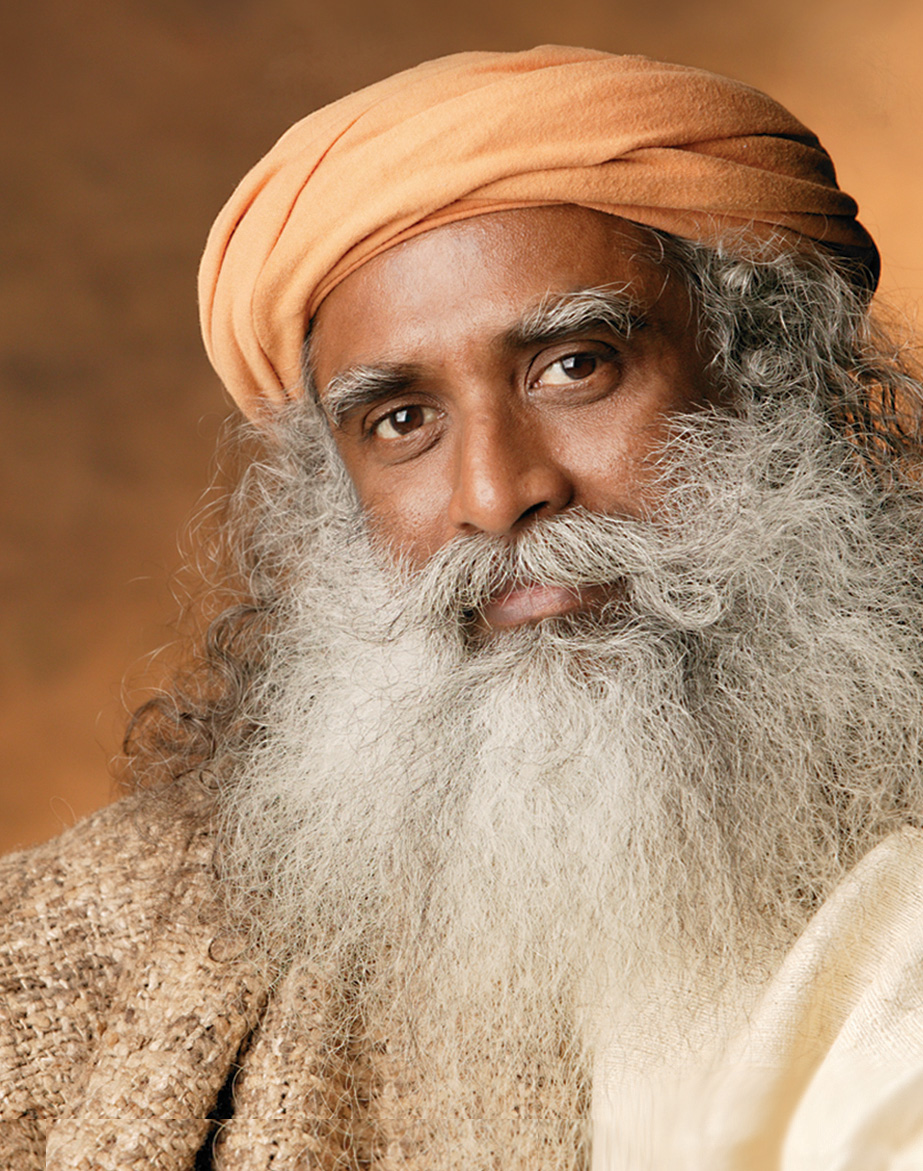
Sadhguru, born Jaggi Vasudev in 1957 in Mysore, India, grew up in a traditional South Indian family. From a young age, he exhibited a keen interest in nature and the outdoors,…

Esplora i temi
Ghosts-paranormalTantricismConsciousness-explorationMystical-experiencesSadhguru

Hai domande?

Domande frequenti

In yogic and tantric frameworks, entities like ghosts are understood as discarnate consciousnesses or thought-forms existing in non-physical dimensions rather than as supernatural aberrations. Whether they are "real" depends on understanding consciousness itself as fundamental and malleable, responsive to belief and will.
From a tantric perspective, consciousness and energy can be manipulated through will, ritual, and energetic mastery. Containing a ghost would involve binding a discarnate consciousness within an energetic or symbolic container through techniques that work at subtle dimensions beyond ordinary perception.
Ghost experiences may reflect heightened sensitivity to subtle energy patterns, cultural frameworks that organize ambiguous experiences through paranormal narratives, or genuine perceptions of non-physical dimensions of consciousness. The consistency across cultures suggests consciousness itself has territories that transcend ordinary physical laws.
While controlling non-physical entities demonstrates power and energetic mastery, it is not considered ultimate spiritual attainment. The goal in liberation-oriented traditions is transcendence of all realms—physical and non-physical—rather than mastery within them.
These terms largely overlap in mystical traditions. A ghost refers to consciousness persisting after physical death, often trapped by attachment or incomplete realization. The terminology reflects different frameworks for understanding the same phenomenon of consciousness existing without a physical body.
Yes, in traditions that understand consciousness as primary and reality-shaping. When the mind expects a paranormal encounter and approaches with open awareness, belief and will can activate perceptions of subtle dimensions that confirm the initial expectation.
Tantric practice is powerful and requires qualified guidance, stable psychology, and clear orientation toward liberation rather than power-accumulation. Most spiritual traditions recommend foundational practices—meditation, pranayama, self-inquiry—before engaging with esoteric work involving non-physical entities.

Continua a leggere

More from Sadhguru

Vedi Tutto
Mind as Vehicle: Are You Driving Consciously?
Inspire

Mind as Vehicle: Are You Driving Consciously?

Explore how the mind functions like a vehicle requiring skilled operation. Learn why unconscious mental habits create suffering and how awar…

9 min read
Sleep Hours and Spiritual Practice: What Yogis Actually Need
Inspire

Sleep Hours and Spiritual Practice: What Yogis Actually Need

Sadhguru reveals his personal sleep patterns and explains why the typical 8-hour prescription doesn't apply to those with disciplined yogic …

8 min read
Beyond Thought: The Fourth State of Consciousness
Inspire

Beyond Thought: The Fourth State of Consciousness

Eckhart Tolle examines how identification with the conceptual mind creates suffering and explores the shift toward presence—a state of aware…

8 min read
Nice vs. Loving Kindness: Why Being Kind Starts Inside
Inspire

Nice vs. Loving Kindness: Why Being Kind Starts Inside

Most people who resolve to be kinder find the resolve slipping within days. Eckhart Tolle's short talk on loving kindness argues the fault i…

9 min read

Continua a esplorare

Continua il tuo viaggio

Altra saggezza e altri incontri da tutta la directory BrightStar.

Altri articoli

Sfoglia l’intera raccolta di insegnamenti, interviste e guide.

Torna a tutti gli articoli →

Insegnanti e artisti

Esplora i lignaggi, i musicisti e le guide del mondo consapevole.

Esplora gli artisti →

Trova un evento

Kirtan, ritiri, sound bath, breathwork, festival: in arrivo presto.

Sfoglia gli eventi →