BrightStar

Sfoglia tutti i Events

Scopri incontri consapevoli

events

Yoga
Meditation
Breathwork
Qigong
Tai Chi
Sacred Music
World Music
Medicine Music
Sound Healing
Ecstatic Dance
Destinazioni popolari
BaliSedonaLos AngelesCosta RicaNew YorkSan FranciscoAustinMiamiJoshua TreeTulum
Vedi tutte le categorieVedi tutte le destinazioni

Esplora tutte le funzionalità

Strumenti potenti per far crescere i tuoi eventi

Funzionalità della piattaforma

Prezzi dinamici intelligenti
Categorie di biglietti
Posti assegnati
Recupero carrelli abbandonati
Recupero visitatori
Donazioni e prezzi variabili
Sistema affiliati
Scanner biglietti
Codici sconto
Domande personalizzate
Condivisione biglietti
Upsell e componenti aggiuntivi
Analisi e report
Sequenze email
Lista d'attesa / Notifica / Promemoria
Persone e Luoghi
Artists & TeachersEvent OrganizersVenues & StudiosKnowledge BaseGlossaryInspiration
Vedi tutte le funzionalitàChi siamo
PrezziBlog
Language
Saved events
Sfoglia tutti gli eventi

events

YogaMeditationBreathworkQigongTai ChiSacred MusicWorld MusicMedicine Music

Destinazioni popolari

BaliSedonaLos AngelesCosta RicaNew YorkSan Francisco

Persone e Luoghi

Artists & TeachersEvent OrganizersVenues & StudiosKnowledge BaseGlossaryInspiration

Funzionalità della piattaforma

Prezzi dinamici intelligentiCategorie di bigliettiPosti assegnatiRecupero carrelli abbandonatiRecupero visitatoriDonazioni e prezzi variabiliSistema affiliatiScanner bigliettiCodici scontoDomande personalizzateCondivisione bigliettiUpsell e componenti aggiuntiviAnalisi e reportSequenze emailLista d'attesa / Notifica / Promemoria
Vedi tutte le funzionalitàChi siamo
PrezziBlog
AccediRicercatoriCreatori
  • Sfoglia tutti i Eventi
  • Per i ricercatori
  • Yoga
  • Meditazione
  • Breathwork
  • Qigong
  • Tai chi
  • Musica sacra
  • World music
  • Musica medicina
  • Sound healing
  • Danza estatica
  • Ritiri
  • Workshop
  • Tutte le categorie →
  • Bali
  • Sedona
  • Los Angeles
  • Costa Rica
  • Tulum
  • Byron Bay
  • San Francisco
  • Austin
  • New York
  • San Diego
  • Denver
  • Seattle
  • Portland
  • Miami
  • Tutte le città →
  • Join the Movement
  • Why we list
  • Sell Globally
  • Per i creatori
  • Per team
  • Per gli scrittori
  • Per gli insegnanti
  • Per gli artisti kirtan
  • Per gli studi
  • Per i festival
  • Per i centri ritiro
  • Per le no-profit
  • Ambasciatore del brand
  • Biglietteria gratuita
  • Elevate
  • Amplify
  • Rete di 500K+ acquirenti
  • Recupero carrelli abbandonati
  • Prezzi dinamici intelligenti
  • Categorie di biglietti
  • Eventi ricorrenti
  • Posti assegnati
  • Sistema affiliati
  • Lista d'attesa / Notifica
  • Scanner biglietti
  • Widget incorporabile
  • Distribuzione eventi
  • Centro messaggi
  • Integrazioni
  • Report
  • Tutte le funzionalità →
  • Chi siamo
  • L’ecosistema
  • Blog
  • Glossario
  • Ispirazione
  • Centro assistenza
  • Contatti
  • Documentazione API
  • Risorse del brand
  • Carriere
  • Stampa
  • Termini di servizio
  • Informativa sulla privacy

Eventi

  • Sfoglia tutti i Eventi
  • Per i ricercatori
  • Yoga
  • Meditazione
  • Breathwork
  • Qigong
  • Tai chi
  • Musica sacra
  • World music
  • Musica medicina
  • Sound healing
  • Danza estatica
  • Ritiri
  • Workshop
  • Tutte le categorie →

Destinazioni

  • Bali
  • Sedona
  • Los Angeles
  • Costa Rica
  • Tulum
  • Byron Bay
  • San Francisco
  • Austin
  • New York
  • San Diego
  • Denver
  • Seattle
  • Portland
  • Miami
  • Tutte le città →

Per i creatori

  • Join the Movement
  • Why we list
  • Sell Globally
  • Per i creatori
  • Per team
  • Per gli scrittori
  • Per gli insegnanti
  • Per gli artisti kirtan
  • Per gli studi
  • Per i festival
  • Per i centri ritiro
  • Per le no-profit
  • Ambasciatore del brand
  • Biglietteria gratuita
  • Elevate
  • Amplify

Funzionalità

  • Rete di 500K+ acquirenti
  • Recupero carrelli abbandonati
  • Prezzi dinamici intelligenti
  • Categorie di biglietti
  • Eventi ricorrenti
  • Posti assegnati
  • Sistema affiliati
  • Lista d'attesa / Notifica
  • Scanner biglietti
  • Widget incorporabile
  • Distribuzione eventi
  • Centro messaggi
  • Integrazioni
  • Report
  • Tutte le funzionalità →

Azienda

  • Chi siamo
  • L’ecosistema
  • Blog
  • Glossario
  • Ispirazione
  • Centro assistenza
  • Contatti
  • Documentazione API
  • Risorse del brand
  • Carriere
  • Stampa
  • Termini di servizio
  • Informativa sulla privacy
BrightStar
Scarica l'app
Scarica suApp StoreDisponibile suGoogle Play
© 2026 BrightStar. Tutti i diritti riservati.
Inspiration

5 Natural Ways to Reduce Asthma Symptoms

Sadhguru
Sadhguru
May 5, 2021
6 min di lettura

Da Sadhguru

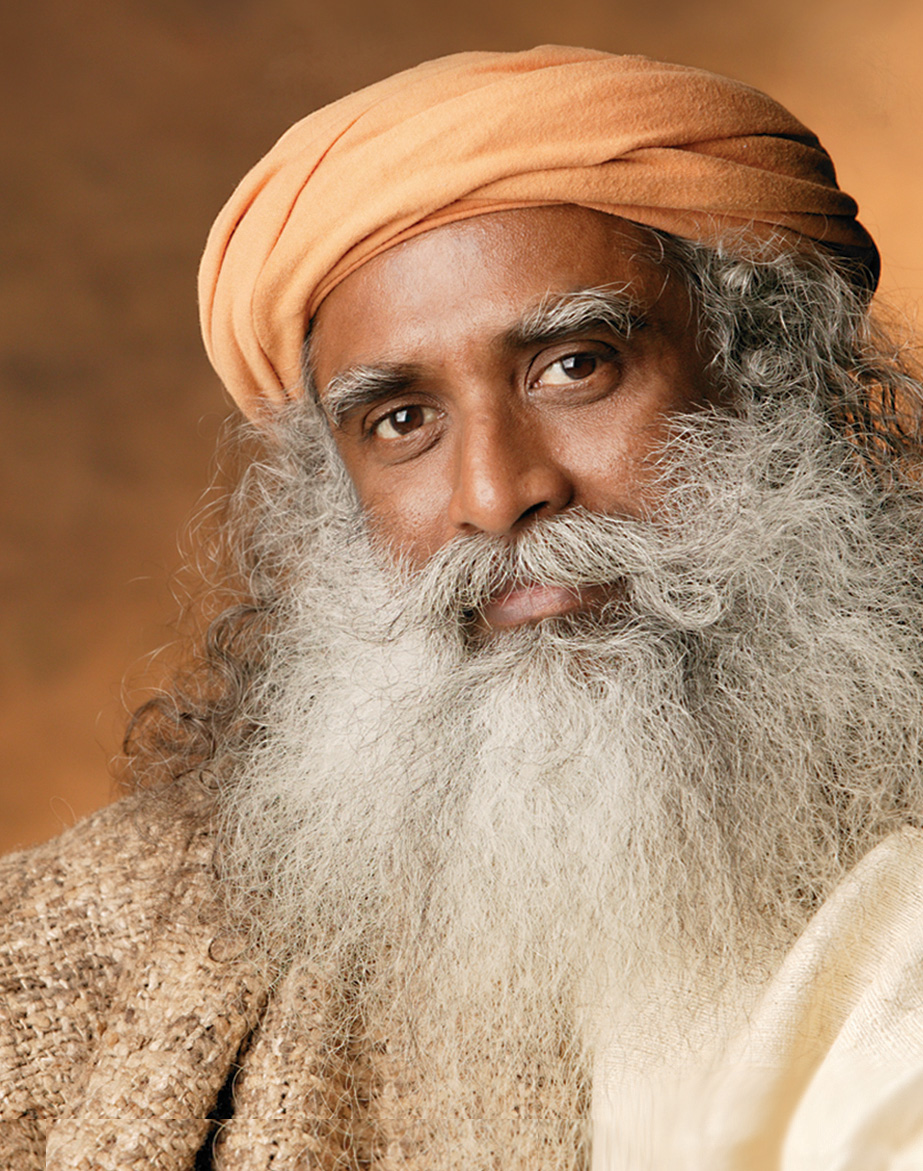
Sadhguru presents five straightforward, natural approaches to managing asthma symptoms without medication. Drawing from yogic science, these methods focus on correcting breathing patterns, reducing physical tension, and developing body awareness. The techniques are grounded in the principle that asthma often reflects disrupted breathing mechanics and nervous system dysregulation—patterns that can be addressed through consistent practice of specific yoga postures, breathing exercises, and lifestyle adjustments.

Lettura · 8 sezioni

What causes asthma from a yogic perspective?

Sadhguru approaches asthma not merely as a disease but as a dysfunction of the respiratory system that emerges from habitual breathing patterns and physical restrictions. In yogic understanding, asthma arises when the body tightens around the chest and lungs, compressing the respiratory passages and creating constriction. This tightening is both a symptom and a perpetuating cause—shallow, anxious breathing reinforces the pattern, while the anxiety triggered by breathing difficulty deepens the restriction further.

The nervous system plays a central role in this cycle. When the body is in a state of chronic tension or fear, the sympathetic nervous system dominates, constricting the airways and reducing respiratory capacity. Sadhguru emphasizes that asthma is therefore not isolated to the lungs alone; it reflects a broader pattern of physical and energetic constriction that must be addressed holistically. The five natural methods he outlines target this root cause: opening the chest, training the breath, and regulating the nervous system.

Why is breathing awareness crucial for asthma management?

One of Sadhguru's core insights is that most people with asthma have learned to breathe in a way that actually aggravates their condition. Shallow, chest-centered breathing, mouth breathing, and rapid breathing all contribute to airway constriction and hyperventilation. When asthma sufferers attempt to breathe faster or more forcefully during an episode, they paradoxically worsen the condition.

Correcting breathing patterns requires deliberate practice and body awareness. The goal is to establish nasal breathing, slow down the breath rate, and engage the diaphragm fully. This shifts the nervous system out of a state of alarm and signals to the body that it is safe to relax. Over time, this new breathing pattern becomes automatic, and the body loses the habit of tightness that perpetuates asthma. The five natural methods Sadhguru recommends all involve retraining this fundamental capacity.

What are the five natural ways to reduce asthma?

While Sadhguru's specific methodology would be best accessed through the full video, his approach typically emphasizes practices that address the physical and energetic dimensions of the condition:

  • Chest-opening postures: Yoga asanas that expand the thoracic cavity and counteract the habitual tightening around the lungs. Backward bends and open-chest poses help retrain the body's physical capacity for breath.
  • Diaphragmatic breathing exercises: Pranayama techniques that emphasize deep belly breathing rather than shallow chest breathing. These practices strengthen the diaphragm and restore natural respiratory mechanics.
  • Nasal breathing practices: Training the body to breathe through the nose rather than the mouth. Nasal breathing naturally filters and warms air, reduces breathing rate, and calms the nervous system.
  • Gentle stretching and flexibility work: Releasing muscular tension around the shoulders, neck, and upper back that typically accumulates in asthma sufferers and further restricts breathing space.
  • Nervous system regulation through meditation or specific yogic practices: Calming the mind and activating the parasympathetic nervous system so the body no longer maintains protective constriction around the airways.

These methods work synergistically: as physical tension releases, breathing becomes easier; as breathing improves, the nervous system calms; as the mind settles, the body's protective constriction dissolves. The result is a genuine reduction in asthma symptoms, not through suppression but through restoration of natural function.

How long does it take to see improvement?

Sadhguru's perspective on healing is practical: consistent practice yields results, but timeframes vary. Some individuals notice relief in breathing quality within days of beginning chest-opening and breathing practices. Others require several weeks or months of dedicated effort for significant symptom reduction. The key is regularity—practicing these methods daily, not sporadically, allows the nervous system and breathing patterns to reset. For those with severe asthma, these natural approaches work best alongside medical care, with the natural methods reducing reliance on medication over time as capacity improves.

Can natural methods replace asthma medication?

Sadhguru does not advocate abandoning medical treatment, particularly for severe asthma. However, he emphasizes that many cases of asthma can be significantly improved or even resolved through addressing the underlying dysfunction—tightness, poor breathing habits, and nervous system dysregulation. As these root causes are addressed through yogic practice, individuals often find they require less medication. Some people, through sustained practice, eventually find they no longer need medication at all. The natural methods restore the body's inherent capacity to breathe freely, which is the ultimate goal.

What role does lifestyle play in asthma management?

Beyond the five specific practices, Sadhguru points to broader lifestyle factors that influence asthma. Stress, poor posture, sedentary habits, and diet all contribute to the physical and energetic conditions that perpetuate asthma. Someone living under chronic stress, sitting hunched at a desk, eating inflammatory foods, and avoiding physical activity creates the perfect environment for asthma to persist. Conversely, a lifestyle that includes physical activity, good posture, stress management, and supportive nutrition creates conditions for the body to heal. The five natural methods, when embedded in a conscious lifestyle, become far more effective.

Is asthma reversible through yoga?

Sadhguru's teaching suggests that asthma, when understood as a functional problem rather than an irreversible disease, can be substantially improved or resolved. Many cases of asthma are not structural damage but patterns of tension and restriction that have become habitual. By systematically releasing that tension, retraining the breath, and regulating the nervous system, the body can return to its natural state of free, easy breathing. This is not guaranteed in every case—some people may have structural or genetic factors that limit complete reversal—but for many, the improvement is dramatic. The five natural methods offer a scientifically-grounded pathway to that improvement.

Where to go from here

If you have asthma and are interested in exploring these natural methods, begin by working with a qualified yoga teacher who specializes in respiratory conditions and pranayama. Sadhguru's framework emphasizes that yoga is a science with specific techniques for specific outcomes; asthma management requires proper instruction to ensure safety and effectiveness. Start with gentle chest-opening postures and diaphragmatic breathing, practiced consistently for at least four weeks before expecting significant changes. If you are currently on asthma medication, continue taking it while beginning yogic practice—do not stop medication without medical guidance. Over time, as your breathing capacity and nervous system regulation improve, you may find medication needs decreasing under your doctor's supervision. The five natural approaches outlined here represent a return to a fundamental human capacity: the ability to breathe freely and naturally, without restriction or fear.

Comments

Loading the conversation…

Con

Artisti in questa storia

Sadhguru
Sadhguru
Teacher

Sadhguru, born Jaggi Vasudev in 1957 in Mysore, India, grew up in a traditional South Indian family. From a young age, he exhibited a keen interest in nature and the outdoors,…

Esplora i temi
Asthma-reliefBreathing-techniquesYoga-healthPranayamaNervous-system

Hai domande?

Domande frequenti

Yes, according to Sadhguru's yogic framework, asthma often stems from chest tightness, poor breathing patterns, and nervous system dysregulation—all of which can be addressed through specific yoga postures, breathing exercises, and body awareness practices. Consistent practice can significantly reduce symptoms and, for many people, reduce medication dependence over time.
Sadhguru emphasizes diaphragmatic breathing and nasal breathing as foundational. These techniques slow the breath rate, calm the nervous system, and restore natural respiratory mechanics. Pranayama exercises that focus on extending the exhale are also particularly helpful for calming the airways and the sympathetic nervous system.
Sadhguru stresses consistency over intensity. Daily practice of chest-opening postures and breathing exercises yields better results than sporadic intense sessions. Most people notice breathing improvements within a few weeks of regular practice, though more significant symptom reduction typically takes several weeks to months.
No. Sadhguru does not advocate abandoning medical treatment, especially for severe asthma. Continue your medication while beginning yogic practices, and consult your doctor before making any changes. As your breathing capacity improves through yoga, your doctor may help you reduce medication under medical supervision.
In Sadhguru's view, anxiety activates the sympathetic nervous system, which constricts the airways and tightens the chest—the exact opposite of what asthma sufferers need. This creates a cycle where anxiety worsens breathing, which triggers more anxiety. Practices that calm the nervous system, like slow nasal breathing and meditation, interrupt this cycle.
Yes. Backward bends and chest-opening yoga postures help expand the thoracic cavity, counteract habitual tightening around the lungs, and retrain the body's physical capacity for breathing. Combined with breathing exercises, these postures are central to reducing asthma symptoms naturally.
From Sadhguru's yogic perspective, asthma typically results from dysfunctional breathing patterns and physical restriction around the chest rather than weak lungs. By correcting breathing mechanics and releasing tension, the lungs can function naturally again, which is why yogic methods can be so effective.

Continua a leggere

More from Sadhguru

Vedi Tutto
Mind as Vehicle: Are You Driving Consciously?
Inspire

Mind as Vehicle: Are You Driving Consciously?

Explore how the mind functions like a vehicle requiring skilled operation. Learn why unconscious mental habits create suffering and how awar…

9 min read
Sleep Hours and Spiritual Practice: What Yogis Actually Need
Inspire

Sleep Hours and Spiritual Practice: What Yogis Actually Need

Sadhguru reveals his personal sleep patterns and explains why the typical 8-hour prescription doesn't apply to those with disciplined yogic …

8 min read
Staying Grounded When Overwhelm Shuts Down Practice
Inspire

Staying Grounded When Overwhelm Shuts Down Practice

Tara Brach answers the question many practitioners carry: what happens to the spiritual path when life overwhelms us? Her answer is small do…

10 min read
Sleep Hypnosis for Overthinkers: Letting Thoughts Wait
Inspire

Sleep Hypnosis for Overthinkers: Letting Thoughts Wait

Picture a body ready for sleep and a mind still on duty. Chibs Okereke's eight-hour hypnosis argues thoughts can keep moving while rest arri…

8 min read

Continua a esplorare

Continua il tuo viaggio

Altra saggezza e altri incontri da tutta la directory BrightStar.

Altri articoli

Sfoglia l’intera raccolta di insegnamenti, interviste e guide.

Torna a tutti gli articoli →

Insegnanti e artisti

Esplora i lignaggi, i musicisti e le guide del mondo consapevole.

Esplora gli artisti →

Trova un evento

Kirtan, ritiri, sound bath, breathwork, festival: in arrivo presto.

Sfoglia gli eventi →