BrightStar

Sfoglia tutti i Events

Scopri incontri consapevoli

events

Yoga
Meditation
Breathwork
Qigong
Tai Chi
Sacred Music
World Music
Medicine Music
Sound Healing
Ecstatic Dance
Destinazioni popolari
BaliSedonaLos AngelesCosta RicaNew YorkSan FranciscoAustinMiamiJoshua TreeTulum
Vedi tutte le categorieVedi tutte le destinazioni

Esplora tutte le funzionalità

Strumenti potenti per far crescere i tuoi eventi

Funzionalità della piattaforma

Prezzi dinamici intelligenti
Categorie di biglietti
Posti assegnati
Recupero carrelli abbandonati
Recupero visitatori
Donazioni e prezzi variabili
Sistema affiliati
Scanner biglietti
Codici sconto
Domande personalizzate
Condivisione biglietti
Upsell e componenti aggiuntivi
Analisi e report
Sequenze email
Lista d'attesa / Notifica / Promemoria
Persone e Luoghi
Artists & TeachersEvent OrganizersVenues & StudiosKnowledge BaseGlossaryInspiration
Vedi tutte le funzionalitàChi siamo
PrezziBlog
Language
Saved events
Sfoglia tutti gli eventi

events

YogaMeditationBreathworkQigongTai ChiSacred MusicWorld MusicMedicine Music

Destinazioni popolari

BaliSedonaLos AngelesCosta RicaNew YorkSan Francisco

Persone e Luoghi

Artists & TeachersEvent OrganizersVenues & StudiosKnowledge BaseGlossaryInspiration

Funzionalità della piattaforma

Prezzi dinamici intelligentiCategorie di bigliettiPosti assegnatiRecupero carrelli abbandonatiRecupero visitatoriDonazioni e prezzi variabiliSistema affiliatiScanner bigliettiCodici scontoDomande personalizzateCondivisione bigliettiUpsell e componenti aggiuntiviAnalisi e reportSequenze emailLista d'attesa / Notifica / Promemoria
Vedi tutte le funzionalitàChi siamo
PrezziBlog
AccediRicercatoriCreatori
  • Sfoglia tutti i Eventi
  • Per i ricercatori
  • Yoga
  • Meditazione
  • Breathwork
  • Qigong
  • Tai chi
  • Musica sacra
  • World music
  • Musica medicina
  • Sound healing
  • Danza estatica
  • Ritiri
  • Workshop
  • Tutte le categorie →
  • Bali
  • Sedona
  • Los Angeles
  • Costa Rica
  • Tulum
  • Byron Bay
  • San Francisco
  • Austin
  • New York
  • San Diego
  • Denver
  • Seattle
  • Portland
  • Miami
  • Tutte le città →
  • Join the Movement
  • Why we list
  • Sell Globally
  • Per i creatori
  • Per team
  • Per gli scrittori
  • Per gli insegnanti
  • Per gli artisti kirtan
  • Per gli studi
  • Per i festival
  • Per i centri ritiro
  • Per le no-profit
  • Ambasciatore del brand
  • Biglietteria gratuita
  • Elevate
  • Amplify
  • Rete di 500K+ acquirenti
  • Recupero carrelli abbandonati
  • Prezzi dinamici intelligenti
  • Categorie di biglietti
  • Eventi ricorrenti
  • Posti assegnati
  • Sistema affiliati
  • Lista d'attesa / Notifica
  • Scanner biglietti
  • Widget incorporabile
  • Distribuzione eventi
  • Centro messaggi
  • Integrazioni
  • Report
  • Tutte le funzionalità →
  • Chi siamo
  • L’ecosistema
  • Blog
  • Glossario
  • Ispirazione
  • Centro assistenza
  • Contatti
  • Documentazione API
  • Risorse del brand
  • Carriere
  • Stampa
  • Termini di servizio
  • Informativa sulla privacy

Eventi

  • Sfoglia tutti i Eventi
  • Per i ricercatori
  • Yoga
  • Meditazione
  • Breathwork
  • Qigong
  • Tai chi
  • Musica sacra
  • World music
  • Musica medicina
  • Sound healing
  • Danza estatica
  • Ritiri
  • Workshop
  • Tutte le categorie →

Destinazioni

  • Bali
  • Sedona
  • Los Angeles
  • Costa Rica
  • Tulum
  • Byron Bay
  • San Francisco
  • Austin
  • New York
  • San Diego
  • Denver
  • Seattle
  • Portland
  • Miami
  • Tutte le città →

Per i creatori

  • Join the Movement
  • Why we list
  • Sell Globally
  • Per i creatori
  • Per team
  • Per gli scrittori
  • Per gli insegnanti
  • Per gli artisti kirtan
  • Per gli studi
  • Per i festival
  • Per i centri ritiro
  • Per le no-profit
  • Ambasciatore del brand
  • Biglietteria gratuita
  • Elevate
  • Amplify

Funzionalità

  • Rete di 500K+ acquirenti
  • Recupero carrelli abbandonati
  • Prezzi dinamici intelligenti
  • Categorie di biglietti
  • Eventi ricorrenti
  • Posti assegnati
  • Sistema affiliati
  • Lista d'attesa / Notifica
  • Scanner biglietti
  • Widget incorporabile
  • Distribuzione eventi
  • Centro messaggi
  • Integrazioni
  • Report
  • Tutte le funzionalità →

Azienda

  • Chi siamo
  • L’ecosistema
  • Blog
  • Glossario
  • Ispirazione
  • Centro assistenza
  • Contatti
  • Documentazione API
  • Risorse del brand
  • Carriere
  • Stampa
  • Termini di servizio
  • Informativa sulla privacy
BrightStar
Scarica l'app
Scarica suApp StoreDisponibile suGoogle Play
© 2026 BrightStar. Tutti i diritti riservati.
Inspiration

21 Tara Puja 2026 Livestream: What the Recording Holds

SI
Siddhartha's Intent Livestream
Oct 15, 2026
4 min di lettura
Guarda · 6

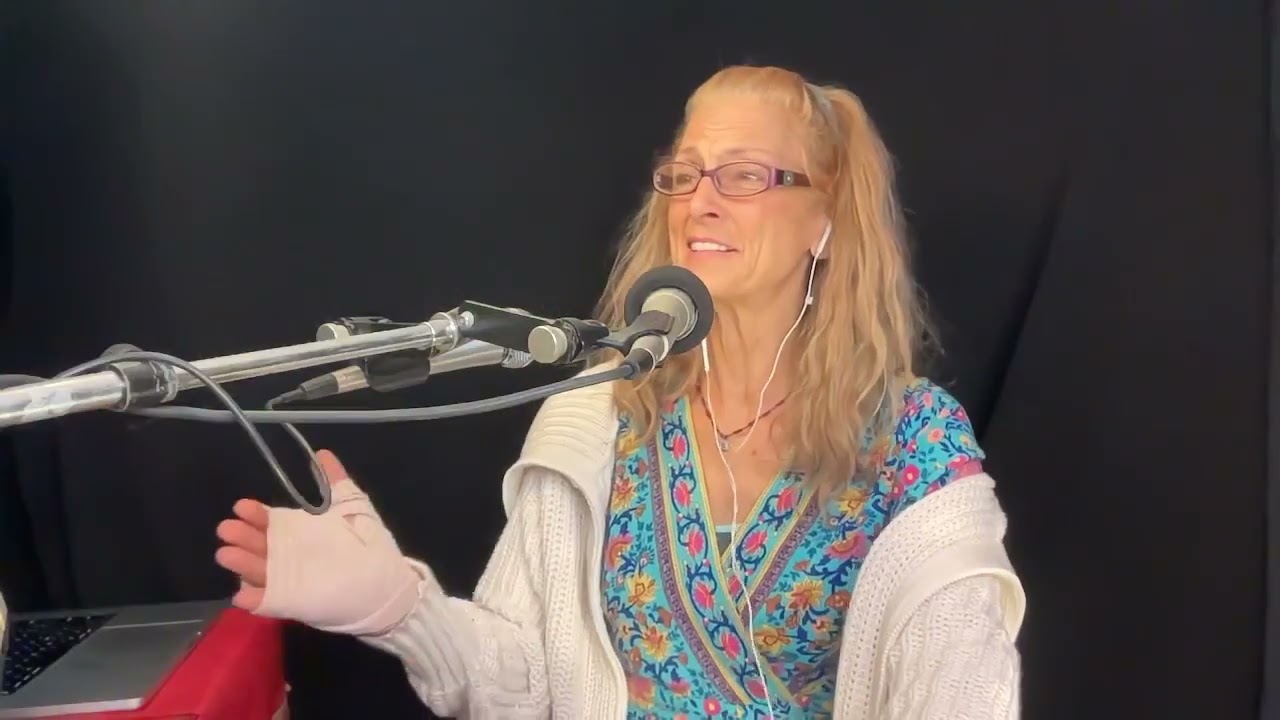
A livestream titled "21 Tara Puja 2026," posted to the Siddhartha's Intent Livestream channel in October 2026 and running a little under an hour and a half, is the kind of recording that rewards a patient viewer and punishes a hurried reader. The title points to a puja, a devotional ritual, built around the number twenty-one and the figure of Tara. But the only text available for this article is an automatically generated transcript, and that transcript is so fragmented that it cannot reliably tell us what the teacher said, what the chant contains, or how the session was structured. This piece says so plainly, describes what the material does show, and offers a way to read a recording like this without inventing what isn't there.

Lettura · 5 sezioni

What is actually audible in the first minutes of the recording?

The transcript opens at about 23 seconds with a fragment marked [music], followed by a string of devotional syllables. From roughly 30 seconds onward, the lines are rendered in Gujarati script: the word નમઃ, which corresponds to the Sanskrit "namaḥ," meaning something like homage or salutation, appears early and recurs. Lines that follow contain phrases that look like Sanskrit-rooted verse set to a sung or recited cadence, with musical breaks marked between them. The transcription software evidently treated this as chanting, and that is the most solid observation the text supports.

Around 66 seconds the record shows a [clearing throat] and then a [moan]. That pattern matters for how the recording should be understood. A livestream of ritual recitation contains long stretches of voice, breath, pauses, and ambient sound that automatic transcription handles poorly. The moan markers recur through the session, sometimes in clusters, and should not be read as content.

Why can't the transcript carry a teaching?

The most useful thing this transcript can do is show where it breaks down. Around 1929 seconds, the text shifts into a mix of Korean fragments and English-looking phrases. Around 4369 seconds it produces a line in English, "the god I in I," which is almost certainly a misrecognition of something else. Elsewhere, single syllables appear in isolation, and short bursts of Korean-script text sit beside the Gujarati-script chant. A reader cannot tell from these fragments whether the speaker switched languages, whether a second voice was present, or whether the software simply failed on a noisy section.

The description field for the video is empty. There is no chapter list, no published outline, and no attribution to a text or lineage that would let a reader cross-check the verses. Without those, any claim about the structure of this particular puja, its number-twenty-one framework, or the meaning of the chant would be guesswork. Rather than fill that gap, this article declines to supply it.

How should a viewer approach a recording like this?

For readers who want to understand the practice rather than the transcript, the sensible path is to watch the recording directly and listen for three things. First, whether the teacher or leader speaks before the chanting begins, and what they say the session is for. Second, whether the verses are read from a printed text, which would make them findable and checkable. Third, how the session moves between chanting, music, and silence, since those transitions are where a ritual's shape becomes visible.

Readers should also be cautious about any summary, including summaries generated from this same transcript, that claims precise content for a passage the audio itself does not make clear. A livestream recording of a devotional practice is a record of an experience, not a lecture, and its meaning depends on context the transcript has lost.

What would make this recording worth a full feature?

A fuller account would need a clean transcript, or better, a human-verified one; the teacher's own introduction, if one exists; and the published text of the verses being chanted, with their source named. With those in hand, the questions a serious reader would want answered are concrete: where the Tara practice comes from, how the number twenty-one is used in the liturgy, and what a practitioner is meant to do during the chant. None of those answers can be responsibly given from the material currently available.

Where to go from here

Watch the full livestream with the sound up, and note the timestamps where the chanting changes character. If you are new to Tara practice, look for a teacher or published source that explains the 21 Praises tradition in its own words, and compare it against what you hear in this recording. If a verified transcript or a teacher's written outline appears later, this piece should be revisited, because the recording itself is worth hearing properly.
Comments

Loading the conversation…

Transcript

[0:23] சலக [music]

[0:25] சாபி

[0:30] નમઃ [music] શ્રી ખંડ ખંડે મુકુટા

[0:34] ભરનોજવલે

[0:36] અમિતા [music] ભજતા ભાર ભાસ્વર કિરણ

[0:40] ધ્રુવે [music]

[0:42] નમઃ કલ્પાંત હુત ભૂજ્વાલામાંતરસ્થિતે

[0:47] [music]

[0:49] આલીધમુદિતા

[0:51] પથ્થર પુચક્ર વિનાશિની [music]

[0:55] નમઃ કરતલાગ

[0:58] ચરણહ지원다

[1:06] [clearing throat]

[1:08] [moan]

[4:20] 우

[7:34] 주님

[21:21] 마

[23:28] [moan]

[23:49] 마가

[24:13] [moan] [moan]

[26:31] la

[26:44] [moan]

[30:18] 예수

[31:51] [moan]

[32:09] 이와 도 라고

[43:34] [groan]

[48:51] 옴살

[58:29] nam [moan]

[59:56] 마

[1:00:56] 과신다.

[1:01:57] M

[1:03:24] [moan]

[1:03:37] [moan]

[1:04:25] 진대방

[1:04:42] [moan]

[1:04:56] Bur

[1:05:00] [moan]

[1:05:10] M

[1:05:40] 메라마

[1:06:18] Ste

[1:06:30] 도바

[1:07:02] K

[1:07:06] [music]

[1:08:04] 도 라

[1:09:18] 주동세 라 넘달

[1:10:15] 신마 les 나와주라든지

[1:10:54] 와

[1:11:09] [declamation]

[1:11:17] 와서

[1:11:24] 로시와

[1:11:29] 주세

[1:11:42] 내도신바 pro기라도 주도라 the

[1:12:49] god I in I

[1:13:08] 라마

[1:13:17] 나누라고

[1:13:45] Laz

[1:14:22] 세주 고자

[1:14:36] 와

[1:14:42] 베주라네.

[1:15:00] 밀가지고

[1:15:28] 노신

[1:15:37] 고세

[1:15:44] 보사가

[1:15:51] 내주마

[1:15:56] [clearing throat]

[1:16:05] 주신

[1:17:15] 대신

[1:17:32] J

[1:17:53] 주고

[1:18:08] 내주마

[1:18:17] 삼신 들바도

[1:18:41] 초대체와 신바

[1:32:20] 보세

[1:34:17] T

[1:35:25] [moaning]

[1:35:30] 그만신

[1:35:47] L

SI
Artist
Siddhartha's Intent Livestream

Watch more from Siddhartha's Intent Livestream on YouTube.

Sito web
Esplora i temi
Tara-pujaDevotional-chantKirtanBuddhist-practiceLivestream-recording

Hai domande?

Domande frequenti

The title names a 21 Tara Puja, a devotional ritual centered on Tara and the number twenty-one. The recording's transcript is too fragmented to confirm the structure or teachings of this specific session, so a reader should check the teacher's own introduction or a published source.
Only an automatically generated transcript exists, and it breaks down into mixed Gujarati-script chant, Korean fragments, and [music] and [moan] markers. It captures that the session is chanted but cannot reliably record what was said.
The opening lines are rendered in Gujarati script and include the word namaḥ, the Sanskrit term for homage or salutation. The surrounding text is too garbled to identify the full verses with confidence.
The automatic transcription software likely misrecognized noisy or vocal passages, since Korean-script fragments and phrases like 'the god I in I' appear alongside the chant. These fragments should not be read as the teacher's words.
Listen for whether the leader introduces the session, whether the verses are read from a printed text, and how the session shifts between chanting, music, and silence. Those transitions reveal the ritual's shape more clearly than a transcript can.
Look for a teacher or published source that explains the 21 Praises tradition in its own words, and compare it with the recording. This article did not have verified material on that tradition, so it does not supply the details.

Continua a leggere

More on Inspiration

Vedi Tutto
Flowers, Tapas, and the Open-Heart Field in Live Kirtan
Inspire

Flowers, Tapas, and the Open-Heart Field in Live Kirtan

A Friday-night livestream opens with names read aloud, a Sarasvati invocation, and flowers offered through the chat. Here is how the teacher…

1 min read
The Sunrise Stupa Where a Mantra Became a Lifelong Mainstay
Inspire

The Sunrise Stupa Where a Mantra Became a Lifelong Mainstay

Jai Uttal recalls the grief that followed Neem Karoli Baba's sudden departure, and the dawn at Sarnath when a single remembered voice said "…

1 min read
Namo Namo: The Devotional Song Sung Back to a Teacher
Inspire

Namo Namo: The Devotional Song Sung Back to a Teacher

A three-minute devotional song, written by Sutara and Omkara and shared with a sangha room in June 2026, turns a teacher's teaching into a c…

1 min read
Deluxe Edition of The Inevitable Blossoming of the Heart
Inspire

Deluxe Edition of The Inevitable Blossoming of the Heart

Deva Premal and Miten announce a deluxe version of their album, with new tracks, remixes, a Brazil live recording, and remastered sound due …

1 min read

Continua a esplorare

Continua il tuo viaggio

Altra saggezza e altri incontri da tutta la directory BrightStar.

Altri articoli

Sfoglia l’intera raccolta di insegnamenti, interviste e guide.

Torna a tutti gli articoli →

Insegnanti e artisti

Esplora i lignaggi, i musicisti e le guide del mondo consapevole.

Esplora gli artisti →

Trova un evento

Kirtan, ritiri, sound bath, breathwork, festival: in arrivo presto.

Sfoglia gli eventi →