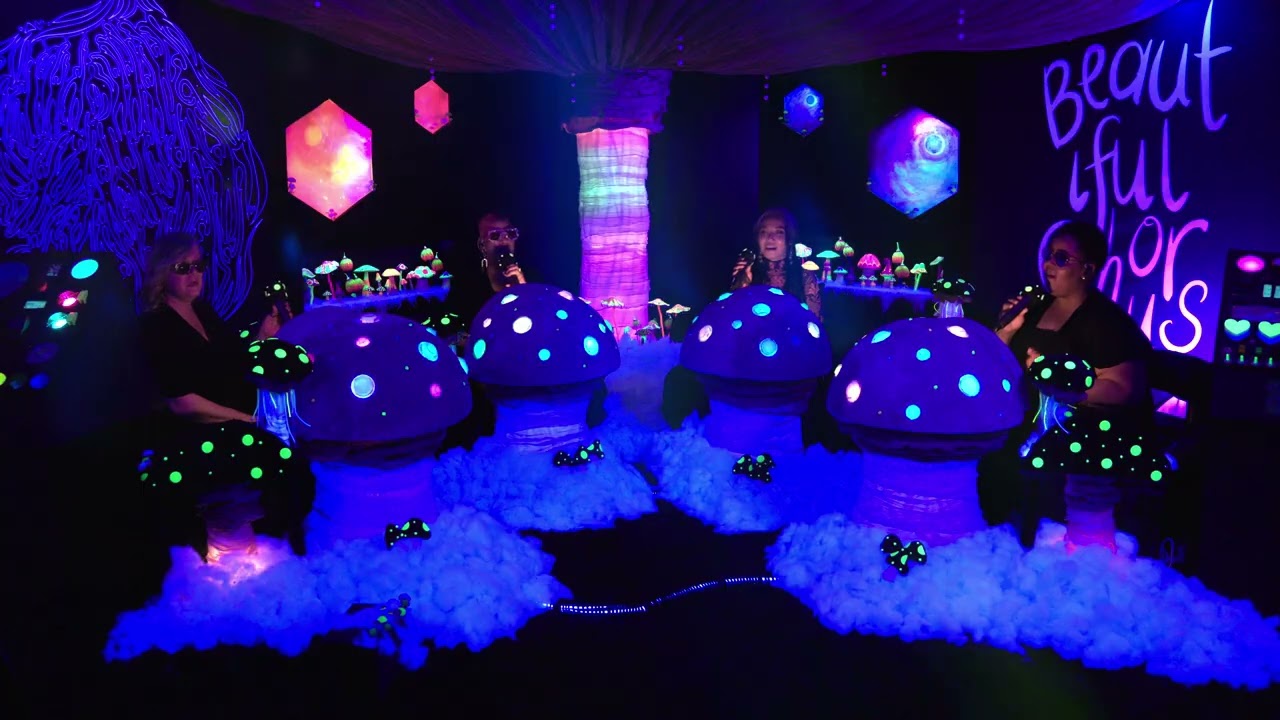
The 21 Praises to Tara is a liturgical chant that forms part of the Outer Tara sadhana (a structured Buddhist practice or ritual text) within the Tara's Triple Excellence meditation program. This practice originates from the Tibetan Buddhist lineage of Chokyur Lingpa, a renowned Buddhist master whose teachings and practices continue to guide practitioners worldwide. The sadhana is not merely a devotional song but a complete spiritual technology designed to develop specific qualities and establish a direct relationship with Tara, the female Buddhist deity embodying compassion, swift action, and liberating wisdom.
The structure of 21 individual praises reflects a traditional Buddhist organizational principle. Each praise is a distinct verse or invocation that addresses different aspects of Tara's enlightened qualities, from her compassion for beings in suffering to her capacity to swiftly grant refuge and protection. When sung together in succession—and repeated multiple times as in this recording—the 21 Praises create a cumulative effect that stabilizes the mind and opens the heart toward the qualities the chanter is invoking.
Ani Choying Drolma and Lama Tenzin Sangpo present the 21 Praises as part of Tara's Triple Excellence, described as "the gradual, authentic full Buddhist path from A to Z." This framing is significant. The practice is not positioned as a standalone devotional act but as an integrated component of a complete spiritual curriculum. Tara's Triple Excellence appears designed to guide practitioners through foundational Buddhist teachings and meditations in an orderly, accessible way—the program offers a free 12-day introduction available in eight languages, indicating an explicit effort to democratize access to authentic Tibetan Buddhist training regardless of language or prior background.
Within this framework, the Outer Tara sadhana—which incorporates the 21 Praises—serves a specific pedagogical role. Outer practices typically involve visualizations, mantras, and prayers directed toward a deity as a means of training the mind and heart. Over time, outer practices lead to inner practices involving subtler meditations on emptiness and non-dual awareness. By beginning with the 21 Praises, a new practitioner gains familiarity with Tara's qualities, develops devotion, and creates a stable foundation for more advanced Buddhist meditation techniques.
Chokyi Nyima Rinpoche, a respected Tibetan Buddhist teacher, specifically suggested that the 21 Praises to Tara would be beneficial during the Coronavirus pandemic. This recommendation speaks to the practice's traditional application during times of collective suffering or fear. Tara is known in Buddhist tradition as "the swift-footed mother" and as the deity of immediate protection and compassionate action. Her energy is understood to be particularly potent in times of emergency or danger.
By offering this chanting recording publicly during the pandemic, Ani Choying Drolma and her co-practitioners were creating a spiritual resource for people facing collective trauma and uncertainty. The practice provided not only spiritual meaning but also a structured, communal (even if remotely accessed) container for processing fear and cultivating trust. The decision to record 12 full repetitions of the 21 Praises suggests recognition that repeated chanting deepens its effects—each repetition allows the mind to settle more deeply into the meaning and the resonance of the words and sounds.
Ani Choying Drolma is a Tibetan Buddhist nun who has become widely known for her melodic, devotional recordings of Buddhist chants and prayers. Her voice and presence have introduced countless people to Tibetan Buddhism through music platforms and video recordings. Lama Tenzin Sangpo co-performs this recording, contributing additional vocal support and the male-female harmonic balance traditional to many Tibetan Buddhist chanting ceremonies. Together, their performance serves not only an artistic function but a teaching function—by hearing two experienced practitioners chant with clarity and reverence, listeners absorb both the technical aspects of the chant and its spiritual atmosphere.
To fully appreciate the 21 Praises, some context on Tara herself is helpful. In Tibetan Buddhism, Tara is not worshipped as a distant god but understood as an enlightened being whose wisdom and compassion can be accessed through devotional practice. She is female, which is theologically significant in Buddhist traditions that emphasize the ultimate non-differentiation of masculine and feminine but recognize the power of feminine archetypal energy in healing and liberation.
Tara manifests in different color forms, each associated with different qualities. The practice of the 21 Praises addresses her as a unified compassionate presence while acknowledging her multiple emanations and capacities. Each praise typically highlights a different quality or aspect—her fearlessness in the face of suffering, her swiftness in granting liberation, her ability to cut through delusion, her compassion for all beings regardless of their past actions. By reciting all 21 praises in succession, the practitioner builds a comprehensive understanding of Tara as a complete embodiment of enlightened wisdom and compassion.
The recording presents 12 full repetitions of the 21 Praises, with a duration of 38 minutes and 40 seconds total. This structure acknowledges that most people cannot hold their intention and attention through an entire practice in a single sitting. The 12 repetitions allow practitioners to:
- Chant once per day for 12 days, creating a structured retreat or practice cycle
- Repeat the entire sequence multiple times in a longer meditation session, deepening concentration and opening
- Use individual praises selectively, repeating whichever praises speak most powerfully to their own condition or need
The presentation of the chant in English-language platform settings, with both Ani Choying Drolma and Lama Tenzin Sangpo singing in Tibetan, bridges authentic traditional practice with modern accessibility. Western practitioners can follow along, learning the Tibetan pronunciation and meaning while benefiting from the oral transmission—the direct transmission of practice through hearing authentic teachers perform it.
From a Buddhist perspective, engaging the 21 Praises is not merely emotional or aesthetic; it operates on several levels simultaneously. On the surface level, beautiful singing and meaningful words create a positive emotional and mental state, reducing anxiety and opening the heart. On a deeper level, the practice trains the mind's capacity to focus, to hold intention, and to direct energy toward virtuous states. At the deepest level, practitioners who engage the practice with full understanding understand they are invoking and connecting with Tara's actual enlightened presence and wisdom—that they are not merely singing pleasant verses but entering into a real relationship with a transcendent reality.
The repeated structure supports this multi-level effect. The first few repetitions may feel unfamiliar or technically challenging as the listener absorbs the Tibetan sounds and adjusts to the melodic flow. By the middle repetitions, the mind begins to relax into the rhythm, and meaning deepens. By the final repetitions, many practitioners report experiencing a natural state of meditative absorption where the distinction between chanter and chant dissolves, and the qualities invoked seem to become present as direct experience.
Tibetan Buddhist practitioners believe that sacred sounds carry intrinsic power, especially when recited in their original language with proper intention and training. The Tibetan language, with its rolled consonants and nasal tones, creates particular resonances believed to align the body, mind, and subtle energy channels. While Western listeners may not understand Tibetan linguistically, the sounds themselves—heard repeatedly—gradually attune the nervous system and consciousness to frequencies associated with compassion and clarity.
The fact that the recording retains Tibetan language rather than offering an English translation-chant honors the continuity of the practice as transmitted through the Chokyur Lingpa lineage. This choice reflects a commitment to preserving the integrity of the Buddhist path in its original form while making it accessible to international practitioners. Many find that chanting unfamiliar sounds in an unfamiliar language actually enhances the practice, as it removes the listener's tendency to intellectually critique or become distracted by the conceptual content of words they know.
If the 21 Praises to Tara resonates with you, several paths forward are available. The most direct next step is to engage the free 12-day introduction to Tara's Triple Excellence at dharmasun.org/tte, which offers foundational teachings on Buddhist philosophy and meditation in eight languages. This introductory program provides the conceptual and practical context that allows the 21 Praises to function as part of an integrated spiritual path rather than as isolated practice.
You might also experiment with different modes of engagement: chanting aloud if privacy permits (vocalization amplifies the effects of the practice), visualizing Tara as a presence of golden light emanating compassion, or simply listening receptively while allowing the sounds and meanings to work on your consciousness at whatever depth your current understanding supports. There is no "correct" way to practice—the practice invites sincere engagement and allows each practitioner to meet it at their own level.
Finally, consider exploring other Buddhist resources on Tara from teachers within the Chokyur Lingpa lineage. The 21 Praises form the foundation, but the complete Outer Tara sadhana, when studied and practiced with an authentic teacher, reveals layers of meaning and practical transformation that extend far beyond the chant itself. For those drawn to the path of devotion and compassion, Tara practice offers a direct, tested, and ever-fresh approach to Buddhist awakening.
]]>