
Released on December 15, 2023, Prabhuji is the most expansive album in Wah!'s recent discography. It runs twenty tracks, a long format for an artist whose recent full-lengths include the eight-track Queen of Mantra (2019), the ten-track DEVOTION (2019) and the ten-track Blessings (February 2023). It arrived after Blessings and well before It's Friday Night, the newest full album, which marks thirty years in the music industry.
The title is a devotional one. Alongside DEVOTION, Prabhuji is one of the records that most plainly signals the bhakti orientation of her catalog. For a musician who has played bass in a joyful rock band since 1997, and whose catalog stretches into dance mixes and dub, this is a record that gives the chanting room to unfold.
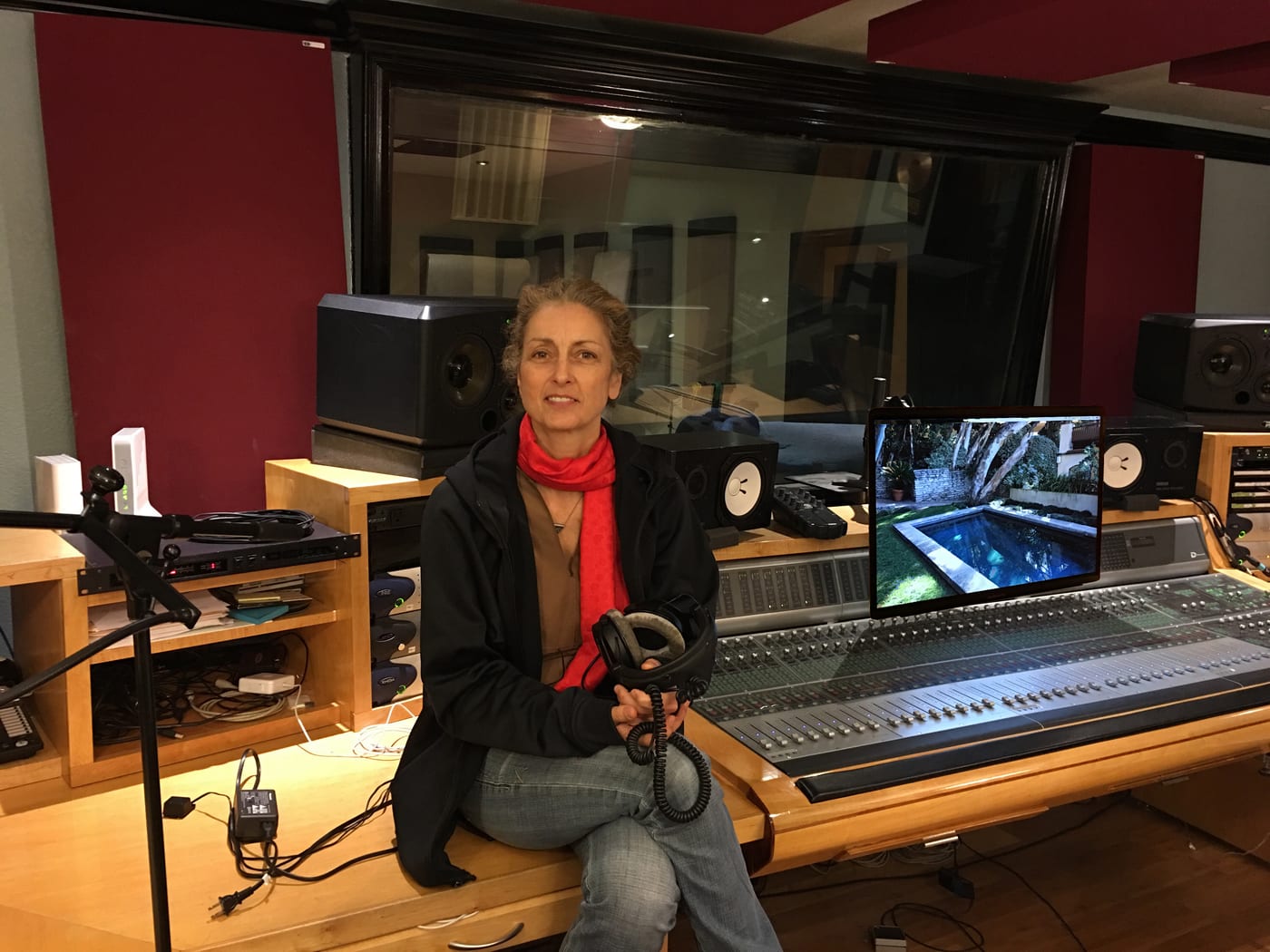
The foundation of Wah!'s sound is Sanskrit mantra sung over harmonium, with her own voice carrying both the melodic lines and the call-and-response structure of kirtan. In her online concerts she adds Ableton Live, and the listener can expect the same warm, produced feel here: closer to a modern studio recording than to the unamplified restraint of a room full of singers. Her rock-band background gives some of her work a steady pulse.
I can't give you a verified instrument-by-instrument breakdown of this particular record, because the available information doesn't list credits. What the broader catalog suggests is a human voice at the center, harmonium as the harmonic floor, and arrangements that favor repetition and gradual build over surprise. Twenty tracks of that is the point. The album asks you to settle into a mood rather than chase variety, and the mood is devotional, warm and unhurried.
I won't name individual songs, because no track list is included in the facts available to me, and I'd rather not guess at titles. You can find the full sequence on the album's Spotify page. Instead, here is how to approach the length.
Listen for the arc, not the single. With twenty tracks, the album works as a long session. Notice how the call-and-response pattern establishes itself early and how repetition changes your attention over time. The pleasure in kirtan is cumulative.
Listen for the voice. Wah!'s vocal is the thread. Pay attention to how she phrases the opening calls and how the answering lines settle underneath them.
Listen for the harmonium. In her work the harmonium is the drone-like bed that lets the chant breathe. Follow it when the vocal drops back.
Listen for the shifts in energy. Her catalog ranges from slow, projection-and-laser-paced material to mid-tempo mantra and high-energy dance mixes. Even within a devotional album, notice where the pulse lifts and where it relaxes.
Wah!'s work belongs to bhakti, the devotional path in which sung names of the divine carry the practice, and her particular form is kirtan, the call-and-response chanting that originated in India. Prabhuji sits squarely in that lineage through its title and its Sanskrit material. Her website describes her as the first female to bring kirtan to the West in the 1990s. That is her own account, and the available information names no specific teacher or line of succession.
It is also kirtan filtered through the yoga world and the wellness market. Her sound-healing vocabulary and studio production may read to purists of Indian kirtan as a departure from older forms. Others will hear that as the natural result of an artist who came to the chant through yoga centers, festivals and a rock band. Both responses are fair, and the album doesn't ask you to resolve the debate.
Prabhuji suits listeners who are comfortable with repetition and devotional sincerity. It will reward yoga students who want a long, steady soundtrack for practice or for winding down, and people already drawn to Wah!'s Savasana-style, stress-relieving side, the spirit of the fan-made bumper sticker "Less Stress More Wah!"
It lands hardest in a life moment that calls for steadiness: a stretch of overwork, a transition, a season when you want something to hold your attention gently. Listeners who want a purely traditional, unaccompanied kirtan will find it more produced than they'd like. Those who want high-BPM electronic music or ironic distance will find it too measured. Skeptics of sound-healing language may want to simply take the music and leave the framing.
Give it a single uninterrupted sitting in the evening, when the day's demands have eased. Use headphones or a good speaker setup so the layering of voice and harmonium is clear. Dim the lights, put the phone out of reach, and treat the first few tracks as an arrival rather than a performance.
If you chant, sing back on the responses. Kirtan is participatory, and the album makes the most sense when you answer it. If you practice yoga, let it carry a slow sequence or a long final rest. Because it is twenty tracks, you can also take it in halves across two evenings. Either way, let the repetition work on you. The album is built for that.