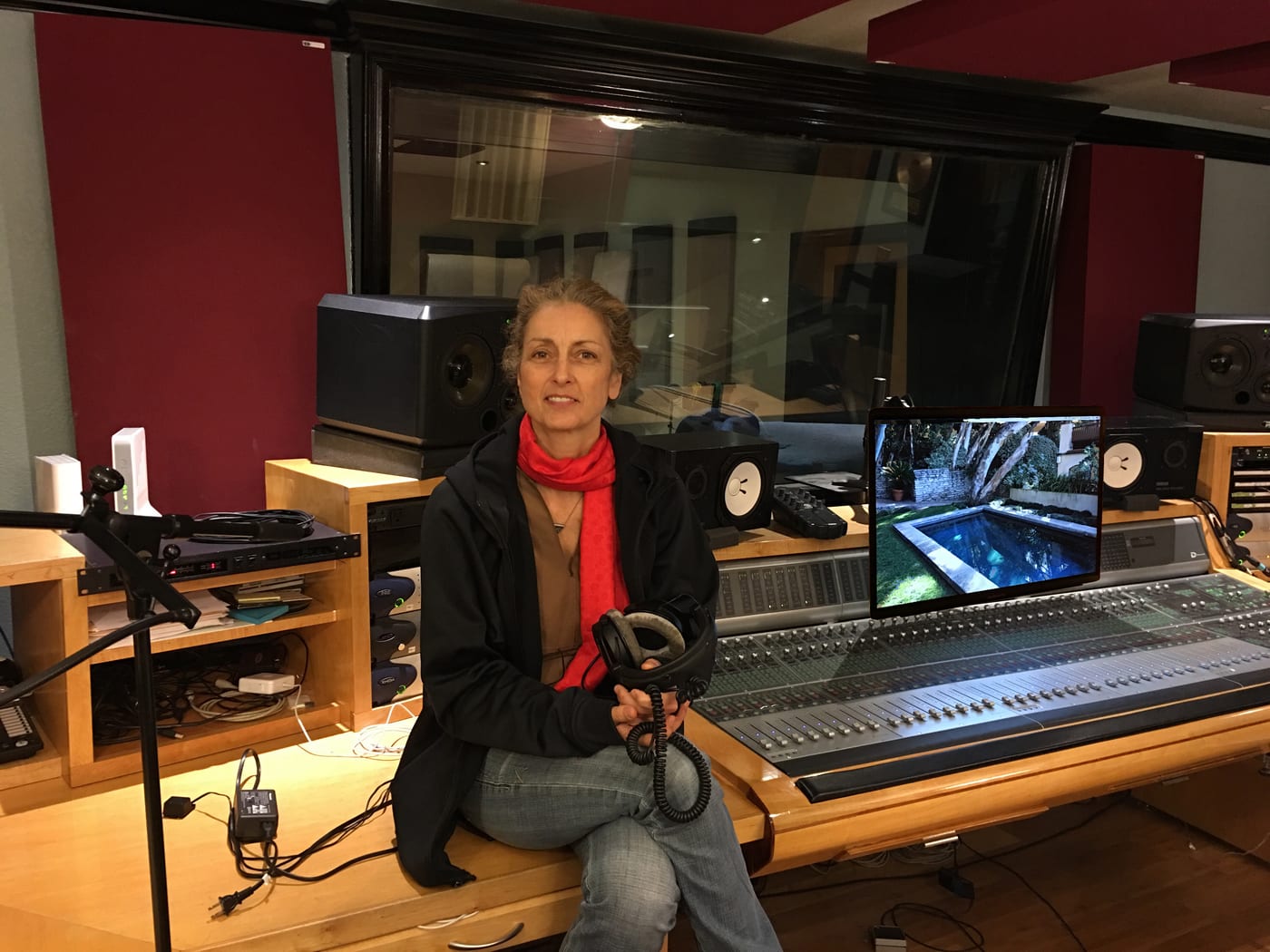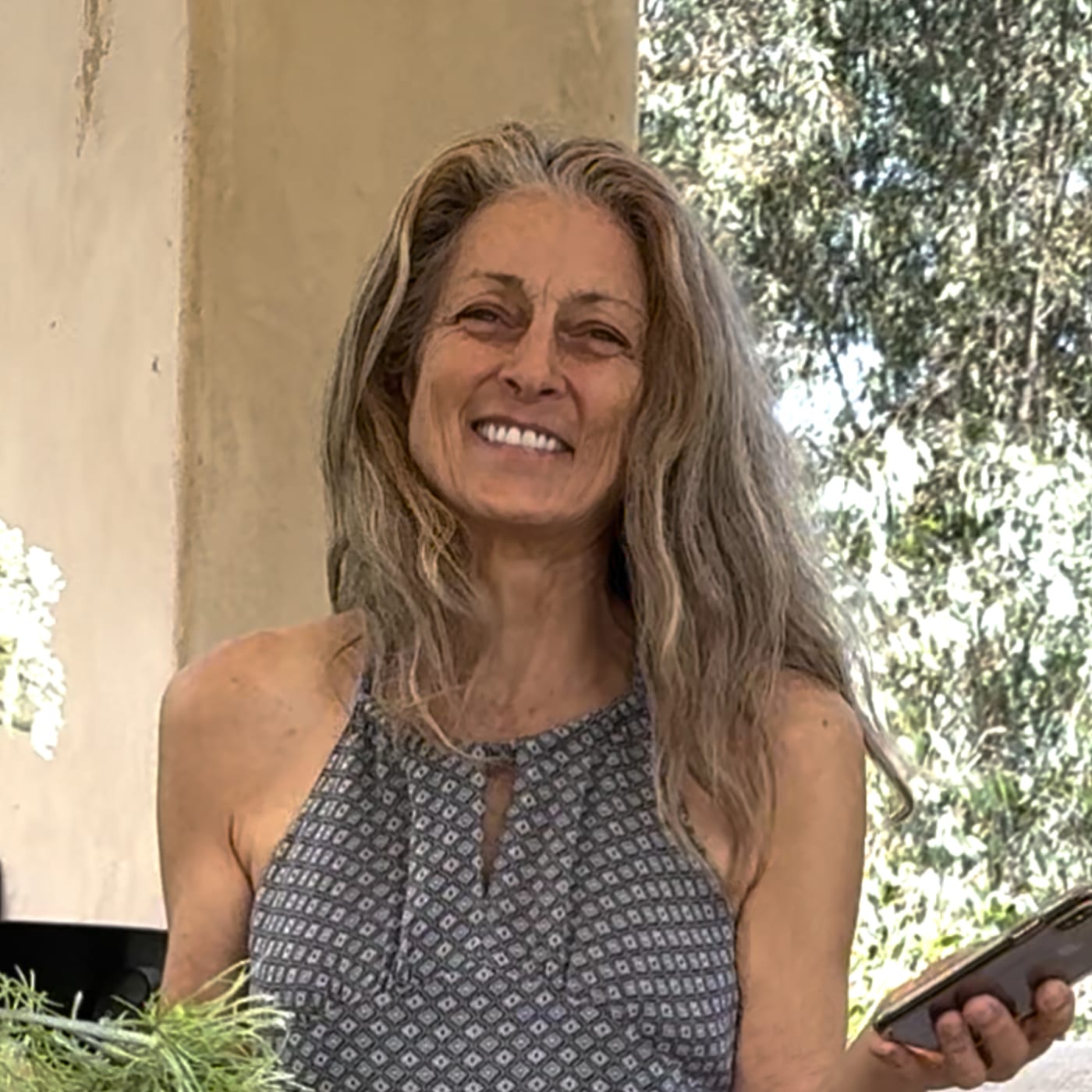

It's Friday Night arrived on June 19, 2026, and it marks 30 years in the music industry for Wah!. That milestone shapes how the record feels. It is not a reinvention. It reads as a gathering-up, the work of an artist who has moved from playing bass in a joyful rock band at yoga festivals (since 1997) to leading online kirtan for a global community. Her bio describes her as the first female to bring kirtan to the West in the 1990s, which is her own account of her history. Within a catalog that includes Queen of Mantra (2019), DEVOTION (2019), Blessings (2023) and the twenty-track Prabhuji (2023), this is the newest full album. It is also a more intimate one, because it grew directly out of her Friday night online programs and the people who show up to them.
The album's eleven tracks gather mid-tempo mantra and one song in English. That pacing is the defining choice. It is not the hushed restraint of unamplified room singing, and it is not the high-BPM push of her dance mixes. It moves at a walking, steady pace, which suits repetition.
The core palette is the one she uses in her online kirtan concerts: Sanskrit mantra, her own voice carrying the melody and the call-and-response shape, harmonium underneath, and Ableton Live helping assemble the layers. Expect something warmer and more produced than traditional kirtan, closer to a modern studio recording. Her rock-band background shows up as pulse rather than volume. The mood is communal and unhurried, more evening gathering than formal ceremony.
I can't responsibly pull individual song titles from the information available, so rather than guess, here are the two things to listen for.
The English-language song. In a catalog otherwise sung in Sanskrit, this is the deliberate shift in language. Notice where it falls in the sequence and how the album changes when the words become immediately understandable. After a run of mantra, hearing plain English can feel like a conversation replacing a chant.
The mid-tempo mantras. The ten remaining tracks are where the album does its work. Listen for how the call-and-response structure builds across a track: her lead line, the answering voices you may find yourself joining, and the way harmonium and electronic layers hold the groove steady. Tracks of this kind land through accumulation. The third repetition feels different from the first.
Check the album's track list on Spotify for the titles, then decide which of these moments belong to which songs.
Wah!'s work belongs to bhakti, the devotional path in which sung names of the divine carry the practice, and specifically to kirtan, the call-and-response chanting that originated in India. It's Friday Night sits squarely there through its Sanskrit mantra. Yet it also reflects her particular position: yoga teacher, sound healer and bandleader working where devotion meets the wellness world. Her data names no specific teacher or line of succession, so the lineage question is best left open. Purists of older Indian forms may hear the production and band arrangements as a departure. Others will hear a living tradition adapting to a new medium, since the Friday night online gatherings that inspired the record are themselves a contemporary form of communal chanting.
This album is for people who already like repetition and devotional sincerity. It will land hardest for those who have joined, or wish they could join, a regular weekly practice: the person who ends the work week tired and wants a threshold between obligation and rest. It suits longtime listeners who have followed her from the Savasana CDs onward, and newcomers who want a recent, accessible entry point at a moderate tempo.
It is less suited to listeners who want strictly traditional, unaccompanied kirtan, high-energy electronic music, or ironic distance. Skeptics of sound-healing language may want to simply enjoy the singing and set the vocabulary aside.
Play it on a Friday evening, as the title suggests. Start after work is done: lights low, phone away, and a pair of headphones if you want the harmonium and electronic layers to separate clearly. Listen straight through in order. The album is built as a sequence, and the single English-language song makes more sense when you have been carried to it by the mantras before it.
If you are alone, let yourself sing quietly on the answering lines. The form invites participation, and the recording is more rewarding when you treat it as a call you are meant to answer. For a second pass, use it as background to a yoga practice, a meal with friends, or the slow wind-down of the weekend's first night.