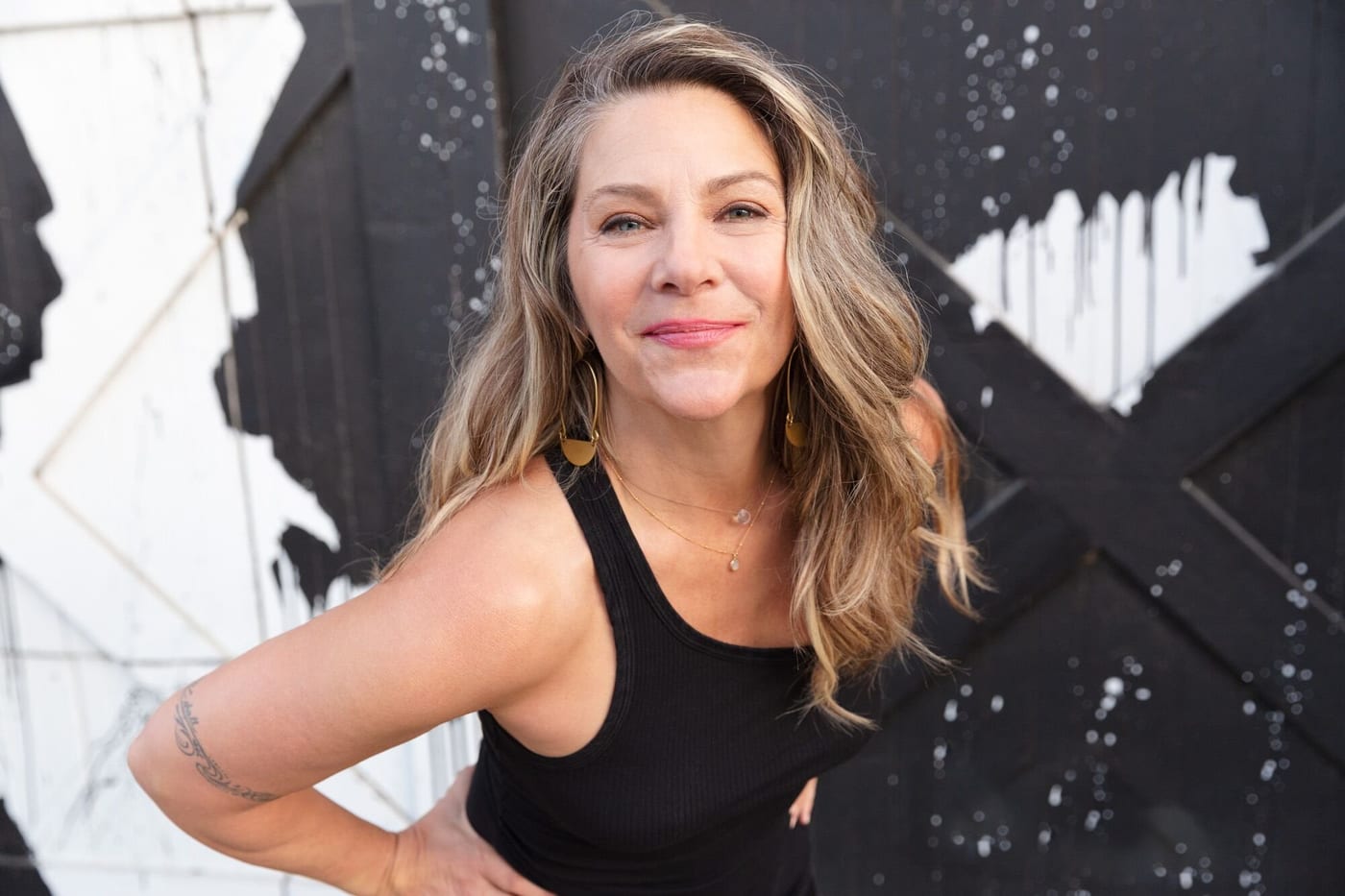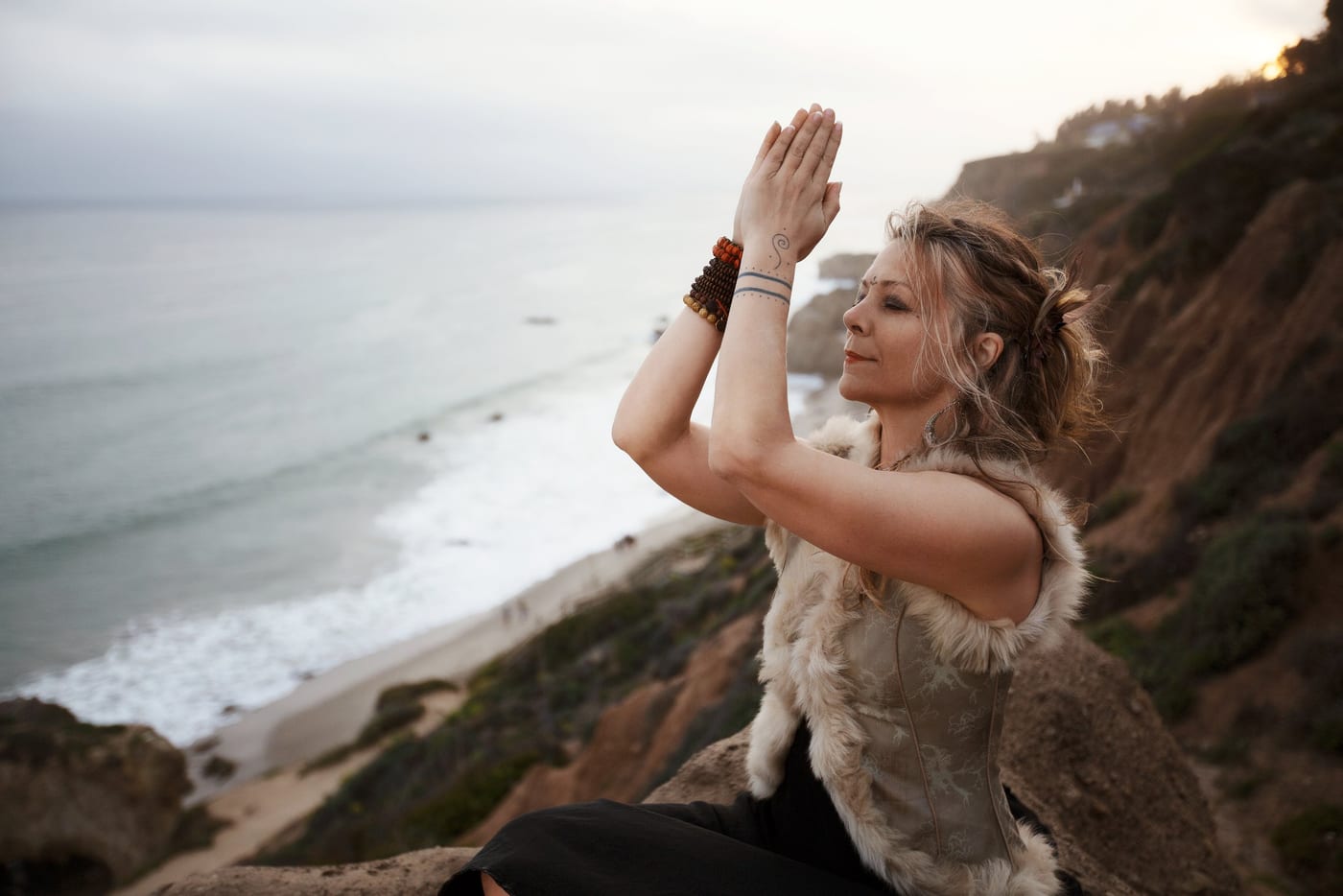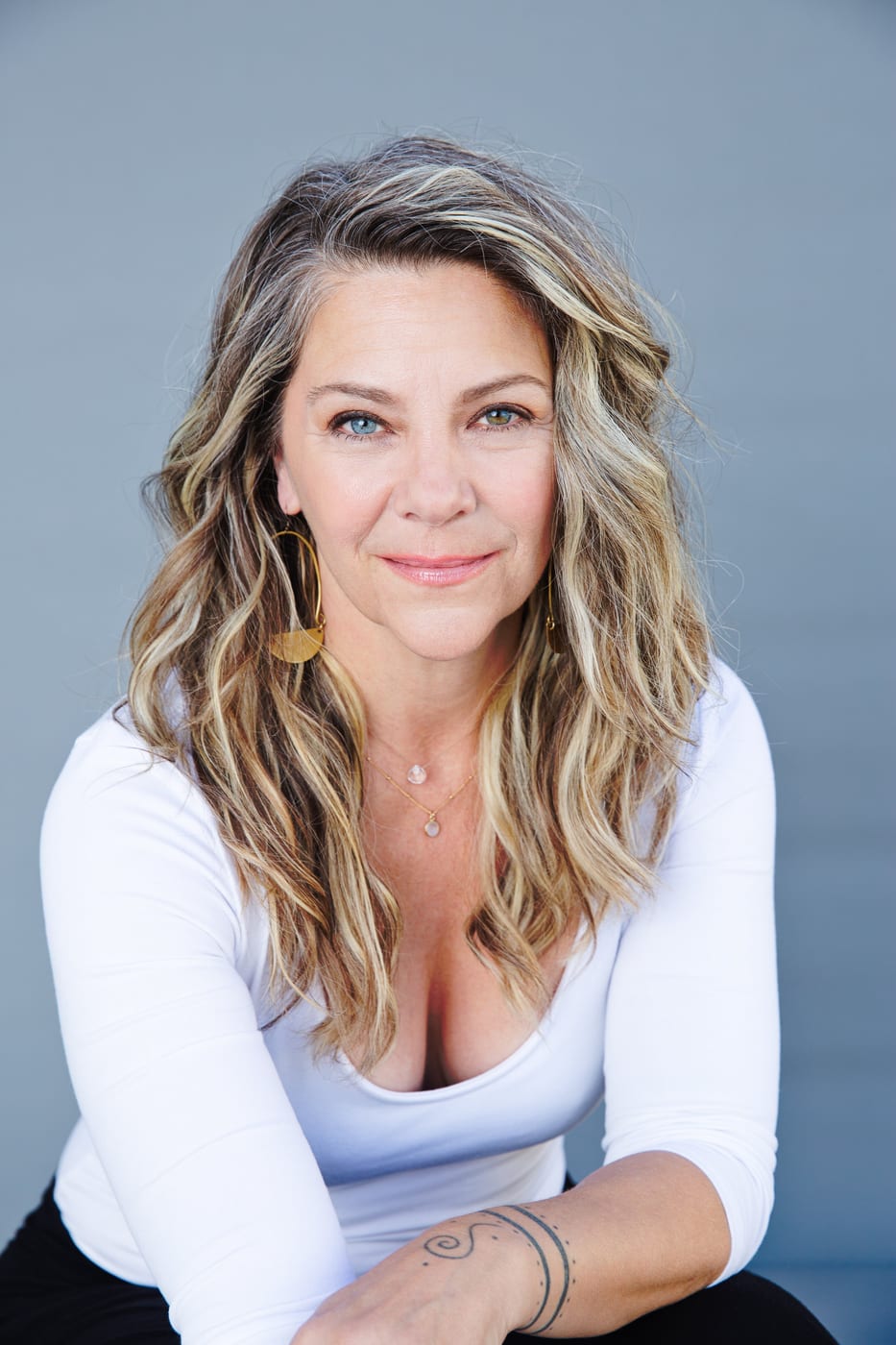

Suzanne Sterling is a singer, musician, ritual leader and activist who has spent more than 25 years performing and teaching transformational workshops. Describing her as a kirtan artist is accurate but incomplete. She moves between the recording studio, the concert stage, the ritual circle and the organizing table, and she treats these as parts of a single practice. Her own summary of that practice is plain: "Your voice is the strongest tool you have."
Her stated life work is inspiring others to find their unique voice through sound, singing, embodiment and a connection to the sacred, and to use self-expression and ritual as tools for healing, community building and conscious evolution. That sentence carries her whole project. Singing, for her, is not only performance. It is a practical means of becoming more present, more honest and more connected to other people.
The documented record does not include details of Sterling's birthplace, family background or childhood, and no hometown is listed. What can be said is that she has been performing and teaching for over 25 years, and that her work grew across that span into the several strands described below. Rather than speculate about where it began, it is more honest to follow what the record shows.
The available facts do not describe a single defining moment or anecdote, and it would be a disservice to invent one. What the record does show is a long, steady commitment to two intertwined streams: devotional singing and public ritual.
For over 25 years she has worked with the International Reclaiming Community, co-creating public ritual and training teachers in earth-based spirituality. In 2006 she became a co-founder of Off the Mat, Into the World, an organization that has trained leaders of sacred activism since that year. Together these point to a conviction that runs through her work: that sacred practice and social engagement are not separate, and that song and ceremony can prepare people to act in the world.
Sterling's central contribution is treating the voice as a teachable, communal and transformative tool. She founded Voice of Change and created The Voice of Change Method, a framework that helps individuals and leaders reconnect with their authentic voice. The method gives her teaching a defined structure, which distinguishes it from inspiration alone.
Her work sits primarily within bhakti, the Indian devotional path in which song and the repetition of sacred names become a route to the divine. Her kirtan is the most visible expression of this. Her catalogue makes the connection explicit: Kirtan: The Bhakti Yoga of Chanting Mantras (2018) frames kirtan as bhakti yoga, and Japa 2024 Remaster points to the quiet repetition of a mantra. Alongside it runs a second strand, the earth-based ritual of the Reclaiming community. Her subjects also include shamanism, ceremony and sound healing. Her lineage is therefore better read as a set of practices than a single guru line, and the record names no specific teachers she trained under. Those expecting a strictly orthodox South Asian lineage may find the framing eclectic.
Her concerts and kirtans are presented as a modern take on devotional music, and they function as ritual rather than spectacle: the audience sings rather than watches. One description of her calls her "a musical priestess, who brilliantly weaves lyric, melody and rhythm into a magical spell that entrances us to discover the sacred song within our own heart."
Sterling has released five solo albums, along with DVD soundtracks and guest appearances on many other albums. Her wider catalogue mixes solo records, compilations and remasters, so newcomers should check which titles are solo releases.
Notable titles include:
- Kirtan: The Bhakti Yoga of Chanting Mantras (2018), a twenty-track gathering of chant-based devotional material and the most direct entry point.
- Mala 2024 Remaster and Japa 2024 Remaster, centered on mantra repetition.
- Dub Mantra Sangha (2015) and its remix (2018), which bring mantra into dub production, an uncommon pairing in kirtan circles.
- Chakra Flow (2014), Ojas (2013) and The Yoga Sessions: Hang With Angels (2011), closer to ambient practice music.
- Sacred Well: Ritual Music from Reclaiming (2025), Wyrd Vibrations: Future Sounds of Paganism from Reclaiming Tradition and Deep Repose: Meditation Music from Reclaiming and Friends, which represent the earth-based and community ritual side.
Her sound is built around the human voice, mantra and rhythm rather than dense orchestration. Phrases return, melodies settle, and the listener is invited to stay with them rather than wait for a climax.
Beyond recordings, she directed the Global Seva Challenge of Off the Mat, Into the World, which raised over $3.5 million through yoga communities. In 2021 she co-founded the Auricle Collective to support sacred musicians, which places her as an organizer for her field as well as a performer. She has taught at Omega, Esalen, Kripalu, Wanderlust and Bhaktifest.
Her recent output shows a more song-forward direction. The 2026 singles Hole in the Stone (January), Open All the Doors (February) and Songspell (March) are where her current writing can be heard. Her live work centers on retreats, workshops and festivals rather than a long city-by-city tour. The one dated event currently listed is the Sivananda Ashram Yoga Retreat on Paradise Island, Bahamas, scheduled for 1 March 2027. Her official website, suzannesterling.com, is the most reliable place to check for new dates.
Sterling's reach is real but specific. Her Spotify following of about 8,210 reflects a body of work that travels mainly through live rooms, retreats and community networks rather than playlists, and the record lists no chart data, major press coverage or formal awards. Her standing rests instead on practice and institutions: decades with the Reclaiming community, the leadership training of Off the Mat, Into the World, and the support she has built for fellow sacred musicians.
She matters because she keeps together things that are often separated: devotion and activism, studio and ritual room, personal expression and communal healing. Her audience includes yoga practitioners, kirtan participants, people drawn to earth-based ceremony, and leaders seeking to speak more authentically. Her work is less suited to listeners who want fast tempos, polished pop hooks or a purely recorded, secular listening experience. For those willing to participate, it offers a consistent invitation: to treat one's own voice as a serious instrument, and to use it in company with others.