
BrightStar

Sfoglia tutti i Events

Discover conscious gatherings

events

Yoga
Meditation
Breathwork
Qigong
Tai Chi
Sacred Music
World Music
Medicine Music
Sound Healing
Ecstatic Dance
Destinazioni popolari
BaliSedonaLos AngelesCosta RicaNew YorkSan FranciscoAustinMiamiJoshua TreeTulum
Vedi tutte le categorieVedi tutte le destinazioni

Esplora tutte le funzionalità

Strumenti potenti per far crescere i tuoi eventi

Funzionalità della piattaforma

Prezzi dinamici intelligenti
Categorie di biglietti
Posti assegnati
Recupero carrelli abbandonati
Recupero visitatori
Donazioni e prezzi variabili
Sistema affiliati
Scanner biglietti
Codici sconto
Domande personalizzate
Condivisione biglietti
Upsell e componenti aggiuntivi
Analisi e report
Sequenze email
Lista d'attesa / Notifica / Promemoria
Persone e Luoghi
Artists & TeachersEvent OrganizersVenues & StudiosKnowledge BaseGlossaryInspiration
Vedi tutte le funzionalitàChi siamo
PrezziBlog
Sfoglia tutti gli eventi

events

YogaMeditationBreathworkQigongTai ChiSacred MusicWorld MusicMedicine Music

Destinazioni popolari

BaliSedonaLos AngelesCosta RicaNew YorkSan Francisco

Persone e Luoghi

Artists & TeachersEvent OrganizersVenues & StudiosKnowledge BaseGlossaryInspiration

Funzionalità della piattaforma

Prezzi dinamici intelligentiCategorie di bigliettiPosti assegnatiRecupero carrelli abbandonatiRecupero visitatoriDonazioni e prezzi variabiliSistema affiliatiScanner bigliettiCodici scontoDomande personalizzateCondivisione bigliettiUpsell e componenti aggiuntiviAnalisi e reportSequenze emailLista d'attesa / Notifica / Promemoria
Vedi tutte le funzionalitàChi siamo
PrezziBlog
AccediRicercatoriCreatori
Tibetan BuddhistOm Mani Padme Hum · Om Mani Padme Hum · Om Mani Padme Hum · Om Mani Padme Hum · Om Mani Padme Hum ·
  • Sfoglia tutti i Events
  • Per i ricercatori
  • Yoga
  • Meditation
  • Breathwork
  • Qigong
  • Tai Chi
  • Sacred Music
  • Ritiri
  • Workshop
  • Tutte le categorie →
  • Bali
  • Sedona
  • Los Angeles
  • Costa Rica
  • Tulum
  • Byron Bay
  • San Francisco
  • Austin
  • Tutte le città →
  • Per i creatori
  • For Teams
  • Per gli scrittori
  • Per gli insegnanti
  • Per gli artisti kirtan
  • Per gli studi
  • Per i festival
  • Per i centri ritiro
  • Per le no-profit
  • Ambasciatore del brand
  • Case study
  • Seva
  • Elevate
  • Amplify
  • Rete di 350K+ acquirenti
  • Recupero carrelli abbandonati
  • Prezzi dinamici intelligenti
  • Categorie di biglietti
  • Eventi ricorrenti
  • Posti assegnati
  • Sistema affiliati
  • Lista d'attesa / Notifica
  • Scanner biglietti
  • Widget incorporabile
  • Event Syndication
  • Message Center
  • Integrations
  • Reports
  • Tutte le funzionalità →
  • Chi siamo
  • The Ecosystem
  • Blog
  • Glossario
  • Inspiration
  • Centro assistenza
  • Contatti
  • Documentazione API
  • Risorse del brand
  • Carriere
  • Stampa
  • Termini di servizio
  • Informativa sulla privacy

Events

  • Sfoglia tutti i Events
  • Per i ricercatori
  • Yoga
  • Meditation
  • Breathwork
  • Qigong
  • Tai Chi
  • Sacred Music
  • Ritiri
  • Workshop
  • Tutte le categorie →

Destinazioni

  • Bali
  • Sedona
  • Los Angeles
  • Costa Rica
  • Tulum
  • Byron Bay
  • San Francisco
  • Austin
  • Tutte le città →

Per i creatori

  • Per i creatori
  • For Teams
  • Per gli scrittori
  • Per gli insegnanti
  • Per gli artisti kirtan
  • Per gli studi
  • Per i festival
  • Per i centri ritiro
  • Per le no-profit
  • Ambasciatore del brand
  • Case study
  • Seva
  • Elevate
  • Amplify

Funzionalità

  • Rete di 350K+ acquirenti
  • Recupero carrelli abbandonati
  • Prezzi dinamici intelligenti
  • Categorie di biglietti
  • Eventi ricorrenti
  • Posti assegnati
  • Sistema affiliati
  • Lista d'attesa / Notifica
  • Scanner biglietti
  • Widget incorporabile
  • Event Syndication
  • Message Center
  • Integrations
  • Reports
  • Tutte le funzionalità →

Azienda

  • Chi siamo
  • The Ecosystem
  • Blog
  • Glossario
  • Inspiration
  • Centro assistenza
  • Contatti
  • Documentazione API
  • Risorse del brand
  • Carriere
  • Stampa
  • Termini di servizio
  • Informativa sulla privacy
BrightStar
© 2026 BrightStar. Tutti i diritti riservati.
Back to Shyam Dattani
Where to Start with Shyam Dattani: A Beginner's Guide
For Beginners

Where to Start with Shyam Dattani: A Beginner's Guide

If you're new to Shyam Dattani, don't start with recordings. Start by attending a Poems of Love baithak if one is scheduled within reach.

Shyam Dattani
Shyam Dattani
Jul 18, 2026
3 min read
Read · 1 sections

Where to Start with Shyam Dattani: A Beginner's Guide

Begin with the Room Itself

If you're new to Shyam Dattani, don't start with recordings. Start by attending a Poems of Love baithak if one is scheduled within reach. This recurring series, presented in collaboration with Aangan Studio London, is the core of Dattani's practice and the only way to understand what he's actually doing. Ghazal and thumrī weren't made for headphones or concert halls. They were made for rooms like this—intimate, unamplified, with listeners close enough to catch the grain of a voice and the space between phrases. Dattani doesn't perform these forms; he hosts the conditions they require. You'll hear other vocalists and instrumentalists alongside him, and you'll experience the baithak not as a recital but as a curated social event, a mehfil in the traditional sense. This is the entry point.

After the First Baithak

Once you've attended one gathering, return for another within the same season if possible. Baithak listening is cumulative. The first time, you're adjusting to the pace, the lack of amplification, the unfamiliar poetic forms. The second time, you start hearing how different artists handle the same tradition, how the room's attention shifts, how repetition and variation work across an evening.

Then seek out any talks or introductory sessions Dattani offers around the Poems of Love series. He occasionally frames these events with context about the baithak format, the history of ghazal and thumrī, and why spatial intimacy matters. These aren't supplementary—they're part of the work.

If live attendance isn't possible, look for documentation of past baithaks: videos, recordings, or written program notes that preserve some trace of the event. But understand that you're working with a shadow.

What to Expect

Expect slowness. Expect to feel uncertain about when to applaud or whether you're "getting it." Ghazal and thumrī are not built for instant legibility. The poetry is in Urdu; the vocal ornamentation can seem elusive if you're used to Western melody. You may spend the first twenty minutes wondering if you're in the right place.

Then something shifts. A phrase repeats with a slight inflection. A word lingers. The room's silence becomes part of the music. You realize you're not listening for climax or resolution but for the way a single line gets turned over, examined, savored. This is normal. Let it happen.

Common Misunderstandings

Beginners often assume Dattani is a solo performer promoting his own singing. He's not. He's a curator and host whose own voice is one thread in a larger practice. The baithak is the art form; he's building the frame.

Others treat these events as ambient background for socializing. They're not. The baithak asks for focused, sustained attention—not rigidly, but genuinely. It's closer to chamber music than to a dinner party.

Some expect translations or explanations during the performance. You won't get them. The poetry works through sound, repetition, and affect as much as literal meaning. Trust the music to teach you.

When This Work Lands

Dattani's practice tends to matter most when you're hungry for a different quality of time. It finds people in moments of transition—after years in loud venues, after burnout from algorithmically served music, when you're craving art that doesn't perform urgency. It also resonates if you're learning to listen to poetry in languages you don't fully speak, or if you're interested in how form and venue co-constitute each other.

A One-Week Starter Plan

Day 1: Read about the baithak and mehfil traditions. Understand that ghazal and thumrī are not "classical music" in the Western sense but poetry-centered, semi-improvised forms.

Day 2–3: Listen to canonical ghazal singers (Mehdi Hassan, Begum Akhtar) to get a sense of the tradition Dattani works within.

Day 4: Research upcoming Poems of Love events. Mark the calendar.

Day 5–6: If videos or recordings from past baithaks exist, watch one in full without multitasking.

Day 7: Commit to attending the next live event. Arrive early. Sit close.
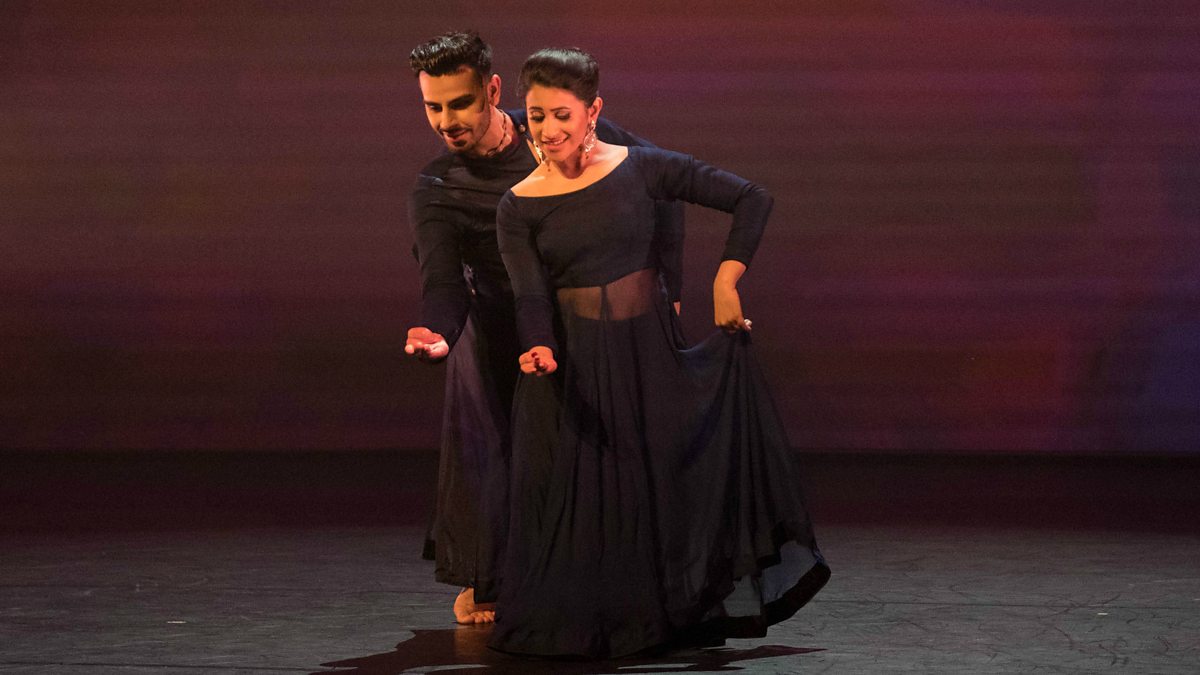
Shyam Dattani
AboutShyam Dattani

Shyam Dattani is a classical Indian vocalist specializing in ghazal and thumrī, performed in the intimate baithak format. He hosts the Poems of Love series in collaboration with Aa…

View profile

Continue Reading

More about Shyam Dattani

View All
Who Is Shyam Dattani? Life, Work, and Legacy
Article

Who Is Shyam Dattani? Life, Work, and Legacy

Essential Shyam Dattani Albums: A Listening Guide
Article

Essential Shyam Dattani Albums: A Listening Guide

The Music of Shyam Dattani: Sound, Sacred Texture, and Lineage
Article

The Music of Shyam Dattani: Sound, Sacred Texture, and Lineage

Keep exploring

Continue your journey

More wisdom and gatherings from across the BrightStar directory.

More Articles

Browse the full library of teachings, interviews, and guides.

Back to all articles →

Teachers & Artists

Explore the lineages, musicians, and guides of the conscious world.

Explore artists →

Find an Event

Kirtan, retreats, sound baths, breathwork, festivals — happening soon.

Browse events →