BrightStar

Sfoglia tutti i Events

Discover conscious gatherings

events

Yoga
Meditation
Breathwork
Qigong
Tai Chi
Sacred Music
World Music
Medicine Music
Sound Healing
Ecstatic Dance
Destinazioni popolari
BaliSedonaLos AngelesCosta RicaNew YorkSan FranciscoAustinMiamiJoshua TreeTulum
Vedi tutte le categorieVedi tutte le destinazioni

Esplora tutte le funzionalità

Strumenti potenti per far crescere i tuoi eventi

Funzionalità della piattaforma

Prezzi dinamici intelligenti
Categorie di biglietti
Posti assegnati
Recupero carrelli abbandonati
Recupero visitatori
Donazioni e prezzi variabili
Sistema affiliati
Scanner biglietti
Codici sconto
Domande personalizzate
Condivisione biglietti
Upsell e componenti aggiuntivi
Analisi e report
Sequenze email
Lista d'attesa / Notifica / Promemoria
Persone e Luoghi
Artists & TeachersEvent OrganizersVenues & StudiosKnowledge BaseGlossaryInspiration
Vedi tutte le funzionalitàChi siamo
PrezziBlog
Sfoglia tutti gli eventi

events

YogaMeditationBreathworkQigongTai ChiSacred MusicWorld MusicMedicine Music

Destinazioni popolari

BaliSedonaLos AngelesCosta RicaNew YorkSan Francisco

Persone e Luoghi

Artists & TeachersEvent OrganizersVenues & StudiosKnowledge BaseGlossaryInspiration

Funzionalità della piattaforma

Prezzi dinamici intelligentiCategorie di bigliettiPosti assegnatiRecupero carrelli abbandonatiRecupero visitatoriDonazioni e prezzi variabiliSistema affiliatiScanner bigliettiCodici scontoDomande personalizzateCondivisione bigliettiUpsell e componenti aggiuntiviAnalisi e reportSequenze emailLista d'attesa / Notifica / Promemoria
Vedi tutte le funzionalitàChi siamo
PrezziBlog
AccediRicercatoriCreatori
Tibetan BuddhistOm Mani Padme Hum · Om Mani Padme Hum · Om Mani Padme Hum · Om Mani Padme Hum · Om Mani Padme Hum ·
  • Sfoglia tutti i Events
  • Per i ricercatori
  • Yoga
  • Meditation
  • Breathwork
  • Qigong
  • Tai Chi
  • Sacred Music
  • Ritiri
  • Workshop
  • Tutte le categorie →
  • Bali
  • Sedona
  • Los Angeles
  • Costa Rica
  • Tulum
  • Byron Bay
  • San Francisco
  • Austin
  • Tutte le città →
  • Per i creatori
  • For Teams
  • Per gli scrittori
  • Per gli insegnanti
  • Per gli artisti kirtan
  • Per gli studi
  • Per i festival
  • Per i centri ritiro
  • Per le no-profit
  • Ambasciatore del brand
  • Case study
  • Seva
  • Elevate
  • Amplify
  • Rete di 350K+ acquirenti
  • Recupero carrelli abbandonati
  • Prezzi dinamici intelligenti
  • Categorie di biglietti
  • Eventi ricorrenti
  • Posti assegnati
  • Sistema affiliati
  • Lista d'attesa / Notifica
  • Scanner biglietti
  • Widget incorporabile
  • Event Syndication
  • Message Center
  • Integrations
  • Reports
  • Tutte le funzionalità →
  • Chi siamo
  • The Ecosystem
  • Blog
  • Glossario
  • Inspiration
  • Centro assistenza
  • Contatti
  • Documentazione API
  • Risorse del brand
  • Carriere
  • Stampa
  • Termini di servizio
  • Informativa sulla privacy

Events

  • Sfoglia tutti i Events
  • Per i ricercatori
  • Yoga
  • Meditation
  • Breathwork
  • Qigong
  • Tai Chi
  • Sacred Music
  • Ritiri
  • Workshop
  • Tutte le categorie →

Destinazioni

  • Bali
  • Sedona
  • Los Angeles
  • Costa Rica
  • Tulum
  • Byron Bay
  • San Francisco
  • Austin
  • Tutte le città →

Per i creatori

  • Per i creatori
  • For Teams
  • Per gli scrittori
  • Per gli insegnanti
  • Per gli artisti kirtan
  • Per gli studi
  • Per i festival
  • Per i centri ritiro
  • Per le no-profit
  • Ambasciatore del brand
  • Case study
  • Seva
  • Elevate
  • Amplify

Funzionalità

  • Rete di 350K+ acquirenti
  • Recupero carrelli abbandonati
  • Prezzi dinamici intelligenti
  • Categorie di biglietti
  • Eventi ricorrenti
  • Posti assegnati
  • Sistema affiliati
  • Lista d'attesa / Notifica
  • Scanner biglietti
  • Widget incorporabile
  • Event Syndication
  • Message Center
  • Integrations
  • Reports
  • Tutte le funzionalità →

Azienda

  • Chi siamo
  • The Ecosystem
  • Blog
  • Glossario
  • Inspiration
  • Centro assistenza
  • Contatti
  • Documentazione API
  • Risorse del brand
  • Carriere
  • Stampa
  • Termini di servizio
  • Informativa sulla privacy
BrightStar
© 2026 BrightStar. Tutti i diritti riservati.
Back to Rupda
Who Is Rupda? Life, Work, and Legacy
Biography

Who Is Rupda? Life, Work, and Legacy

For more than forty-five years, Rupda has occupied a distinctive position in the landscape of trauma therapy and personal development—not as a celebrity practitioner or bestselling author, but as a quiet, persistent presence in the work of embodied healing.

Rupda
Rupda
Jul 18, 2026
4 min read
Read · 7 sections

Who Is Rupda? Life, Work, and Legacy

A Career Rooted in the Body

For more than forty-five years, Rupda has occupied a distinctive position in the landscape of trauma therapy and personal development—not as a celebrity practitioner or bestselling author, but as a quiet, persistent presence in the work of embodied healing. As a facilitator and trauma therapist, Rupda has built a practice that resists easy categorization, drawing from the somatic traditions that emerged in the late twentieth century while cultivating a deeply personal methodology centered on what they call "heart-centered presence."

Unlike many contemporary therapeutic models that treat trauma primarily through narrative or cognitive reframing, Rupda's work locates healing in the body itself. This approach asks clients to track sensation, movement, and the felt sense of safety within the nervous system—a paradigm shift that has become more widely recognized in recent years, but which Rupda has been practicing since the late 1970s.

The Somatic Turn

Rupda entered the field during a formative period for body-centered therapy. The human potential movement was gaining traction across North America and Europe, and pioneering practitioners were beginning to challenge the dominance of talk therapy. Modalities like Somatic Experiencing, Hakomi, and trauma-informed bodywork were carving out new territory, insisting that the body holds memory, pattern, and pathway in ways that words alone cannot access.

While the specifics of Rupda's training lineage remain undisclosed, their work clearly draws from this broader tradition. What sets Rupda apart is not adherence to a single method, but a synthesis that privileges the therapist's own embodied awareness. In Rupda's model, technique is secondary to presence. The healer's capacity to inhabit their own body, to remain grounded and open while holding space for another's pain, becomes the primary instrument of change.

This philosophical stance has implications for how Rupda trains others. Rather than teaching a fixed protocol, they cultivate in practitioners a quality of attention—an ability to be with what arises without rushing to fix, interpret, or redirect.

The Work Itself

Rupda's practice operates on two parallel tracks: direct therapeutic work with individuals and groups, and the training of facilitators who wish to carry this work into their own contexts. The personal growth retreats they offer blend group process with one-on-one sessions and experiential exercises designed to surface patterns held in the body. Participants might spend hours in guided movement, in silence, or in dyadic exercises that explore boundaries, safety, and relational nervous system regulation.

These retreats are not weekend workshops promising rapid transformation. They tend to be intensive, immersive experiences that ask participants to confront what they have long avoided. The work can be difficult—visceral, emotional, disorienting. But those who return to Rupda's retreats, sometimes over years or decades, speak of a quality of presence that makes the difficulty bearable.

The facilitator training programs extend this ethos to those who wish to lead transformational work themselves. These trainings are aimed at therapists, educators, coaches, and community organizers—anyone whose role involves holding space for others in moments of vulnerability or growth. Rupda's pedagogy emphasizes that the facilitator's own unresolved material will inevitably shape the field. Therefore, the training is as much about personal integration as it is about skill acquisition.

A Practice Beyond Promotion

In an era dominated by social media visibility, online courses, and personal branding, Rupda's work remains notably analog. There are no bestselling books, no podcast tours, no TED talks. The reach of their practice is measured not in followers or downloads, but in the quiet proliferation of practitioners who have trained with them and now carry the work forward in their own communities.

This low profile is not accidental. It reflects a set of values about how transformation happens—slowly, relationally, in the presence of another human being rather than through content consumption. Rupda's impact is felt in small rooms, on retreat land, in the one-on-one sessions that unfold over months or years. It's a model that resists scalability, and perhaps that is the point.

Cultural Significance and Reach

Rupda's work matters precisely because it operates outside the dominant paradigms of both mainstream psychology and the commodified wellness industry. In a culture that valorizes speed, efficiency, and measurable outcomes, Rupda insists on the primacy of process, presence, and the body's own timeline for healing.

The people who find their way to Rupda are often those for whom conventional therapy has not been enough—individuals carrying complex trauma, practitioners seeking to deepen their own capacity, communities looking for models of facilitation that honor rather than override the body's wisdom. This work reaches those who are willing to slow down, to tolerate discomfort, to trust that healing is not a project to be completed but a relationship to be lived.

A Legacy Still Unfolding

After more than four decades in the field, Rupda continues to teach, facilitate, and refine a practice that has never sought the spotlight. The legacy they are building is not inscribed in books or media appearances, but in the bodies and practices of those they have trained, and in the lives quietly transformed through their presence.

In a moment when trauma has become a buzzword and somatic work risks commodification, Rupda's enduring commitment to depth over visibility offers something increasingly rare: a model of healing that trusts the body, honors complexity, and refuses to rush.
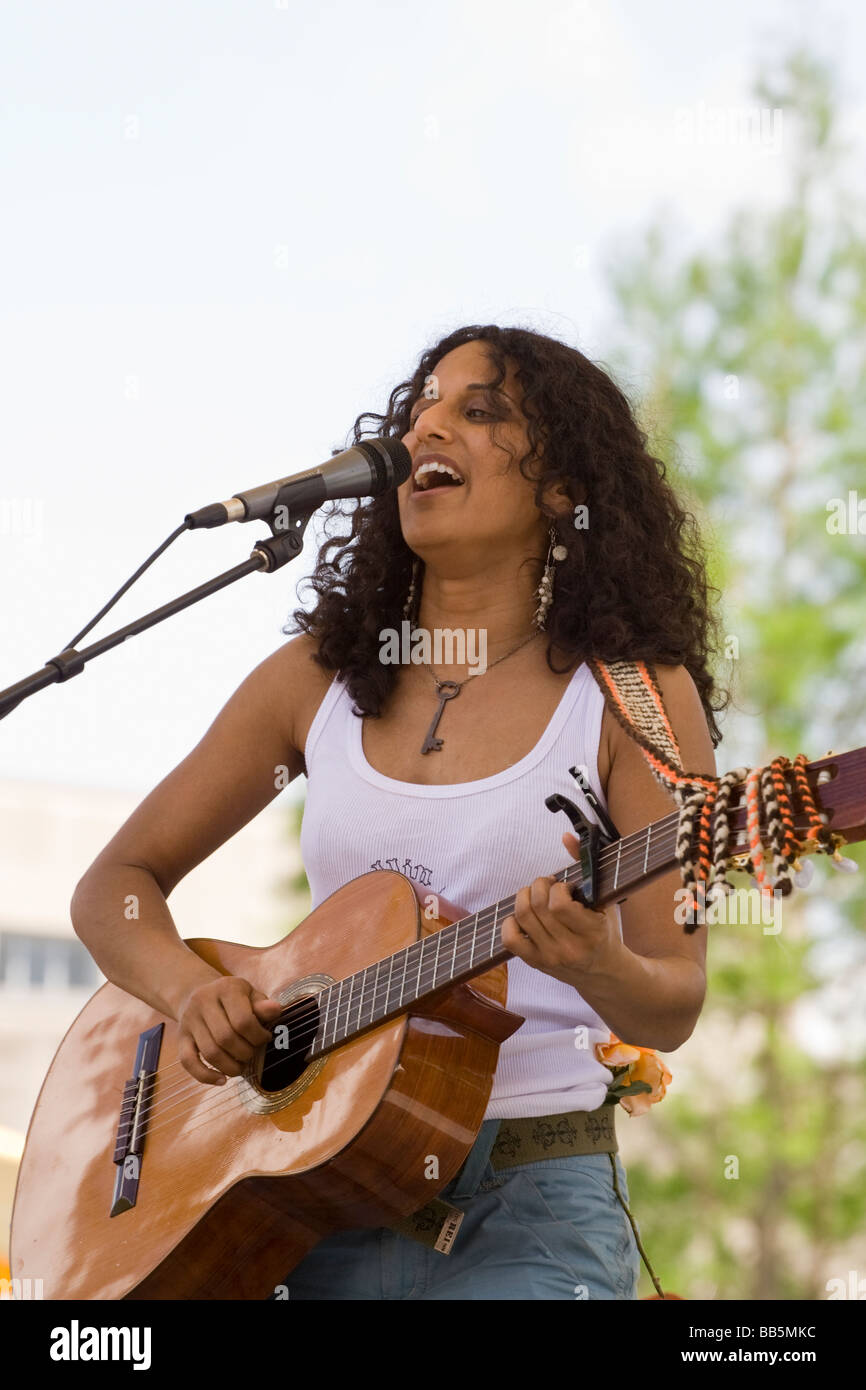
Rupda
AboutRupda

Rupda is a trauma therapist and facilitator who has practiced somatic and embodied transformation work for over four decades. Their heart-centered approach integrates body-based he…

View profileWebsite

Continue Reading

More about Rupda

View All
Rupda's Teaching: Approach, Method, and Voice
Article

Rupda's Teaching: Approach, Method, and Voice

Where to Start with Rupda: A Beginner's Guide
Article

Where to Start with Rupda: A Beginner's Guide

Keep exploring

Continue your journey

More wisdom and gatherings from across the BrightStar directory.

More Articles

Browse the full library of teachings, interviews, and guides.

Back to all articles →

Teachers & Artists

Explore the lineages, musicians, and guides of the conscious world.

Explore artists →

Find an Event

Kirtan, retreats, sound baths, breathwork, festivals — happening soon.

Browse events →