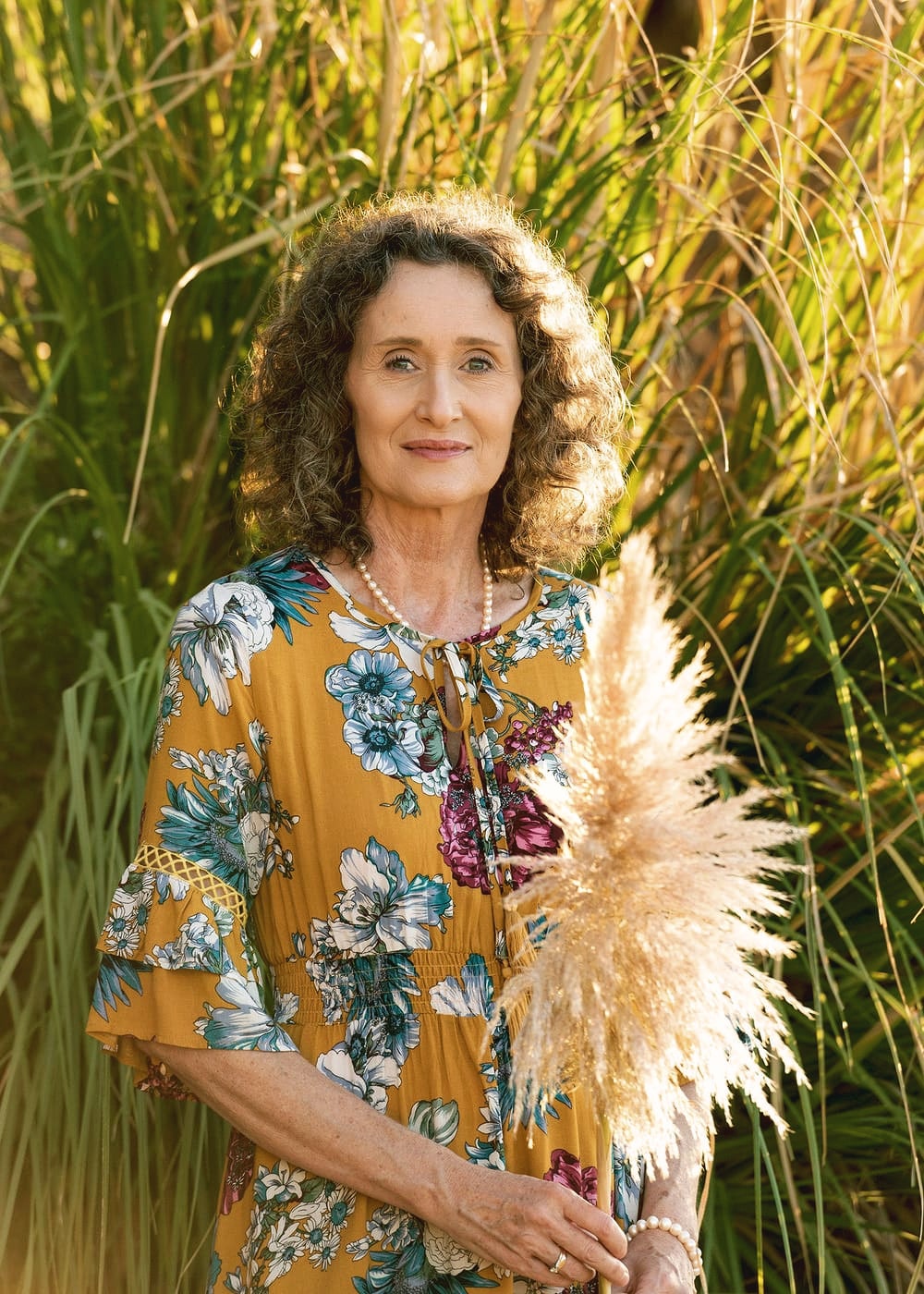
Lani Puriri
Sophrologist
Chi è
Lani Puriri is a Sophrologist, Cognitive Behavioral Practitioner and Meditation Coach dedicated to helping people find happiness and well-being in their daily lives. She works under the name Sophro Solace, inspired by the Greek philosophy of sophrosyne, a state of balance and self-awareness.
Lani Puriri is a Sophrologist, Cognitive Behavioral Practitioner and Meditation Coach dedicated to helping people find happiness and well-being in their daily lives. She works under the name Sophro Solace, inspired by the Greek philosophy of sophrosyne, a state of balance and self-awareness.
Sophrology is a structured practice that brings mind and body together through breathing exercises, gentle movement and creative visualization. Lani builds its foundational guidelines, along with moral principles, into all of her meditations, aiming for a blend of brain-body connection through balanced breathing, gentle movement and visualization.
Her approach is calm and reassuring. She guides people through a meditative experience designed to inspire relaxation and inner peace, and her work touches on stress, emotional regulation, resilience and restful sleep. She offers one-to-one coaching, team training and online programs, and welcomes both those new to Sophrology and those looking to deepen their practice.
Lani and her husband, Ra, are parents of six children and grandparents to eight grandchildren.
Domande
Questions
Lani Puriri is a Sophrologist, Cognitive Behavioral Practitioner and Meditation Coach, and the person behind Sophro Solace, a practice built around everyday happiness and well-being. Her work sits in a narrow lane: structured breathing, gentle movement and creative visualization, aimed at restful sleep, mental clarity and a steadier day-to-day state. The practice takes its name from sophrosyne, the Greek idea of balance and self-awareness, and that concept is the clearest guide to what she is doing. People who follow her tend to come for calm, reassuring guidance rather than dramatic spiritual performance, and that distinction matters. She describes herself as a Christian and frames her methods as whole-person strategies for simplifying life and improving one's relationships with oneself and others. Her public footprint is modest so far, with no press coverage or awards listed in the directory, so her reputation rests mainly on the practice itself and the free material she publishes.
Her work belongs to Sophrology, a structured discipline that combines breathing exercises, gentle movement and visualization to bring mind and body into closer alignment. Sophrology was developed in the 1960s by the neuropsychiatrist Alfonso Caycedo, and it differs from Eastern meditation traditions even though both pay close attention to breath. Lani's own framing adds a Greek root, sophrosyne, which she takes as the ideal of balanced, self-aware living that the name Sophro Solace reflects. She builds the moral principles and foundational guidelines of Sophrology into each meditation, so the ethical scaffolding is central rather than decorative. Her training also includes Cognitive Behavioral Practice, which means her sessions can address unhelpful thought patterns alongside relaxation. The directory does not name a teacher lineage beyond this, so the accurate answer is Sophrology as the method, with her Christian faith as the personal frame she brings to it.
The most sensible entry point is the set of free guided meditations on her website, sophrosolace.com, which lets a newcomer test the breathing rhythm and calm delivery before paying for anything. Newcomers who want a sleep focus should look for material aimed at restful sleep, since that is where her work is most concentrated. Once the basic sequence feels familiar, the interactive meditation journals are a practical next step, because they turn the practice into a daily written routine rather than a one-off listen. Those who prefer human guidance can move to one-to-one coaching, which is the most direct way to get feedback on posture and breath. Group workshops offer a middle path, though scheduling is not currently documented in the directory. Short sessions repeated consistently will reveal more about the method than any single long recording.
Many meditation coaches teach stillness or mindfulness on its own, but Lani works from Sophrology, which deliberately combines breath, gentle movement and visualization into one structured sequence. Her sessions are designed to be reassuring rather than intense, so the aim is relaxation and inner peace rather than breakthrough experiences. Her specific emphasis on restful sleep, clarity of mind and well-being sets her apart from coaches who focus mainly on productivity or performance. Her Cognitive Behavioral Practitioner training adds a thought-level component that purely contemplative teachers often lack. She also builds explicit moral principles from Sophrology into her meditations, which gives the practice an ethical grounding that some secular programs leave out. Her whole-person approach, tied openly to her Christian faith, distinguishes her from teachers who keep religion out of the frame. Compared with a generic meditation app, her offering is more relational, with one-to-one coaching and team training available.
Her approach is not suited to people looking for high-energy, fast-paced practice, since Sophrology is deliberately slow, calm and reassuring. Students who want intense breathwork, cold exposure or dramatic emotional release will likely find her sessions too gentle. Those seeking a purely secular framework may find her Christian self-description and whole-person orientation a poor fit, even though the methods themselves are not dogmatic. Listeners who want a large catalogue of recorded music or ambient sound for background listening will find little on that front, because no discography is listed in the directory. People dealing with serious anxiety, depression or chronic sleep disorders should seek a licensed medical provider, since coaching complements care rather than replacing it. Anyone expecting a large public following, a press profile or a busy event calendar should adjust expectations, since her presence here is currently quiet and small.
The most reliable channel is her official site, sophrosolace.com, where her online programs, workshops and free guided meditations are published. The directory does not currently list upcoming events or tour dates, so there is no travel calendar to cross-reference yet. Her Spotify and Apple Music profiles are linked from her BrightStar entry and are where any future audio releases would appear. Followers interested in group workshops should contact her through the website, since in-person scheduling is not documented here. Checking those pages before planning a trip will serve you better than relying on third-party listings. BrightStar will update this page as event information is verified.
Her teaching style is calm and reassuring, grounded in the principles of Sophrology, and it avoids dramatic technique in favor of steady guidance. A typical session blends breathing exercises, gentle movement and creative visualization in a single arc, moving from body awareness toward a quieter mental state. One-to-one coaching is the most personal format, allowing the teacher to adjust pacing to the individual's breath and posture. Group workshops and team training follow the same structure but spread attention across participants, which suits community and workplace settings. Online programs let students practice at home, supported by interactive meditation journals that encourage a daily written record. Newcomers often notice that the method asks for consistency more than intensity. Specific session lengths and retreat formats are not listed in the directory, so students should confirm details directly before booking.
The clearest recurring theme is restful sleep, which she treats as a foundation of daily well-being rather than a separate problem. Clarity of mind is the second theme, pursued through breath and visualization rather than analytical argument. Her Cognitive Behavioral Practitioner training brings a steady focus on how thoughts shape emotional state, so reframing appears alongside relaxation. The idea of self-awareness, drawn from the Greek sophrosyne, runs through the practice as a guiding ideal. Relationship is another theme, since her stated aim is to help people improve their relationship with themselves and with others. Her Christian faith, which she names openly, informs the whole-person orientation of the work. Students who want to hear these ideas in her own words should start with the free guided meditations, which show how the themes become practice.
The directory lists no books, published talks or lecture recordings, so I cannot point to a catalogue of spoken teaching. What is documented is a set of free guided meditations on her website, which serve as the most accessible self-directed material. Her interactive meditation journals provide a structured written companion for anyone who wants to work through the method alone. These tools suit independent practice because the guidance is spoken and paced, leaving the student free to focus on breath and posture. Students seeking deeper study of Sophrology as a discipline may need broader sources, since no long-form lectures are listed under her name. The honest picture is that her independent material is practical and short-form rather than lecture-based.
No prior meditation experience is required to begin, since Sophrology is designed as a structured and accessible method. Her guided meditations are calm and paced for beginners, so a newcomer can start with breathing alone. It helps to know the Greek idea of sophrosyne, which underpins the name Sophro Solace and the balanced self-awareness she teaches, though it is not a prerequisite. Students with a Christian background may find her framing familiar, while the breathing and visualization techniques remain the core of the method. Students who already practice other meditation traditions will recognize the attention to breath but may need to adjust to a more structured sequence. Anyone managing a medical or psychiatric condition should check with a qualified clinician before starting any new practice. Curiosity and patience are the only real prerequisites.


Sei tu? Rivendica questa pagina ›
There's more where this came from.
BrightStar is the global directory of artists, teachers, and healers in the wellness and spiritual movement. Find your next experience — or add yourself.
Discover More Artists
Browse 14,000+ curated profiles across kirtan, yoga, meditation, and beyond.
Explore directory →Find an Event Near You
Kirtan, retreats, sound baths, breathwork, ceremonies — happening this week.
Browse events →Add Your Profile
Are you an artist, teacher, or healer? Get listed — free, AI-assisted, live in minutes.
Get started →